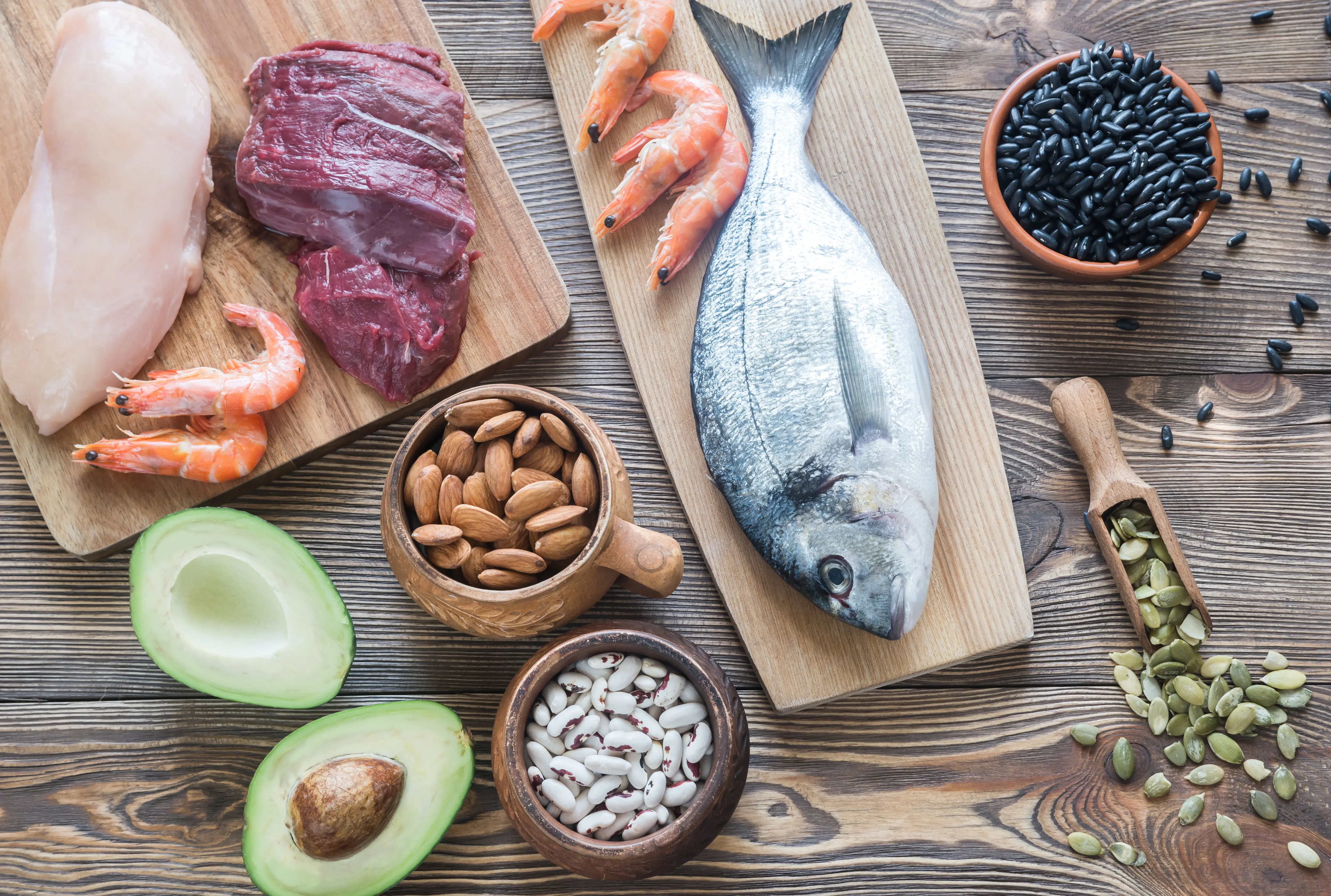
© Magnific
October 28, 2026
Marianne Waldenfels
Not all high-protein breads are equally healthy. Some contain surprisingly high amounts of fat and calories, while others can cause digestive discomfort. What sets the different varieties apart — and which ingredients make the healthiest choice.
“If you eat protein bread, you're destroying your gut.” With this provocative warning, a fitness coach attracted around 780,000 views on TikTok in October. His argument: Protein bread is largely a marketing gimmick, and a high protein content doesn't necessarily make a food healthy. The claim comes at a time when protein has become one of the food industry's biggest selling points. From yogurts and puddings to pasta and bread, supermarket shelves are filled with products promising an extra protein boost.
But is there any truth to the warning? No scientific study has established that protein bread damages the gut. What the research does reveal, however, are considerable differences between products. Some rely heavily on wheat gluten, others on soy, legumes or seeds. And that raises a question that rarely gets asked: Where does all that protein actually come from?
There is no fixed legal definition for protein bread. Manufacturers replace a large portion of the grain flour with protein-rich ingredients. Just how much these products can vary in composition is illustrated by figures from the consumer advice center: protein content ranges from 16 to 30 percent, and fat content from 6.5 to 36 percent. Some varieties provide 250 kilocalories per 100 grams; others as many as 430.
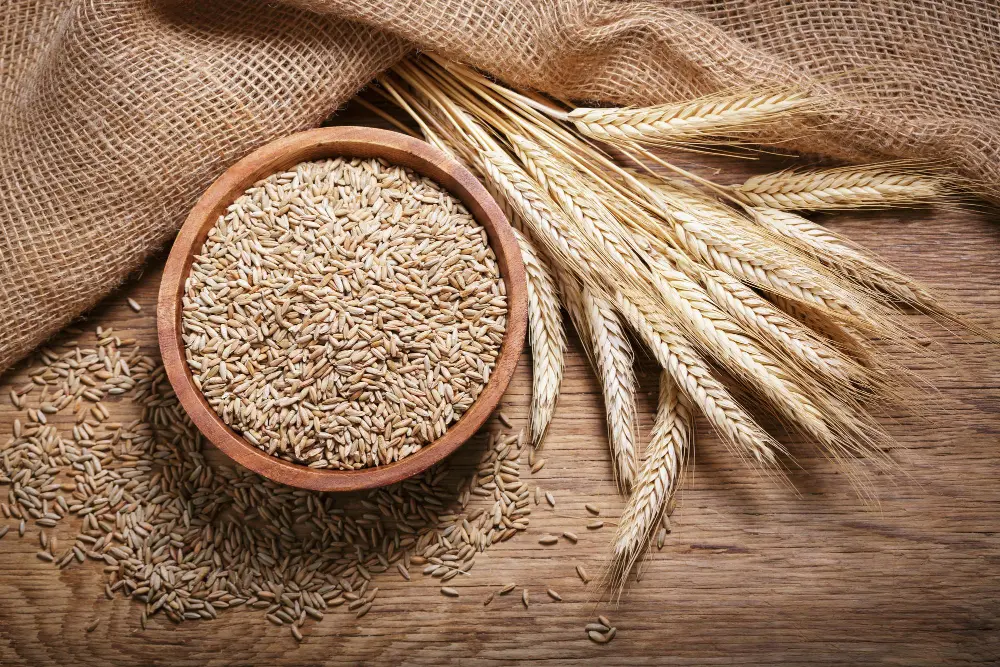
For comparison: a typical whole grain rye bread contains around 210 kilocalories, seven grams of protein, and only one to two grams of fat per 100 grams.
This makes clear why a "High Protein" label alone says little about a bread's nutritional value. Someone who buys protein bread to lose weight may actually end up consuming more calories than they would with a regular whole grain bread.
On top of that, the protein sources themselves vary considerably. Checking the ingredient list is therefore far more informative than glancing at the protein figure on the front of the pack.
In many protein breads, wheat protein — also known as wheat gluten, or simply gluten — appears near the top of the ingredient list. This concentrated binding protein delivers a high protein content and a bread-like texture, even when much less conventional flour is used.
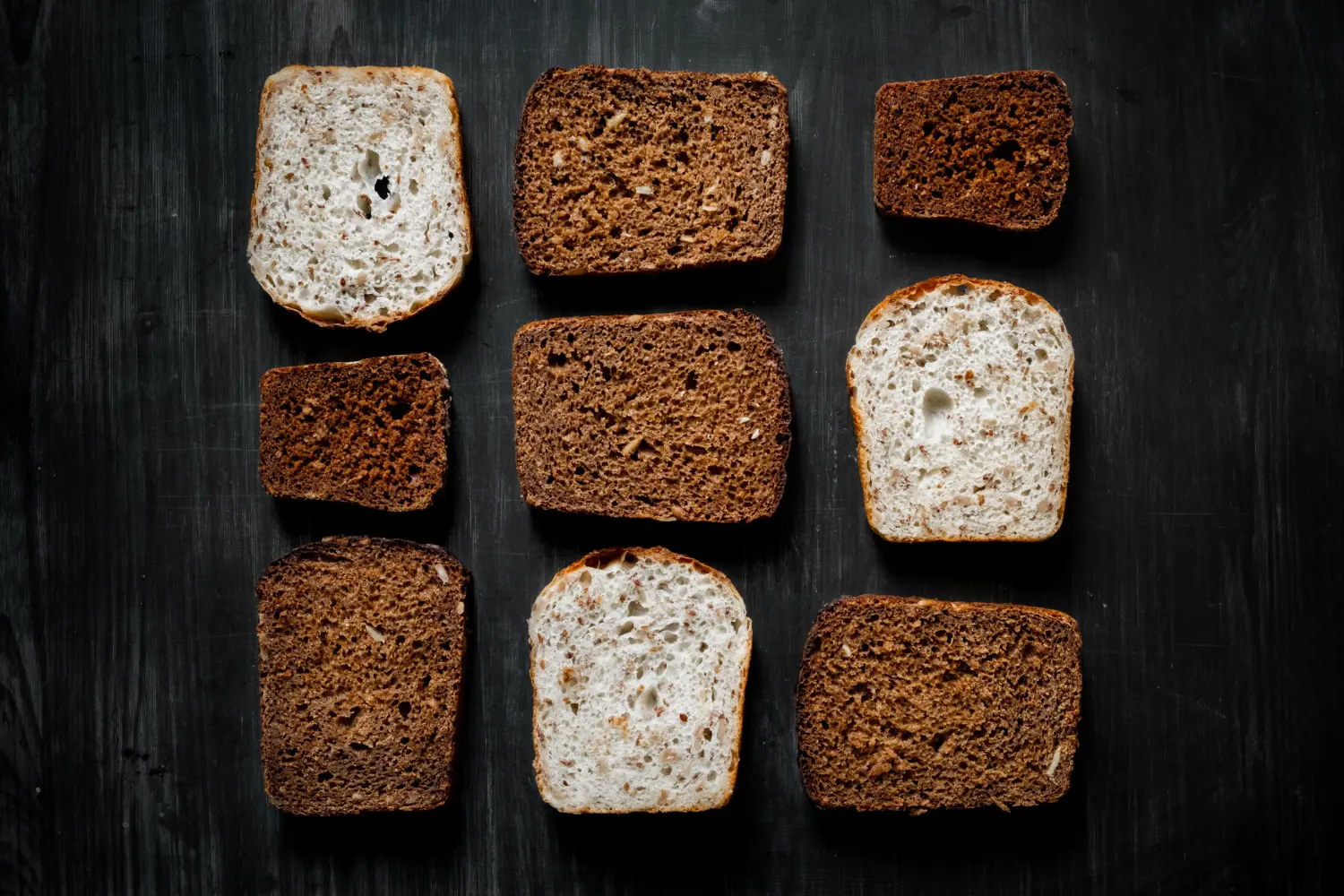
Such products are unsuitable for people with celiac disease, who must strictly avoid gluten because it triggers an inflammatory reaction in the small intestine. According to the German Celiac Society, around one percent of the population is affected. But is gluten also a problem for healthy people?
A randomized study published in Nature Communications examined 60 healthy Danish adults who followed either a low-gluten or a high-gluten diet for eight weeks each. During the low-gluten phase, participants reported less bloating, and the composition of their gut flora also changed.
However, the researchers attributed these differences primarily to the altered dietary fiber composition of the diet, not to gluten itself. The study therefore provides no evidence that gluten damages the gut lining in healthy people.
Anyone who regularly experiences bloating or abdominal pain after eating wheat products should still have their symptoms investigated. One important note: celiac disease can only be reliably diagnosed while gluten is still being consumed.
Soy meal and soy protein are among the most common ingredients in protein breads, and they are often combined with wheat protein to push the protein content even higher.
From a nutritional standpoint, soy has a clear advantage: it supplies all the essential amino acids, making it one of the highest-quality plant-based protein sources. This is particularly relevant for people who follow a vegan diet.
However, soy is one of the 14 major allergens that must be declared on food packaging in the European Union. In addition, certain carbohydrates found in soy can cause bloating in sensitive individuals. How well a soy-based bread is tolerated therefore depends on the specific ingredient used and how it has been processed. A bread is not automatically healthier simply because it contains soy.
Pea and lupin flour are increasingly being used as plant-based protein sources. They are especially interesting for gluten-free products, provided all other ingredients are gluten-free as well.
There are some early clinical studies on pea flour. In a small Foods published in 2022 in the journal randomized study, 24 healthy adults were given either regular white bread or white bread blended with 20 percent pea flour.
The pea flour bread produced greater satiety. However, the researchers found no significant difference in the rise of blood sugar or insulin levels. The higher protein content may have contributed to the greater feeling of fullness.
This small study is not enough to establish a general health advantage for pea bread. It does suggest, however, that the composition of a bread can be meaningfully improved.
With lupins, the allergy risk deserves particular attention. The Federal Institute for Risk Assessment notes that people with a peanut allergy may also react to lupins. Lupins must therefore be declared as an allergen on product labels.
Flaxseeds, sunflower seeds, pumpkin seeds, and almonds have a very different nutritional profile from concentrated wheat protein. Alongside protein, they also provide fiber, unsaturated fatty acids, and minerals.
These are all points in their favor. Fiber in particular is important for digestion and gut health, while unsaturated fatty acids can be part of a heart-healthy diet.
That said, oil seeds are naturally high in fat, so breads made with them can be considerably higher in calories than rye or whole wheat bread. A high proportion of seeds is not a drawback in itself, but it does not automatically make a bread the best option for those trying to lose weight.
That bread composition can nonetheless influence body weight is suggested by a study from Düsseldorf.
A research team led by Dr. Kerstin Kempf and Prof. Dr. Stephan Martin from the West German Diabetes and Health Center investigated, in a randomized, triple-blind study, whether simply switching to a different bread could support weight loss.
Over three months, 80 overweight adults received either whole grain rye bread or a carbohydrate-reduced bread that caused only a modest rise in insulin. They were asked to make no other changes to their diet or lifestyle.
While the control group largely maintained their weight, those eating the carbohydrate-reduced bread lost an average of 1.8 kilograms. Among participants over 55, the weight loss reached as much as 2.6 kilograms.
There is, however, one important caveat: the bread studied was not a classic protein bread. It contained, among other things, oat flakes, sunflower seeds, flaxseeds, chia seeds, psyllium husks, almonds, and fava beans. Its protein content was only 8.8 grams per 100 grams, while the fat content was 14.6 grams.
Classic protein breads with 26 to 28 grams of protein per 100 grams were only examined in a small preliminary trial involving six participants. The results therefore cannot be straightforwardly applied to commercially available protein breads.
The claim that protein bread destroys the gut is not scientifically proven. In fact, many products contain substantial amounts of fiber — according to the consumer advice center, the content ranges from 5.5 to 12 percent depending on the variety.
Fiber supports digestion and serves as a food source for certain gut bacteria. However, the specific effect of any particular protein bread on the microbiome cannot be directly inferred from this.
Bloating does not mean the gut is being harmed. Anyone who significantly increases their fiber intake in a short space of time may temporarily experience more intestinal gas. In some people, certain legumes or other ingredients can also trigger discomfort.
A blanket verdict on the digestive tolerability of protein bread is therefore not meaningful. What matters are the specific ingredients, the amount consumed, and individual tolerance.
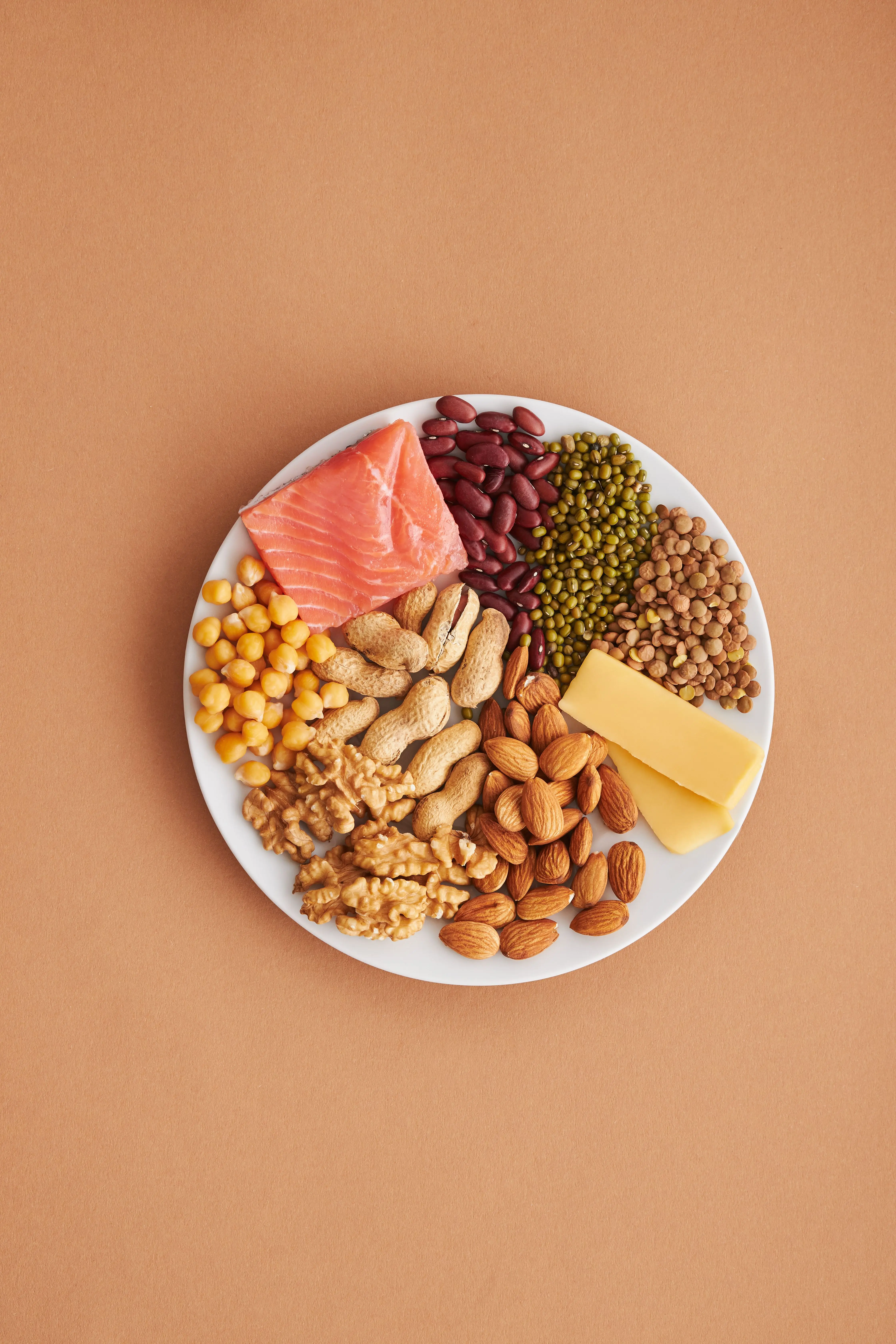
Protein breads perform best when their protein comes from legumes such as peas or fava beans, combined with seeds. These deliver plant-based protein, plenty of fiber, and generally less fat than breads made almost entirely from oil seeds. The evidence of benefit is also strongest for this type. Pea flour made participants feel fuller in one study, and the bread used in the Düsseldorf study — with which participants lost weight — also contained fava beans and seeds.
Least convincing are breads whose protein comes mainly from wheat protein. Here, an isolated protein is simply added without the bread gaining any extra fiber or other valuable nutrients. For people with celiac disease, such breads are off-limits regardless.
Soy and seed breads fall somewhere in between. Soy provides high-quality protein but is a common allergen. Seed breads are nutrient-dense but often considerably higher in calories.
One important caveat: there are no studies that directly compare the different varieties with one another. The assessment is based on the nutritional composition of the breads.
And anyone simply looking for a healthy everyday bread does not need protein bread at all. A good whole grain rye bread offers plenty of fiber with little fat and few calories — and at a fraction of the price.

"Feel good, live better" – in this podcast episode with Prof. Dr. Katharina Storck, we talk about the nose and why we should pay more attention to it
Christine Bürg

An interview with
Prof. Dr. med. Katharina Storck

Radiofrequency, ultrasound, micro-coring: How much can the latest skin-tightening treatments achieve without surgery? Plastic surgeon Dr. Lukas Kohler explains which methods show promise, where they fall short, and why some treatments can even make the face look older.
Christine Bürg & Marianne Waldenfels

An interview with
Dr. med. Lukas H. Kohler

ARFID is often mistaken for picky eating, partly because weight can be normal. Chief physician Dr. Tabea Bauman explains how to recognize the eating disorder and why pressure at mealtimes does more harm than good.
Christine Bürg & Marianne Waldenfels
An interview with
KIRINUS Privatklinik Am Friedensengel

When the days get shorter, many people’s moods take a dip. But not every winter slump is harmless: psychiatrist Prof. Dr. Andreas Menke explains when the winter blues turns into seasonal depression that needs treatment.
Christine Bürg

With
Prof. Dr. med. Andreas Menke