© Adobe Stock
Many people voluntarily refrain from gluten, even without a diagnosed intolerance.
January 27, 2025
Jana Ackermann
Is gluten-free right for you? Nutrition expert Hannah Willemsen explains celiac disease, gluten sensitivity symptoms, and when avoidance is necessary
Pasta, bread, and cake taste delicious – but more and more people are giving up gluten, even without a diagnosed intolerance. Is that really sensible or just an outdated trend? Nutritionist Hannah Willemsen explains when avoiding gluten is medically necessary and when it does more harm than good.
Gluten is a protein found in many grains such as wheat, rye, barley, and spelt. It gives doughs their elasticity and ensures that bread and pastries retain their shape.
Good to know: For most people, consuming gluten does not pose health problems, but there are different forms of gluten intolerance that can lead to health issues.
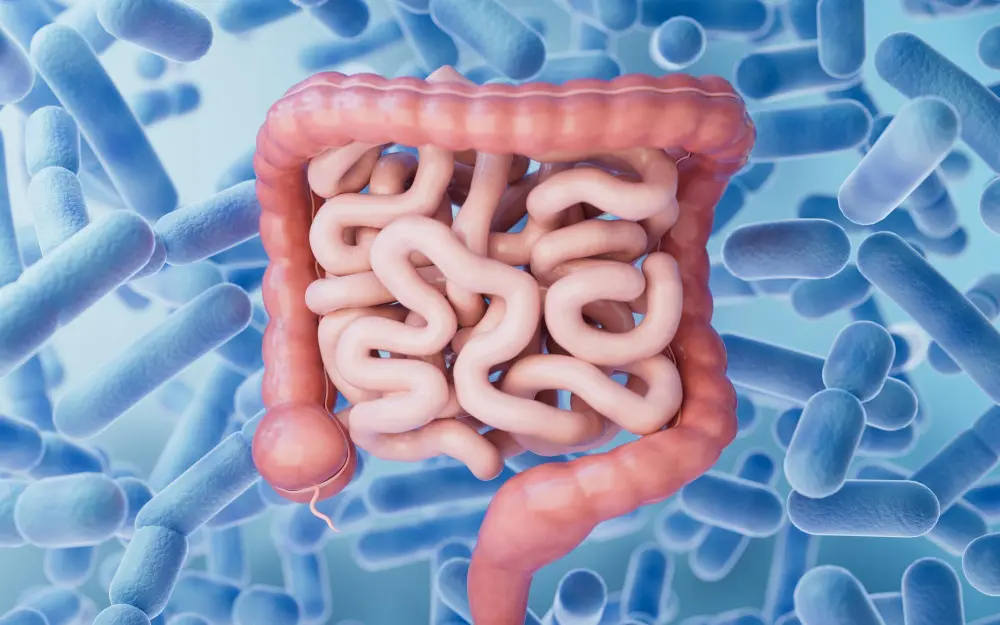
The most well-known form of gluten intolerance is Celiac disease, an autoimmune disorder where consuming gluten triggers inflammation in the small intestine. In Germany, about 800,000 to 900,000 people are affected.
“In celiac patients, contact with gluten leads to a regression of the small intestine villi,” explains the certified nutritionist Hannah Willemsen . This impairs nutrient absorption and can cause the following symptoms:
Important: If left untreated, celiac disease can lead to serious long-term health problems. A lifelong gluten-free diet is the only effective therapy.
In addition to celiac disease, there is Wheat allergy, which is usually easy to detect. The most common symptoms include:
“With gluten sensitivity, affected individuals react similarly to celiac disease when exposed to gluten, but without the characteristic autoimmune response or intestinal damage,” explains Hannah Willemsen.
Typical symptoms:
“Here, too, a gluten-free diet can alleviate symptoms, even if there is no official diagnosis of celiac disease,” says the nutritionist.
Furthermore, more and more studies show that people with other Autoimmune diseases how Hashimoto's or psoriasis can benefit from a gluten-free diet. However, the holistic nutritionist emphasizes: "This should always be tested on a case-by-case basis, as not every body responds equally to abstaining from gluten."
However, more and more people are voluntarily giving up gluten, even without a diagnosed intolerance. But is this really sensible? According to Hannah Willemsen, there is no scientific evidence that avoiding gluten brings benefits to healthy people.
According to the expert, wheat is often wrongly portrayed as unhealthy. “Whole grain wheat, that is the whole grain, is a valuable source of fiber, vitamins, minerals, and antioxidants.” Those who avoid gluten must ensure they obtain these nutrients from other sources.
"The negative perception of wheat often comes from products made from refined wheat flour, like white bread and pastries," says the expert. "These products are indeed less nutritious, as they lose much of the fiber and nutrients during processing."
Products made from white flour cause the blood sugar level rise rapidly, leading to energy crashes and hunger, while whole wheat keeps you fuller longer and supports digestion. For a balanced diet, it is therefore advisable to reduce the consumption of white flour and instead opt for wholesome alternatives – even if they contain gluten.
Some people report feeling better without gluten. In these cases, an elimination diet can help to test personal tolerance.
Here's how:
Gluten is found in many common foods, especially in products made from:
Gluten-containing grains:
Typical gluten-containing foods:
Oats are, in their pure form, gluten-free. Due to contamination during growing and processing, oats may contain gluten.
For people with celiac disease: Only specially labeled "gluten-free" oats are safe.
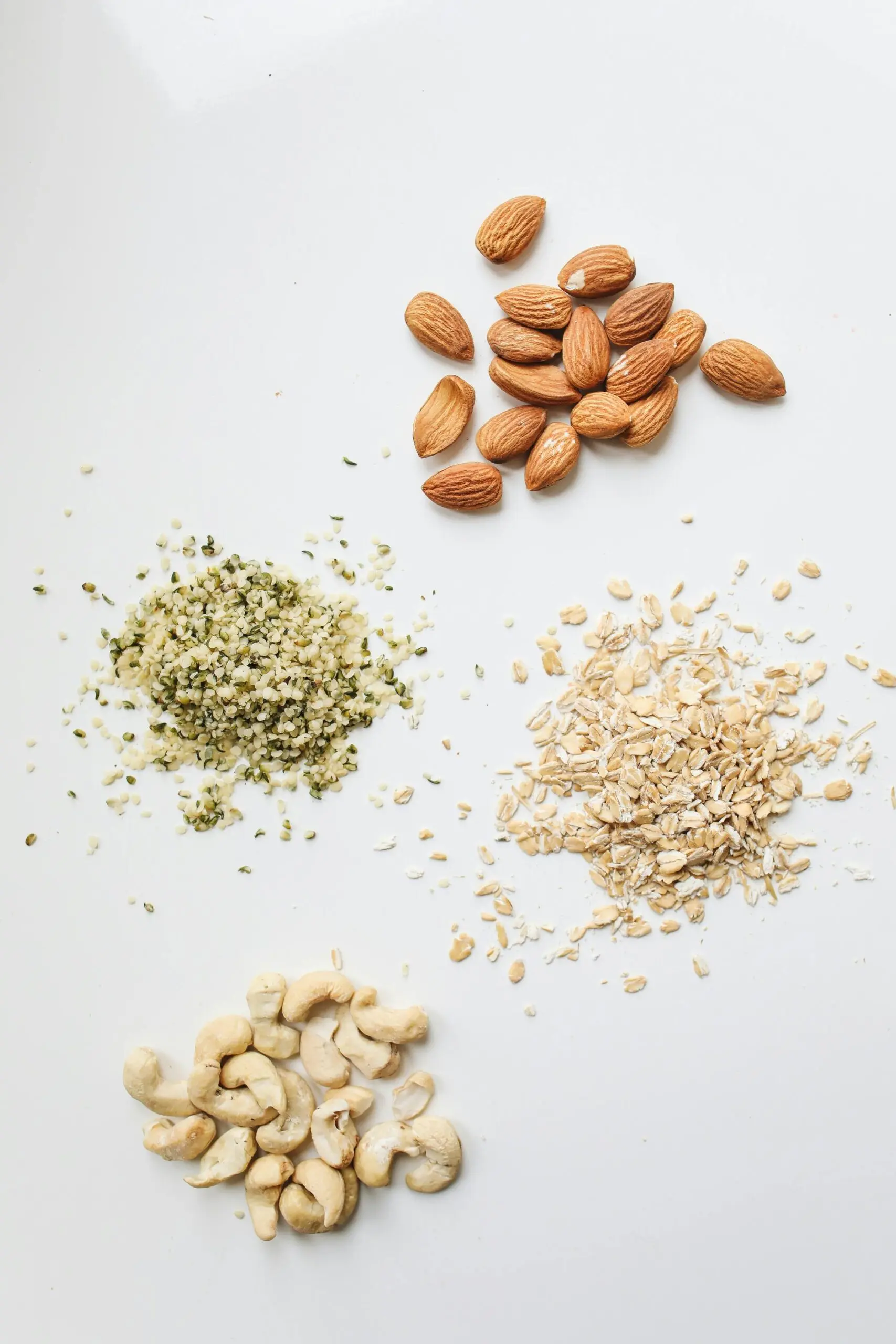
Those who have a gluten intolerance or want to diversify their diet can turn to many gluten-free alternatives.
💡 Baking tip: Gluten-free flours have different baking properties – use special recipes or flour blends for best results.
Instead of regular bread:
Instead of durum wheat pasta:
Instead of regular muesli:
Avoiding gluten is medically necessary for:
Avoiding gluten is NOT sensible:
The most important insight: The problem is not gluten itself, but often the processing. Whole grain products are valuable for a healthy diet even with gluten.
Do you suspect a gluten intolerance? Get a medical examination before giving up gluten – only then is a reliable diagnosis possible.
How do I recognize a gluten intolerance?
Typical symptoms include abdominal pain, bloating, diarrhea, fatigue, and headaches after consuming gluten-containing foods. A definite diagnosis is only possible through medical tests.
Is a gluten-free diet healthier?
No. There is no scientific evidence that a gluten-free diet is healthier for people without gluten intolerance. Whole grains containing gluten provide important nutrients.
Can celiac disease be cured?
No, celiac disease is a lifelong autoimmune condition. The only effective treatment is a strictly gluten-free diet.
Are gluten-free products automatically healthier?
No. Many gluten-free processed foods contain more sugar, fat, and additives than regular products. Pay attention to the ingredient list.
How do I test if I tolerate gluten?
Through an elimination diet: Avoid gluten completely for 4-6 weeks, document symptoms, then reintroduce gradually. Important: Check with a doctor beforehand!
About the expert:
Hannah Willemsen is a certified nutritionist specializing in holistic nutrition and intolerances.

Oliver Lüder