© Anthony Shkraba
September 30, 2026
Marianne Waldenfels
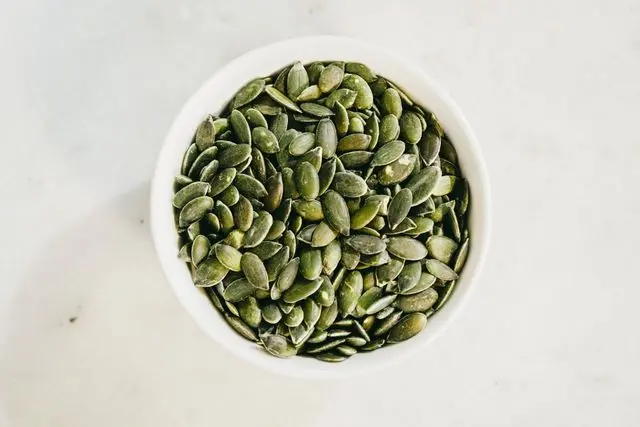
Pumpkin seeds are among the best plant-based sources of magnesium. Just 30 grams provide a substantial amount of the mineral. But what matters is not only what's inside the seeds — it's also how much of it your body actually absorbs.
Magnesium is one of the most popular dietary supplements. Many people take it for muscle recovery, while others hope it will improve their sleep. Yet one natural source gets far too little attention: pumpkin seeds. Just 30 grams provides around 85 milligrams of magnesium, according to a sample calculation by the German Nutrition Society (DGE) — nearly a third of what an adult woman needs each day.
Magnesium is essential for muscles, nerves, and bones. The DGE recommends a daily intake of 300 milligrams for adult women and 350 milligrams for men.
A comparison with other foods shows just how much pumpkin seeds can contribute. According to the DGE, 20 grams of pumpkin seeds provide 57 milligrams of magnesium. A banana contains 36 milligrams, 150 grams of yogurt contains 18 milligrams, and 50 grams of lamb's lettuce contains 7 milligrams. Among plant-based sources, sunflower seeds also rank highly: 20 grams provide 78 milligrams.
Almonds are also considered a classic source of magnesium. However, depending on the nutritional database used, pumpkin seeds come out considerably higher. The size of this difference depends on factors such as variety, origin, and processing. And beyond magnesium, pumpkin seeds are also rich in protein, unsaturated fatty acids, zinc, and iron. The mineral doesn't come in isolation here — it arrives alongside a whole range of other nutrients.
The amount of magnesium listed for a food doesn't tell us how much the body actually absorbs. With plant-based foods, one key factor is phytic acid. It occurs naturally in seeds, nuts, and whole grain products and can bind magnesium in the intestine, limiting how much is taken up.
Just how significant this effect can be was demonstrated by a . The researchers examined how well magnesium was absorbed from bread containing different amounts of phytic acid. Without added phytic acid, the body absorbed around one third of the magnesium. At levels comparable to those found in whole grain bread, absorption dropped to just 13 percent.
The small study was not conducted with pumpkin seeds, so it doesn't allow any direct conclusions about what proportion of their magnesium is actually absorbed. It does, however, illustrate why the figure on a nutritional label cannot be taken as a direct measure of what the body receives.
Phytic acid is precisely the target of a nutritional trend that has been circulating on social media for years. The idea is to soak nuts and seeds for several hours to "activate" them — a process claimed to reduce phytate content and improve mineral availability.
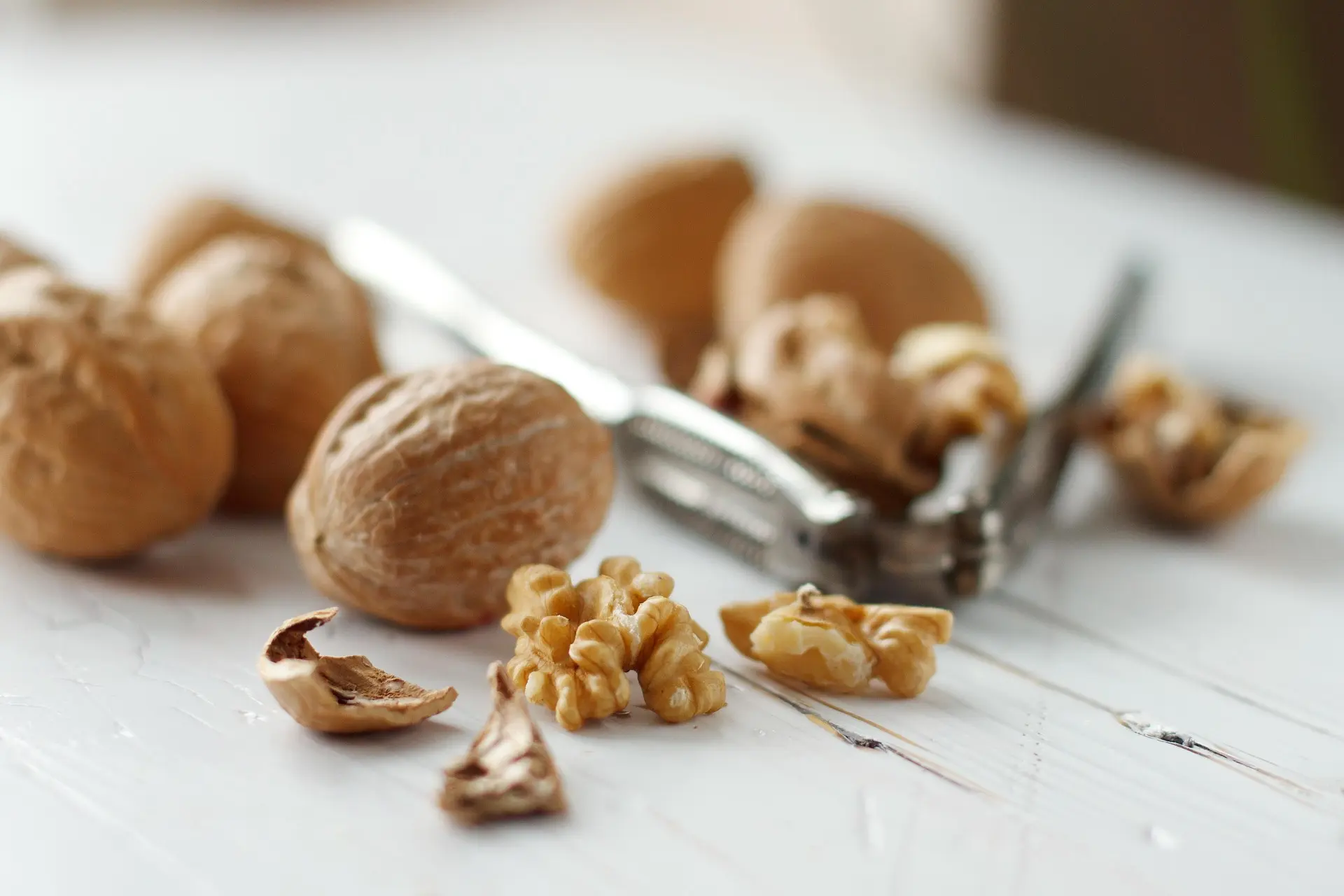
Researchers at the University of Otago put this method to the test with almonds, hazelnuts, peanuts, and walnuts. After soaking, the phytate content changed only slightly, while some minerals leached out into the water.
A further study by the same research group involving 76 participants likewise found no nutritional benefit. Data specifically on pumpkin seeds are still lacking. That said, there is no evidence to suggest that their high mineral content only becomes available after hours of soaking.
The comparison can't be reduced to milligrams alone. A supplement delivers magnesium in a targeted, fixed dose.
For most healthy people, additional supplementation isn't necessary to begin with. The German Federal Institute for Risk Assessment (BfR) notes that a balanced, varied diet is generally sufficient to meet the body's nutrient needs.
There is one important distinction when it comes to higher amounts: for magnesium from dietary supplements, the BfR recommends a maximum of 250 milligrams per daily serving. Exceeding this amount can cause diarrhea, among other effects. This limit does not apply to magnesium that occurs naturally in foods.
There are, however, situations in which food alone doesn't always suffice. Certain gastrointestinal conditions can impair magnesium absorption. In diabetes, increased losses through the kidneys can occur. Some medications — including certain diuretics and proton pump inhibitors taken long-term — can also disrupt magnesium balance. In such cases, targeted supplementation may be advisable.
Pumpkin seeds demonstrate above all just how much magnesium perfectly ordinary foods can provide. For healthy people, the first step toward getting more magnesium doesn't necessarily have to mean reaching for the supplement shelf.

"Feel good, live better" This podcast episode with Prof. Dr. Helen Abel is all about hands and how to keep them mobile – even with arthritis
Christine Bürg

An interview with

How often should beginners run, when should they increase their training, and how important are rest days? Physiotherapist Nils Stützer explains how to build a healthy running routine, what role running technique plays, and how to avoid overuse injuries.
Christine Bürg & Marianne Waldenfels

With
Nils Stützer