© Magnific
October 25, 2026
Marianne Waldenfels
Whey has long been considered the gold standard for building muscle. But two new meta-analyses challenge that assumption: Egg protein ranks surprisingly high, a plant-based alternative performs well — and ordinary dairy foods can deliver more protein than a typical scoop of whey powder.
In the past, muscle building was mostly associated with dumbbells and a decent cut of meat. These days, a protein shake often sits right alongside the weights, and even supermarket shelves are lined with puddings, bars, and yogurts promising an extra protein boost. But which protein actually supports muscle growth? Two major new studies offer answers that don't quite line up with the promises of the fitness industry.
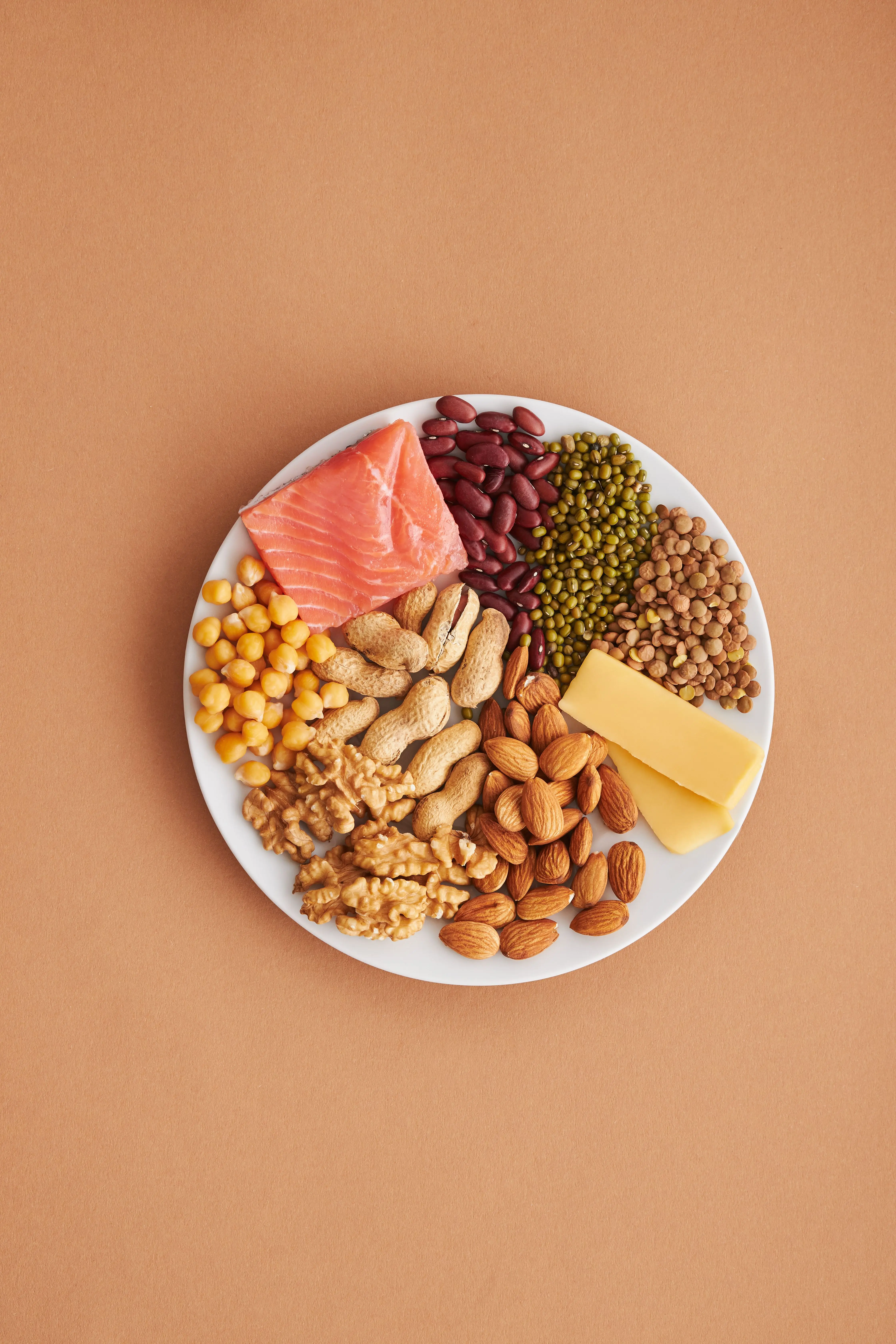
One study compared 19 different protein sources and looked at how strongly each one stimulates new muscle protein formation immediately after training. The other examined which proteins actually help people gain more lean body mass over several weeks. The findings showed that egg protein performs well, milk proteins come out ahead over the long term — and even a plant-based alternative can hold its own against the established favorites.
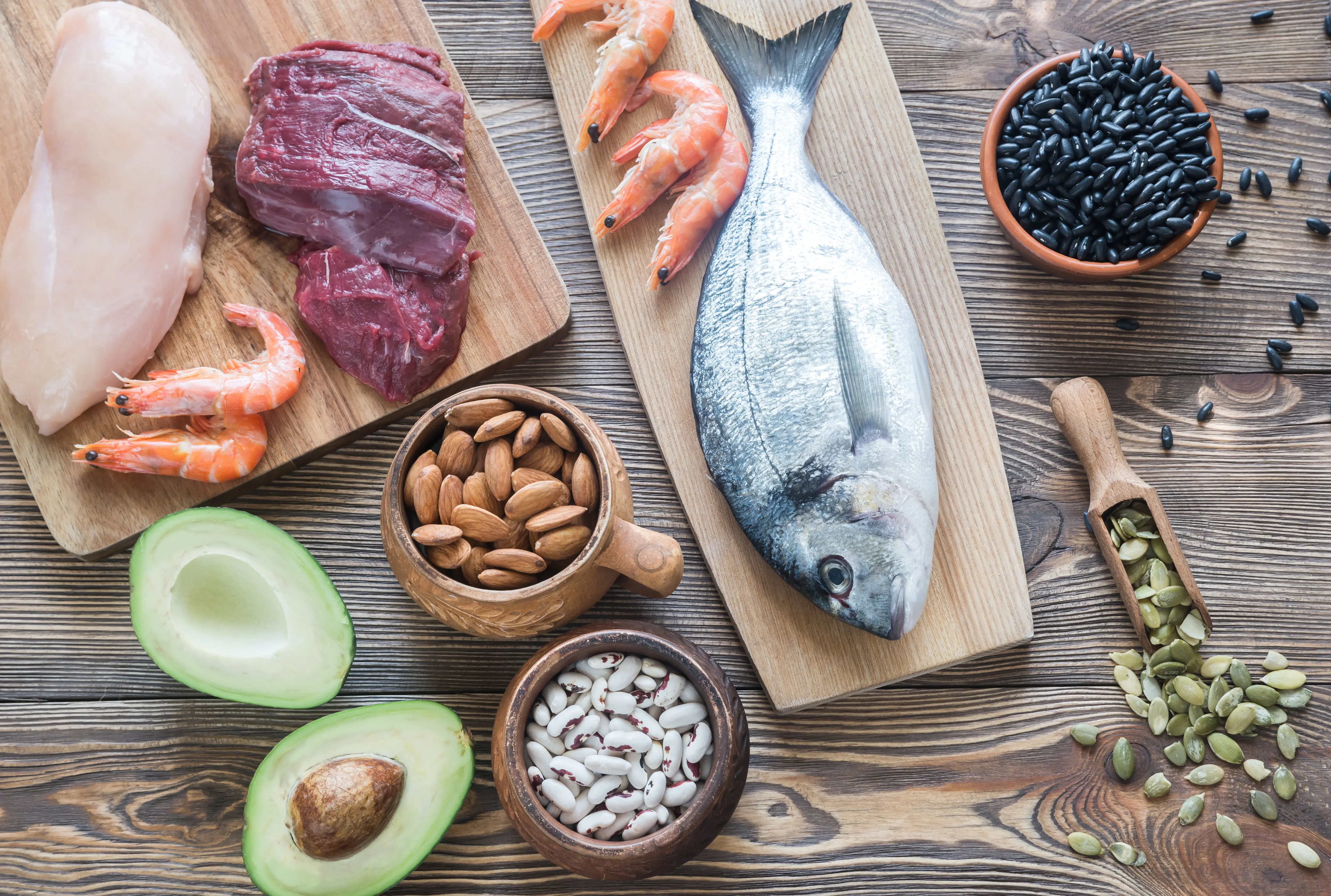
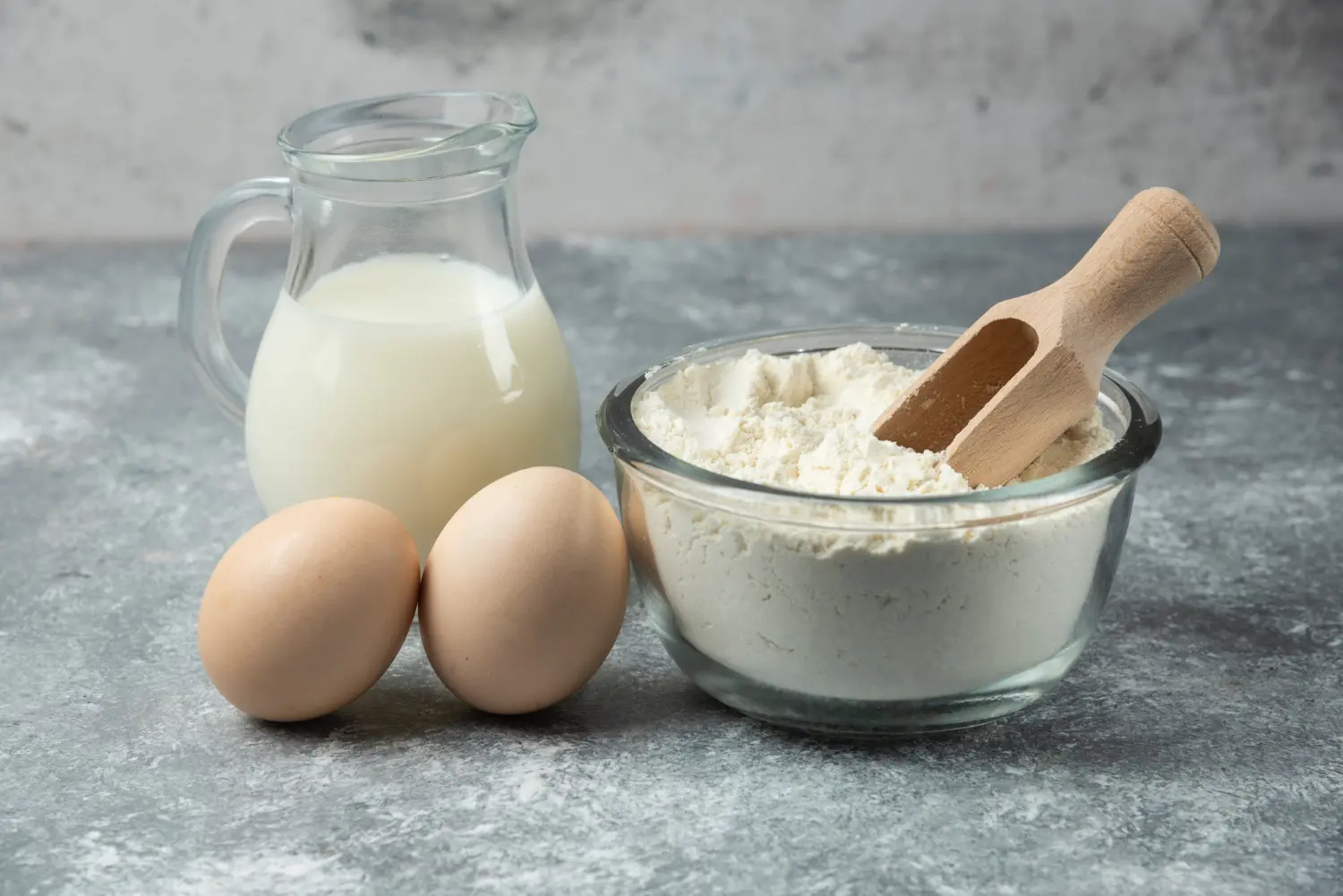
Eggs have long been recognized as a high-quality protein source. They contain all nine essential amino acids that the body cannot produce on its own, including leucine, which plays an important role in the formation of new muscle proteins.
How egg protein stacks up against other protein sources was investigated by scientists led by Kevin Bischof and Daniel König from the University of Vienna. For their network meta-analysis, published in October 2026 in the Journal of the International Society of Sports Nutrition, they analyzed 51 studies.network meta-analysis they analyzed 51 studies.
The study focused on what is known as muscle protein synthesis — the process by which the body builds new muscle proteins. This process is ramped up after strength training and is an important prerequisite for muscles to adapt to physical stress and grow.
The researchers compared a total of 19 protein sources. At the top of their statistical ranking was native whey protein, a particularly gently processed form of whey, followed by pea protein and whole egg protein — meaning protein from the entire egg, yolk included. Mycoprotein, derived from fungal cultures, and conventional whey came in just behind.
Whole egg protein thus ranked among the most favorably rated sources for short-term muscle protein synthesis. This is relevant for everyday life: two eggs provide approximately 13 to 14 grams of protein, and three eggs around 19 to 21 grams.
The ranking is not definitive, however: only a limited number of studies were available for some individual protein sources, and only conventional whey showed a statistically significant advantage over the control condition in the main analysis. Even so, the study makes clear that whey is by no means the only protein source capable of supporting muscle building.
While eggs perform well for short-term muscle protein synthesis, a second study shifts the spotlight to milk.
The key question isn't only how strongly a protein stimulates new muscle protein formation in the hours after training. People who regularly do strength training want to know whether that actually translates into greater muscle mass over weeks and months.
A meta-analysis published in August 2026 in the journal Frontiers in Nutrition examined exactly this longer-term effect. Scientists from Shandong Technology and Business University in China analyzed 36 randomized controlled studies involving a total of 1,552 participants, all of whom completed at least six weeks of strength training.
The researchers compared various protein supplements in terms of their effect on lean body mass — a measure that primarily captures muscle tissue, but also other lean tissue.
Whey protein came out on top. Compared to placebo, taking whey in combination with strength training was associated in the statistical model with an average increase in lean body mass of 1.24 kilograms. Milk protein followed with 1.18 kilograms, and casein with 0.92 kilograms.
The three front-runners have one thing in common: they all come from milk. Whey is found in the liquid portion of milk, while casein makes up most of its protein. Casein is also abundant in quark, a high-protein fresh dairy product popular in Germany and other European countries. Regular milk contains both whey and casein — although the study examined protein supplements rather than whole dairy foods.
Plant-based protein supplements achieved lower values. However, only two or three studies were available for some of them, so the final word has not yet been spoken.
When it comes to everyday meal planning, what matters most — alongside protein quality — is how much protein a single serving actually provides. A look at common foods shows that a specialized protein product isn't necessarily required. Here is roughly how much protein you get per serving:
• 2 eggs: 13–14 g
• 250 ml whole milk: 8–9 g
• 250 g low-fat quark: 30 g
• 200 g Skyr plain: 20–22 g
• 200 g plain yogurt: 7–9 g
• 30 g whey protein powder: 22–25 g
Values may vary depending on the product and serving size.
One comparison stands out: a 250-gram serving of low-fat quark provides around 30 grams of protein — more than a typical 30-gram scoop of whey powder. That does not mean quark is better at building muscle. But it illustrates how much protein ordinary foods can provide without supplements.
Dairy products also supply a range of other nutrients alongside protein, including calcium and, depending on the product, varying amounts of vitamins.
People who train regularly generally need more protein than those who are largely sedentary — though the amount is easy to overestimate in everyday life.
The German Nutrition Society (DGE) recommends 0.8 grams of protein per kilogram of body weight per day for adults up to age 65, and 1.0 gram for those aged 65 and older. These reference values are designed for general nutritional adequacy, not for maximizing muscle growth.
For people engaged in regular, intensive strength training, a higher intake may be beneficial. The International Society of Sports Nutrition (ISSN) recommends 1.4 to 2.0 grams per kilogram of body weight per day for most people who train. At a body weight of 70 kilograms, that works out to roughly 100 to 140 grams of protein per day. Those who train only occasionally or at a moderate intensity don't need to aim for the upper end of this range.
The Vienna meta-analysis also looked at which post-training protein amounts might be particularly beneficial for muscle protein synthesis. For native whey, around 20 grams was among the most favorable amounts studied; for whole egg protein, it was approximately 18 grams — equivalent to roughly three eggs. Pea protein and mycoprotein achieved high values at around 25 grams each.
One possible explanation for these differences lies in the composition of the proteins themselves. Some plant-based sources contain less leucine or fewer other essential amino acids, which means a slightly larger portion may be needed to stimulate a comparable level of muscle protein synthesis. These amounts should be understood as a general guide rather than a fixed dosage.
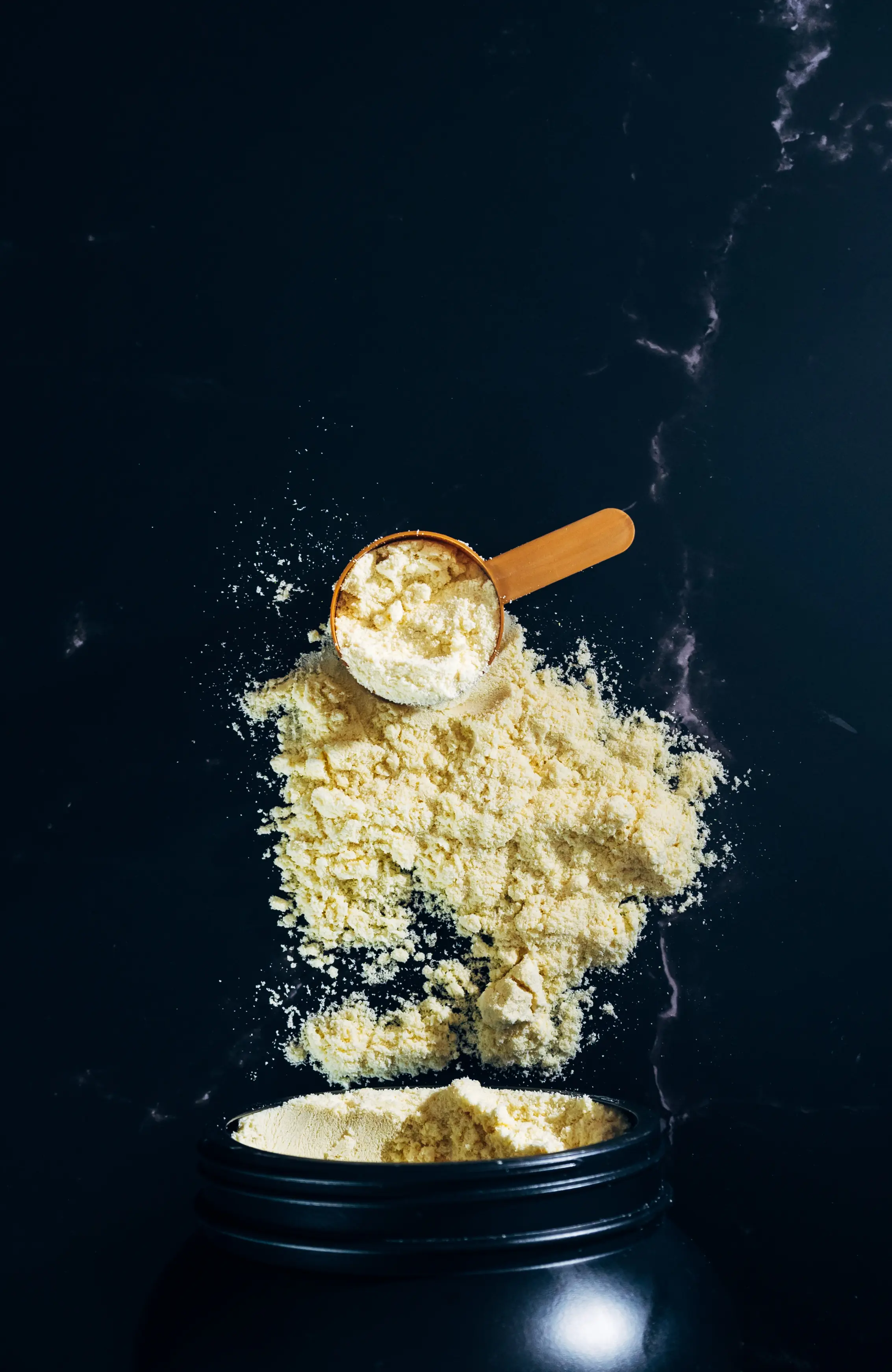
A shake is quick to prepare and delivers a precisely measurable dose of protein, which can be convenient when there's no time for a meal after training or when it's hard to meet daily protein needs through food alone. That said, protein powder is not a requirement for building muscle.
The apparent contradiction has a straightforward explanation: the Vienna researchers examined what happens in the muscle immediately after protein intake, while the Chinese research group looked at changes in body composition over several weeks.
On top of that, the included studies differed in terms of participants, protein amounts, and training programs. The fact that pea protein performs well in the short term does not necessarily mean it leads to greater muscle growth over the long term. Equally, the second analysis does not prove that whey is fundamentally superior to all other protein sources.
For most people trying to build muscle, protein powder is optional. Eggs provide high-quality protein, while everyday dairy foods such as quark and skyr can contribute substantial amounts to the daily total.
What matters most is getting enough protein throughout the day and challenging the muscles through regular strength training. A protein shake can make that easier. It is not what makes muscle growth possible.

When cancer runs in the family, questions about one's own risk often follow. In the first installment of her column, geneticist Dr. Laura von der Heyden explains how inherited genetic variants influence the risk of breast, colorectal, and prostate cancer — and how this knowledge can change preventive care.
Dr. med. Laura von der Heyden
By

Implant or your own tissue, now or after treatment — or perhaps no reconstruction at all? Plastic surgeon Dr. Juliane Bodo explains what role radiation plays, what risks to expect, and why no one should make this decision under pressure.
Christine Bürg & Marianne Waldenfels

An interview with
Dr. med. Juliane Bodo