Calcium is, in terms of quantity, the most important mineral in our body. 99 percent is found in bones and teeth. The remaining one percent is distributed in our muscle cells and blood.
The list of tasks for calcium in our body is long: it is well-known for strengthening our bones, but it also prevents cavities and periodontitis, regulates the activity of certain enzymes, and acts as a messenger to regulate the transmission of nerve impulses. Regardless of where the calcium comes from, it is essential for our health.
Calcium from milk vs. plant-based calcium
“Every day we should consume about 1000 milligrams of calcium,” says certified nutritionist Lea-Martine Lotz, who on her Instagram channel shares healthy recipes and nutrition tips. In fact, cow's milk contains a lot of calcium. However, it is unlikely that our body absorbs as much.
Because it not only depends on the calcium concentration in the foods, but also on the so-called bioavailability. This measure describes how quickly and to what extent our body can absorb nutrients, depending on physiological factors.
100 ml of cow's milk contains about 120 mg of calcium. However, the bioavailability of milk calcium is 30 percent. This means: Our body can only absorb 30 percent, or 36 mg, of the 120 ml.
For comparison: 100 grams of steamed broccoli contains 87 milligrams of calcium. With its bioavailability of 60 percent, the body can absorb an average of 52.2 milligrams, which is significantly more than from milk.
The best plant-based calcium sources
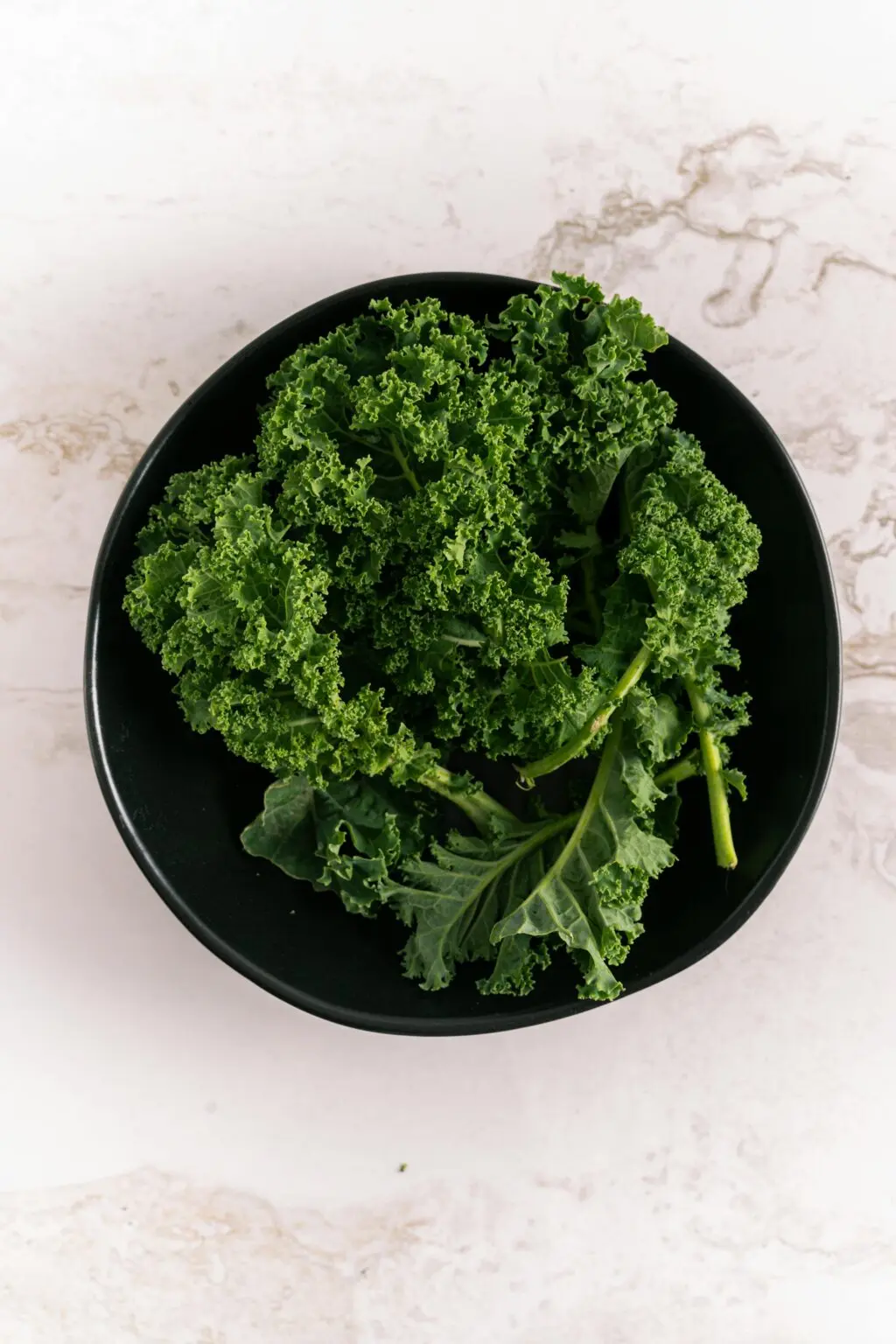
"In addition to broccoli, many other plant foods have high bioavailability," explains Lea-Martine Lotz. "Dark green leafy vegetables are particularly rich in calcium and have high bioavailability." In kale, it is about 49 percent, and in bok choy, it is 50 percent. Spinach, tofu, almonds, chia seeds, poppy seeds, sesame, dried figs, and chickpeas are also small calcium boosters.
"These foods not only come with a lot of calcium but also with many other important nutrients that can improve overall health and, especially due to the density of antioxidants and omega-3 fatty acids, have anti-inflammatory properties." An optimal addition is some spring or mineral water, which also contains calcium.