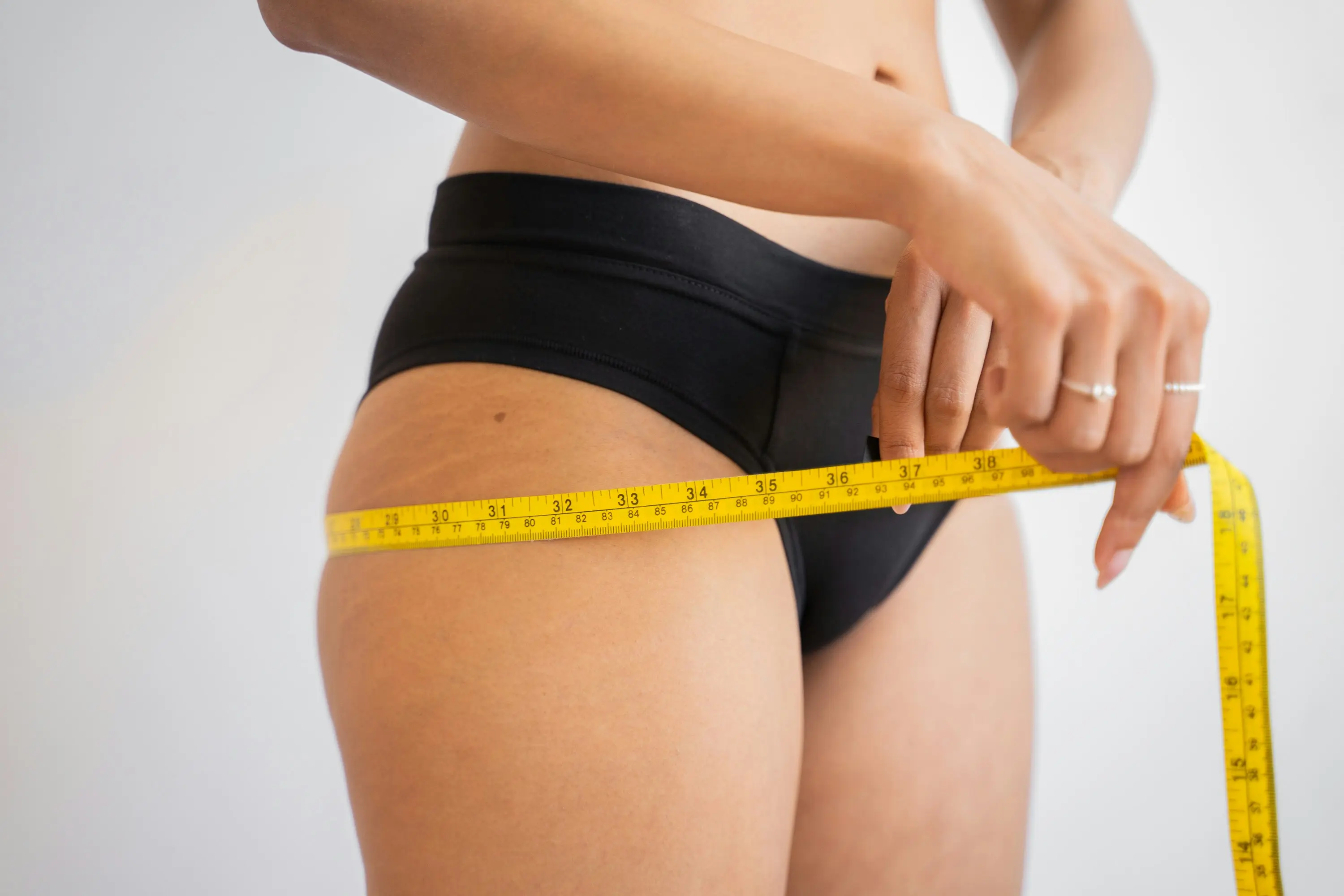
Most people notice it with their favorite pants, which suddenly pinch more than they fit - little cushions appear in places that were long slim and firm. In addition, the skin becomes loose and has lost its elasticity. The question that then arises for many women – and increasingly for men as well – is: How can a firm, more youthful silhouette be regained? Besides a healthy diet and a suitable sports program, aesthetic-surgical procedures offer effective ways to give the body tone and contour again.
In 2020, every twelfth aesthetic treatment was a liposuction - the most popular and effective procedure for permanently removing unwanted fat deposits. However, it doesn't always have to be invasive: Even minimally invasive treatments help on the way to the desired figure.
The method you ultimately choose always depends on the individual starting point and the desired result. One thing applies to all procedures: A clarifying consultation with a specialist is essential – as every treatment carries risks that must be carefully examined.
Non-invasive & minimally invasive methods for fat removal
Cryolipolysis: Remove fat deposits with cold
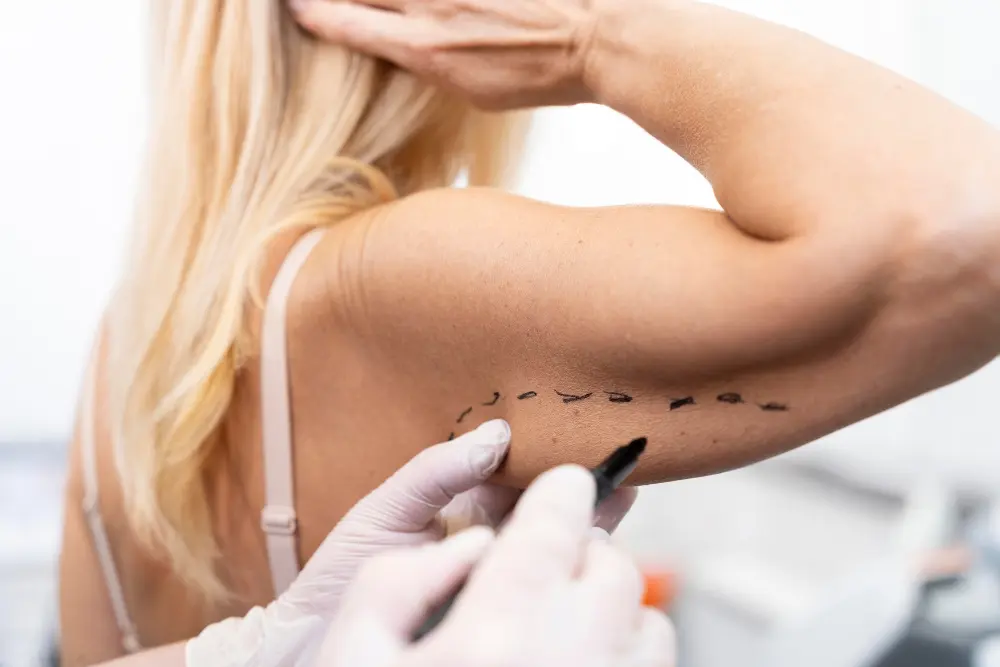
If fat cells dislike one thing, it's cold. This is exactly where the procedure of Cryolipolysis developed by scientists from Harvard Medical School in Boston. The method is based on the finding that fat cells are more sensitive to cold than other cell types.
With precisely fitting cold-vacuum applicators, the areas of the body to be treated are cooled down to a temperature around freezing point for up to 60 minutes. The fat cells die off while the skin and connective tissue withstand the cold unscathed. The dead cells are transported away via liver function over the next six to twelve weeks - however, first results are already visible after the first application.
Suitable for: Small, superficial fat deposits on the abdomen, waist, back, and upper arms. Not suitable for weight reduction or larger fat deposits. Sessions: 1–3, depending on body region and initial situation | Downtime:none Cost: from approximately €500 per session
Laser lipolysis: Treat stubborn fat deposits with the fat-away laser
Fat cells not only react sensitively to cold but also to heat. The laser lipolysis – also known as the fat-away laser – uses exactly this effect. The laser works with a wavelength that is precisely adjusted to the structure of fat tissue: The focused light heats the fat cells to up to 47 degrees and destroys them without damaging the surrounding tissue. Another advantage: The heating stimulates collagen and elastin production, thereby additionally tightening the skin.
Suitable for: Larger fat deposits on the abdomen, back, as well as inner and outer thighs. Almost comparable to liposuction in terms of results. Sessions: Often one session is enough; for complete fat removal, four treatments at intervals of up to two weeks are recommended | Downtime: none Cost: from about €750 per session
ThermiTight: Tighten tissue with radiofrequency
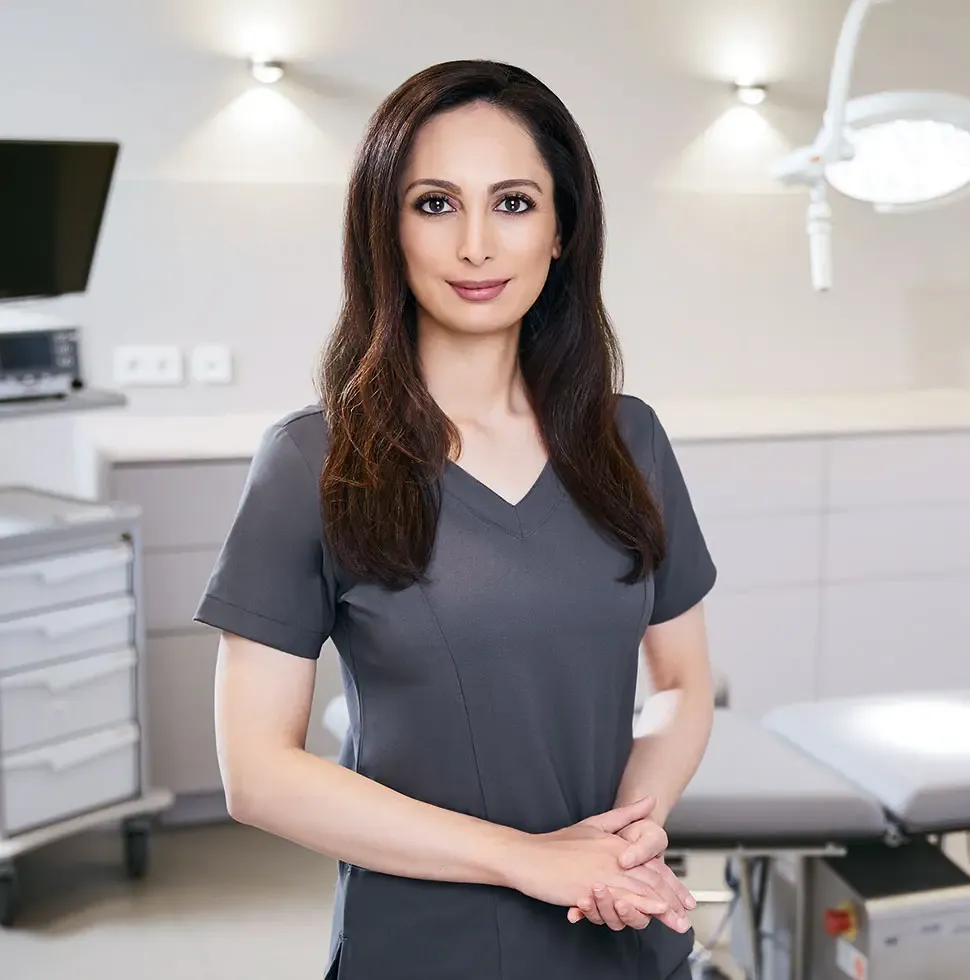
"A very effective method to tighten tissue and improve skin quality is the minimally invasive radiofrequency procedure ThermiTight – for both women and men," explains Dr. Neda Nabavi, specialist in plastic and aesthetic surgery from Hamburg.
A micro-probe delivers controlled radiofrequency energy and heat to the subcutaneous tissue and deeper layers. Depending on the treatment goal, temperatures are adjusted to tighten the skin, reduce small fat deposits, and promote new collagen formation. The treatment is completely painless due to local anesthesia at the beginning.
"With ThermiTight, thighs, upper arms, and the abdomen can be sustainably tightened. Even smaller fat pads – like bothersome bra fat on the back – can be reduced," says Dr. Nabavi.
Sessions: 1 | Results visible after: approximately 4 months Costs: approximately 2,000 € per session
BTL Exilis Elite: Reduce fat deposits without surgery
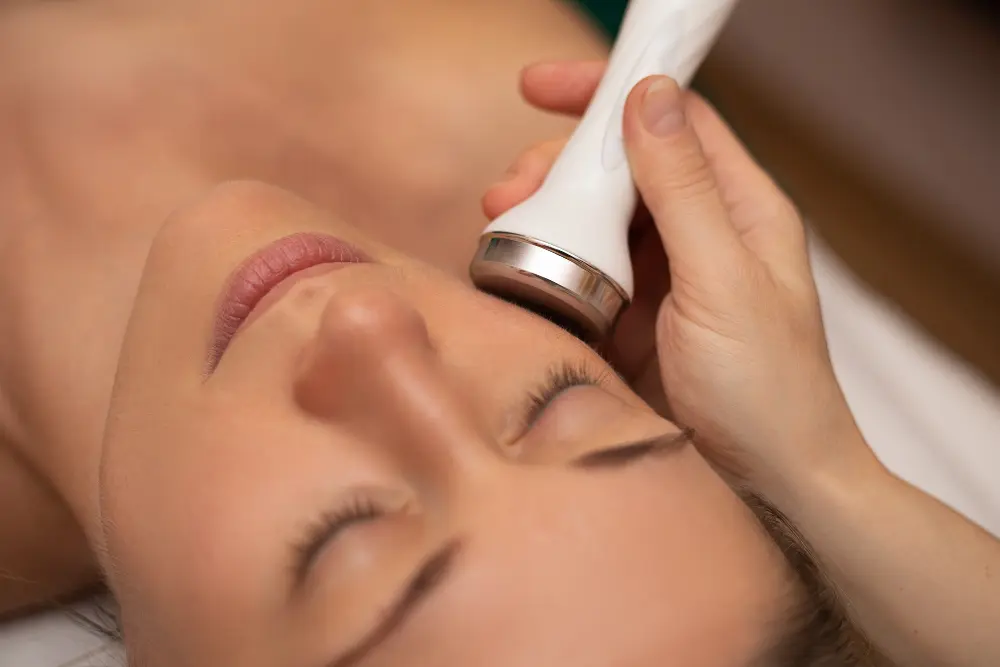
The combination treatment reduces without any surgical intervention BTL Exilis Elite stubborn fat deposits and tightens the skin. This is made possible by the combination of high-frequency energy and ultrasound waves, which penetrate previously treatment-resistant tissue and reach deeper fat layers.
The treatment head is moved over the skin in circular motions and heats the tissue up to 43 degrees. This heating process leads to the cell death of fat cells (apoptosis), activates the cell metabolism, stimulates collagen formation, and tightens the connective tissue. Dr. Michaela Montanari, specialist in plastic and aesthetic surgery from Bochum: "The treatment is completely painless and requires no anesthesia - thanks to the integrated cooling, the application is barely noticeable despite the high penetration depth."
Sessions: 4–6 spaced 7–14 days apart | Results visible after: up to 6 months | Downtime: none Cost:300–450 € depending on body area (abdomen, buttocks, thighs)
Fat-away injection: dissolve fat deposits in 15 minutes
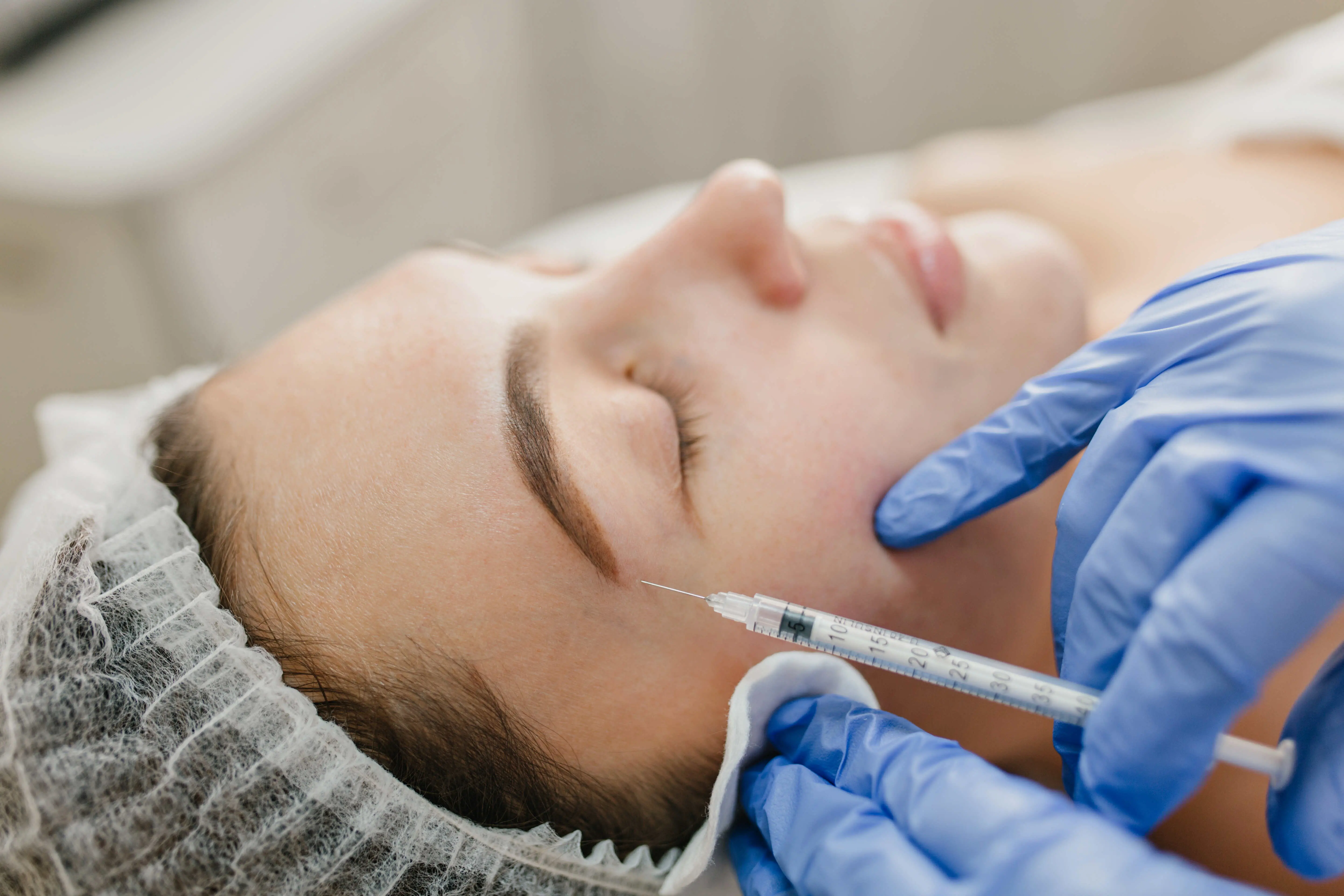
With the so-called fat-away injection stubborn fat deposits are dissolved from the inside. A bile acid is used, which softens the membrane of the fat cells and dissolves the fat. With the help of a long, blunt cannula, the acid is injected into the fat deposits - the treatment takes a maximum of 15 minutes and is almost painless.
"The effective prick is mainly used on the fat deposits between the armpit and chest, the back, the hips, and the lower abdomen, but fat accumulations in the area of the male breast can also be successfully treated," explains Dr. Montanari. Dr. Bita Tafrishi, a doctor specializing in minimally invasive treatments at Skinmed in Lenzburg, recommends: "For the best possible result, exercise should be done during the treatment so that the fat can be broken down faster."
Suitable for: Smaller fat accumulations | Sessions: 2–3 at intervals of 4–6 weeks Downtime: minimal (temporary redness/swelling possible) Cost: 150–400 € per injection
Surgical methods for permanent body contouring
Liposuction: The most effective method against saddlebags & stubborn fat deposits
The Liposuction, medically known as liposuction, is the most effective method against saddlebags, fat deposits on the inner thighs, or annoying fat depots above the kneecap. Because hormonally or constitutionally persistent fatty tissue usually does not disappear through exercise or diet.
“With traditional liposuction, not only can fat tissue be permanently removed, but the silhouette can also be reshaped – however, only in patients whose tissue is still quite firm," explains Dr. Tatjana Lanaras, a specialist in plastic surgery at Skinmed in Lenzburg.
During liposuction, a mixture of saline solution and local anesthetic is first pumped into the respective body areas through several small incisions. The fat cells dissolve during the exposure time and can then be suctioned off. Cannulas with asymmetrically arranged holes are used to ensure an even result without dimples.
Procedure: Outpatient or inpatient upon request, under twilight anesthesia or local anesthesia Downtime: Fit for everyday life after 3 days; no sports or sauna for 1 month Compression garment: 4–6 weeks mandatory | Final result: after 3–6 months Cost: from €3,500 (legs)
Cellfina: The powerful treatment against cellulite
Those who want to permanently counteract the unwanted cellulite should opt for the Cellfina method decide. “With this treatment, the cause of cellulite is addressed directly at the source – the connective tissue strands, the so-called fibrous septa, which anchor the skin in depth and cause the typical dimples on the buttocks and thighs," explains Dr. Nabavi. These septa are severed with fine needles under local anesthesia, relaxing and smoothing the skin.
Cellfina is the only approved treatment technique against cellulite whose effectiveness has been recognized in clinical tests. It improves skin elasticity in just one session – and the result usually lasts up to two years.
Duration: approx. 60 minutes | Result visible: from 3 days | Downtime: low Costs: from approx. €3,000
Tummy tuck (abdominoplasty): For sagging abdominal tissue
Sagging abdominal tissue, which in extreme cases hangs down as an "apron of fat," often occurs after pregnancies, due to severe weight fluctuations, or with age. The abdominoplasty – that is, the tummy tuck – removes and tightens sagging, excess tissue, shapes the belly button individually, and pulls the abdominal muscles together if necessary.
"The incision is always horizontal in the area of the pubic hairline and, if necessary, curved up to the hip bones – this makes it possible to discreetly hide later scars in underwear or a bikini," explains Dr. Lanaras.
Procedure: Inpatient under general anesthesia, lasting up to 4 hours Hospital stay: 1–2 days recommended | Socially acceptable: after about 2 weeks Downtime: 6 weeks no sports/physical exertion Cost: €5,000–10,000 (including pre/post-treatment, hospital stay, compression garments)
Conclusion: Which fat removal method is right?
The choice of the right method always depends on the individual starting situation, the desired result, and one's own risk tolerance. Those who wish to treat smaller problem areas without surgery will find cryolipolysis, laser lipolysis, or the fat-away injection to be effective alternatives.
For stubborn, larger fat deposits, liposuction remains the most effective procedure. The informative consultation with a qualified specialist in plastic and aesthetic surgery is the first and most important step for all procedures.
Frequently Asked Questions about Liposuction & Body Shaping (FAQ)
Is liposuction permanent? Yes – once fat cells are removed, they do not grow back. However, it is essential that body weight remains stable after the procedure. Significant weight fluctuations can affect the outcome.
When are results visible? It depends on the method: Non-invasive procedures like cryolipolysis or BTL Exilis Elite show initial results after a few weeks, with the final outcome after up to six months. After liposuction, healing is fully completed after three to six months.
Which method is the most gentle? The most gentle methods are those without any surgical intervention: BTL Exilis Elite, cryolipolysis, and the fat-away injection have no downtime and require no anesthesia.
What does liposuction cost? Liposuction on the legs starts at about 3,500 euros. Minimally invasive alternatives are significantly cheaper: Cryolipolysis starts at 500 euros per session, the fat-away injection at 150 euros per treatment.
Who is not suitable for liposuction? Liposuction is not a means of weight reduction and is not suitable for patients with severely sagging tissue. In these cases, a tummy tuck (abdominoplasty) may be the more suitable option.