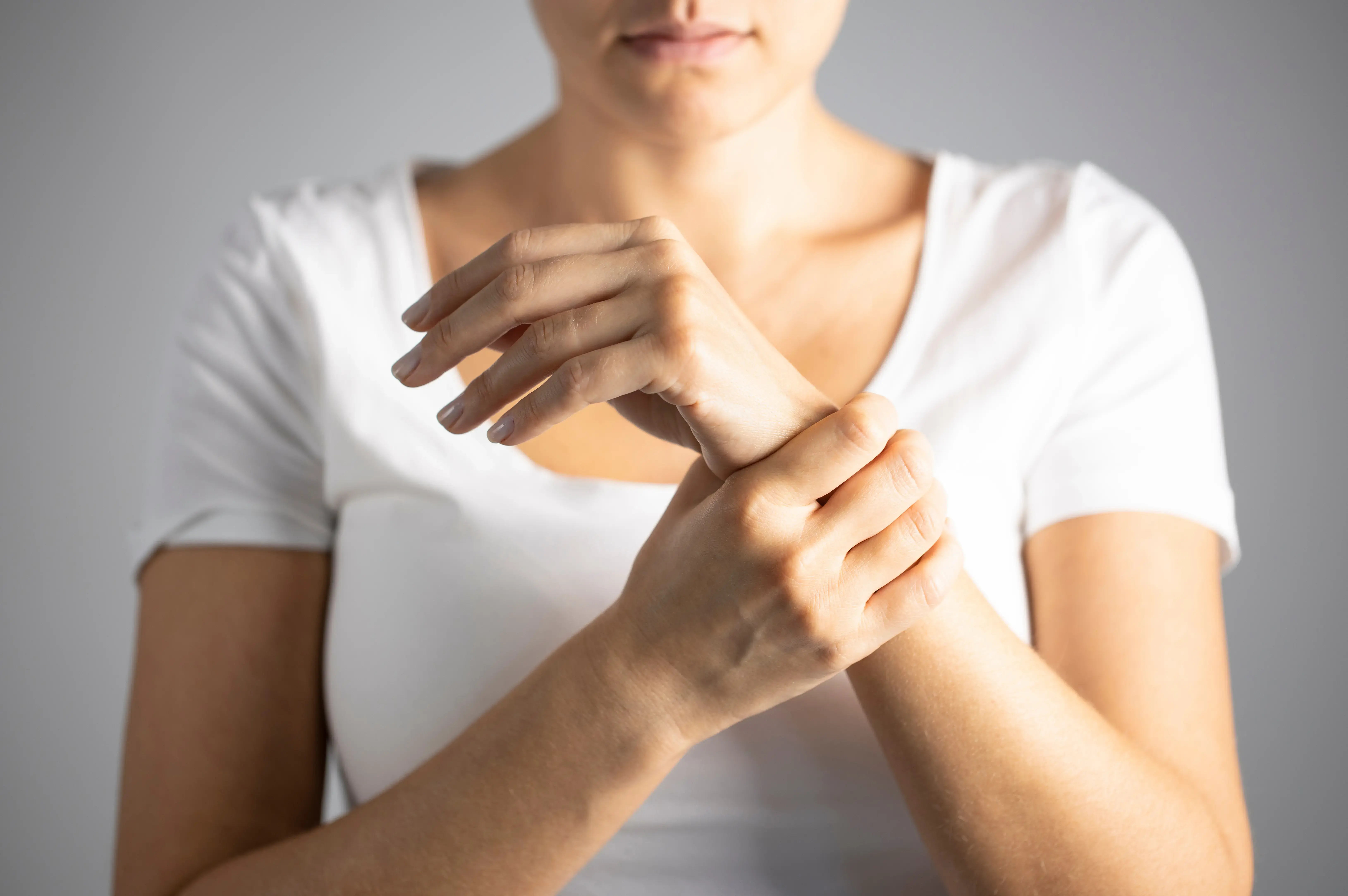
© Goksun Baris
July 19, 2026
Marianne Waldenfels
Walking is one of the healthiest forms of exercise, but small everyday habits can reduce its benefits. Here's why pace, posture, footwear, and smartphone use matter more than you might think.

With
Univ.-Prof. Dr. med. Dominik Pförringer
Walking may seem unremarkable at first glance. No sweaty workout, no complicated exercises, no equipment, and no gym membership required. That is precisely why so many people underestimate a simple walk. Yet regular walking is one of the most thoroughly researched forms of physical activity in existence.
Doctors, neurologists, and movement researchers now know that the way we walk often reveals more about our health than most people might expect. How fast we walk, how stable our gait is, and how our body moves in the process can all provide clues about the condition of the heart, muscles, joints, and even the brain. Even subtle changes can signal declining physical fitness or underlying health problems.
Even small changes can provide clues about declining physical fitness or health problems.
Walking speed is now recognized as an important health marker. At the same time, experts repeatedly observe the same habits that significantly undermine the benefits of walking — among them a pace that is too slow, checking a smartphone, poor posture, and inappropriate footwear.
Perhaps the biggest misconception is that going for a walk "doesn't really do anything." If you don't get out of breath, don't feel any muscle soreness, or don't come home drenched in sweat, it's easy to feel like you haven't done any real exercise. But that is exactly the wrong way to think about it.
Regular walking engages the cardiovascular system, metabolism, muscles, and sense of balance all at once. Because the intensity is moderate, this form of exercise fits naturally into everyday life and can be sustained as part of a daily routine over the long term. That is precisely what makes it so valuable: not individual bursts of peak performance, but consistent, regular movement is what shapes many health outcomes over time.
For a long time, the benchmark of 10,000 steps per day was considered the gold standard. More recent large studies and meta-analyses paint a more nuanced picture. Even approximately are associated with a lower risk of cardiovascular disease, , and lower all-cause mortality. People who exercise regularly appear to benefit more than those who only train intensively on occasion.

Walking is one of the healthiest forms of exercise, but small everyday habits can reduce its benefits. Here's why pace, posture, footwear, and smartphone use matter more than you might think.
Marianne Waldenfels

With
Univ.-Prof. Dr. med. Dominik Pförringer

Muscle building, fat burning, stronger bones – the vibration plate promises it all. Physiotherapist Nils Stützer breaks down what's scientifically proven, where the research falls short, and who actually benefits from this type of training
Christine Bürg & Marianne Waldenfels

With
Nils Stützer

Lasers, retinol, biostimulators: which anti-aging methods actually work? Dermatologist Dr. Susanne Steinkraus breaks down which procedures are backed by science and what it really takes to maintain healthy skin.
Christine Bürg & Marianne Waldenfels

An interview with
Dr. med. Susanne Steinkraus
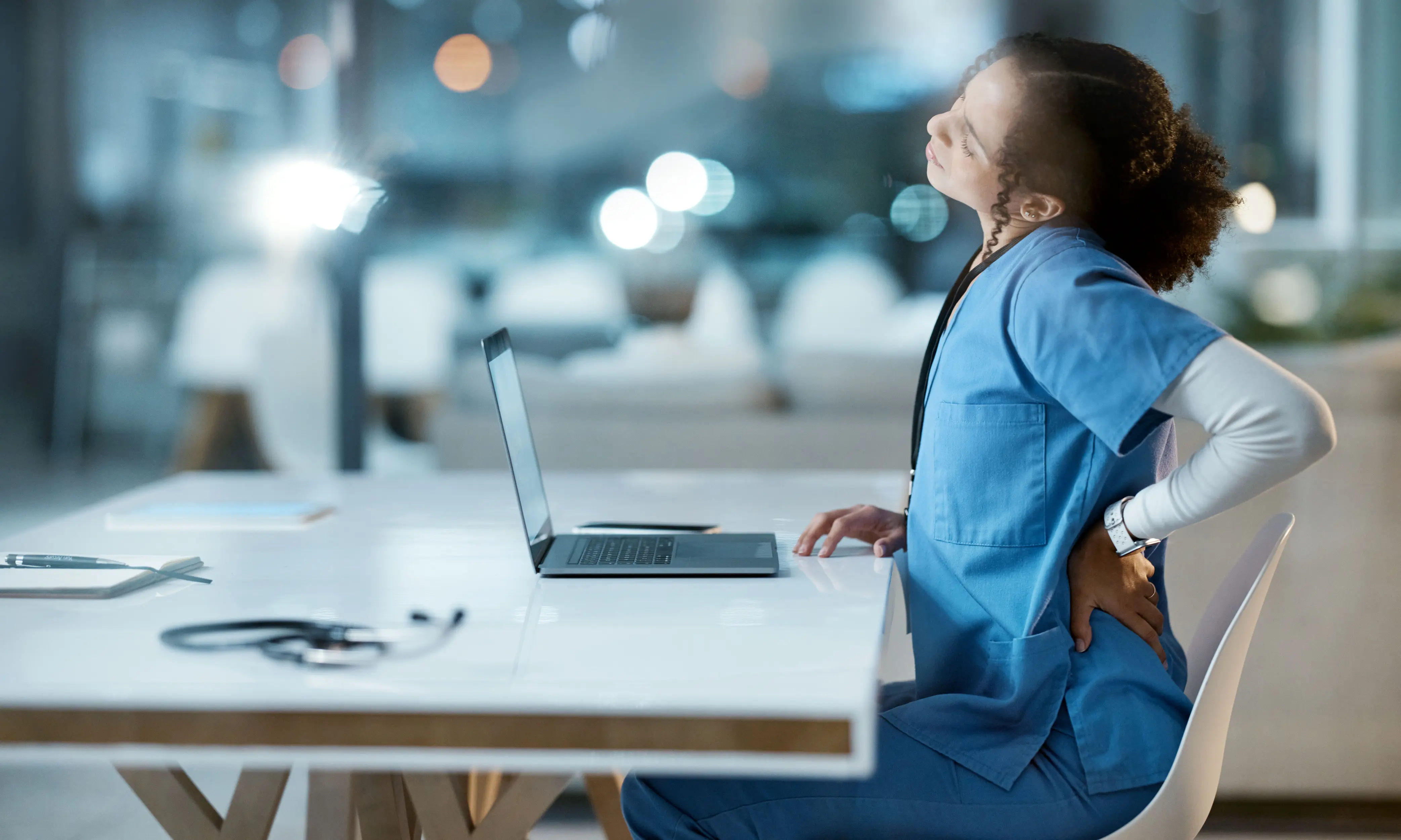
This is especially important for people with sedentary jobs. Hours of sitting slows the metabolism and circulation, muscles are less activated, and mobility often deteriorates. Even daily walks can help counteract these effects.
Of course, not every walk needs to be completed at a competitive pace. Nevertheless, walking speed appears to play a greater medical role than many people realize.
Researchers have observed for years that a slowing gait is often associated with declining physical capacity.
Brisk walking requires a complex interplay of muscles, joints, balance, nerves, and the brain. When steps become shorter or the pace noticeably slower, it can be a sign that these systems are no longer working together as they should.
Particularly striking is the connection between walking and the brain. Several studies show that changes in walking speed can be associated with an increased risk of cognitive decline or dementia. This is why some researchers now describe gait pattern as a "window into health."
But even setting that aside, pace directly influences the training effect. Those who merely stroll place far less demand on the heart and circulatory system than they would during a brisk walk. The heart rate barely rises, muscles work less intensively, and metabolism is less activated.
The ideal pace is one at which you are already breathing noticeably faster. Often just a modest increase in speed is enough to challenge the body significantly more, without making the walk feel strenuous.
Hardly anyone leaves home without a smartphone these days. Reading messages, choosing music, answering emails, scrolling through social media — much of this now happens quite naturally during a walk.
This habit, however, comes with several drawbacks. Scientific studies show that looking at a smartphone automatically changes posture. The head drops forward, placing greater strain on the cervical spine, and the shoulders cave inward. Orthopedic specialists often refer to this as "text neck", a condition that can foster neck and shoulder complaints over time.
"Even when moving, a screen is harmful — whoever looks down walks without concentration and in an unphysiological way. Put your phone away when you exercise. In any case: every hour without a screen is a very good hour," explains orthopedic surgeon and trauma specialist Prof. Dr. Dominik Pförringer.
But it is not only the musculoskeletal system that suffers. Walks are also beneficial because they can help reduce stress and clear the mind. Those who are constantly reading messages or answering emails throughout their walk remain in the same state of alertness as they would be in the office, and much of the positive effect on mental recovery is lost as a result.
There is also a very practical concern: distraction. Those who are constantly looking at their screen often fail to notice curbs, uneven surfaces, or obstacles until it is too late. This raises the risk of missteps and falls, particularly in older people.
Many people walk with their upper body slightly leaning forward, shoulders drooping, and gaze cast downward — often without even noticing. Prolonged sitting at a desk or in a car, in particular, can permanently alter posture, and the body frequently carries these habits into walking as well.
The problem is that poor posture affects the entire movement sequence. When body weight shifts forward, the knees, hips, and back must absorb additional load. At the same time, muscles work less efficiently and the gait loses stability.
Balance and gait stability are among the most important factors when it comes to avoiding falls and staying mobile for as long as possible. Even small changes in posture can influence how safely a person moves.
Physical therapists therefore recommend a few simple ground rules:
What matters is a natural, upright posture that allows the body to move as freely as possible. Many people find that after just a short time, not only does walking feel more comfortable, but neck and back pain also begins to ease.
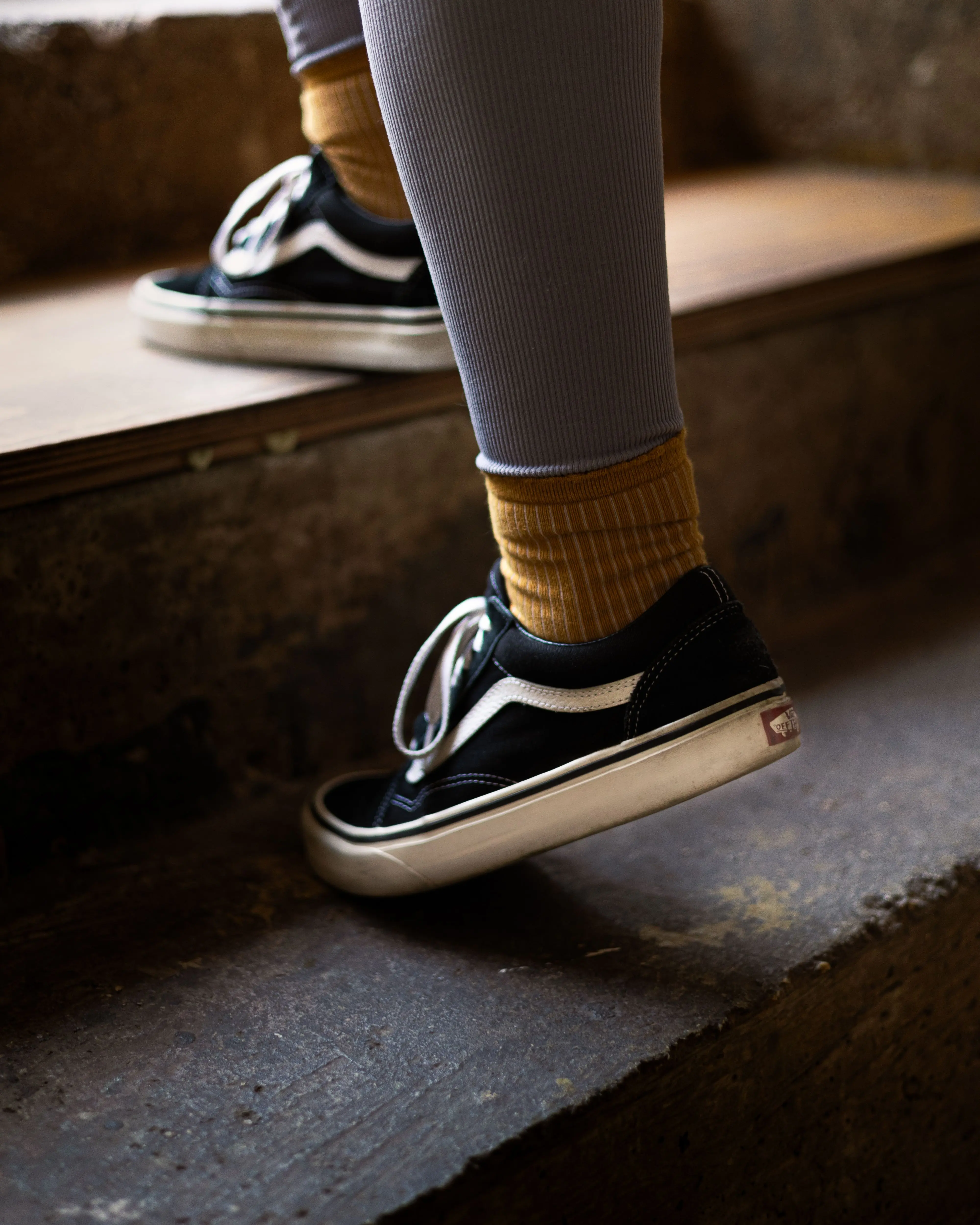
Footwear also influences gait more than most people realize. Shoes affect how the foot lands, rolls through each stride, and stabilizes the body. When they do not fit properly, the effects can ripple through the entire musculoskeletal system.
Shoes that are too tight put excess pressure on the toes and forefoot, while models that are too large fail to provide stable support for the foot. Both can alter the natural gait pattern. This is why orthopedic specialists and sports medicine physicians, when dealing with complaints in the feet, knees, or back, often take a close look at the footwear their patients are wearing.
The extent to which heavily cushioned shoes affect movement patterns over the long term continues to be debated in the scientific community. Some studies suggest that very soft soles can alter natural foot mechanics, but clear recommendations cannot yet be drawn from this.
Prof. Dominik Pförringer puts it plainly: "There are two things no one should skimp on: footwear and mattresses. These two influence our orthopedic health throughout our lives and are therefore essentially responsible for how the back and feet fare in the long run."
For the orthopedic specialist, it is precisely this regularity that makes the difference:
"Athletic training is not a sprint, but a marathon. It's not the half hour a day that makes the difference, but the daily commitment and the consistency of training.
Those who sit for ten hours and lie down for eight should make the remaining six hours as active as possible. It starts with taking the stairs instead of the elevator, carrying your own groceries, or walking short distances on foot. It's not the gym that trains a person — everyday life does."
Current research confirms exactly this. Health is built not through individual peak performances, but above all through regular movement. Those who walk more often, pay attention to pace, posture, and appropriate footwear, and keep their smartphone in their pocket can do a great deal for their heart, brain, and mobility with very little effort.