© Anna Shvets
November 7, 2026
Marianne Waldenfels
Two mandarins a day for eight weeks: In a Japanese study, young adults reported feeling less down and more energetic. Remarkably, the researchers had originally set out to investigate an entirely different effect.
Mandarins are as much a part of winter as gingerbread and candlelight. They provide vitamin C, taste great, and are effortless to peel. What is barely known, however, is that they might also influence mood. A small study from Japan now offers an initial hint – and in the process calls the researchers' original assumption into question.
The study comes from a team led by pharmacist Kensuke Nakajima of Nagasaki International University and was published in the journal Preventive Nutrition and Food Science. Its focus was not vitamin C, but a protein important for the brain's adaptability.
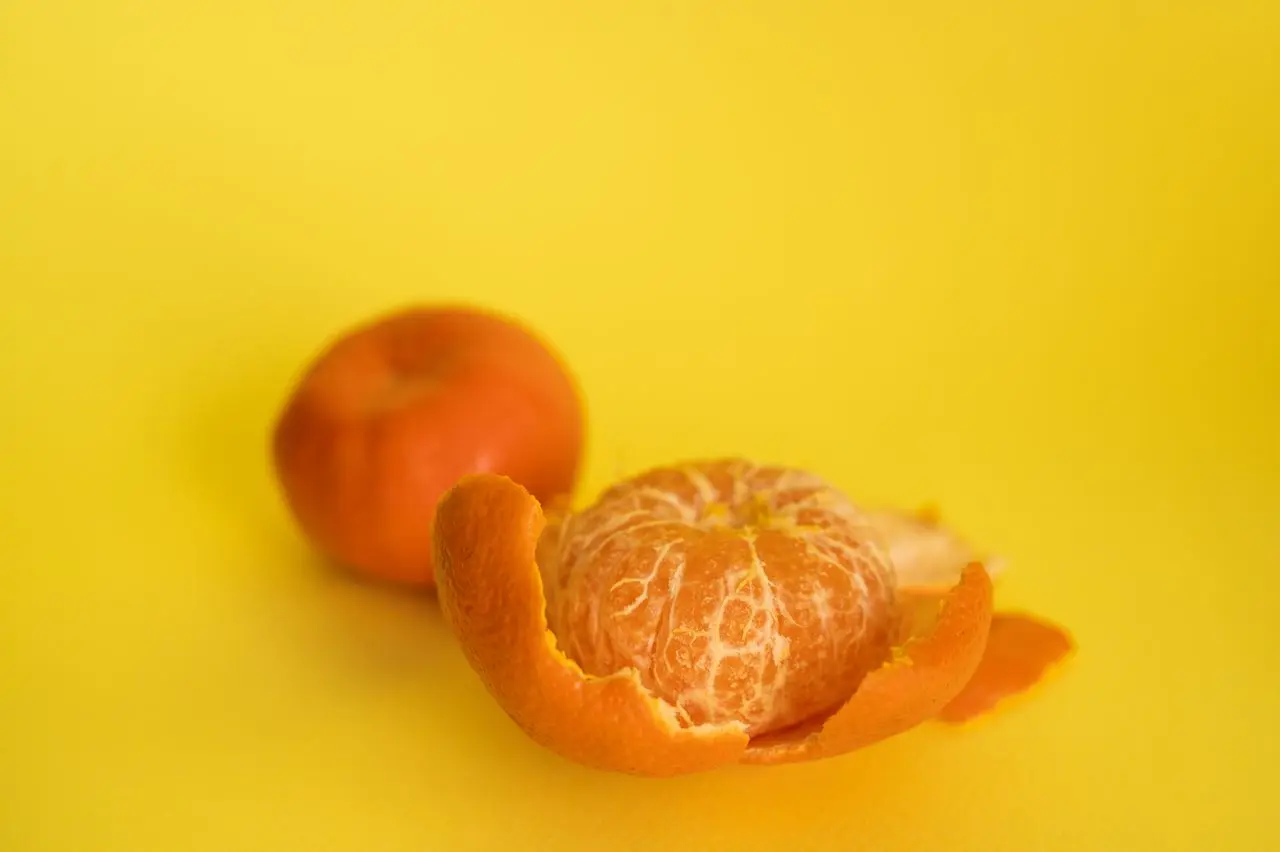
For the study, the researchers randomly divided 26 healthy young adults into two groups. One group ate two satsumas every day for eight weeks – a mild, seedless mandarin variety that is especially popular in Japan. The other group avoided citrus fruits entirely during that time.
The study ran from November to January, the months when many people feel less energetic. After eight weeks, the mandarin eaters reported feeling less low than those in the comparison group, and they also described having more drive. For anxiety or fatigue, however, the fruit made no difference.
The scientists were originally interested in a growth factor called BDNF (Brain-Derived Neurotrophic Factor). This protein supports the survival and growth of nerve cells and plays an important role in learning and memory.
BDNF is also being investigated in depression research. A meta-analysis found lower BDNF levels in the blood of people with untreated depression than in healthy individuals. That said, this value alone cannot reliably indicate a person's mood or brain function.
Nakajima has spent years searching for foods that boost BDNF production. In laboratory experiments on human cells, this was achieved, among other things, with extracts from citrus peels, including satsuma peel. The new study was intended to show whether the same effect occurs in humans.
The blood tests, however, did not deliver the expected result. While BDNF levels fell in the group that avoided citrus fruits, they rose in the mandarin eaters during the second half of the study. In direct comparison, though, the difference was too small to be considered conclusive.
The improvement in mood therefore cannot be explained by BDNF. What is actually responsible – whether other ingredients, the season, or simply chance – remains unclear.
In addition to vitamin C, mandarins contain numerous secondary plant compounds, including the flavonoids hesperidin and nobiletin. These are being researched for a range of potential effects, including possible influences on inflammation and metabolism.
Nobiletin in particular is of interest to neuroscience. In the laboratory experiments carried out by the Japanese research group, the compound apparently contributed to increased BDNF production. The catch: nobiletin is found mainly in the peel, with significantly smaller amounts in the flesh. The participants ate their mandarins peeled, so how much nobiletin they actually consumed remains unclear.
Other ingredients could also play a role. The researchers did not measure this, nor did they identify any specific plant compound as the cause.
The satsuma (Citrus unshiu) is the quintessential mandarin in Japan. They are also available in German supermarkets in winter, usually explicitly labelled as "satsuma," and are recognisable by their thin, loosely fitting peel.
What is sold here as a mandarin is often actually a clementine. Clementines are a cross between a mandarin and a sweet orange. Both fruits contain similar plant compounds, but in different compositions and quantities. Whether clementines have the same effect on mood has not yet been investigated.
Promising as it sounds, the study is small. Only 26 young, healthy adults took part. There is also the fact that anyone who knows they are eating fruit every day may already feel better for that reason alone – there is no such thing as a placebo mandarin. Whether mandarins help people with genuine depressive symptoms or prevent seasonal depression is therefore a question the study cannot answer.
Yes. Even if the study does not yet prove that mandarins lift mood, there is every reason in winter to eat two pieces of fruit a day. Two mandarins together contain only around 80 calories and already cover a good portion of the daily vitamin C requirement. They also provide dietary fibre and flavonoids, making them one of the simplest snacks for the darker months.
You will get the most benefit by not pulling off the white threads and inner white skin, since a large portion of the hesperidin is found there. Anyone wanting to access the plant compounds in the peel should buy untreated organic mandarins and grate the zest over muesli, yoghurt, or salad. Be sure to choose satsumas specifically, as that is the exact variety used in the study.
Mandarins are not a substitute for treatment. Anyone who has been feeling low for weeks should seek medical advice.

A cold that isn't given enough time to heal can have serious consequences – even for young, athletic people. Cardiologist Prof. Dr. Uwe Nixdorff explains the warning signs of myocarditis, why exercising during an infection can be dangerous, and when it's safe to return to sports.
Christine Bürg & Marianne Waldenfels

An interview with
Prof. Dr. Uwe Nixdorff

A Hamburg orthopedic surgeon harvests tiny cartilage samples from the ear and injects them into arthritic knees. In this interview, Dr. Hans Olaf Baack explains who may benefit, what early studies show and why he avoids making promises
Christine Bürg & Marianne Waldenfels
An interview with
Dr. med. Hans Olaf Baack