© Alexander Krivitskiy
November 9, 2026
Judith Cyriax
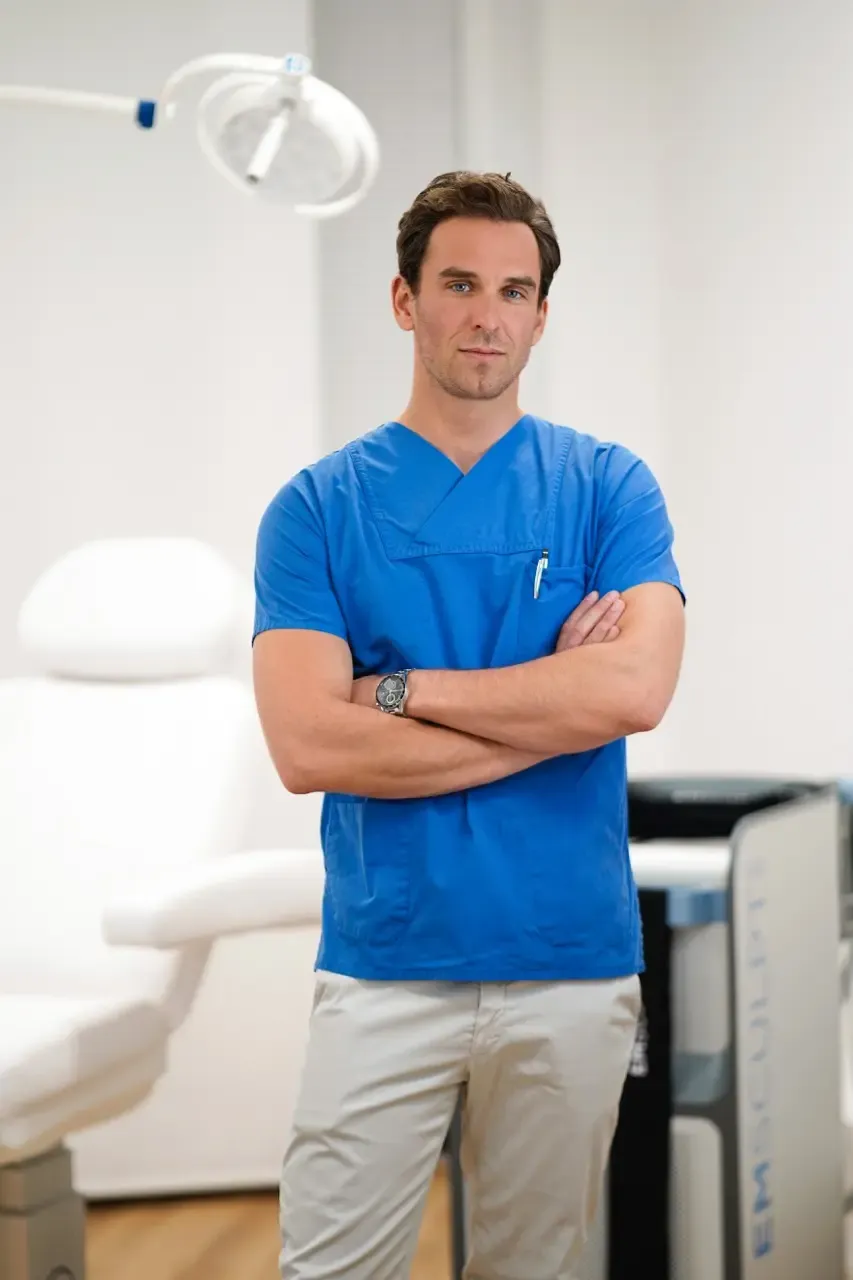
The small button nose was long the ideal. For rhinoplasty surgeon Dr. Christian Jacobi, what matters today is a nose that suits the face and keeps its function. He explains how social media shapes what patients want and why nose fillers are riskier than many think.

An interview with
Dr. med. Christian Jacobi
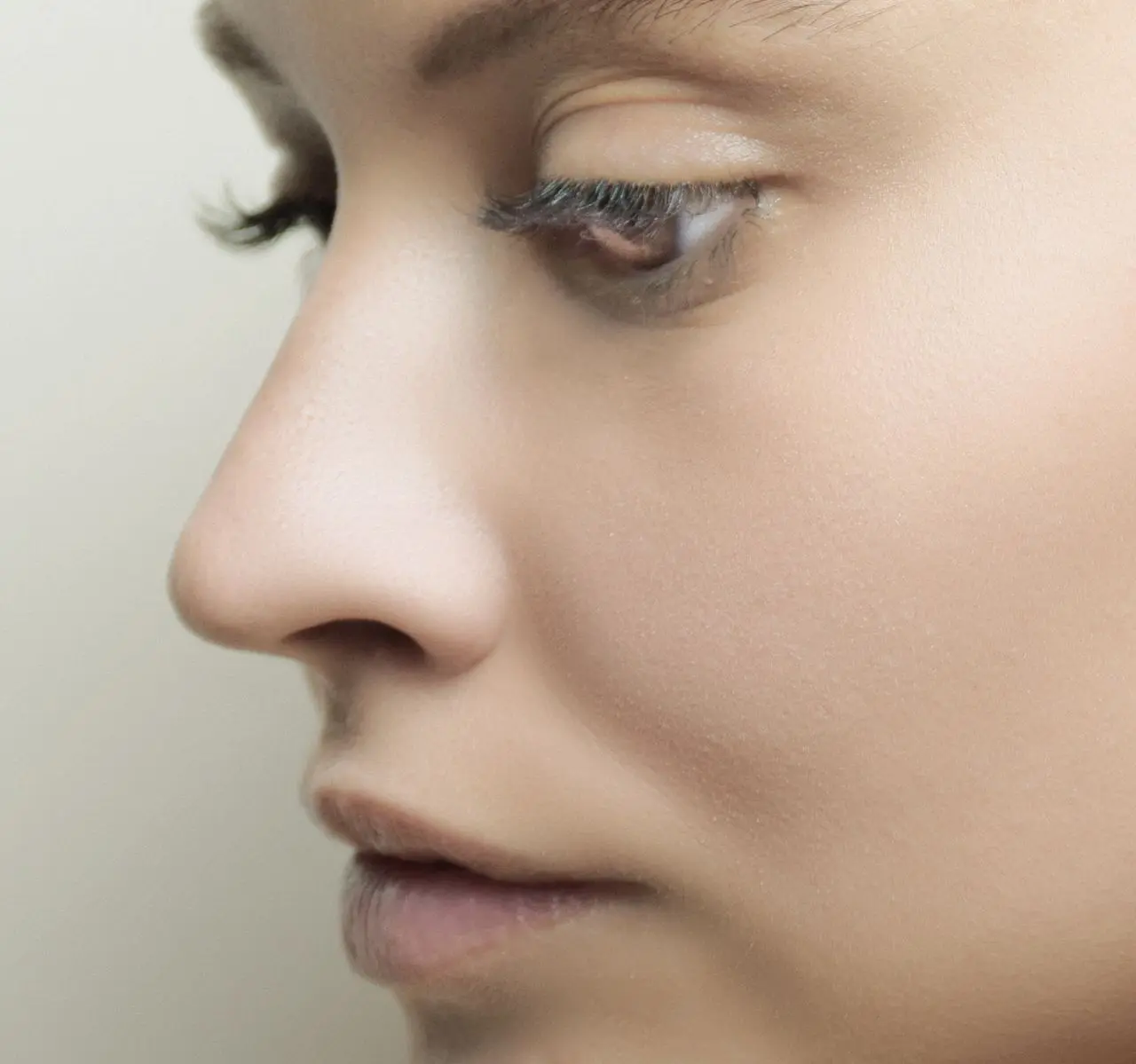
Few things define a face as much as the nose. Sitting at the center of the face, it shapes the profile and influences overall proportions — meaning even small changes can have a significant impact. For a long time, certain shapes were considered desirable: the small button nose, the narrow bridge, the delicate tip. In aesthetic nasal surgery, the focus has since shifted toward achieving harmony with each individual face.
At the same time, Instagram and TikTok showcase new nose ideals every day, often filtered and heavily edited. What do patients want today? Where does anatomy draw the line? And what can modern surgical techniques actually achieve? We spoke with Dr. Christian Jacobi about these questions. He specializes in functional and aesthetic rhinoplasty as well as plastic facial surgery, and performs surgery or injections on more than 100 noses every year.
Dr. Jacobi, what do patients typically want when they come to your practice?
The requests vary widely. Common concerns include a prominent nasal hump, a drooping tip, or a nose that feels too large or dominant in relation to the rest of the face. Deviations, asymmetries, and a wide nasal tip also come up frequently. In my experience, most patients aren't looking for a dramatic transformation — they simply want something that has bothered them for a long time to become less noticeable.
For a long time, particularly small, narrow noses with a delicate tip were considered the beauty ideal. Is this look still current, or has it become outdated?
That trend seems increasingly outdated — at least, it no longer reflects my understanding of modern nasal surgery. The nose shouldn't be viewed in isolation and shaped to match an ideal; it should suit the face. And crucially, it must retain its function. The small noses of the past were sometimes not only unnatural-looking, but also caused functional problems. I therefore see little value in removing as much of a nose's original structure as possible simply to conform to a beauty ideal.
What, in your view, makes a rhinoplasty truly successful?
The individual result is clearly my top priority. I often tell my patients: a beautiful nose doesn't need to be beautiful in isolation — it needs to suit the face as a whole. Social media certainly promotes certain trends and nose shapes that are suddenly seen as particularly attractive. That can serve as a useful starting point, but it should never become a surgical template.
You've already mentioned social media — what influence does it have on rhinoplasty?
It's a double-edged sword. On one hand, patients today can get a very clear picture of surgical options, risks, and recovery. Genuine patient examples in particular help build a realistic understanding of what nasal surgery can achieve. On the other hand, this exposure creates considerable pressure to conform to a specific ideal.
Why? Filters, heavily edited images, and impressive before-and-after results can give the impression that virtually any nasal shape is achievable without difficulty. In reality, however, anatomical conditions vary enormously. Skin thickness, cartilage structure, bone shape, and nasal stability all impose limits that even modern surgical techniques cannot simply overcome.
Which surgical techniques do you think have had the greatest impact on nasal surgery in recent years?
One important development is what is known as preservation rhinoplasty — a nasal-dorsum-preserving approach. In traditional procedures, the nasal hump is typically removed and the bridge is then reshaped. With the right anatomy, preservation techniques make it possible to largely retain the natural structure of the nasal bridge and correct the hump by modifying deeper-lying structures instead. The awareness of operating as tissue-sparingly as possible has also continued to evolve.
Can these techniques help reduce swelling, bruising, and downtime?
Yes, gentle surgical techniques combined with an individually tailored aftercare plan can positively influence the healing process and help minimize stress on the tissue — and therefore reduce swelling and bruising as well. That said, it's important for patients to understand that while they may look presentable again after a few days or weeks, the nose takes several months to heal completely.
What is your view on so-called liquid rhinoplasty?
Liquid rhinoplasty — reshaping the nose with hyaluronic acid — can be a worthwhile alternative to surgery in carefully selected cases. For example, it can make an underdeveloped area of the nose appear more harmonious through the strategic placement of filler. What matters most to me is ensuring patients are fully informed about the risks. Because of its complex vascular supply, the nose is a demanding area for injections. A vascular complication can lead to circulatory problems and skin necrosis, and in rare cases can even result in blindness.

The small button nose was long the ideal. For rhinoplasty surgeon Dr. Christian Jacobi, what matters today is a nose that suits the face and keeps its function. He explains how social media shapes what patients want and why nose fillers are riskier than many think.
Judith Cyriax

An interview with
Dr. med. Christian Jacobi

An upper eyelid lift is meant to make the eyes look more alert and youthful – but it isn’t always the right solution. Munich-based plastic surgeon Dr. Peter Neumann explains when he advises against surgery, which risks are often underestimated and why hooded eyelids can even impair vision.
Christine Bürg & Marianne Waldenfels

An interview with
Dr. med. Peter Neumann

A cold that isn't given enough time to heal can have serious consequences – even for young, athletic people. Cardiologist Prof. Dr. Uwe Nixdorff explains the warning signs of myocarditis, why exercising during an infection can be dangerous, and when it's safe to return to sports.
Christine Bürg & Marianne Waldenfels

An interview with
Prof. Dr. Uwe Nixdorff