© Anna Shvets
Clear leader in aesthetic procedures: Wrinkle treatment with botulinum toxin
September 15, 2023
Judith Cyriax
Botox, hyaluronic acid, liposuction & hair transplantation: Why cosmetic surgeries are booming and what differences exist between women and men

With
Dr. med. Juliane Bodo
A look at the statistics of the Association of German Aesthetic Plastic Surgeons (VDAPC) suggests: Many Germans are not (any longer) satisfied with their appearance.
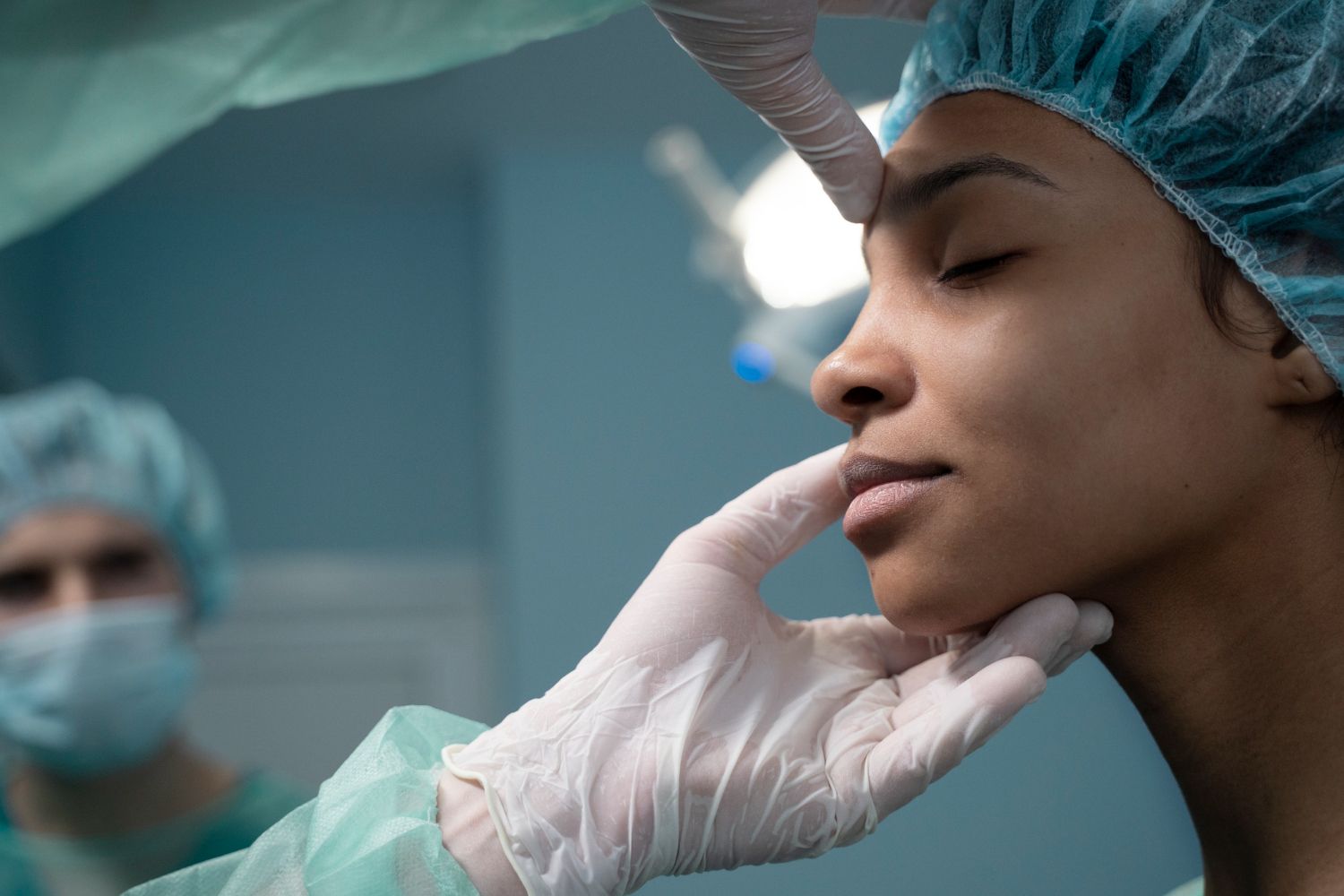
For the year 2022 alone, a 15 percent increase in aesthetic treatments was recorded. In plain terms, this means that nearly 480,000 operations, although not medically necessary, were performed on the face and body. This makes Germany one of the countries with the most aesthetic plastic procedures globally, according to the International Society of Plastic Surgery.
The clear frontrunner is wrinkle injections with botulinum toxin, followed by treatments with hyaluronic acid and fillers, as well as liposuctions. The VDAPC still sees the pandemic years as a trigger. Factors such as home office, video conferences, and increased use of social media—people have been more concerned with their appearance—are cited as the most common reasons for undergoing a procedure.
What the statistics also reveal: The vast majority of patients are female. But men are catching up. By now, almost every sixth patient is male. But what exactly do women and men want from an aesthetic procedure? Are there similarities? Where are the differences?
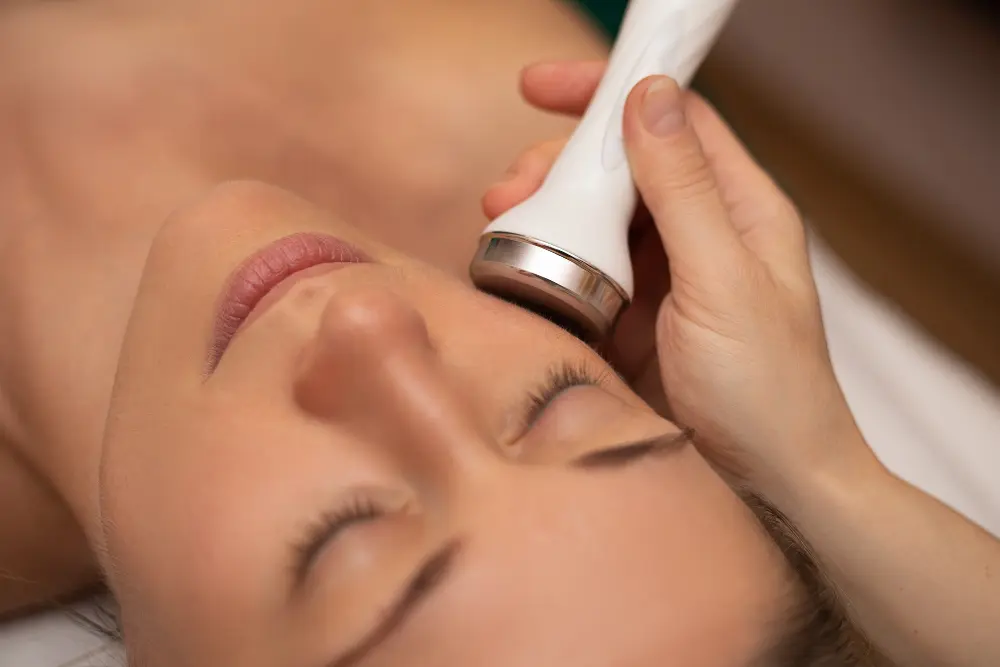
In the past two years, the demand for so-called minimally invasive treatments has risen sharply. Both women and men desire a fresh and alert reflection. “Forehead and frown lines as well as nasolabial folds affect all genders, which is why Botox and filler treatments are the most common non-invasive procedures,” says Dr. Juliane Bodo, specialist in plastic and aesthetic surgery from Berlin.
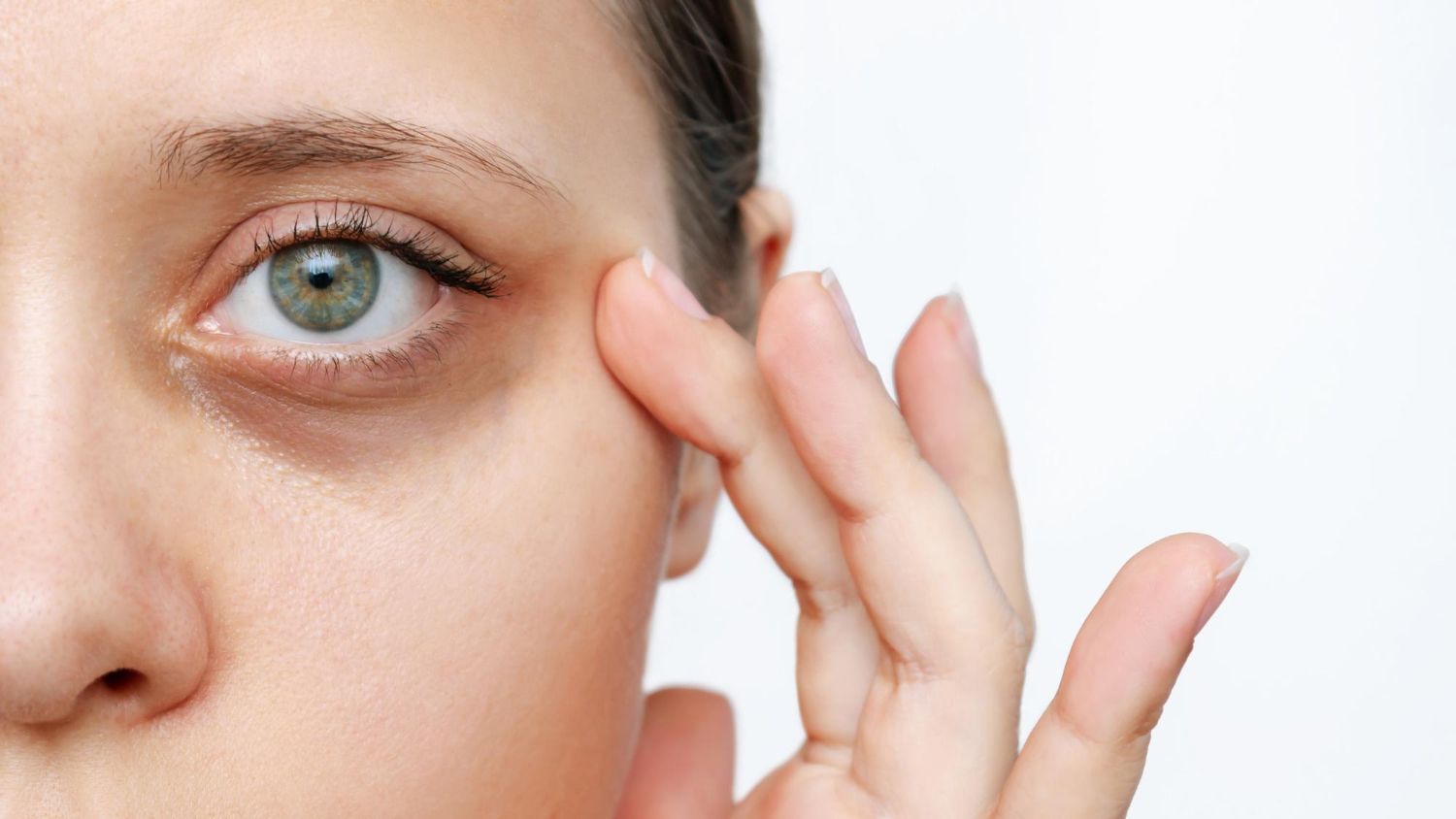
"Even blepharoplasty – the upper eyelid lift – is equally desired by both genders. Over the course of the natural aging process, excess skin and protruding fat tissue on the upper eyelid make faces appear tired," explains the doctor.
Nevertheless, there are some differences in what is intended to be achieved with Botox & Co.: Women wish to regain their youthful and smooth facial features. Men, on the other hand, want to appear not only more attractive but also more dynamic.

In a study by the American journal JAMA Facial Plastic Surgery, 145 participants were each presented with various images of 24 men. Independently, the impact of the faces was to be judged. The result: Men who had previously undergone aesthetic facial procedures appeared more masculine, likable, and trustworthy to the viewers. According to VDÄPC statistics, in addition to classic jawline contouring, combating deep expression lines also plays a crucial role here.
Patients come to Dr. Bodo's practice with exactly these desires: "Men expect these treatments to make them appear more successful in their jobs. Especially in our fast-paced society, a man with a fresh and wrinkle-free face seems more capable than a tired-looking man."
In general, the younger generation is more open to the topic of self-optimization. It is not uncommon for young women and men to bring edited photos of themselves or images of successful influencers, models, or stars to the practices. However, these should serve as inspiration, not as a guideline, for any serious doctor.
Once solely a female domain, now increasingly desired by more men – breast surgery. However, unlike women, the aim is not to enlarge the breast but to reduce and shape it. In the treatment of so-called gynecomastia, a harmless enlargement of the breast gland tissue, a small incision is used to specifically remove a part of the enlarged mammary gland and tighten the tissue. If there is rather an increase in fatty tissue (lipomastia), this can be removed by liposuction.
In women, on the other hand, the demand for breast augmentation with autologous fat is increasing. The reason could be the desire for more naturalness. In the so-called lipofilling, firm tissue is first suctioned from the buttocks, abdomen, or thighs, processed, and then injected into the breast tissue, where it spreads evenly.
The decisive advantage over implants: autologous fat is a body's own material, which is also referred to as a bio-implant. The body will therefore not reject it, as can indeed happen with silicone implants. Incidentally, men are increasingly having their calves padded and shaped with the transplantation of autologous fat.
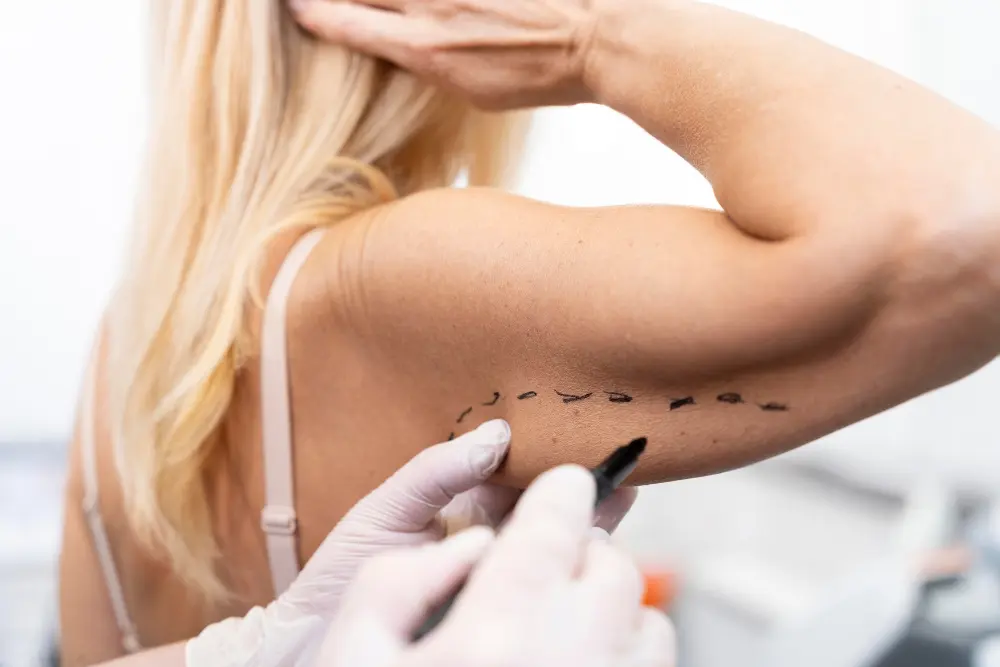
And last but not least, thanks to the necessary liposuction, unwanted and stubborn fat pads are also reduced. In general, the demand for liposuctions is increasing, especially among men. 'While women try to dissolve their fat deposits with minimally invasive methods such as the fat-dissolving injection or cryolipolysis, men usually strive for permanent solutions,' explains the specialist.
This also makes sense because special technologies can be used for liposuction in men due to the larger muscle mass and different fat distribution: The so-called 'VASER Hi Def 4D' liposuction works particularly efficiently here: Using ultrasound energy, disturbing fat tissue is dissolved and suctioned off without significant tissue injuries.
Another special feature: This method is performed circularly, meaning it works very finely on the body contour and can shape it as desired. This leads to an additional emphasis on muscle groups without requiring great physical exertion. Extremely popular among men!
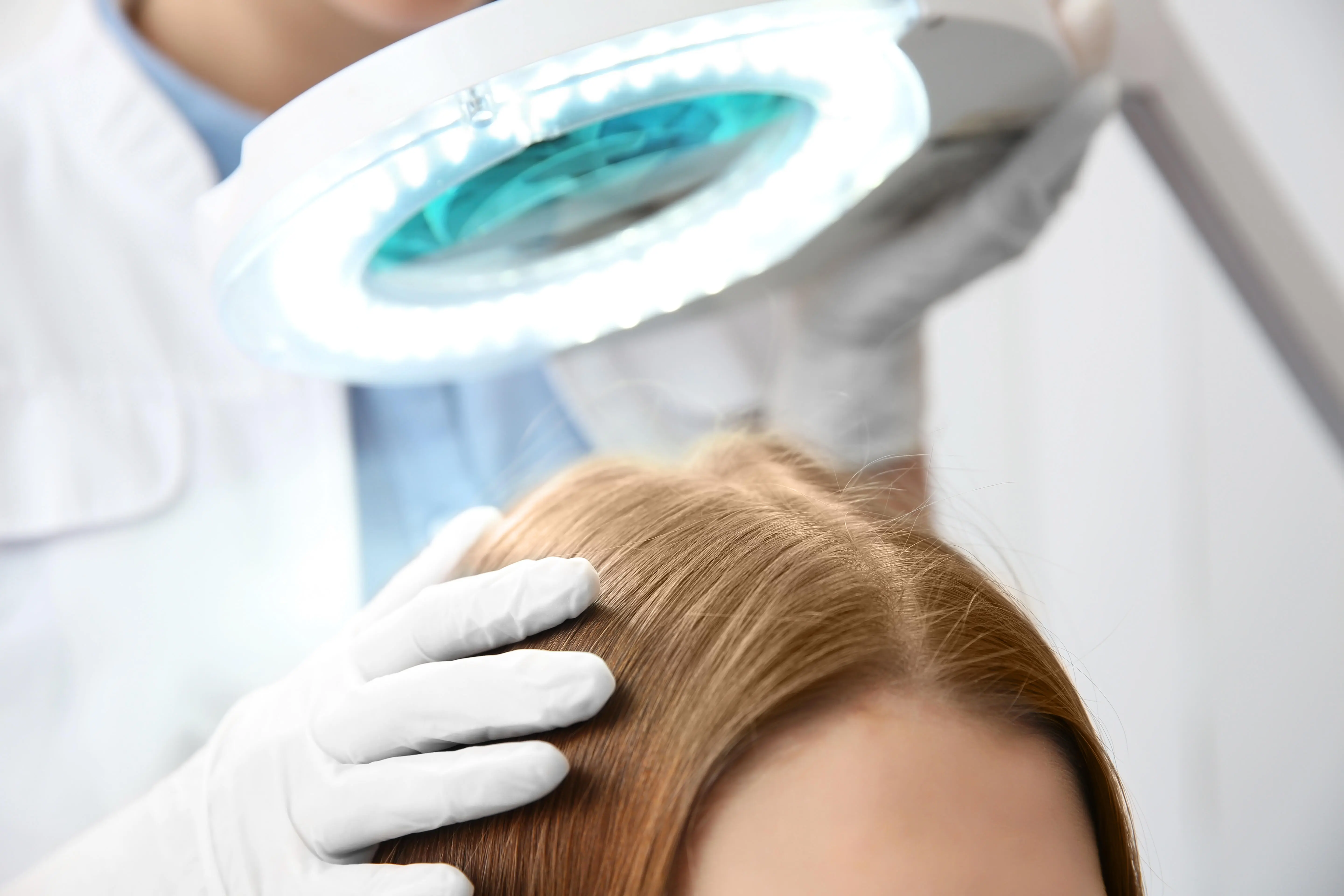
One of the aesthetic operations that primarily affects men is autologous hair transplantation. About 80 percent of all men are affected by hair loss during their lifetime, which often puts a strain on the psyche. Because not only for women do hair play an important role in terms of self-image and attractiveness. No wonder, then, that there are now almost 90 hair transplantation doctors and clinics in Germany, and the trend is rising.
Incidentally, hair transplantation is one of the few aesthetic topics that men discuss. On the one hand because there are many fellow sufferers, on the other hand because the treatment is relatively low-risk and achieves satisfactory results. Dr. Juliane Bodo confirms: 'From my practical experience, I know that especially older men do not want their circle of friends or colleagues to find out that 'hands have been laid'. Women, on the other hand, are quite open when it comes to their procedures.'