The thulium laser is one of the most sought-after treatments in aesthetic medicine when it comes to skin rejuvenation without downtime. The gentle, non-ablative laser treatment improves skin quality, refines pores, reduces pigmentation disorders, and provides more glow – with minimal downtime. Particularly exciting: the thulium laser can be individually adjusted and combined with active ingredients.
Technically speaking, it is a non-ablative, fractional laser. This means: unlike ablative systems such as the CO2 laser, the top layer of skin is not removed during the treatment, but remains intact.
What makes the thulium laser special?
Its versatility. It is considered a true all-rounder, acting gently and precisely, ensuring a radiant complexion or allowing targeted correction. “The key to the result is the appropriate setting of the energy,” explains dermatologist Dr. Susanne Steinkraus. “Then the thulium laser is suitable for almost any skin type and can be used at any time of year.” Even sensitive areas like the décolleté or hands can be treated.
Another advantage: The therapy can be individually supplemented with active ingredients or integrated into comprehensive treatment concepts.
How does the thulium laser treatment work?
The laser works with a wavelength of 1927 nm and creates the finest microchannels in the skin. This has two advantages: on the one hand, it stimulates the new formation of collagen and elastin – the skin appears smoother, finer, and more even.
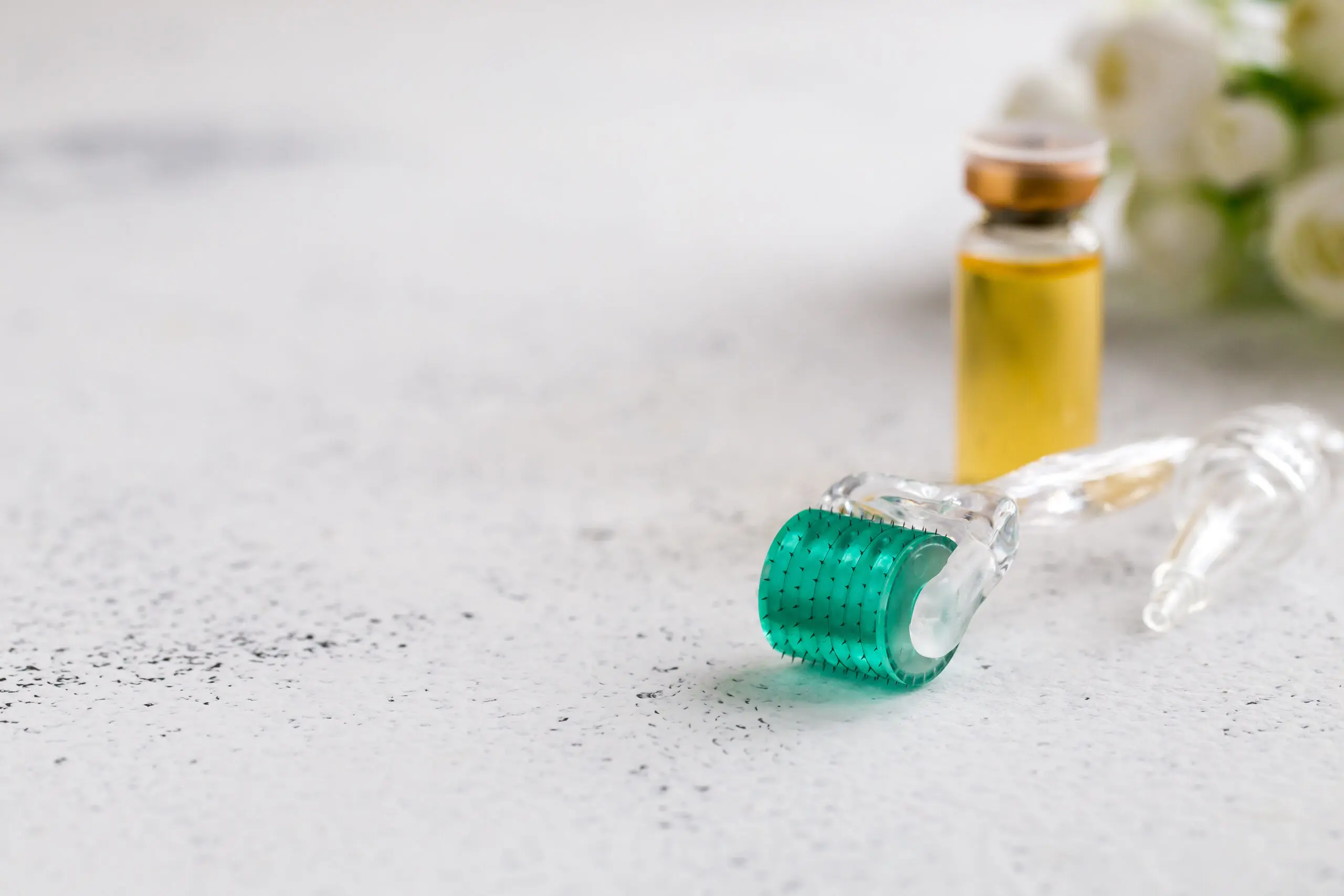
“In addition, these microchannels can be used to specifically deliver active ingredients,” says Dr. Susanne Steinkraus. And these can penetrate particularly deeply.
What skin problems can the thulium laser treat?
“The laser can be used cosmetically, but also much more intensely – for example, for wrinkles, scars, or to refine pores,” explains the doctor. Anti-aging active ingredients such as resveratrol, retinol, or ascorbic acid (vitamin C) are used here.
But pigment disorders such as melasma/chloasma, which are distributed over a large area, can also be gently reduced – the use of tranexamic acid supports further brightening and also prevents new formation.
How does the treatment work?
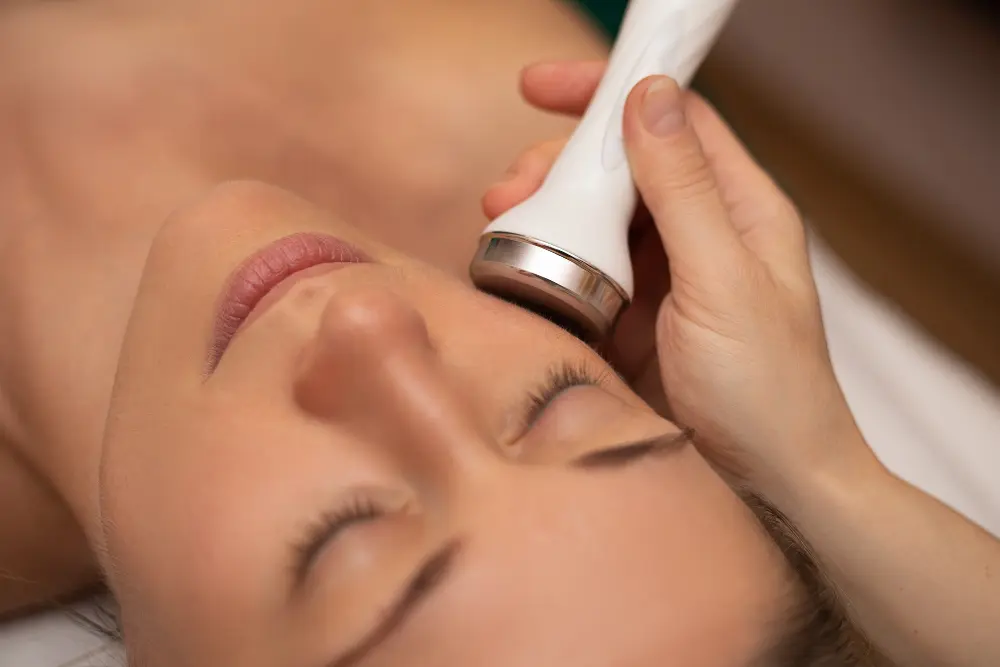
The treatment lasts between 20 and 45 minutes. A numbing cream can be applied beforehand. It is usually not necessary - as the procedure is considered very low-pain. While the treatment head is guided over the skin and the laser pulses penetrate in a controlled manner, you only feel a tingling or slight warmth.