© Cottonbro Studio
April 8, 2026
Judith Cyriax
When can you exercise again after cosmetic surgery? Find out how long to rest after liposuction, tummy tuck, and other procedures
After cosmetic surgery, you should avoid exercise for anywhere from one day to eight weeks, depending on the procedure. While minimally invasive treatments often allow you to move again the next day, more extensive procedures like a tummy tuck require several weeks of recovery.
The length of your break from exercise depends largely on the specific procedure. Here are the most important guidelines at a glance:
Anyone undergoing an aesthetic medical procedure is not only changing their body shape but also placing varying levels of stress on the body. To support optimal recovery and allow proper healing, rest is essential.
Your regular workout routine should be paused initially after the procedure. But how soon — and to what extent — can you start exercising again? When does it support healing, and when might it increase the risk of complications that could affect the final results?
As a general rule: the more extensive the surgery and the larger the treated area, the longer the break from exercise should be.
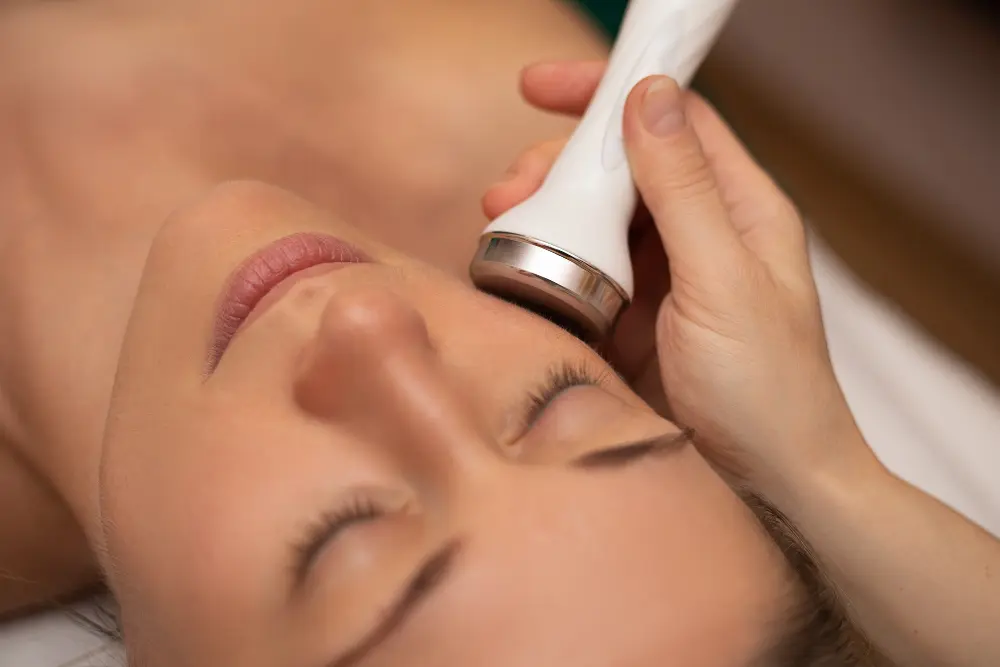
Minimally invasive methods such as cryolipolysis, fat-dissolving injections, or radiofrequency procedures do not result in wounds, so there is generally no reason not to exercise one day after treatment. This is often recommended by doctors, as physical exertion helps to break down dissolved fat faster.
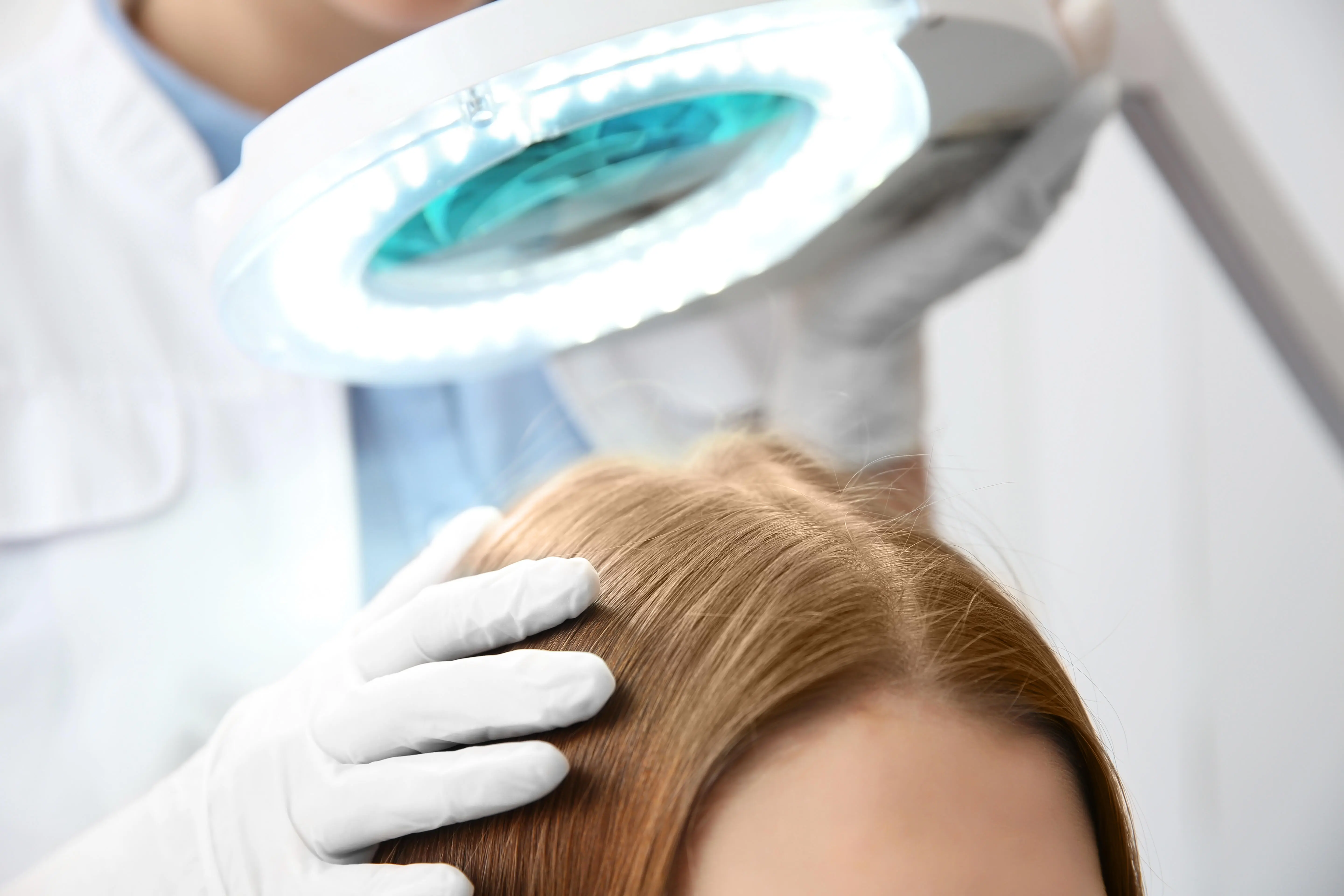
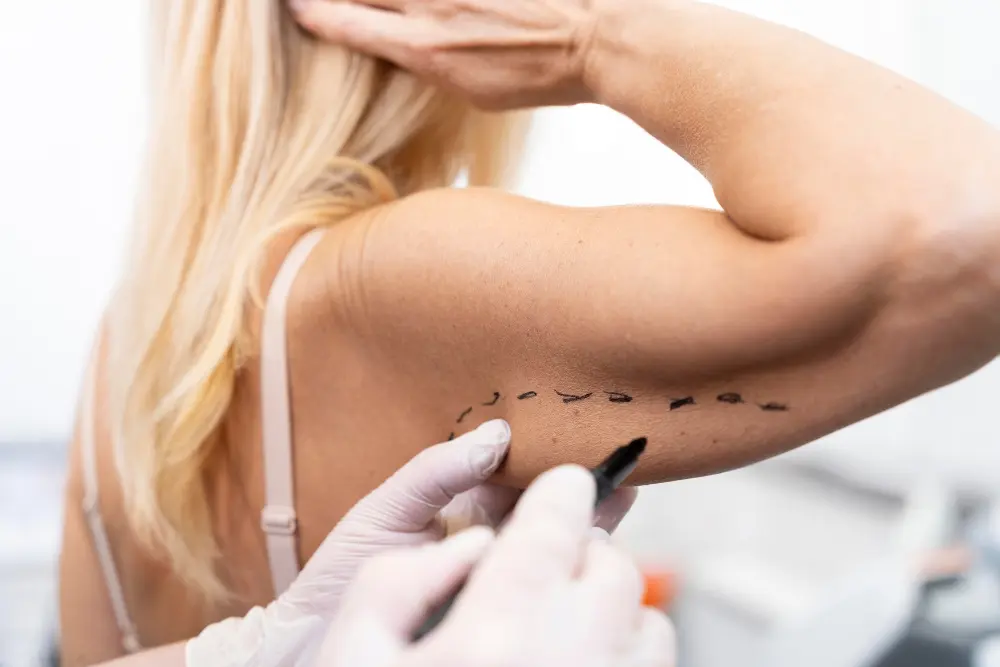
For procedures where skin and tissue are 'injured' under local anesthesia (such as the cellulite treatment Cellfina), a rest period of at least three to five days is advisable. Increased movement could reopen and cause bleeding in healing, even tiny wounds. Fresh wounds should also not come into contact with sweat, as this could lead to infections. However, there is generally nothing against light cardio training, walking, or cycling.
In a Liposuction the break is already longer, the body should only be introduced to a soft sports program after four weeks. Very important: Compression clothing must be worn to strain the connective tissue as little as possible, as it is still in the healing phase.
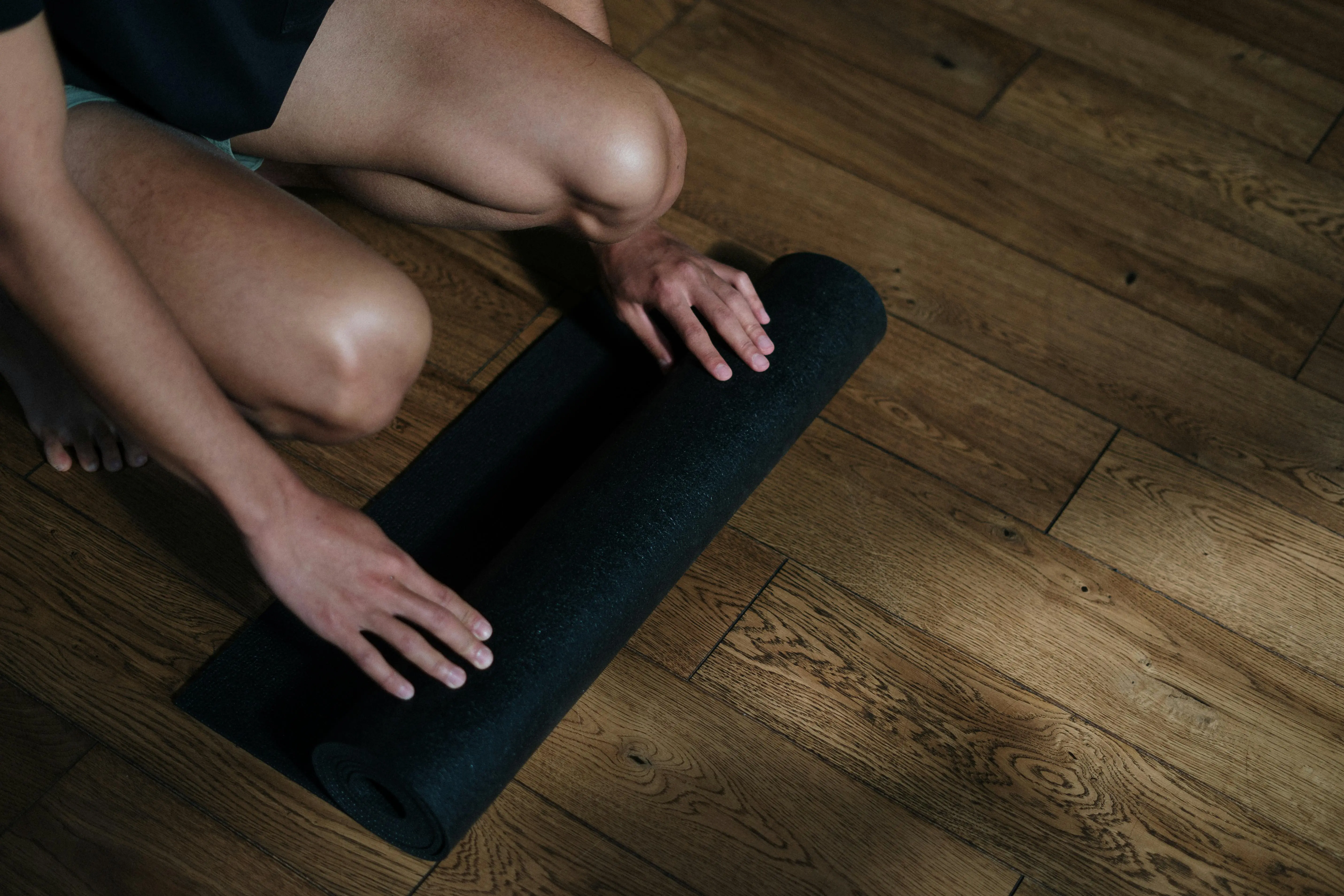
Those who start again too early risk an uneven result, such as unsightly dents that can remain permanent. Sports like yoga or Pilates are not recommended after invasive surgery, as the exercises exert extreme tension on wounds and skin and hinder healing. Sudden movements or shocks also have a counterproductive effect on freshly sewn wounds.
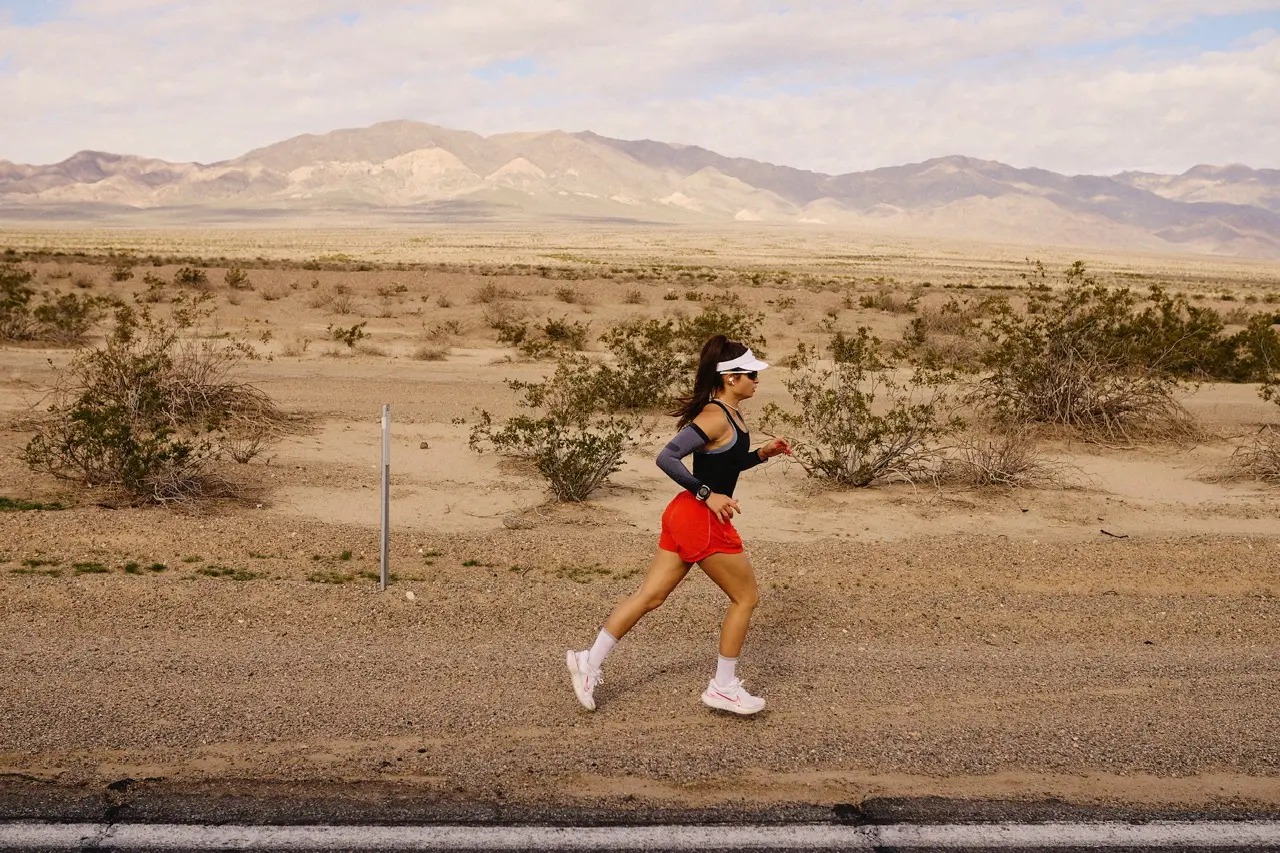
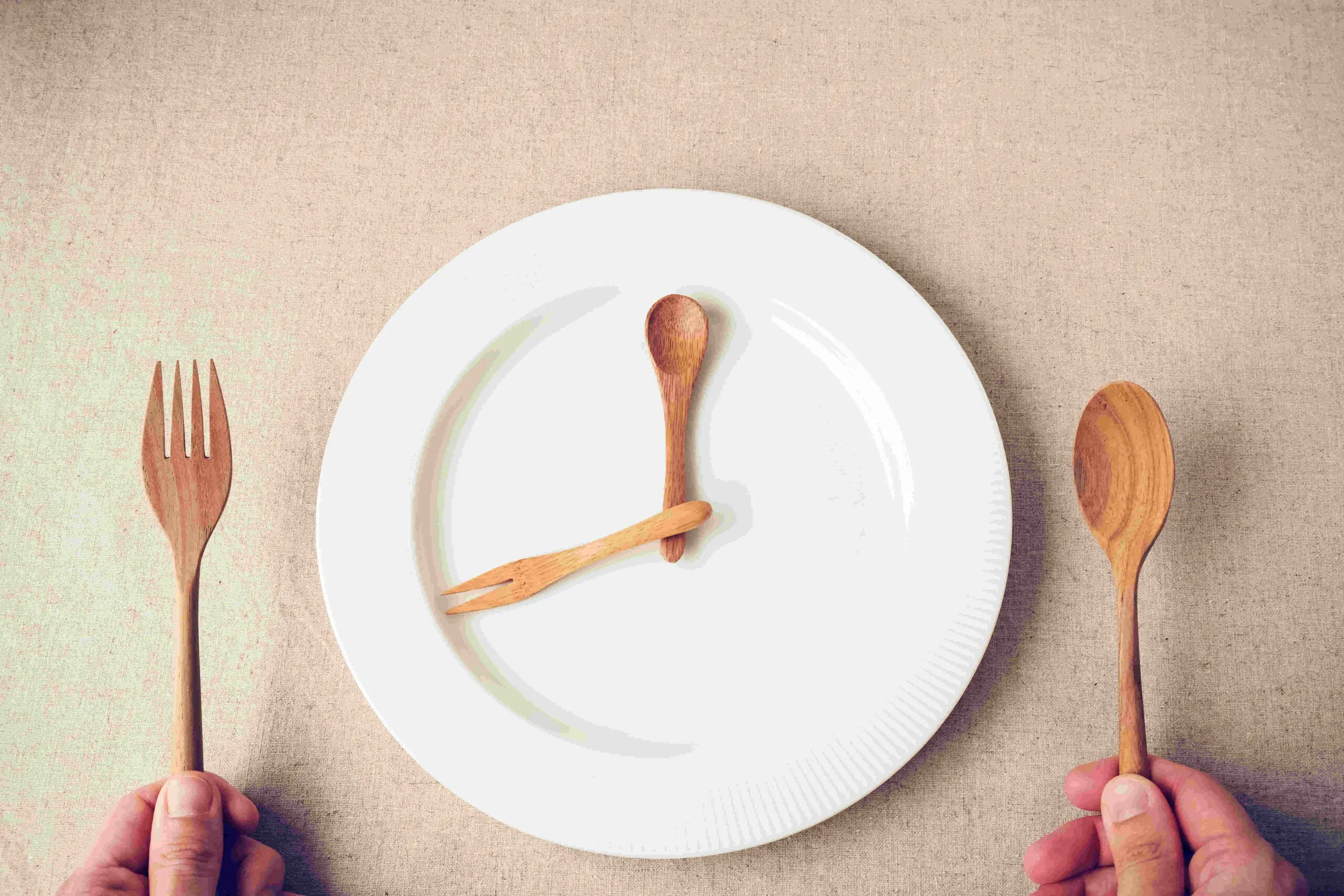
The favorite jogging round must also rest for now. Expert Sandy Schilling (physiotherapist & personal trainer): "Incidentally, wound healing can also be accelerated well from the inside." And: "Sufficient water, a nutrient-rich and vitamin-rich diet, and suitable supplements have a positive effect on the healing process."
In many sports, the abdominal muscles play a major role or are integrated into many movements. And exactly these must not be strained in any way after an abdominoplasty. The large incision that goes through skin, tissue, and even muscles, takes at least six to eight weeks for its initial healing steps. During this time, there may still be slight pain during sudden or too rapid movements.
A numb feeling at the operated site is also not uncommon. One should simply not forget that a cosmetic surgery that takes place under general anesthesia means extreme stress for the body and circulation and the convalescence lasts longer. Sandy Schilling on sports after tummy tuck: "Nevertheless, movement is necessary for recovery, because for complete cell regeneration, the metabolism must be stimulated, and this happens best through light endurance training."
Sandy Schilling advises starting a stabilization program in advance in the case of major interventions, ideally accompanied by a physiotherapist or sports therapist. "Nothing is more harmful to healing than thoughtless exercises on the sports mat at home," says the expert.
She also recommends a healing sports program from the outside: "Scar massage, the so-called scar mobilization, should be started as early as possible. By manually shifting the tissue layers, you prevent scars in the body from hardening. This restricts mobility, in the worst case, even no longer allowed."
When is the ideal time to resume your sports program to finally reintegrate regularly into everyday life, should ultimately be determined by the attending physician. Until then, it is important – even if it might be difficult – to have patience and trust in one's own body. Very often, it sends the right signals: what is possible and what still needs to wait a little longer.