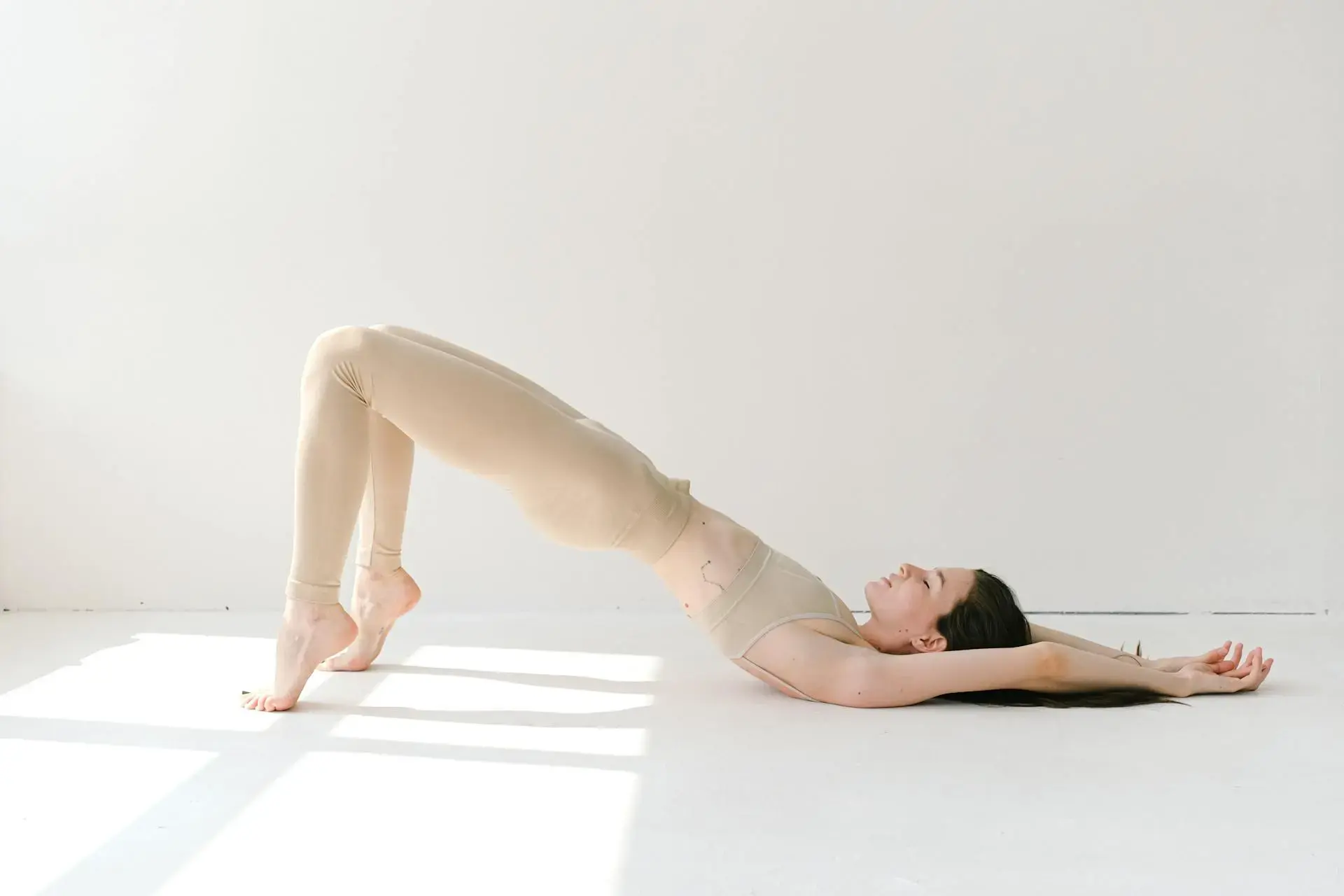
Fitness trends 2026 focus on innovation and holism: From hybrid workouts like Piloxing to military-inspired rucking and functional strength training – these six new sports combine efficiency with fun. Whether you want joint-friendly training, calorie burning, or to strengthen deep muscles, you’ll find the perfect workout for your goals here.
Piloxing – The Hollywood Workout for Full-Body Fitness
Piloxing is a crossover workout that combines elements of Pilates, boxing, and dance. The aim is to unite physically contrasting disciplines for a holistic balance of strength, endurance, and flexibility. While boxing strengthens the cardiovascular system and boosts fat burning, Pilates and dance elements promote body control and coordination.
This creates a physically demanding, but also mental workout, as full concentration is required in Piloxing. The quite intense full-body workout was invented by the Swedish trainer Viveca Jensen from Los Angeles and is already very popular in Hollywood.
Rucking – A Walk with Extra Weight for Maximum Strength
Originally developed as military training, rucking is “just” a walk. The twist: You carry a backpack with additional weights. Those who regularly “ruck” improve not only endurance and strength but also train the entire body, absolutely joint-friendly: From legs to core and belly to the shoulder area.
In Germany, rucking is gaining more and more followers. Groups like the Munich Rucking Crew organize weekly training sessions in Munich, with local ruck clubs emerging in cities like Stuttgart and Berlin, offering joint tours and events. If you're curious: The GORUCK platform provides not only detailed information on how to get started but also an overview of the most important ruck clubs in Germany.
Rebounding – Trampoline training for up to 600 muscles
Trampoline jumping is not only fun for children but also a highly effective workout for adults, as shown by the trend of rebounding, also known as jump fitness. It involves rhythmic jumps and choreographies on a mini trampoline. Up to 400 muscles are activated simultaneously, the lymphatic system is stimulated, and metabolism is boosted.
Studies show that rebounding can be up to 68 percent more effective than jogging, while being easier on the joints and more demanding in terms of coordination. The constant switch between gravity and weightlessness strengthens the cardiovascular system, trains the sense of balance, and positively affects the nervous system. Fun fact: Rebounding was originally developed by NASA for the recovery of their astronauts.