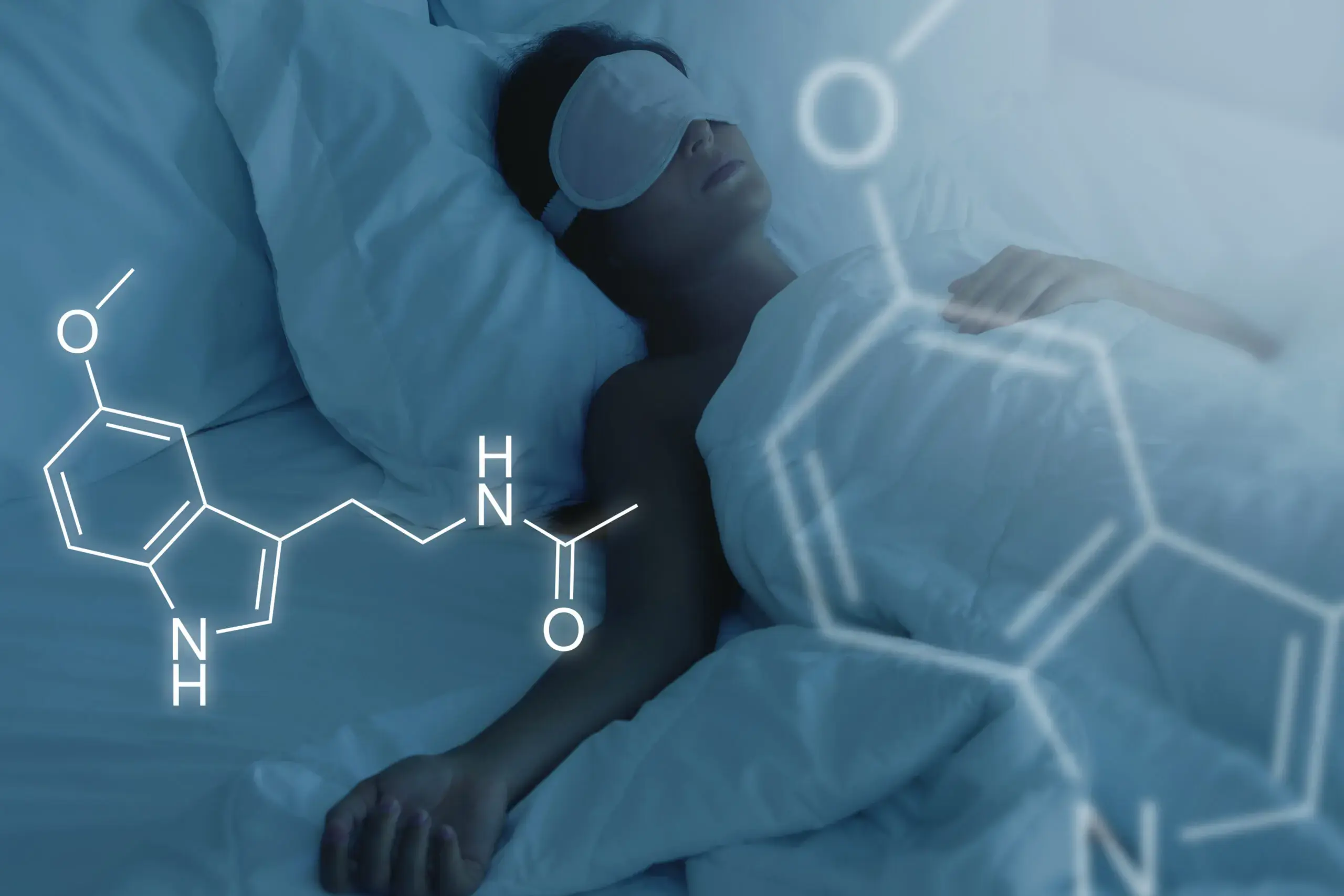
Melatonin is considered one of the world's most popular natural sleep aids. The hormone, which regulates the sleep-wake cycle, comes in numerous forms of administration. As tablets and capsules, sprays and dragées, as gummy bears and as powder. The active ingredient is used to treat sleep disorders (insomnia).
Now new data is causing a stir: A new large-scale study, presented at the American Heart Association (AHA) Scientific Sessions 2025, questions the safety of the sleep hormone. The study shows clear evidence that long-term use of melatonin could increase the risk of heart failure and other cardiovascular problems.
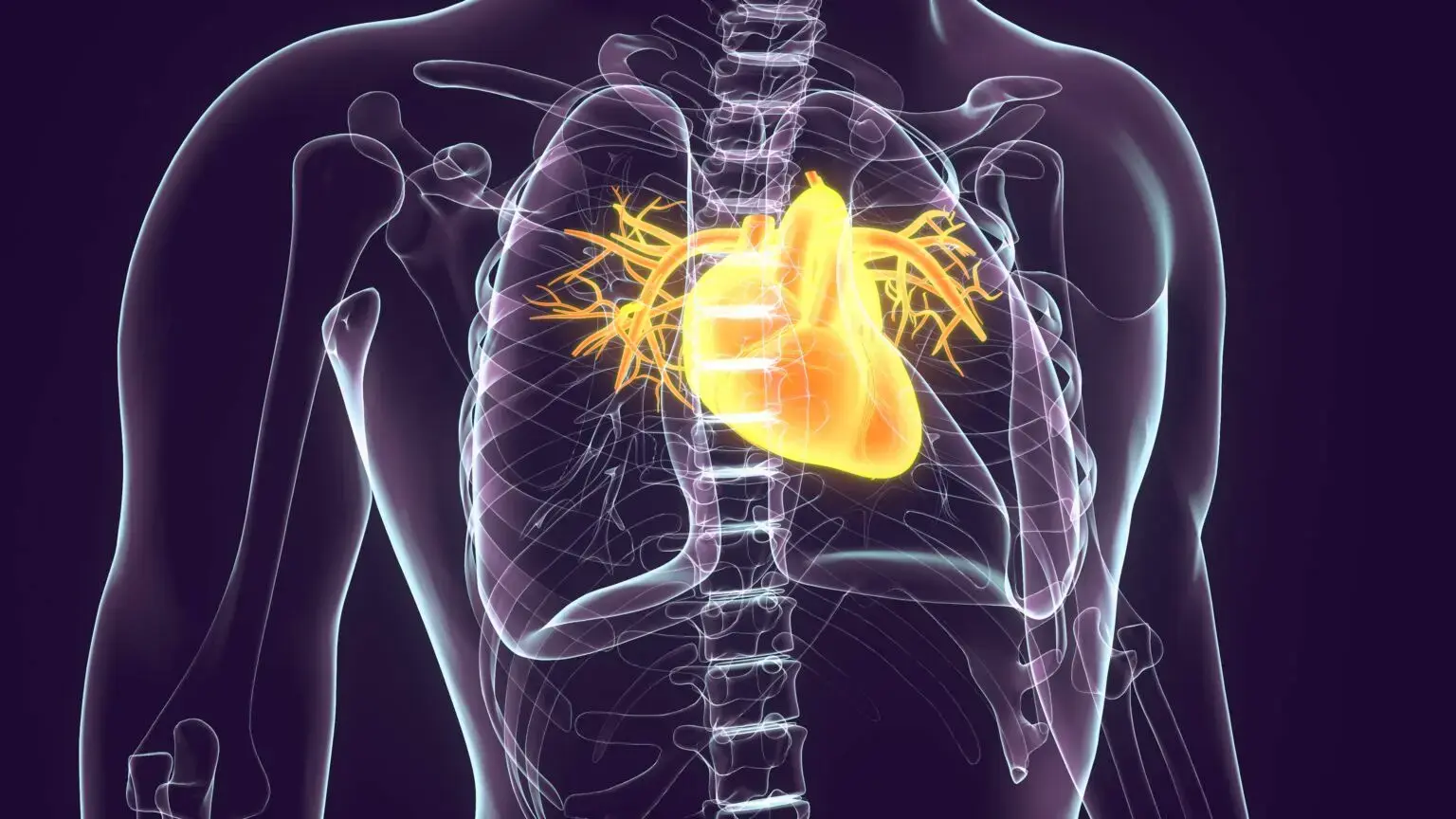
In heart failure, the heart's pumping ability is impaired. The heart is therefore no longer able to supply the body, and thus organs like the brain, muscles, or kidneys, with sufficient blood and oxygen.
Melatonin and heart failure: What the new study shows
Until now, melatonin was considered rather positive for heart health. It was said that the body's own hormone, thanks to its antioxidant properties, lowers blood pressure, protects blood vessels, and regulates heart rate. However, the new data from the USA now question this thesis.
The presentation study led by Dr. Ekenedilichukwu Nnadi, chief resident of internal medicine at SUNY Downstate/Kings County Primary Care in New York, analyzed health data from 130,828 adults with chronic insomnia.
About half of the subjects regularly took melatonin for at least 12 months. Researchers excluded individuals with existing heart failure. Likewise, people who used other sleep aids besides melatonin.
Both groups – melatonin users and non-users – were matched based on more than 40 factors (including age, gender, comorbidities, blood pressure, BMI, and medication). Over five years, heart failure, hospitalizations, and mortality were examined.
Heart health at risk? The key study results
• 90% higher risk of heart failure with long-term use.
• Hospital admissions due to heart failure:
o 19% in the melatonin group
o 6.6% in the control group
• Mortality almost twice as high (7.8% vs. 4.3%).
These data suggest that regular melatonin use is not as harmless as many consumers believe.