A sensitive topic: Intimate surgery
"Feel good, live better" – in the health podcast, Dr. Michaela Montanari talks about taboo surgeries like labiaplasty and vaginal tightening.

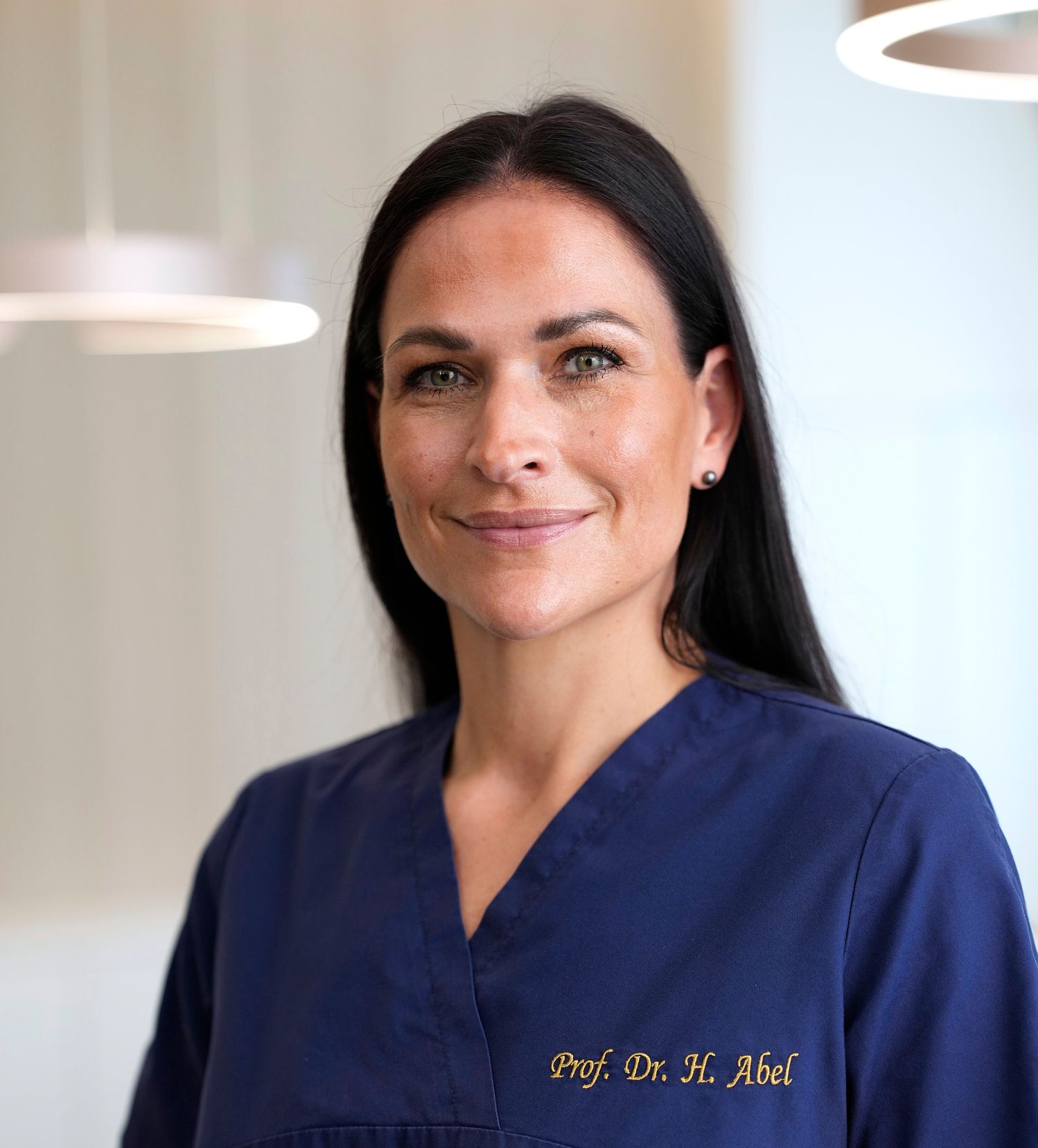
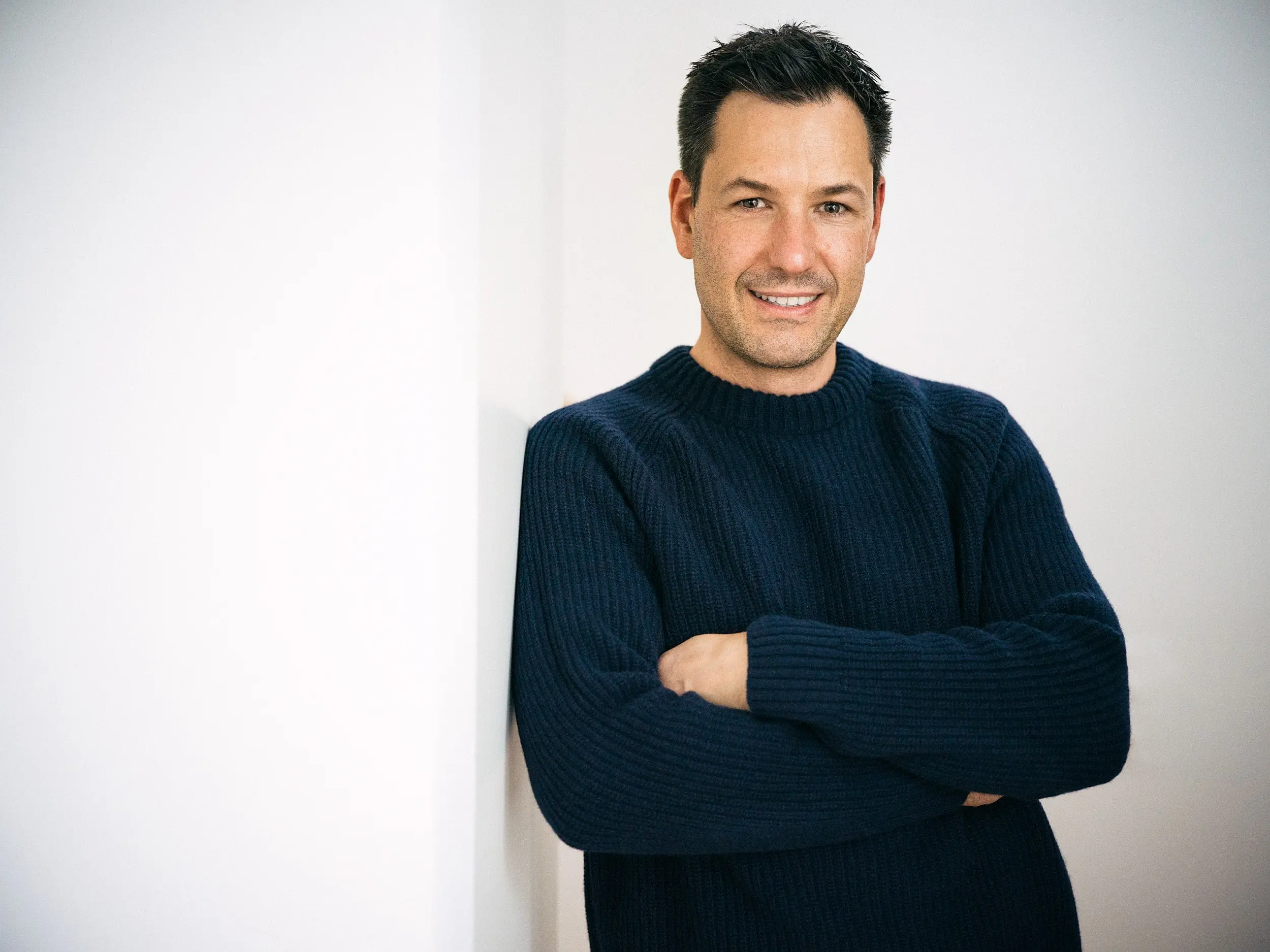
“It is extremely important—and even more so when it comes to the intimate area—that a woman undergoes the procedure on her own initiative and only for herself,” says Dr. Michaela Montanari in the current episode of FEEL GOOD, LIVE BETTER. The plastic-aesthetic surgeon and president of the DGÄPC (German Society for Aesthetic Plastic Surgery) has specialized, among other things, in intimate surgery at her private practice in Bochum and helps women with vaginal dryness (during menopause), labia reduction (by 85 percent the most common procedure), scar corrections, or incontinence (e.g., after childbirth). In the podcast, she talks about the different surgical methods, why the lines between aesthetic and medical reasons are often blurred, and why the number of operations has increased in recent years.
The podcast by Premium Medical Circle
PQ publisher Stephanie Neureuter met, among others, the lipedema expert Dr. Anna-Theresa Lipp, the owner of the LVATE Institute Dr. Lukas Kohler, the specialist in internal medicine and longevity expert Dr. Andrea Gartenbach, the dermatologist Dr. Timm Golüke as well as the plastic surgeon Dr. Caroline Kim.
Feel good, live better
In the health podcast by Premium Medical Circle, Stephanie Neureuter talks with experts from various fields such as nutrition, mental health and women's health, psychosomatics, surgery, aesthetic medicine, or digital health.
As in the print magazine Premium Quarterly, it is about health and well-being and how we can lead a happy, long life. Informative, exciting, entertaining.
Every Wednesday, on Spotify, Google Podcasts, Deezer, Amazon Music, and Audible.