© Freepik
December 15, 2025
Margit Hiebl
Blood cleansing against microplastics, inflammation, Long Covid, and for a long life? What's really behind the latest health hype
In the tension between high-end medicine, biohacking, and celebrity confessions, a procedure is currently experiencing quite a hype: apheresis, commonly referred to as blood washing. It is said to alleviate inflammation, remove autoantibodies, and filter microplastics from the blood. A miracle cure? Even the key to more vitality, vascular health, and healthy aging? The promises are great, the expectations high. But the study situation is – in some parts – still meager.
The name apheresis comes from Greek and means something like “take away.” The development of the treatment dates back to the 1950s. Since then, the procedure has evolved into a therapy option for various diseases.
According to the American Society for Apheresis (ASFA), indications are autoimmune diseases such as myasthenia gravis (neuromuscular transmission disorder in the area of the skeletal muscles), systemic lupus, rheumatic diseases, or even neurological syndromes like Guillain-Barré syndrome (a form of polyneuropathy that leads to muscle weakness).
As an established treatment option, it is also considered for multiple sclerosis or chronic inflammatory bowel diseases. Similarly, in familial hypercholesterolemia (hereditary lipid metabolism disorder) when medications are insufficient. Increasingly, there are now case reports of applications in neurodegenerative diseases like Alzheimer's dementia, chronic fatigue syndrome, toxic burdens, or Long Covid.
How does the procedure work? “A therapeutic apheresis, also called plasmapheresis or pathopheresis, separates the solid and liquid blood components. The plasma is then specifically cleaned of harmful substances such as autoantibodies, immune complexes, cytokines, and other toxic substances and reintroduced to the body,” explains Dr. Giselind Dohr, a specialist in general medicine and anesthesia and an expert in apheresis therapies at the MedVital Health Residence in Tegernsee.
“This can lead to a significant reduction in inflammation, free radicals, autoantibodies, and improve rheological properties – meaning the flow properties of the blood – which can alleviate symptoms of chronic inflammatory or autoimmune diseases.”
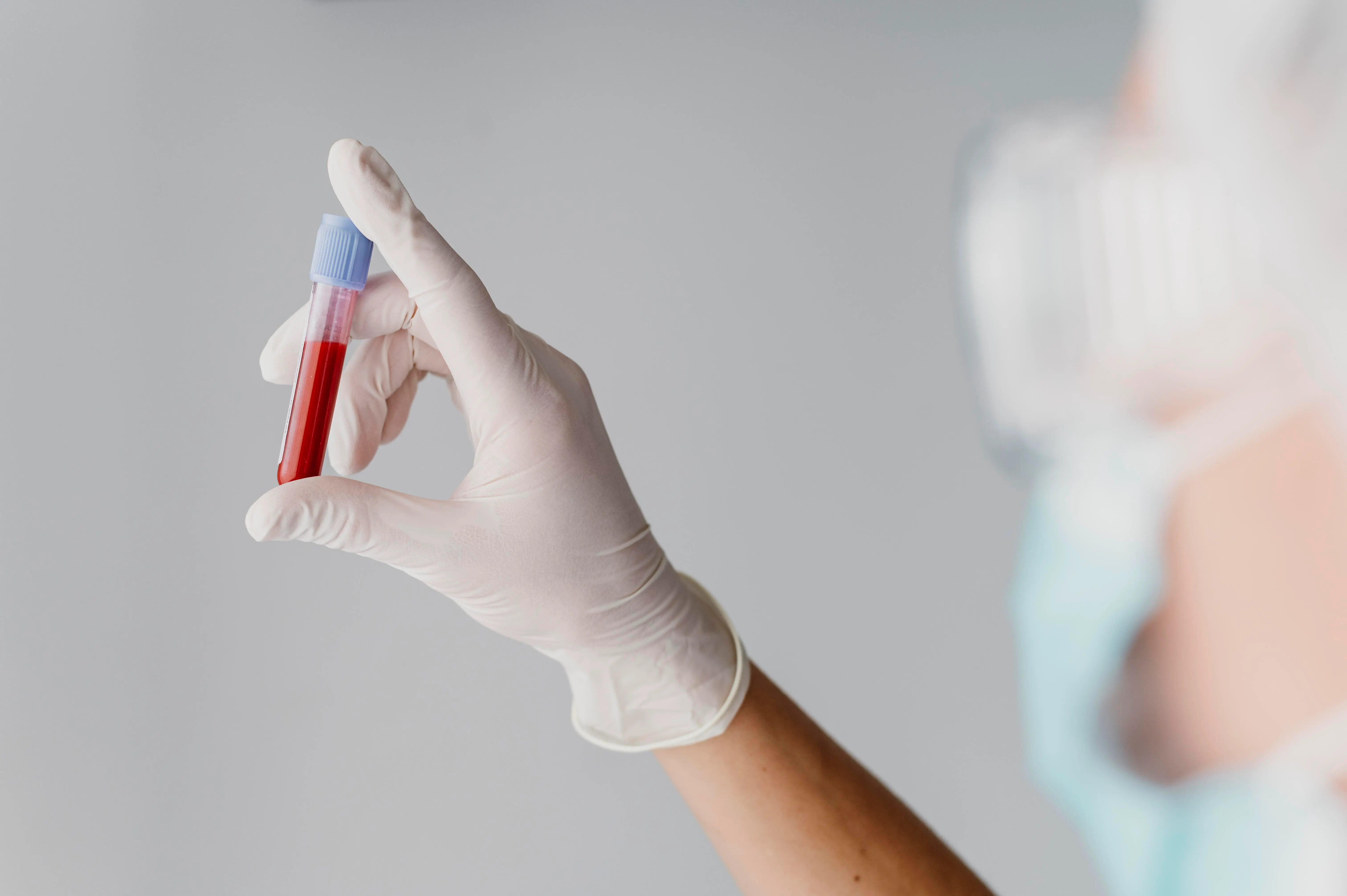
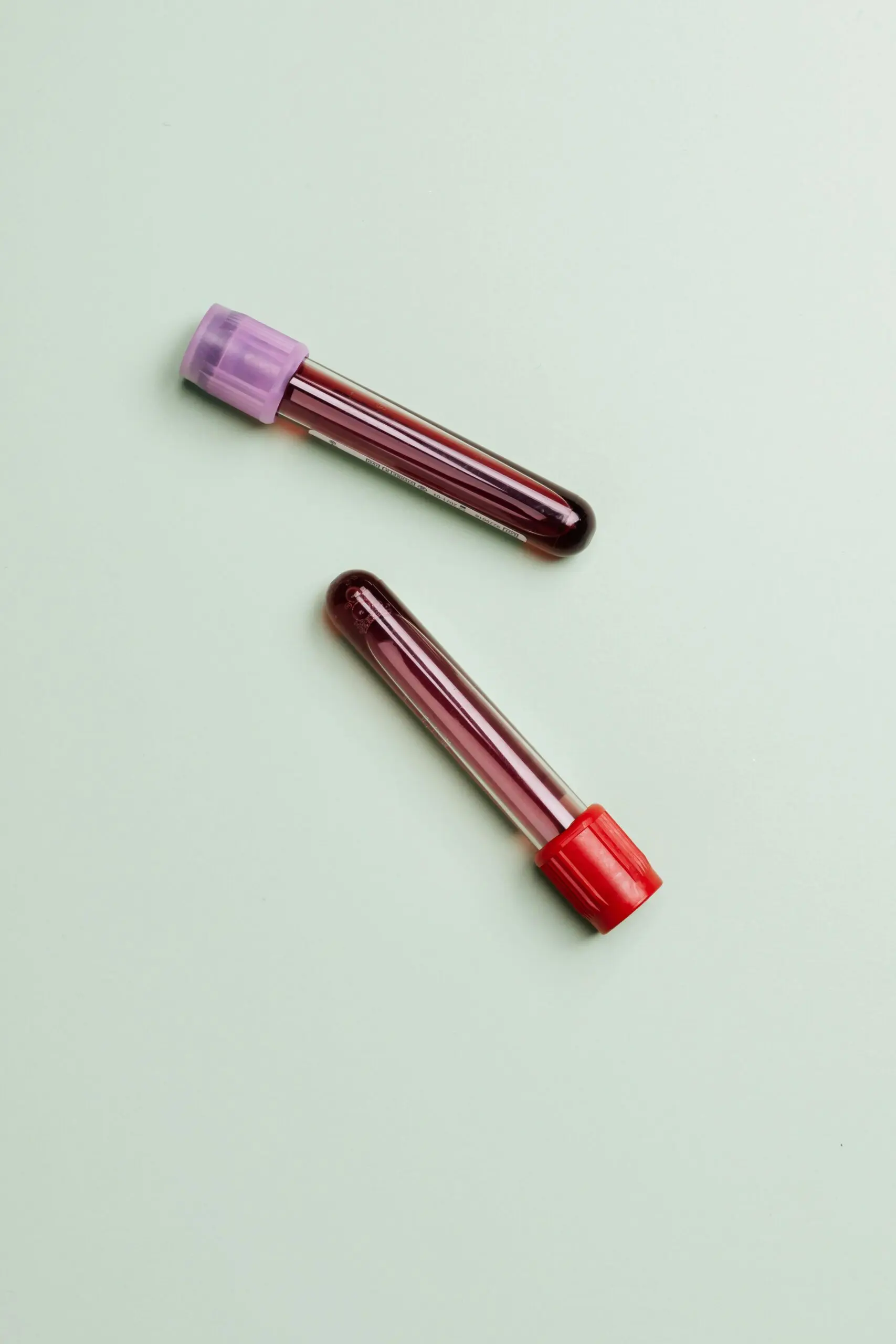
The procedure is reminiscent of a blood donation. The patient lies or sits comfortably, and the blood is taken from a vein in the arm via a cannula. It is transferred through a tubing system into an apheresis device, where it is separated into its components through filtration.
The unwanted substances are removed, and the purified blood is returned to the other arm bend via a second cannula. The filtered components end up in a so-called eluate bag, providing some insights. “Even the color and appearance, such as cloudiness of the contents, often provide important clues as to whether they are inflammatory complexes, cell components, or pollutant complexes,” says Dr. Dohr.
The whole procedure takes two to three hours, depending on body size and weight, and costs around 2800 euros. At the mention of blood washing, many immediately think of dialysis. It is also one of the extracorporeal blood purification procedures and takes over the function of the kidneys when they no longer function sufficiently: “It removes water-soluble waste products and electrolytes, but not specific proteins or immune complexes, as apheresis does,” says the expert.
Sounds impressive, but what about the evidence – especially in novel applications such as the elimination of environmental toxins or the treatment of Long Covid? The former has gained considerable attention at the latest since reports from and about Hollywood star Orlando Bloom: He posted soulful photos from a London luxury clinic where he had “microplastics and toxic chemicals” flushed from his blood.
The so-called forever chemicals (hard-to-degrade alkyl compounds) are suspected, among other things, of being carcinogenic. Criticism was not long in coming: Some experts say that through tubes and filters, you even get an extra dose of microplastics – an accusation that arose in connection with a dialysis study. However, plastic materials are also used in apheresis.
At least: A new small study conducted at the University Hospital Carl Gustav Carus Dresden provides initial evidence that apheresis could actually be suitable for removing microplastics. However, further and larger studies would be required to quantify this.
Example Long Covid: Online, there are offers circulating that promise true miracles to those seeking help. According to Cochrane – an international and independent research network that regularly publishes reviews on the current state of research – the evidence so far is not convincing. Many observed improvements are more likely due to a placebo effect – this was also the conclusion of a Spanish Phase II study from early 2025. However, controlled studies that adequately prove benefits and safety are still lacking.
But there are bright spots: "Some observational studies and case series are encouraging," says Dr. Dohr. "A cohort study with 27 Long Covid patients (INUSpheresis) showed significant reductions in autoantibodies, lipids, fibrinogen, and inflammatory markers, accompanied by subjective improvement." And three new German studies are announced for this year.
The approach of using apheresis for prevention is new. For some time, it has been considered a secret tip in the biohacking community for reducing chronic inflammation, preventing degenerative diseases, or simply detoxifying. But here, caution is still advised according to Dohr: "Currently, there is no reliable data for its use in classical prevention, such as for avoiding vascular, metabolic, or neurodegenerative diseases in healthy individuals."
Without reliable data, the benefit remains speculative. However, apheresis could be considered as a component of a holistic longevity concept in the future – for example, in cases of high environmental exposure or autoimmune risks, according to the physician. There are positive effects and experiences, but unfortunately, there is still a lack of secure data here as well. Currently, the foundations are primarily the optimization of nutrition, exercise, stress management, micronutrient status, and epigenetic factors.
Even in personalized medicine, apheresis could play a role in the future: "Its use could be conceivable in manifest autoantibody profiles, toxin-laden eluates, or metabolic disorders," says the expert. "Ideally then combined with omics-based diagnostics. Omics refers to various research fields dealing with the comprehensive analysis of biomolecules, e.g., genomics (genes / DNA), proteomics (proteins), and metabolomics (metabolic products)."
And what about risks and side effects? "As with any invasive procedure, side effects can occur with apheresis – albeit very rarely," says the expert. These include a drop in blood pressure and dizziness, risk of thrombosis, or allergic reactions.
"Long-term or frequent applications carry risks such as loss of immunoglobulins or proteins if no accompanying treatment takes place," explains Dr. Dohr. "And with Long Covid, experience reports show that antibodies form again, requiring repeats of apheresis."
Conclusion: Apheresis is an effective procedure – with clear medical applications. In individual cases, it also shows success in Long Covid or environmental medicine. However, in preventive and longevity medicine, it is still considered experimental. "Its future role depends on controlled studies, clearly defined biomarkers, and careful patient-specific benefit-risk assessment," summarizes Dr. Giselind Dohr. In the end, as is often the case in health matters: be sure to seek well-founded advice and place evidence before marketing promises.