© Mart Production
March 19, 2023
Margit Hiebl
Body police, means of transport, and very symbolic: blood. A very special juice, also attributed with healing properties.

With
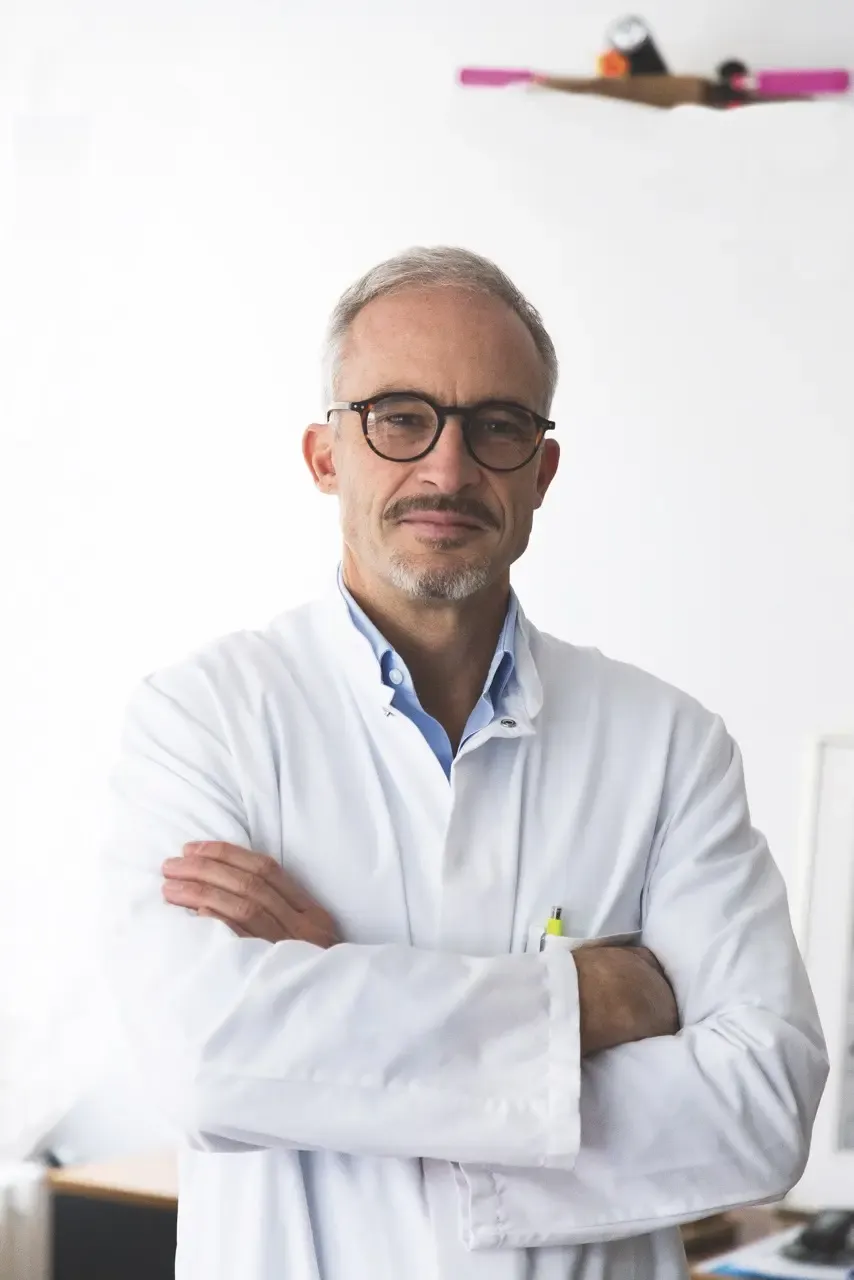
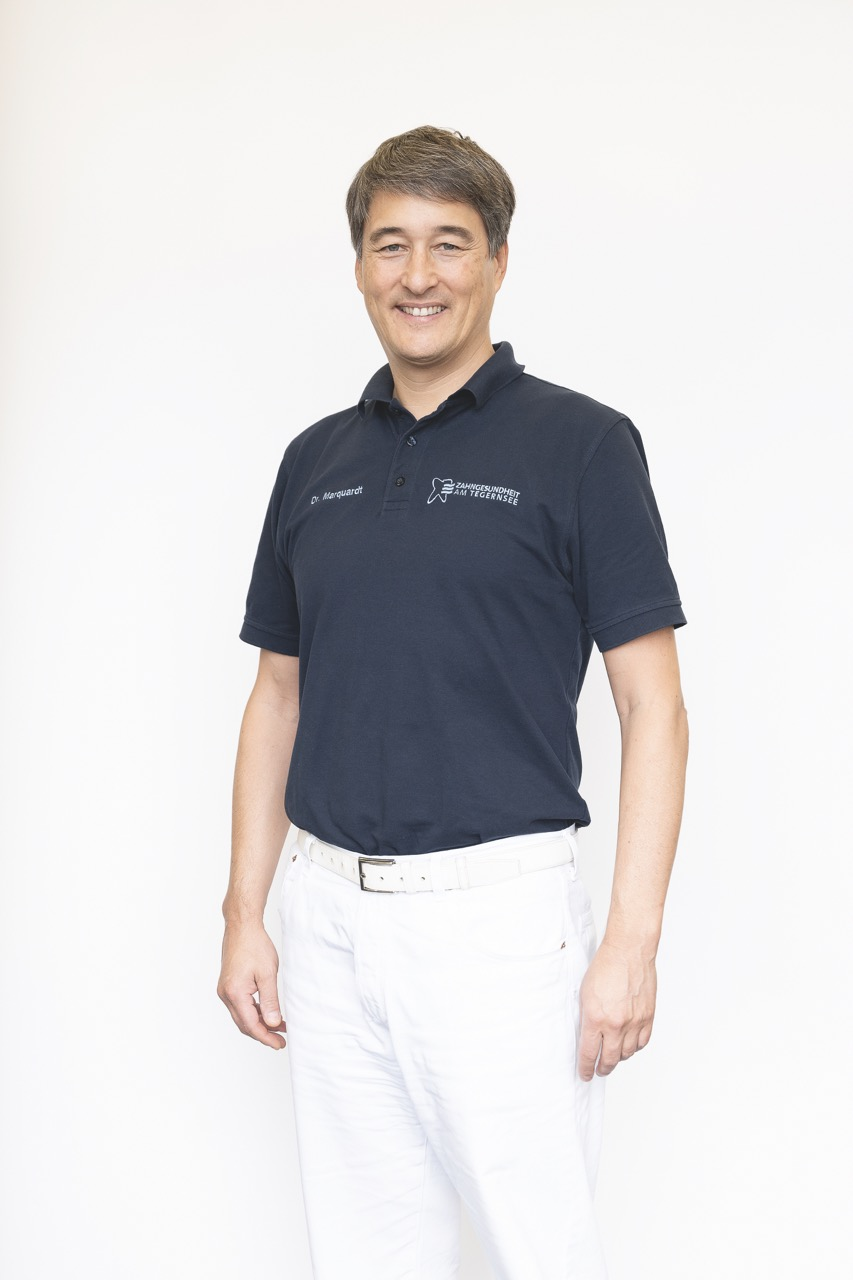
Prof. Dr. med. Sebastian Siebenlist, Dr. med. dent. Siegfried Marquardt und Dr. med. Juliane Bodo

 Find a Doctor
Search the network for suitable specialists and contact them directly
Even a small amount is said to be enough to stimulate the body's immune system and the self-healing powers The discussion is about autologous blood therapy, a naturopathic procedure often used by naturopaths and doctors for diseases related to the immune system, such as allergies or a chronically weakened immune situation.
To do this, a small amount of blood is taken from the vein and re-injected directly elsewhere, into the gluteal muscle or under the skin. The autologous blood can also be processed by enriching it with oxygen or phytotherapeutics. The body recognizes its own blood as a foreign stimulus and activates the immune system – a classic immune reaction.
Autologous blood therapy has been used in ancient cultures from China to Egypt although not as elegantly as today. But better wound healing and rejuvenation were already areas of application back then. However, to this day, the procedures and effects are controversially discussed from a scientific point of view. "There are still not enough guidelines and studies, they often do not include a sufficient number of patients, and the type of processing is not uniform. Therefore, further research is needed here, and previous results should be critically questioned," says Prof. Dr. Sebastian Siebenlist, head and chief physician of the sports orthopedics section at the Klinikum Rechts der Isar in Munich.
However, critically questioning does not mean it cannot work, as is known from empirical medicine. Several studies have shown that autologous blood therapy can lead to symptom relief for various applications in orthopedics, and is sometimes even superior to cortisone injections. "Currently, there is a clear trend towards fewer foreign substances in favor of more use of the body's own materials," observes Prof. Dr. Sebastian Siebenlist.
With good reason: "Autologous blood therapy can delay the need for surgery or, in the best case, avoid it altogether. In conservative therapy, it can accelerate the healing process and thus also reduce the use of painkillers.
Autologous blood therapy is mainly used for overload-related and degenerative diseases. "For example, it can be used for Achilles tendon irritation or a tennis elbow to alleviate symptoms. Even in mild to moderate osteoarthritis, it can reduce pain, improve the mobility of the affected joint, and thus possibly delay the use of an artificial joint," says the expert.
"Regeneration processes of damaged tissue consist of complex interrelated steps and are regulated by so-called growth factors. These are released, among other things, by the blood platelets, the thrombocytes. By introducing these factors at the site of the damage, healing and regeneration processes of the damaged tissue are supported and increasingly stimulated," says Prof. Dr. Siebenlist.
Through a so-called Autologous Conditioned Plasma process (ACP), these cells are processed – autologous means originating from the body, conditioned in this context means prepared. A certain amount of blood is first taken from a vein in the patient and centrifuged. "This causes the heavy blood components to settle. The blood plasma with the thrombocytes and growth factors can be isolated this way and subsequently injected into the area of the damaged tissue under sterile conditions."
Since it is a substance originating from the body, the injection is generally well tolerated, "some patients report a short-term mild activation with pain, swelling, and discrete overheating in the area of the injection," says the doctor. Overall, the treatment takes about a quarter of an hour, and the patient can go home immediately afterward. In most cases, up to three applications are carried out at intervals of at least one week. However, there is no evidence or recommendation for the frequency of the application so far. Autologous blood therapy is not part of the regular health insurance services. However, some private and statutory health insurance companies cover the costs after agreement.
"Vampire facelift: a variation of autologous blood therapy that gained fame"
Autologous blood therapy is also used in dentistry. "The areas of indication can be found in the dental-surgical field, whenever it comes to accelerating and improving wound healing both in soft and hard tissue," explains Dr. Siegfried Marquart, dentist in Tegernsee.
Thus in tooth extractions, bone augmentation, soft tissue augmentation, implantations, and other oral surgical measures. Here too, the body's own material has a beneficial effect. It is, so to speak, a biological wound dressing – there are no allergies or intolerances and also no rejection reactions. The patient's own blood is prepared accordingly. Different platelet concentrates are used.
"Depending on whether you want to use the liquid or coagulated fraction, they are activated or inactivated. PRF (Platelet Rich Fibrin), PRP (Platelet Rich Plasma), and PRGF (Platelet Rich Growth Factor) methods are used, which mainly differ in handling." Apart from a small prick when drawing blood, the therapy is not painful. However, there are no guidelines yet, and the study situation is discussed controversially. Nevertheless: "The clinical evidence is significantly positive regarding healing processes and regeneration," says Dr. Marquardt.
A variation of the autologous blood therapy gained fame in the field of aesthetics when celebrities like Kim Kardashian and Bar Refaeli posted bloody selfies after a visit to the beauty doc in the mid-2010s. A dramatic name quickly emerged: Vampire or Dracula Lifting. "The correct term is PRP – Platelet Rich Plasma, i.e., platelet-rich plasma," explains Dr. Juliane Bodo, specialist for plastic and aesthetic surgery in Berlin.
Meanwhile, this has become a popular standard treatment in which the blood is prepared accordingly by centrifugation. "The plasma is then worked into the skin through microneedling or injected under the skin to achieve rejuvenation of the skin and also to treat inflammatory processes and age-related conditions such as acne or pigment disorders," says Dr. Bodo.
When needling, it's of course not always bloodless, but not as dramatic as it might appear in celebrity selfies. "We usually inject the plasma with a cannula, so there are only three punctures," explains Dr. Bodo. She also uses it in the area of the lower eyelids: "A good alternative to hyaluronic acid for dark circles or tired skin, which can cause more significant swelling here." In aesthetic medicine, autologous blood also has the advantage that there are no unwanted reactions such as allergies or lump formation.
Other areas of application in aesthetic dermatology are hair loss or thin hair. The mini-injections strengthen hair roots, thereby reducing hair loss. "A highly effective treatment as long as hair roots are still present," says Dr. Bodo. Risks and side effects? "There can be bruising when injected, but these disappear after three to seven days – with plasma itself there are at most swellings that can last for two days. There are many studies, but it always depends on one's own metabolism as to the extent to which the body produces collagen, so the result is never predictable."
Despite all the debate, the successes of autologous blood therapy in various areas cannot be denied. It's always worth looking beyond the medical horizon – as long as it doesn't harm and patients feel better.