© Freepik
Those who truly think in terms of longevity do not primarily have to fear plastic—but rather inactivity, overweight, and inflammatory processes in the body.
July 16, 2025
Nils Behrens
Nils Behrens is a top expert in the fields of holistic medicine and prevention and host of the podcast "Healthwise." His current column focuses on microplastics: Because it's everywhere – in the air, in the water, in food. But does it really threaten our health? Or is the media echo greater than the actual risk?
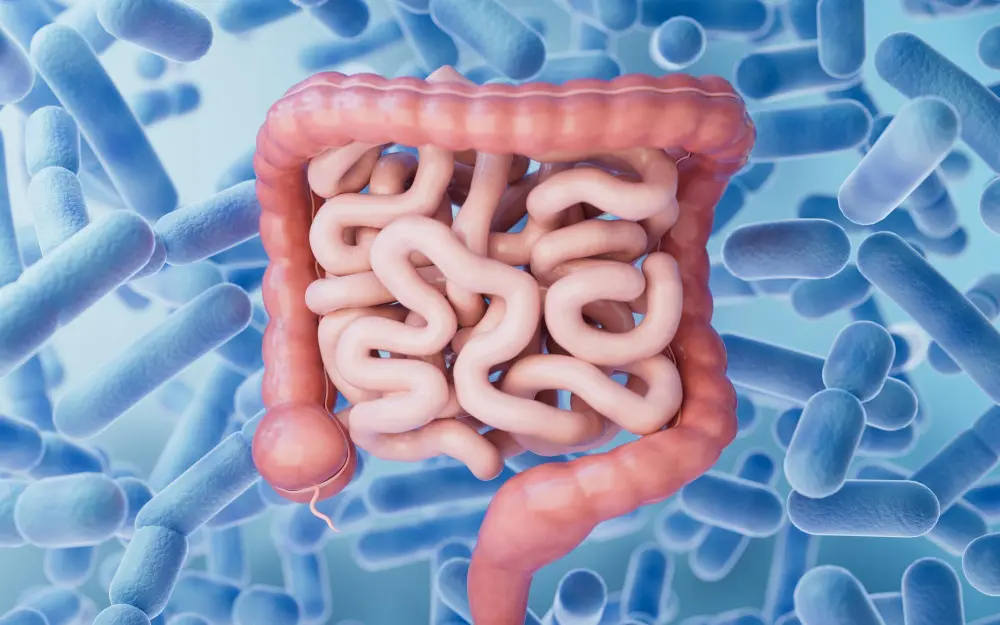
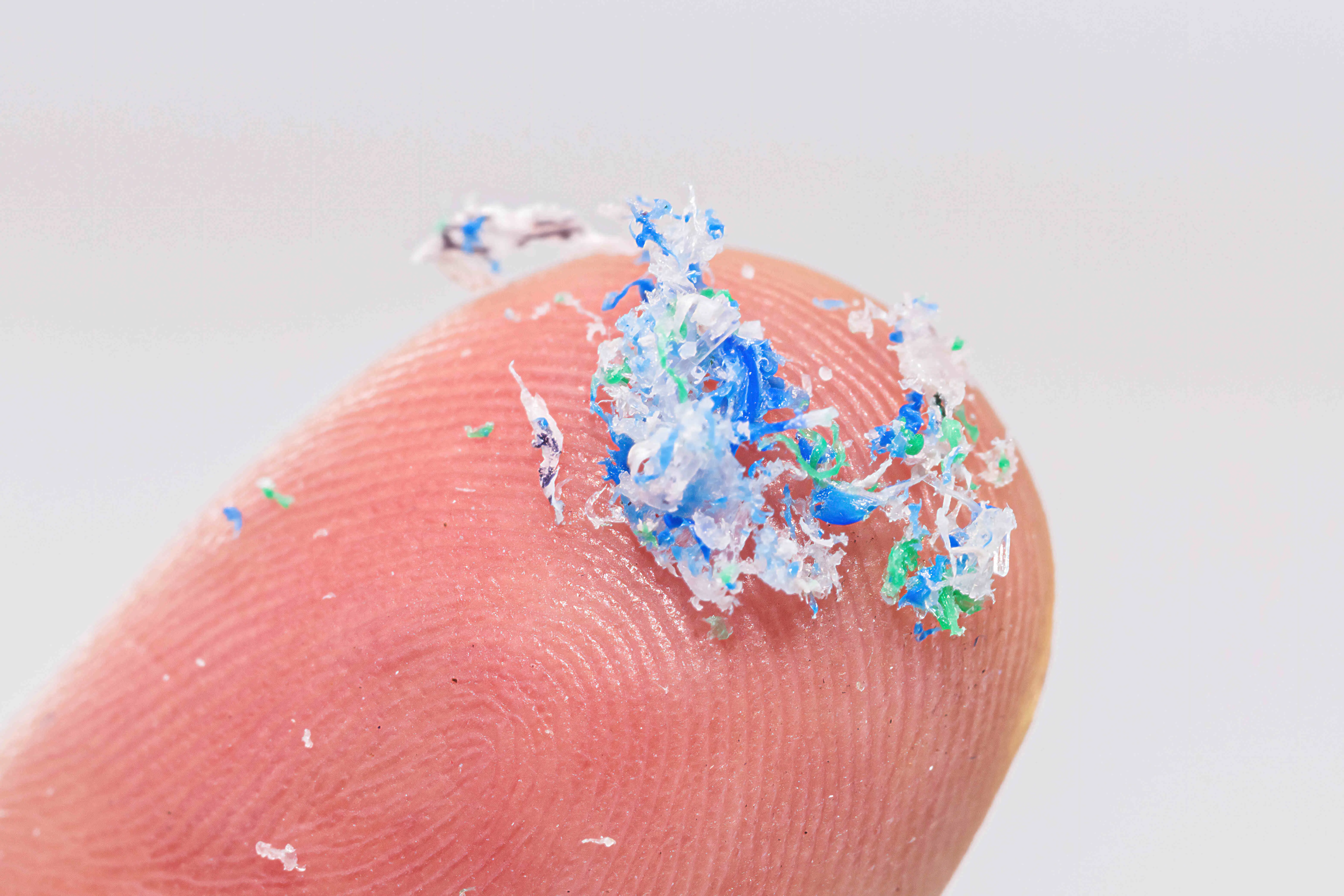
You breathe it in. You drink it. And yes, you eat it. Microplastics are no longer just a problem in the oceans – they're in your blood, your lungs, your placenta, your gut. The only question is: What does it do to your health?
Microplastics are ubiquitous. They originate from abraded car tire dust, synthetic textiles, packaging materials, or cosmetics – and find their way into the human body through air, water, and food. But how dangerous is this exposure really?
Scientifically, the situation is complex, but by no means clearly alarming. Here's a look at the metrics from human biological studies:
This means: Microplastics are measurable – and they accumulate in tissues. But: That alone does not make them dangerous. The human body has impressive detoxification mechanisms – the majority of ingested microplastic particles are excreted again within 24 to 72 hours. Through the liver, kidney, intestine, and through mucus filtration.
It becomes critical when particles are smaller than 2.5 micrometers. These tiny parts can overcome cell barriers and enter the bloodstream. However, what they do there is still largely unclear. So far, there are no reliable long-term studies that causally link microplastics to diseases such as cancer, Alzheimer’s, or heart attacks.
The comparison with fine dust (PM2.5) clearly shows: Air pollution from industrial emissions or car exhaust is far more toxic - and scientifically clearly associated with cardiovascular diseases, lung cancer, and dementia.


Oliver Lüder
A much-cited example: A 2024 study showed microplastics in atherosclerotic plaques. Patients with microplastics in the vascular system had a 4.5-fold higher risk for cardiovascular events. Sounds dramatic – until you read that the study only included 38 patients, only eight of whom had proven microplastics. That is far from enough to speak of a causal connection.
What we do know for sure:
So why this media fixation on microplastics while ignoring the much clearer dangers? Science clearly shows us what matters:
Those who truly think towards longevity should not primarily fear plastic, but rather inactivity, obesity, and inflammatory processes in the body.
Of course, it makes sense to minimize exposure to microplastics. But without falling into neurotic perfectionism. Here are a few simple yet effective measures:
This not only reduces microplastics but often also other toxic substances and allergens.
There are proven strategies for more years of healthy life. Avoiding microplastics is certainly a part of it, but it's just a sideshow. Much more decisive:
In short: If you are afraid of plastic in your body, you should first take care of your own metabolic age .
The body can get rid of microplastics surprisingly well. The data is (still) not dramatic, research is in its early stages. But what we already know:
Chronic diseases such as atherosclerosis, insulin resistance, or neurodegeneration significantly shorten your healthy lifespan.
In longevity medicine, it's about recognizing the key levers and turning them consistently. Microplastics are more of a side note than the pace-setter.
Nils Behrens is the Chief Brand Officer of Sunday Natural and host of the podcast HEALTHWISE. In addition, the sought-after health expert teaches as a lecturer at the Fresenius University of Applied Sciences. Behrens previously worked for over 12 years as Chief Marketing Officer of the Lanserhof Group and host of the successful 'Forever Young' podcast.
Here you will find all columns of Nils Behrens