© PMC
Services
Trusting Her Gut
As a medical student, she quite literally held her professional calling in her hands for the first time: during an operation, she was given the opportunity to hold an intestine in the abdomen.
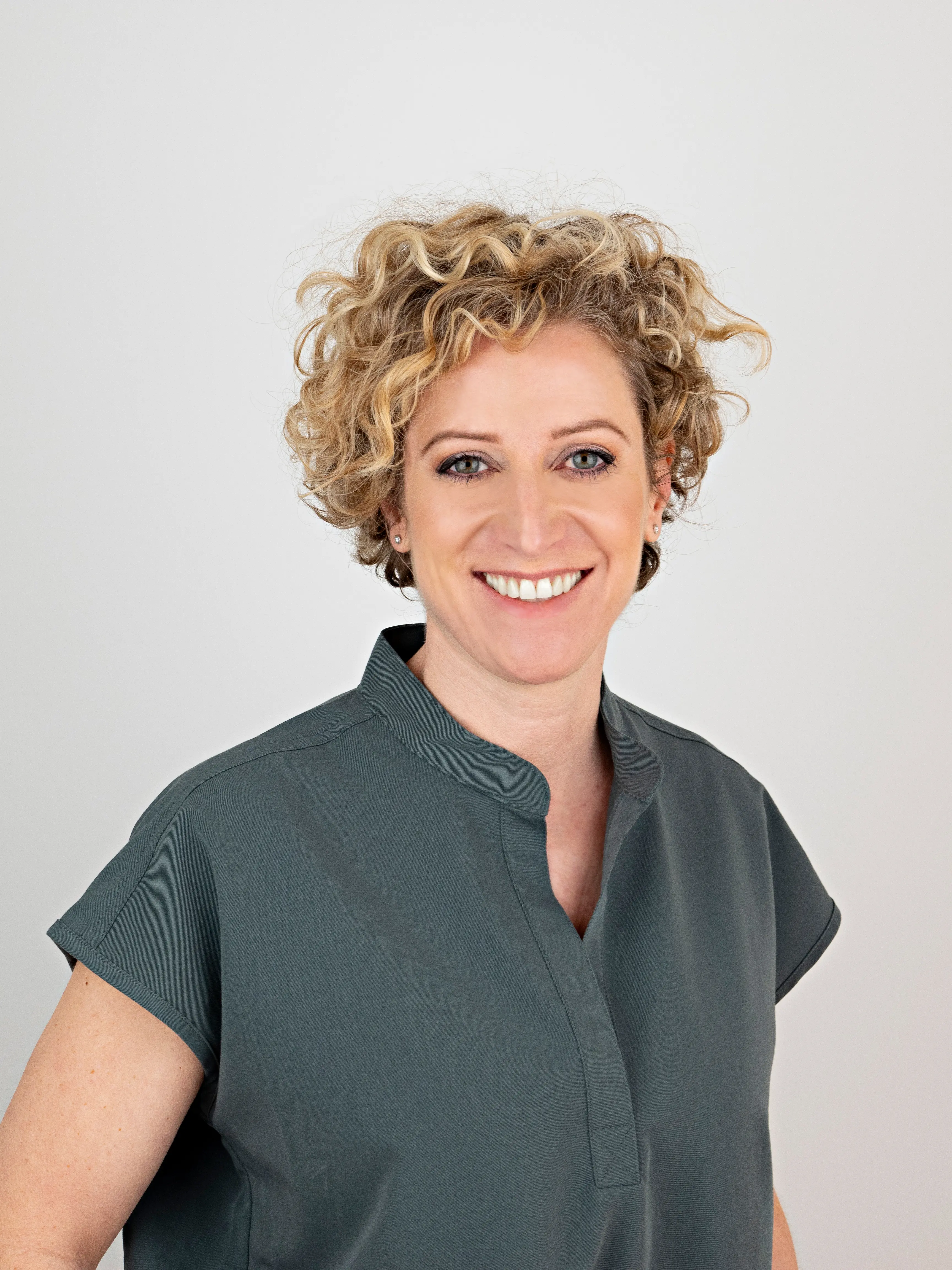
After studying in Innsbruck, she completed her surgical training at the University Hospital Salzburg and specialized in endoscopy. She went on to work at the University Medical Center Hamburg-Eppendorf, and from 2020, she led the interdisciplinary endoscopy center at the Pyhrn-Eisenwurzen Hospital Steyr. At her own private practice in Steyr, Upper Austria, which she has been running since 2024, she combines conventional medicine with nutritional medicine, phytotherapy, and medical hypnosis.
„Ich brauche die Geschichten und die Hintergründe.“
Dr. Birgit Dinnewitzer
© PMC
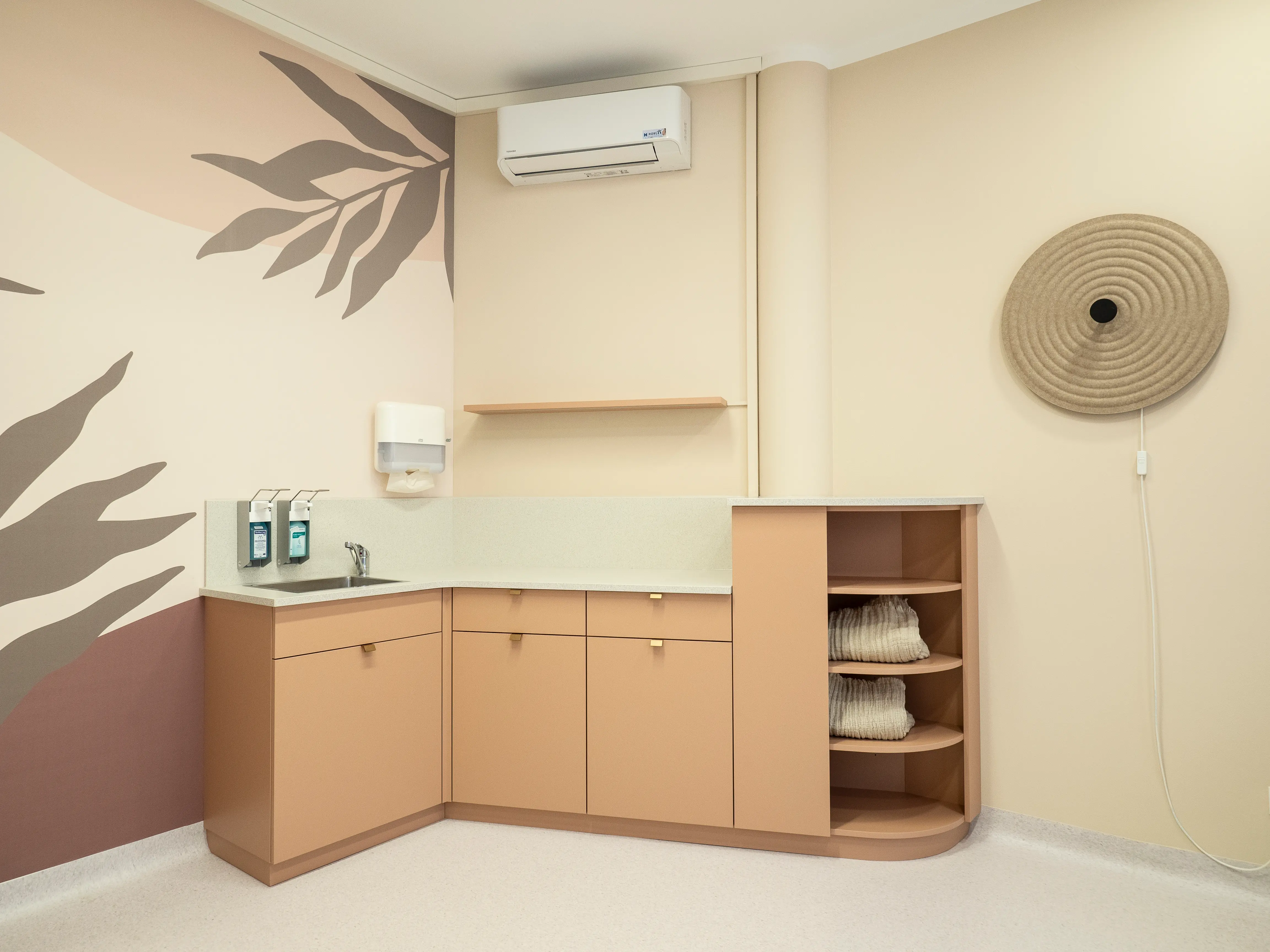
A elegantly designed treatment room that blends medical quality with a welcoming atmosphere
© PMC
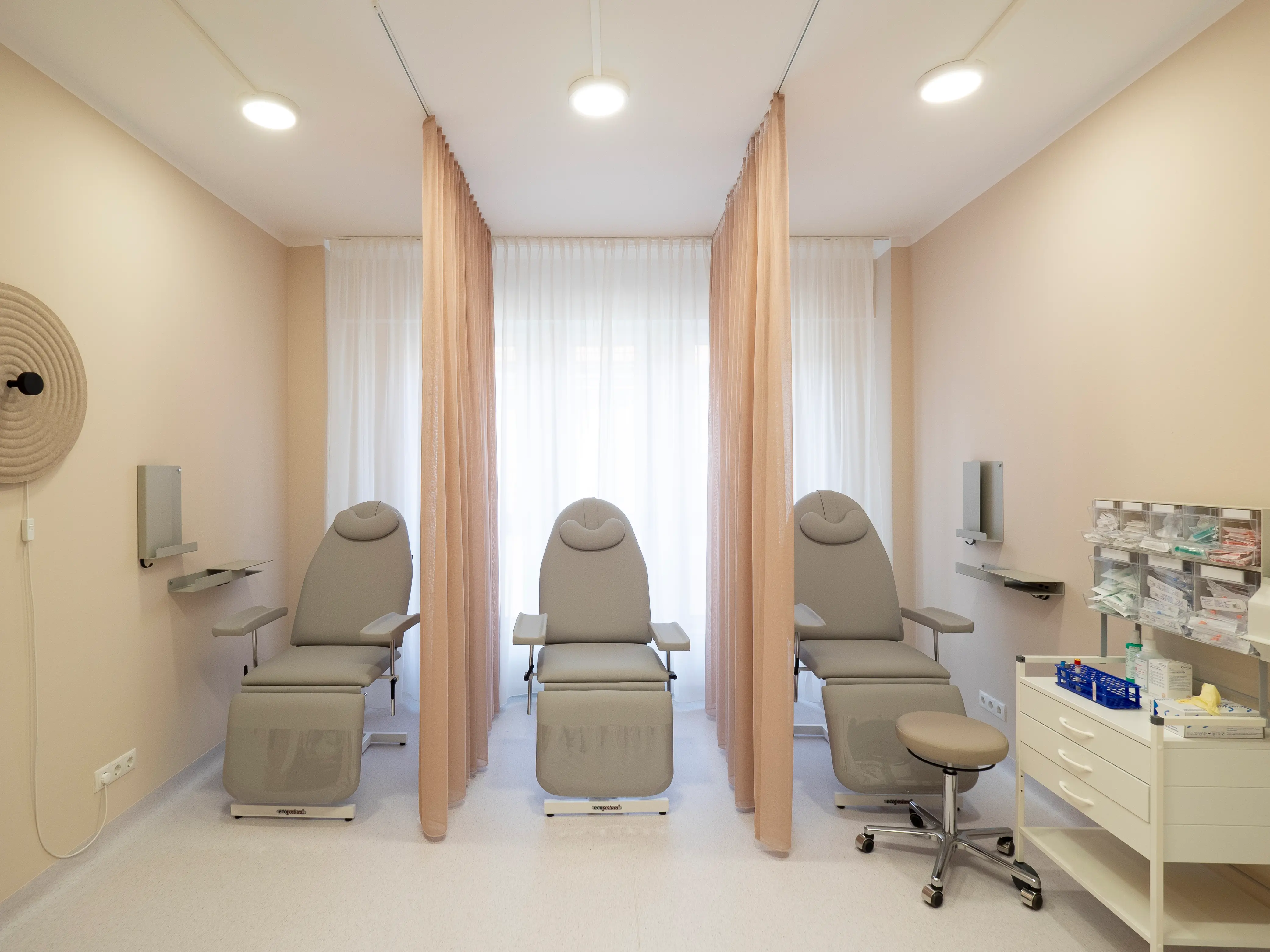
Modern treatment rooms with a thoughtfully conceived spatial concept that unites medical excellence with a pleasant atmosphere
© PMC
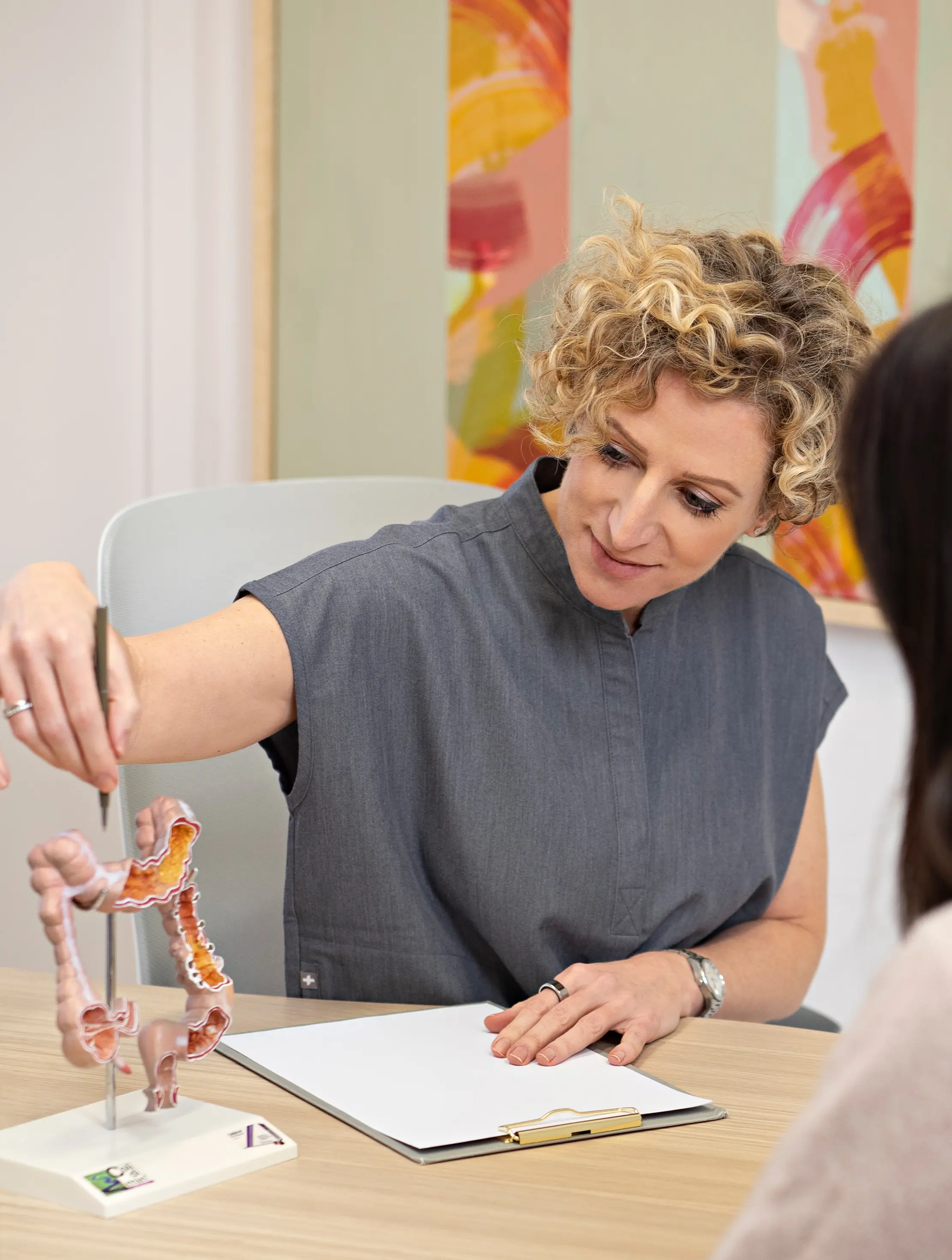
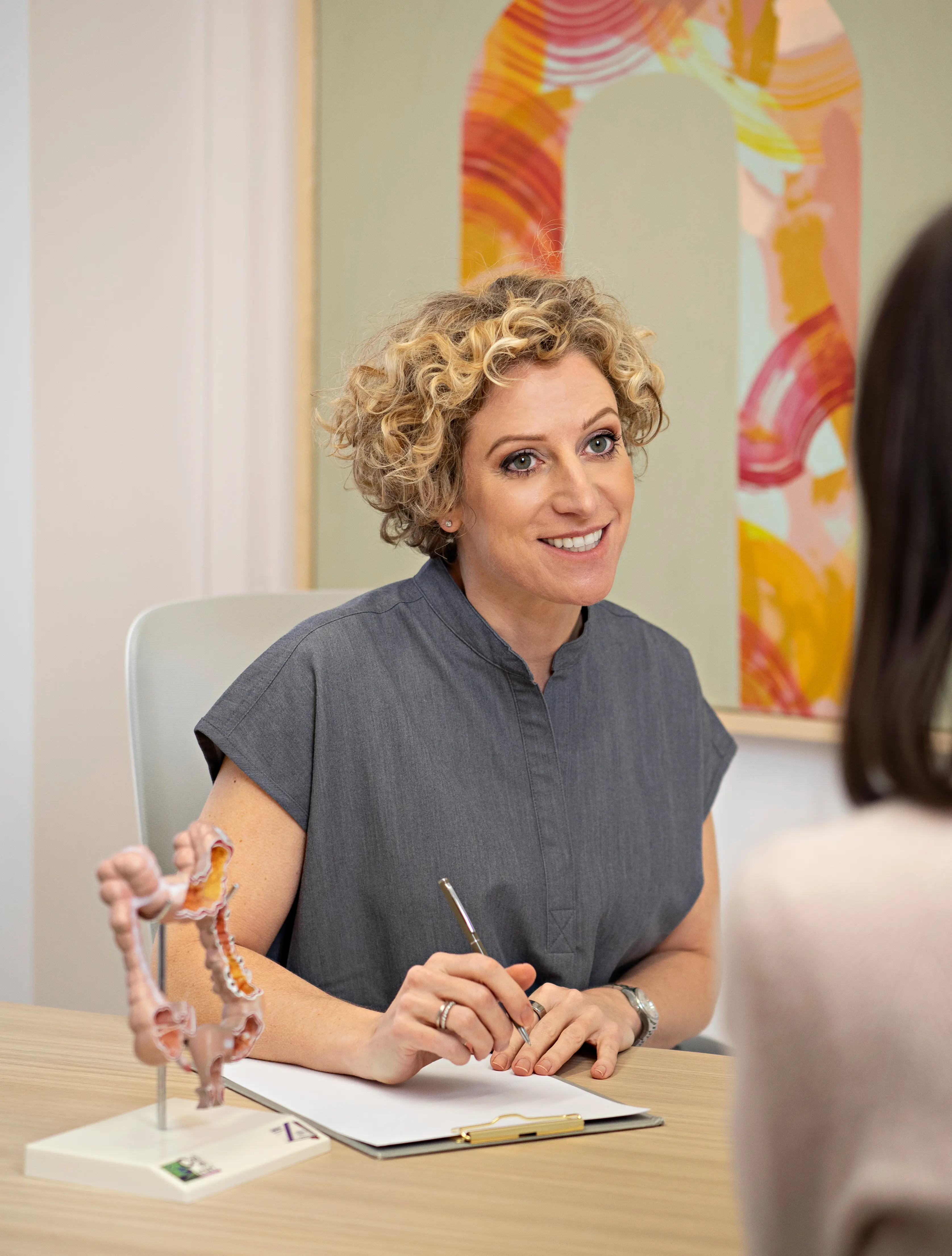
A personal medical consultation featuring clear visual representations of anatomical structures as a foundation for informed understanding and individualized care
© PMC
Dr. Birgit Dinnewitzer during a personal patient consultation, providing individual guidance and medical expertise in a comfortable setting
© PMC
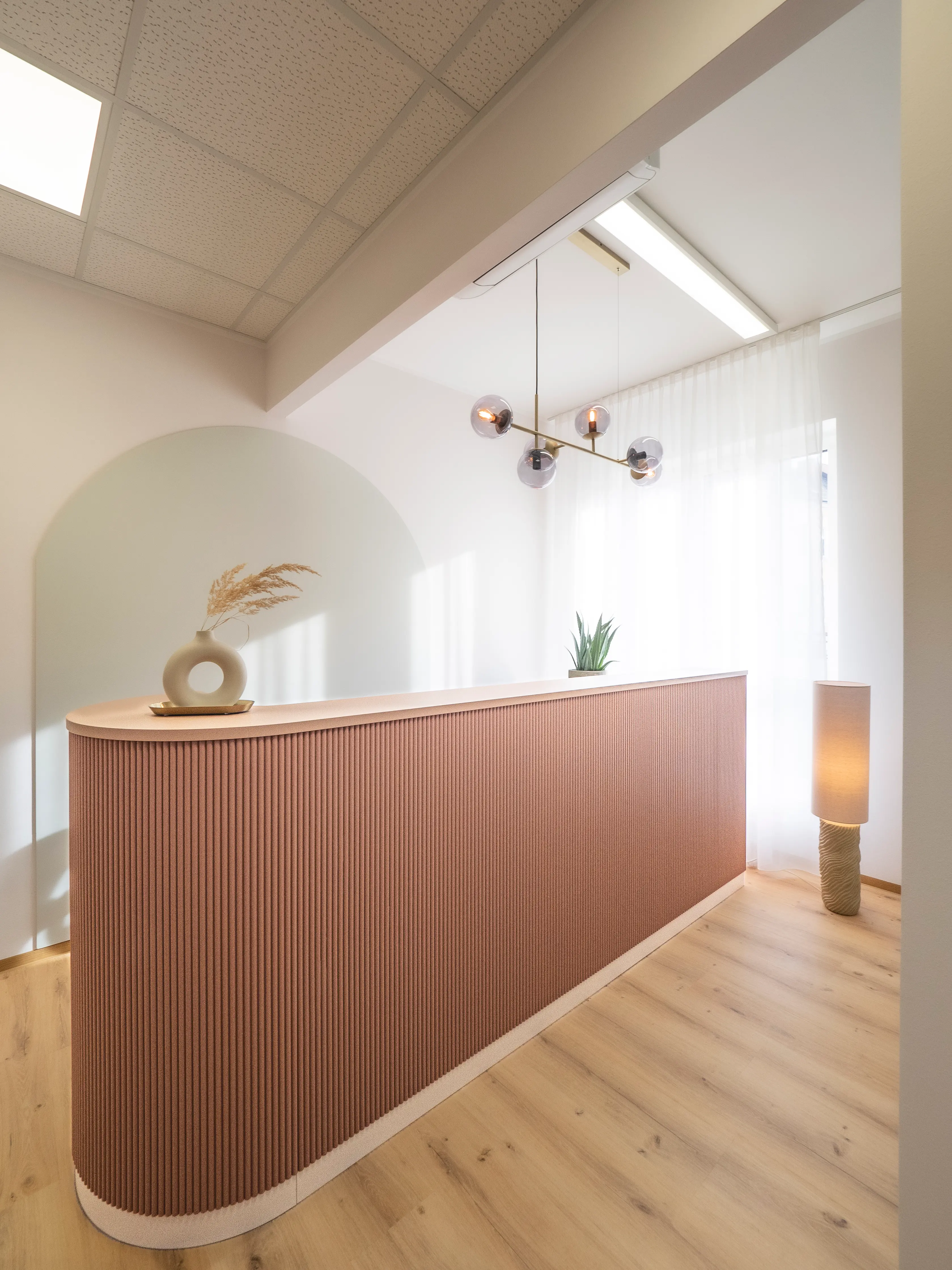
The reception area in Steyr pairs contemporary design with an inviting atmosphere and a commitment to quality and well-being

© PMC
A stylishly designed waiting area that puts visitors at ease with harmonious colors, carefully chosen furnishings, and a warm atmosphere
© PMC
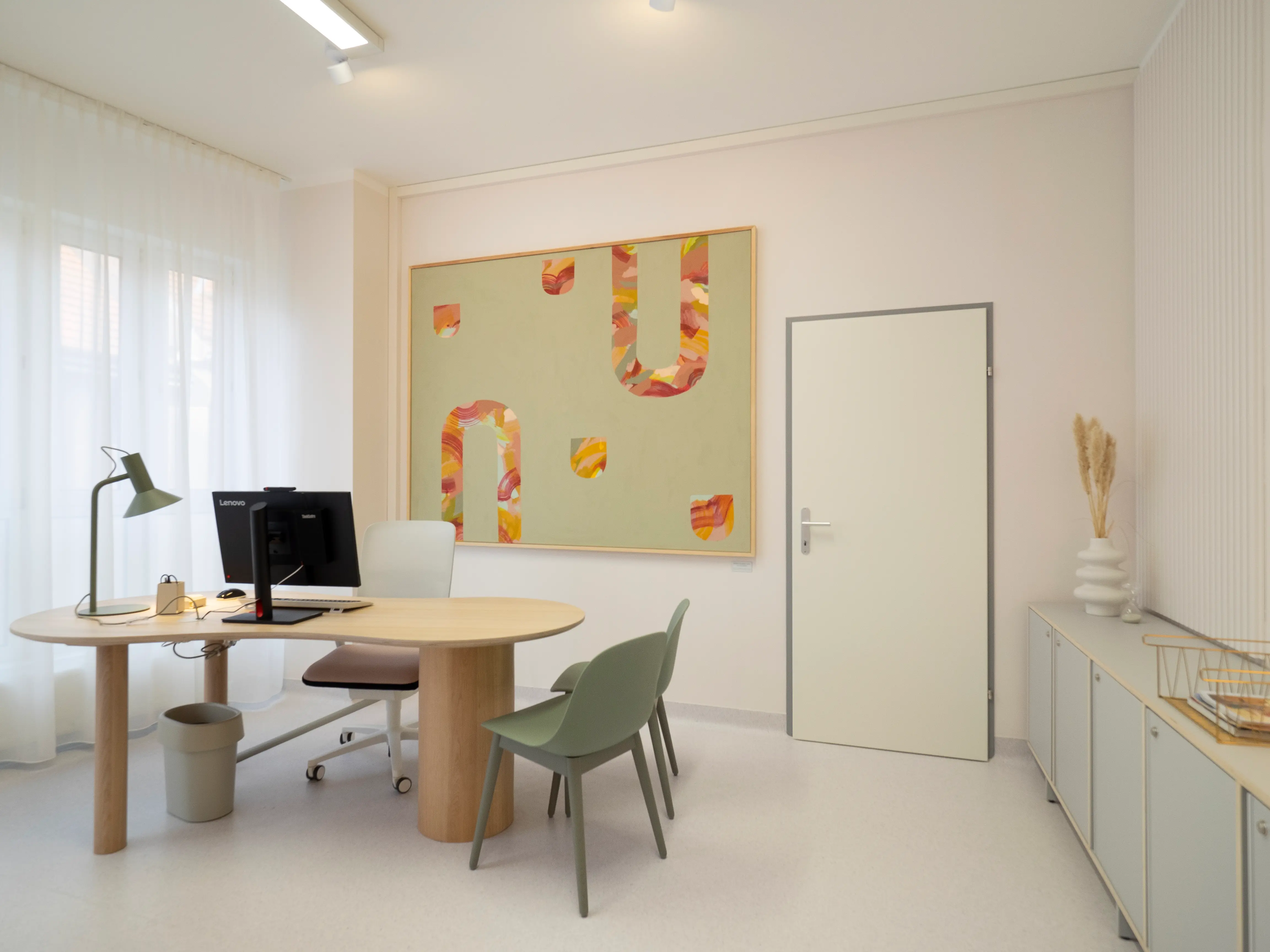
A thoughtfully designed consultation room with a harmonious color scheme and high-quality furnishings, created for personal and trustworthy medical conversations
She came to endoscopy somewhat by chance during her training. Rotation schedules meant she had to stay there longer than planned — but that was precisely what opened up a new perspective for her.
Many of her patients have already been through countless examinations. Bloating, pain, or irregular bowel movements disrupt their daily lives, yet they are repeatedly told that nothing is wrong. This is exactly where Dinnewitzer's real detective work begins.
Not every functional bowel complaint is irritable bowel syndrome, and not every bloated abdomen is caused by small intestinal bacterial overgrowth — SIBO for short. Breath tests can provide useful clues, but they must be chosen according to the patient's symptoms and interpreted by an expert.
When SIBO is diagnosed, treatment is guided by its type and possible underlying causes. Depending on the findings, antibiotics or herbal remedies are used, supported by nutritional medicine and lifestyle adjustments. This combination reflects Dinnewitzer's philosophy: her passion lies in classical conventional medicine, while she remains equally attentive to the possibilities that naturopathy has to offer.
„90 Prozent der Diagnose liegen in der Anamnese, im Gespräch mit dem Patienten.“
Dr. Birgit Dinnewitzer
The gut-brain axis plays an important role in functional complaints. When pain persists over a prolonged period, the nervous system can become increasingly sensitive to signals from the digestive tract. Digestive movements that once went largely unnoticed may then begin to trigger symptoms. Medical hypnosis targets this signal processing. It is designed to help regulate perception patterns and draw on a patient's own inner resources when facing stressful situations.
This has nothing to do with stage hypnosis. Patients remain fully responsive at all times.
Hypnosis is also not a tool to be used casually. Specialist knowledge and clear boundaries are essential, particularly when traumatic experiences are involved.
For this doctor, patient education doesn't stop at the practice door. Under the handle @doc_dinni, she explains medical topics on Instagram in a sharp and humorous way, producing all the posts herself — and clearly enjoying every bit of it. This also gives expression to the creative side that once nearly drew her toward graphic design. Above all, however, she wants to counter questionable health advice with solid, well-founded knowledge. Doctors need to be present where people go looking for answers:
„Ich muss der sichere Hafen für den Patienten sein.“
Dr. Birgit Dinnewitzer
One topic she encounters repeatedly — both in her practice and online — is sweeping dietary recommendations. Dinnewitzer is particularly critical of
And yet sometimes it is the simple things that do the gut the most good. One recommendation is especially close to her heart, and it applies to everyone: chew thoroughly, and eat without a screen or other distractions. She doesn't always manage this herself either. What matters, though, is not perfection — it's keeping these basics in mind, again and again.
As varied as the complaints and methods may be, the starting point is always the same: listen carefully, examine thoroughly, and work out the right therapy together.
I see health as a continuous process of self-care, not merely the absence of illness. That is why I strive to offer my patients a new perspective on achieving, maintaining, and actively promoting their health."
„Keine Therapie ist gleich, weil kein Patient gleich ist.“
Dr. Birgit Dinnewitzer