© Magnific-KI
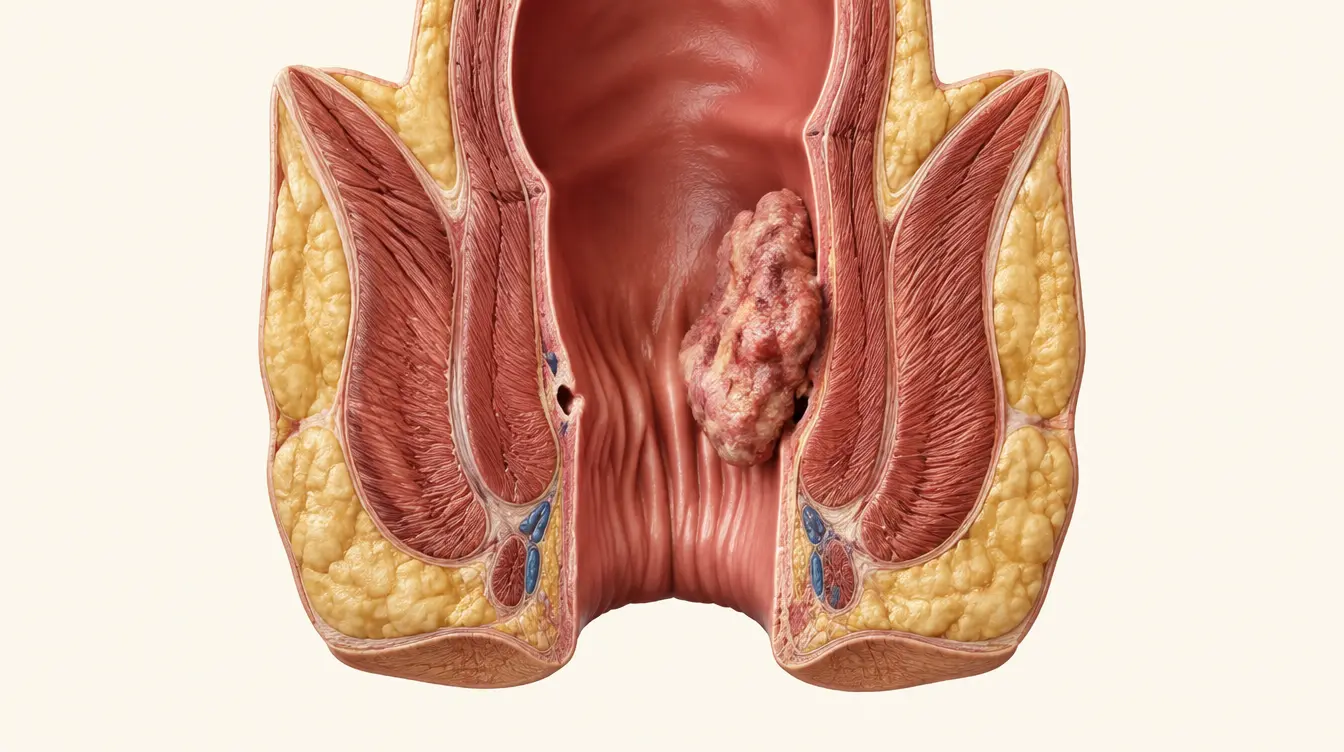
Anal Carcinoma
Anal cancer is rare compared to colorectal cancer. It develops in the anal canal and is frequently associated with a long-standing infection with certain HPV types. Possible symptoms include bleeding, pain, itching, a sensation of a foreign body, or a palpable change at the anus. These complaints very often have benign causes, such as hemorrhoids. Nevertheless, any newly occurring or persistent changes should be evaluated proctologically.
Detected Early, Highly Treatable
If an abnormal finding is detected, a small tissue sample is taken first. Should the suspicion of anal carcinoma be confirmed, further examinations follow to determine the size and extent of the tumor. Unlike many other cancers of the digestive tract, treatment of anal carcinoma does not typically begin with major surgery. In most cases, the tumor can be successfully treated with a combination of radiation and drug-based cancer therapy. Treatment should be planned on an interdisciplinary basis, with proctology, oncology, radiation therapy, radiology, and pathology working closely together. Early detection is particularly important: in people at increased risk, precancerous lesions can be identified and treated through specialized examinations such as HRA, before an invasive tumor ever develops.
Other Treatment Methods in this Department
Experts for this Treatment Method
All Experts in this Department
Show All
- Modern Abdominal Surgery
Dr. Birgit Dinnewitzer
Dr. Birgit Dinnewitzer
- Modern Abdominal Surgery
Dr. med. Felix Hemminger
Enddarmzentrum München-Bavaria
- Modern Abdominal Surgery
Prof. Dr. med. Carina Riediger, MSc
Marienhospital Stuttgart
- Modern Abdominal Surgery