© Thirdman
Certain side effects can be countered by taking medications before chemotherapy begins, for example.
October 7, 2026
Moira Hammes
Hair loss, exhaustion, nausea, nerve damage — chemotherapy can take a heavy toll on the body. But some side effects can now be prevented or reduced, sometimes even during the infusion itself.
Chemotherapy for breast cancer can bring side effects that significantly affect daily life. Many patients fear hair loss above all, along with severe exhaustion and nausea. Certain drugs can also damage the nerves, causing tingling, numbness, or pain in the hands and feet.
Quite a lot can already be done preventively today. Medications can often dramatically reduce nausea, exercise can help with cancer-related fatigue, and for certain chemotherapy regimens, cooling caps as well as cold or compression applied to the hands and feet are now also being used — aimed at reducing hair loss and nerve damage, respectively.
Which measures are appropriate, however, depends on the specific chemotherapy regimen and the individual's situation.
In chemotherapy, cytostatic agents — substances that inhibit cell growth — are typically administered intravenously. They travel through the bloodstream to reach scattered cancer cells throughout the body.
Treatment is given in several cycles, the duration and frequency of which are tailored to the individual. Delivering therapy in cycles allows tumor cells in various phases of growth to be targeted more precisely, which is intended to improve treatment outcomes.
The breaks between cycles also give healthy cells time to recover from the effects of the treatment.
Whether a patient with breast cancer needs chemotherapy cannot be determined by tumor size or spread alone. The biology of the tumor also plays a crucial role — for example, whether the cancer cells carry hormone receptors, are HER2-positive, or have certain other characteristics.
The individual risk of recurrence also factors into the treatment decision. The large TAILORx trial showed, for example, that certain patients with hormone receptor-positive, HER2-negative breast cancer do not benefit from additional chemotherapy.
Depending on the situation, chemotherapy may be used before surgery to shrink the tumor, or afterward to eliminate any remaining cancer cells. It can also be part of treatment for metastatic breast cancer. That said, not every breast cancer patient requires chemotherapy.
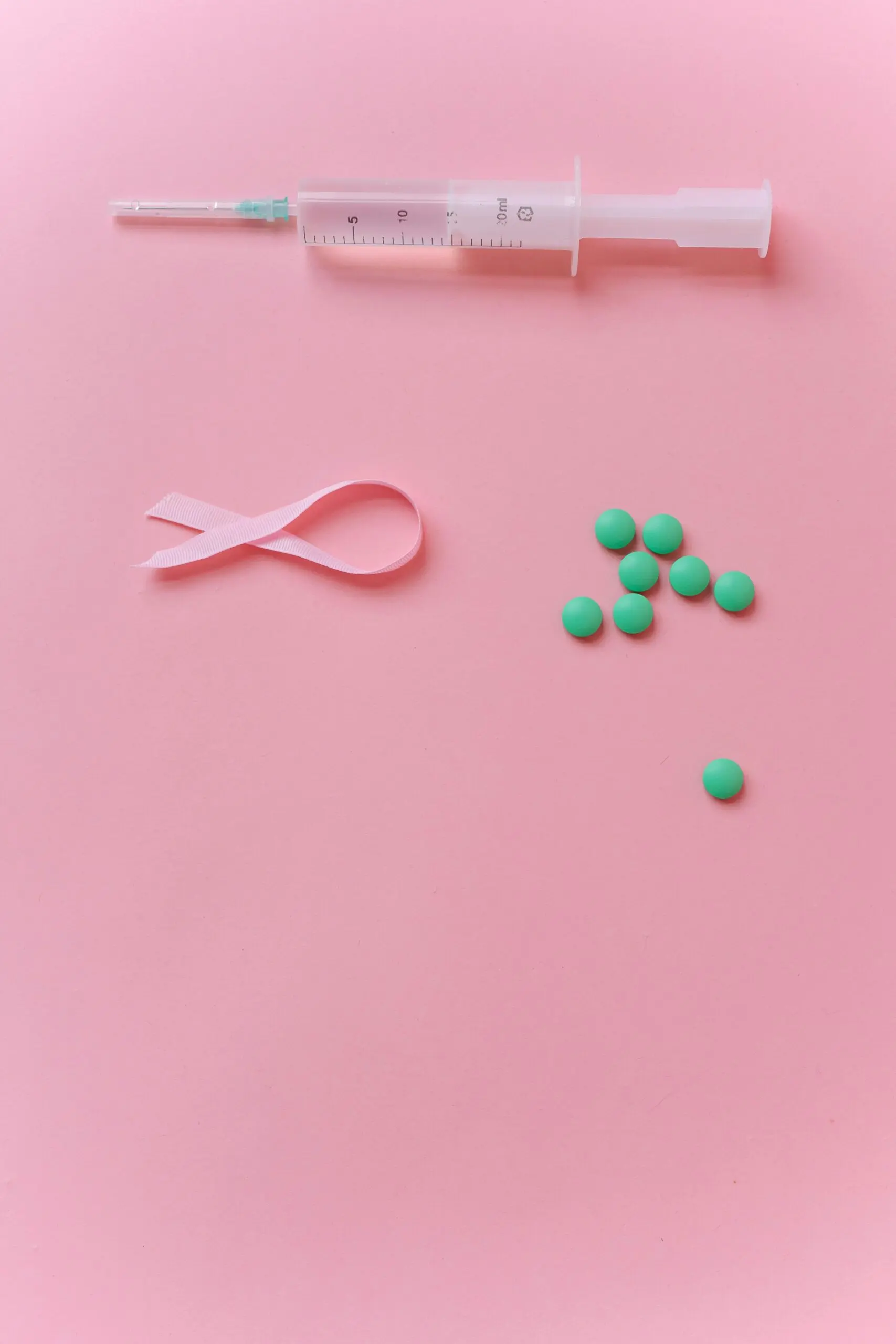
Many chemotherapy drugs primarily attack rapidly dividing cells. This affects cancer cells, but also healthy cells — for example, those in the hair follicles, mucous membranes, or bone marrow. As a result, side effects such as hair loss, nausea, changes in blood counts, and inflammation of the mucous membranes can occur.
Which side effects actually develop, and how severe they are, depends on factors including the agents used, their dosage, and the individual's response. Certain medications can also place strain on the nerves or the heart.
Nausea and vomiting are among the most well-known side effects of chemotherapy. However, the actual risk depends heavily on the medications used and their dosage — and nausea can often be prevented with the right treatment today.
For this purpose, so-called antiemetics are used, typically before chemotherapy begins. Depending on the treatment, various agents can be combined with one another and administered over several days. Which medications are needed depends, among other things, on how likely a given chemotherapy regimen is to trigger nausea and vomiting.
If symptoms occur despite preventive treatment, the care team should be informed. Medications can be adjusted or supplemented as needed. Accompanying symptoms such as loss of appetite, changes in taste, or inflammation of the oral mucosa should also be addressed, as they can make eating and drinking even more difficult.
The exhaustion that accompanies cancer treatment is not comparable to ordinary tiredness. So-called fatigue can mean that even everyday tasks suddenly take an enormous amount of effort — and it often does not simply go away with more sleep or rest.
This is precisely why the idea of exercising more at such a time can seem counterintuitive. Yet physical activity is now among the measures recommended for cancer-related fatigue. A meta-analysis from 2025 covering 33 randomized studies found positive effects on fatigue particularly for strength training and yoga.
How intensively a person can train depends on their individual treatment and overall health. When exhaustion is severe, it is also worth investigating whether there are other treatable causes behind it — such as anemia.
Some chemotherapy agents used for breast cancer can damage the nerves. This side effect is particularly associated with so-called taxanes such as paclitaxel or docetaxel. Those affected often first notice tingling, numbness, or an uncomfortable burning sensation in their fingers and toes — a condition physicians refer to as chemotherapy-induced peripheral neuropathy.
One way to reduce the risk is to cool the hands and feet during the infusion using special cooling gloves and socks. The cold causes blood vessels to constrict, reducing blood flow to the hands and feet and presumably limiting how much chemotherapy agent reaches them during treatment.
In addition to cooling, compression is also being studied and used. A randomized trial compared both methods in breast cancer patients undergoing taxane chemotherapy. Whether and how reliably nerve damage can be prevented by these means, however, has not yet been conclusively established.
The updated S3 guideline on supportive therapy for oncology patients lists both cryotherapy and compression as options for preventing taxane-induced polyneuropathy. They can reduce the risk and severity of nerve damage, but cannot reliably prevent it entirely.
If tingling, numbness, pain, or difficulties with fine motor skills develop during chemotherapy, the care team should be informed as early as possible. Depending on the severity, it may be necessary to adjust the treatment.
For many patients, hair loss is one of the most visible and distressing consequences of chemotherapy. Whether hair actually falls out, and to what extent, depends on the medications used and their dosage. Not every chemotherapy regimen for breast cancer necessarily leads to complete hair loss.
One approach to reducing hair loss is so-called scalp cooling. The patient wears a cooling cap before, during, and for some time after the infusion. The low temperature constricts the blood vessels of the scalp, reducing blood flow to it, while also slowing the metabolism of the hair follicle cells. The aim is to limit the hair follicles' exposure to the effects of chemotherapy.
How well the method works depends, among other things, on the chemotherapy regimen used and the correct fit of the cooling cap. In a randomized trial published in the journal JAMA, about one in two patients who used scalp cooling retained at least half of their hair. In the group without a cooling cap, none of the patients did.
Not all patients find the treatment tolerable. The intense feeling of cold and headaches — especially at the start — can be distressing. Whether scalp cooling is a suitable option should therefore be discussed with the care team before chemotherapy begins.
Many side effects of chemotherapy are unpleasant but temporary. However, some symptoms require prompt medical attention. Fever is of particular concern during phases when chemotherapy may have significantly reduced the number of certain white blood cells — in such situations, an infection can escalate into a serious complication within a short time.
Sudden shortness of breath, severe or unusual pain, persistent vomiting or diarrhea, and a marked decline in general condition should not be left until the next scheduled appointment. Before chemotherapy begins, patients should clarify with their care team which symptoms — and which temperature threshold — mean they need to call immediately.
Many acute side effects improve once chemotherapy ends. Hair grows back, mucous membranes and blood production generally recover, and nausea typically resolves quickly after treatment is completed. How long recovery takes, however, varies from person to person.
Some effects can linger for longer. Nerve damage in particular may persist: tingling, numbness, or pain in the hands and feet can ease over the course of months, but in some patients it may remain permanent. Ongoing exhaustion, too, should not simply be accepted as inevitable.
This makes it all the more important not to wait until side effects become barely bearable before raising them with the care team. Many complaints can be treated or at least relieved today — and for some, steps can already be taken during chemotherapy to prevent them in the first place.

Less stress, better focus, greater peace of mind: EXOMIND aims to improve mental resilience through magnetic stimulation. Dr. Neda Nabavi explains how the treatment works, what changes she has observed in her patients, and why she considers brain health essential to longevity medicine.
Christine Bürg & Marianne Waldenfels

An interview with
Dr. med. Neda Nabavi

Cut out sugar, reduce carbohydrates, avoid certain foods: there’s no shortage of advice about diet and cancer. Oncologist Dr. Gesche Brannolte-Raab explains what the evidence shows – and what she recommends to her patients.
Christine Bürg & Marianne Waldenfels

An interview with
Dr. med. Gesche Brannolte-Raab