Fiber Sodas: What the New Gut-Health Drinks Actually Deliver
Up to ten grams of fiber per serving and a healthier gut: that's what fiber sodas promise. But their effects on the microbiome have not been demonstrated in studies of the finished drinks. Here's what the research actually shows — and why consumer advocates are raising concerns.
Pastel-colored cans, flavors like Passionfruit Mango or White Peach, and buzzwords like "Gut Health" and "High Fiber": a new category has arrived on the beverage shelf. Fiber sodas are supposed to not only refresh you but also do something for your gut health. Some contain as much fiber per serving as a small meal.
The trend comes from the United States, where prebiotic soft drinks have long since become big business. German manufacturers are now offering similar products as well. But what do these drinks actually contain? And do the gut and microbiome really benefit?
The figures refer to the serving sizes stated in the market check. The products come in different package sizes, so the values should not be treated as direct concentration comparisons.
For comparison: the German Nutrition Society (DGE) recommends that adults consume at least 30 grams of fiber per day. According to data from the National Nutrition Survey II, many people fall short of this target. Women consumed an average of around 18 grams per day, men around 19 grams.
The drinks contain various types of soluble fiber. Braineffect contains, among other things, inulin from chicory root, while More Fizi relies on a blend of corn fiber, tapioca dextrin, acacia fiber, and partially hydrolyzed guar gum. Gerolsteiner Flow, by contrast, contains resistant maltodextrin.
Pop'it also uses fiber from chicory root. Super Pop and XoXo additionally contain Jerusalem artichoke powder, which can naturally provide inulin. However, the actual amount of inulin in each individual drink cannot be determined from the ingredient information alone.
Fibers differ in how quickly and to what extent gut bacteria break them down. Inulin ferments readily and can promote the growth of bifidobacteria. Resistant dextrins, acacia fiber, and partially hydrolyzed guar gum are also utilized by gut bacteria, though at different rates and to varying degrees.
Fermentation produces, among other things, short-chain fatty acids such as acetate, propionate, and butyrate, which perform important functions in the gut.
What Studies Show About the Effect on the Gut
Evidence that prebiotic fibers can influence digestion comes from a study published in 2025 in BMC Gastroenterologypublished study. In it, 39 adults with functional constipation received twelve grams of chicory inulin or a placebo daily for four weeks. The study was randomized, double-blind, and designed as a crossover trial.
With inulin, stool frequency improved. Certain abdominal complaints and quality of life also developed more favorably. At the same time, the composition of the gut flora changed. That said, the study was small, and potential carryover effects between treatment phases complicate the interpretation of the results.
The amount studied is also legally relevant: the EU permits a health claim for natural chicory inulin, stating that it contributes to normal bowel function by increasing stool frequency. The prerequisite is a daily intake of twelve grams of this inulin.
None of the eight drinks examined provides twelve grams of fiber per stated serving. Moreover, the fiber they contain is not necessarily inulin. No comparable effect can therefore be inferred from the product information.
The key distinction is this: the study examined a defined amount of chicory inulin, not a ready-made fiber soda. Whether More Fizi, Super Pop, or any of the other products have a comparable effect has not yet been demonstrated.
Why Consumer Advocates Criticize the Advertising for Fiber Sodas
Many of the new sodas advertise with terms like "gut-friendly," "prebiotic," or "gut health." But not all of the associated health claims are scientifically proven. In their market check in April 2026, the Verbraucherzentrale Bayern objected to several advertising claims made for the fiber drinks examined, which in their view partially violate the European Health Claims Regulation.
According to the Verbraucherzentrale, some statements were subsequently adjusted or withdrawn, while others were still subject to legal review.
Apple Cider Vinegar, Bacterial Cultures, and Postbiotics: What Else Is Inside?
Some manufacturers go beyond added fiber and combine a range of functional ingredients.
In the market check, three drinks contained apple cider vinegar: Super Pop Passionfruit-Mango, Pop'it Classic Orange, and Braineffect Daily Gut Limo. Apple cider vinegar is frequently credited with having a positive effect on digestion. However, there is no evidence that the amounts found in such drinks actually improve gut health.
Other products contain bacterial cultures or so-called postbiotics. Braineffect, for example, used Bacillus coagulans, while Super Pop advertised components of Lactobacillus plantarum.
The distinction matters: probiotics are live microorganisms that, in sufficient quantities, have a demonstrated health benefit. Postbiotics, by contrast, consist of preparations of inactivated microorganisms or their components, and a health benefit must likewise be demonstrated for these.
But neither added bacterial cultures nor the label "postbiotic" guarantees that a drink will improve gut health. What matters is whether the specific preparation has a proven effect at the amount used.
Why Fiber Sodas Can Cause Bloating
What feeds gut bacteria can have unpleasant consequences for sensitive individuals. The bacterial breakdown of fermentable fiber produces gases. Inulin and related fructans in particular can cause bloating, abdominal pain, and a feeling of fullness.
This mainly affects people with irritable bowel syndrome. Inulin belongs to the so-called FODMAPs — a group of fermentable carbohydrates that can worsen symptoms in those with the corresponding sensitivity.
People who currently consume little fiber should also avoid increasing their intake by a large amount all at once. An extra ten grams of fiber in one go can certainly put a strain on the gut — though tolerability also depends on the type of fiber involved.
The German Nutrition Society (DGE) therefore recommends increasing fiber intake gradually. This applies to fiber-enriched drinks as well.
Healthier Than Cola — But Not Healthier Than Water
Swapping a sugar-laden soda for a low-sugar gut drink can reduce your sugar intake while also boosting your daily fiber intake. Compared with water or unsweetened tea, however, these drinks offer no proven additional health benefit.
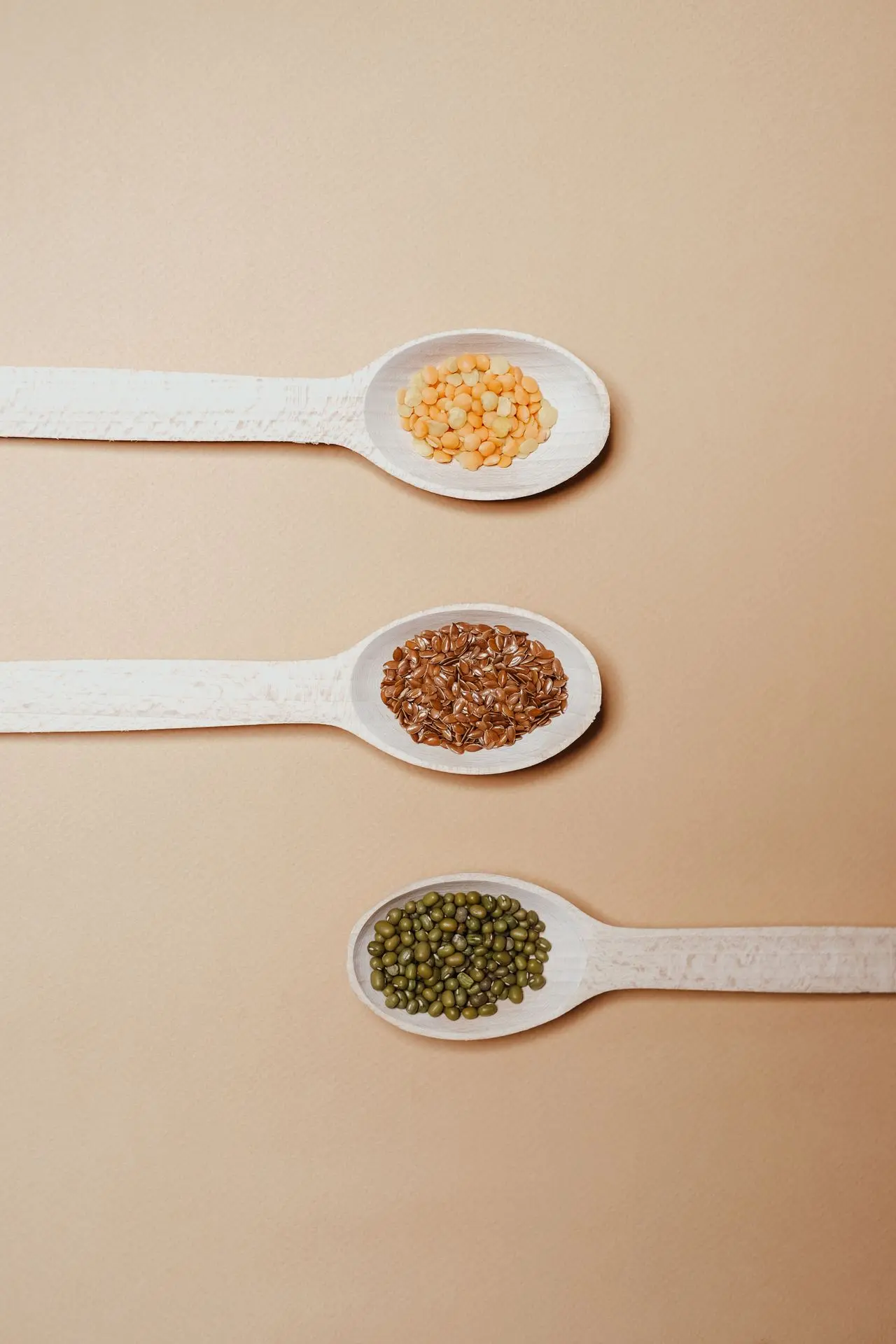
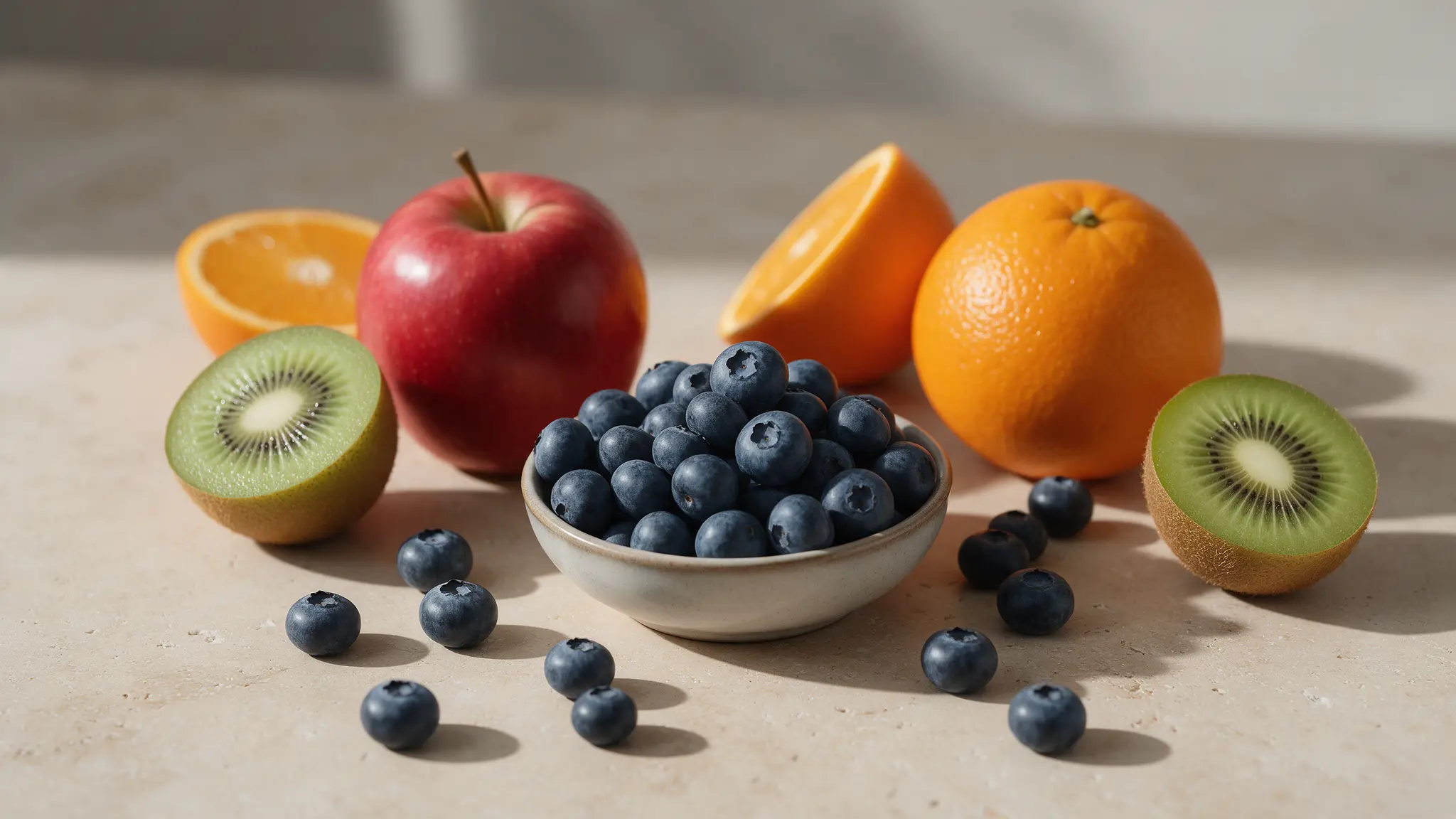
On top of that, whole grains, legumes, fruit, and vegetables deliver far more than isolated fibers: they also provide vitamins, minerals, plant protein, and secondary plant compounds. The Verbraucherzentrale also points out that it has not yet been sufficiently studied whether fibers added to drinks develop the same functional properties as those found in solid foods.
Fiber sodas can therefore be a worthwhile addition to your diet. But the promises surrounding gut flora and gut health go further than the research on the finished products supports. The can can complement a balanced diet — but the foundation is built on the plate.