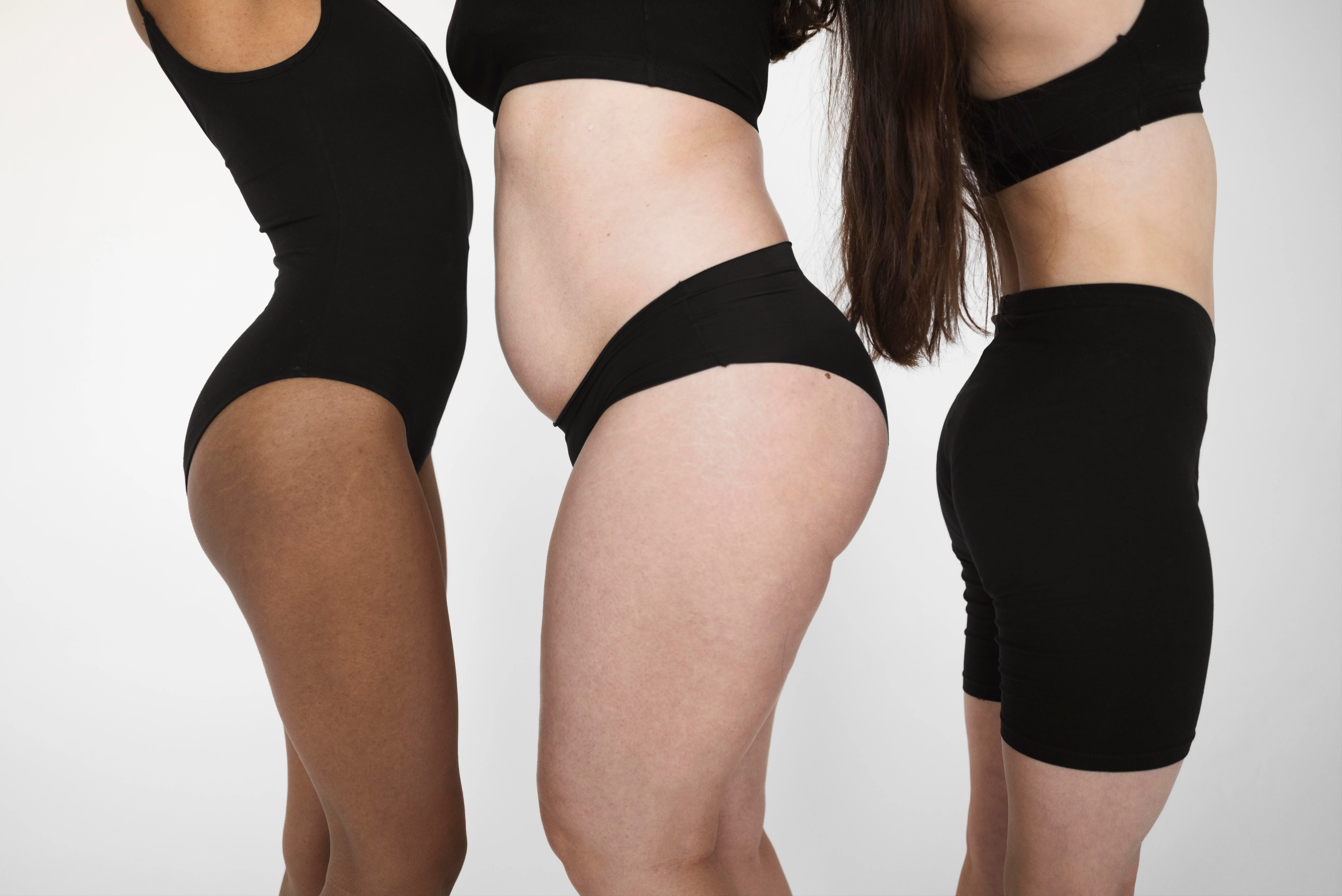
Back to Your Feel-Good Body
"Feel good, live better" – in this podcast episode, Dr. Alexander de Heinrich shares how he helps his patients achieve a body they feel truly comfortable in.
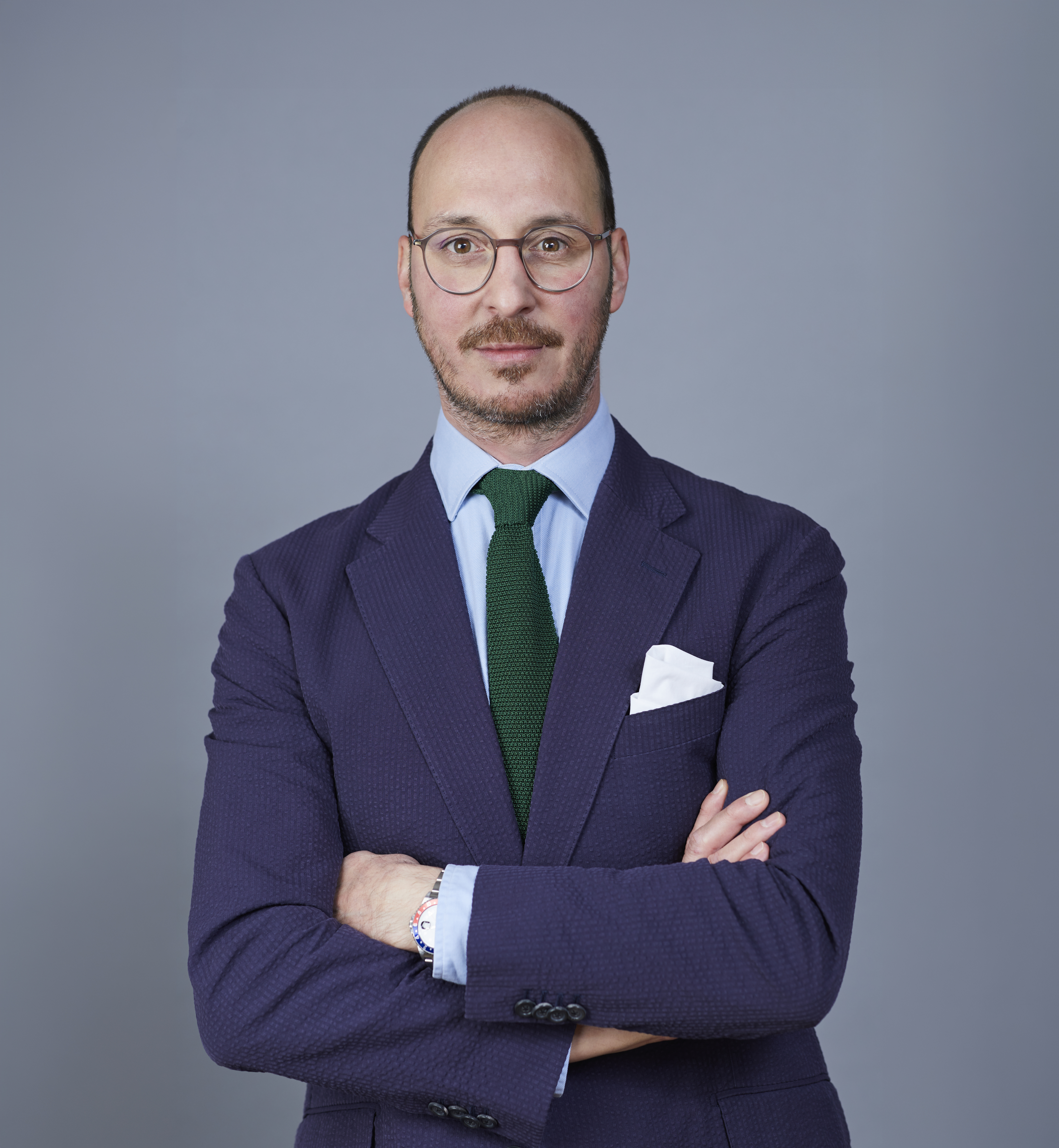
When significant weight loss or pregnancy leaves a person's outward appearance out of step with their inner sense of self, Dr. Alexander de Heinrich is the right person to see. The plastic and aesthetic surgery specialist is renowned, among other things, for his expertise in body contouring and mommy makeover procedures: he tightens excess tissue on the abdomen and breasts, restores volume where it is needed, and brings back a harmonious silhouette. His philosophy: function and aesthetics are not opposites — they complement each other. In the current episode of FEEL GOOD, LIVE BETTER, he also talks about what sets his female patients' wishes apart from those of his male patients at Munich's Aestheticum, the role that family and close friends play in his recommendations, and how the weight-loss injection is reshaping his field.
The Podcast by Premium Medical Circle
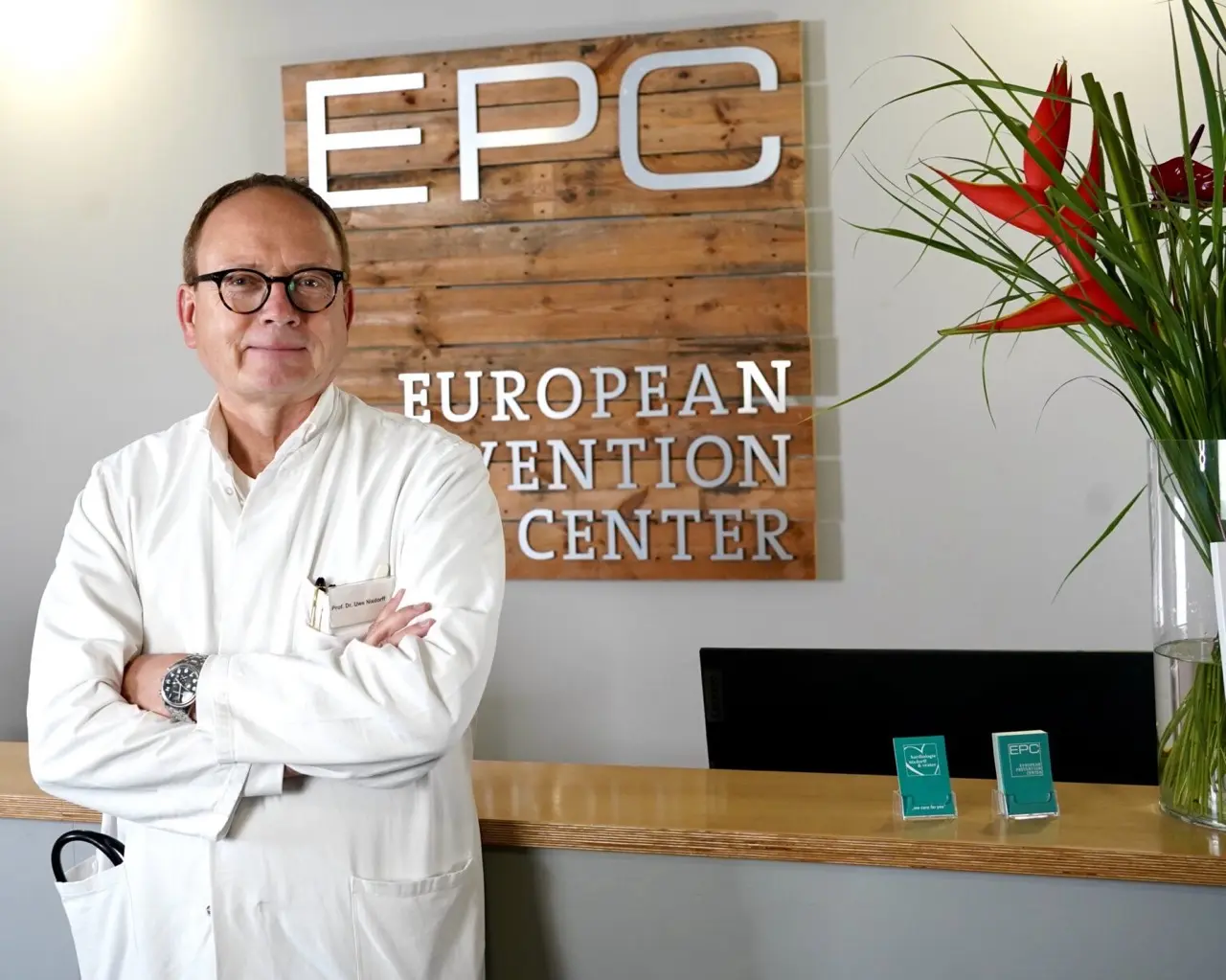
PMC Managing Director Stephanie Neureuter has spoken with, among others, endocrinologist and diabetes expert Dr. Alexandra Schoeneich, longevity expert Nils Behrens, cardiologist and preventive medicine specialist Prof. Dr. Uwe Nixdorff, fasting experts Dr. Verena Buchinger and Leonard Wilhelmi, and lipedema specialist Dr. Anna-Theresa Lipp.
Feel Good, Live Better
In this health podcast from Premium Medical Circle, Stephanie Neureuter sits down with experts from a wide range of fields, including nutrition, mental health, women's health, psychosomatics, surgery, aesthetic medicine, and digital health.
The conversation centers on health and wellbeing, and on how we can live happy, long lives. Informative, compelling, and entertaining.
New episodes every Wednesday on Spotify, Apple Podcasts, Deezer, Amazon Music, and Audible.