Is diabetes soon curable?
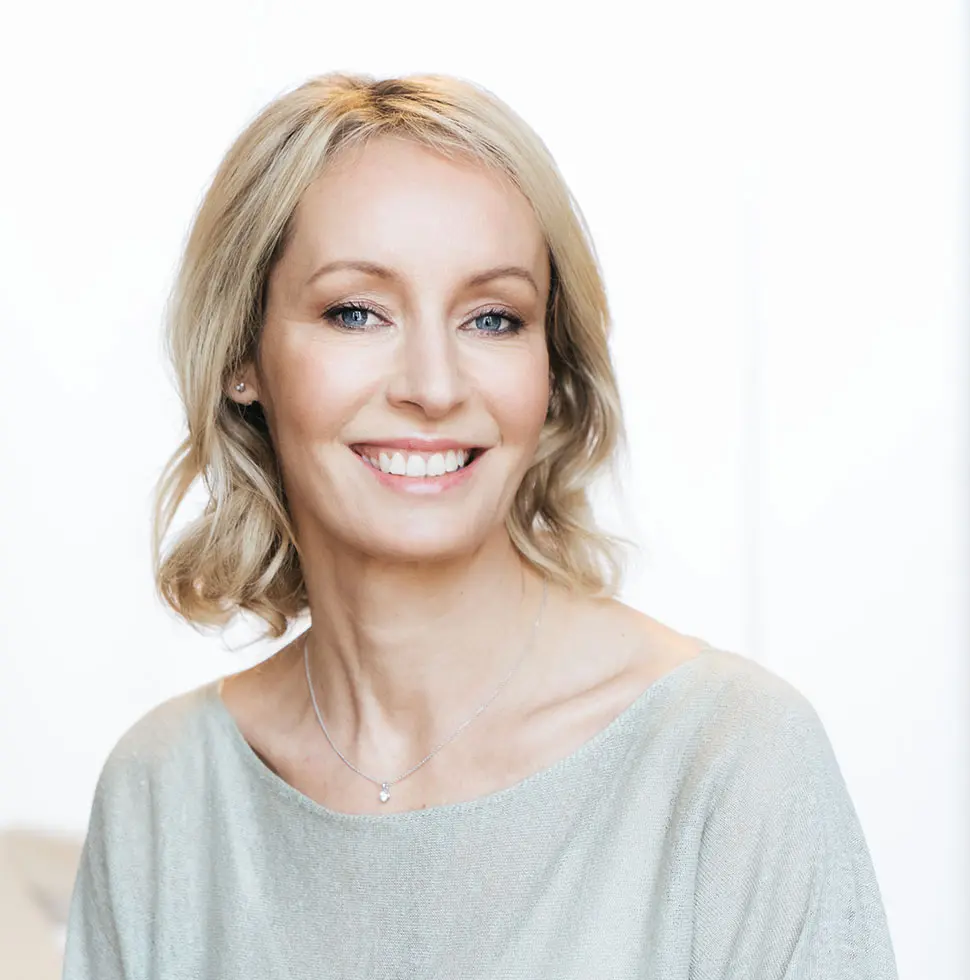
"Feel good, live better" – the health podcast by Premium Medical Circle. Dr. Alexandra Schoeneich talks about the fears of those affected and new therapeutic approaches to diabetes.
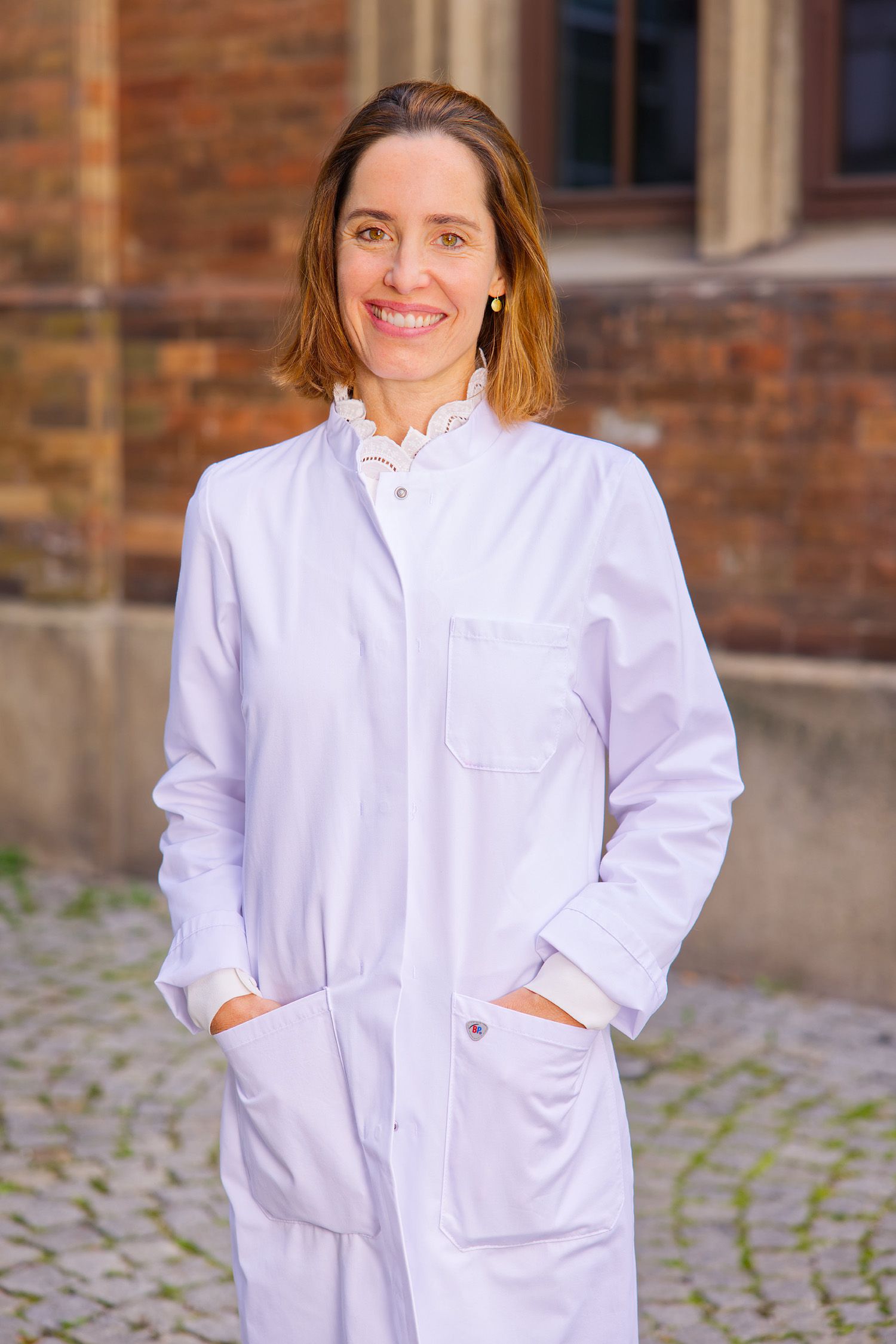
With around 11 million affected people, diabetes is one of the most common chronic diseases in Germany, right after high blood pressure. The good news: "With a corresponding lifestyle, you can positively influence the course of the disease in most cases and even prevent diabetes through targeted prevention," says Dr. Alexandra Schoeneich. The specialist in endocrinology, diabetology, and internal medicine at the Diabetes, Hormone, and Metabolism Center at the Isar Klinikum in Munich talks in the current episode of FEEL GOOD, LIVE BETTER about the fears of those affected, about the latest therapy options, and her hope that diabetes might soon be cured.
The podcast by Premium Medical Circle
PQ publisher Stephanie Neureuter met, among others, the heart surgeon Dr. Ferdinand Vogt, the orthopedic and digital health expert Dr. Dominik Pförringer, the owner of the LVATE Institute Dr. Lukas Kohler, the specialist in internal medicine and longevity expert Dr. Andrea Gartenbach, the laser specialist Dr. Tabitha Neuhann as well as the plastic surgeon Dr. Caroline Kim.
Feel good, live better
In the health podcast by Premium Medical Circle, Stephanie Neureuter talks with experts from various fields such as nutrition, mental health and women's health, psychosomatics, surgery, aesthetic medicine, or digital health.
As in the print magazine Premium Quarterly, it's about health and wellbeing and how we can lead a happy, long life. Informative, exciting, entertaining.
Every Wednesday, on Spotify, Google Podcasts, Deezer, Amazon Music, and Audible.