Sun-Damaged Skin: What Really Helps Against Wrinkles, Sun Spots, and UV Damage
Sun damage often develops long before it becomes visible. Dermatologist Dr. Hanna Halter explains which treatments and skincare ingredients really work – and which changes cannot be reversed.
A sunburn usually heals within a few days. The real damage from the sun, however, develops gradually – often over years, and long before it ever becomes visible. Age spots, wrinkles, and loss of elasticity are frequently the result of chronic UV exposure.
While UVB rays are the primary cause of sunburn, UVA rays penetrate far deeper into the skin. There, they drive oxidative stress, damage collagen and elastin fibers, and speed up the natural aging process.
Dermatologists call this photoaging – premature skin aging caused by chronic UV exposure. Common consequences include age spots, wrinkles, loss of elasticity, and an uneven complexion.
"From a dermatological standpoint, we need to be clear about one thing: sun damage that has already occurred generally cannot be fully reversed," explains dermatologist Dr. med. Hanna Halter.
Chronic UV exposure leads to structural changes in the skin – including collagen breakdown, alterations to elastic fibers, shifts in pigmentation, and DNA damage in skin cells.
The good news is that the appearance of the skin can often be significantly improved today. Dr. Hanna Halter explains which active ingredients and treatments have proven effective, when lasers or chemical peels may be worthwhile, and why consistent sun protection remains the single most important anti-aging measure.
Key Takeaways
UV radiation is the most important external cause of premature skin aging.
Sun damage that has already occurred cannot be fully reversed, but it can often be significantly improved.
Retinoids, vitamin C, niacinamide, and daily sun protection are among the most scientifically well-researched measures available.
For pronounced age spots or wrinkles, lasers, IPL, or chemical peels may be beneficial.
Consistent UV protection remains the most effective way to prevent new sun damage.
How Can You Recognize Sun-Damaged Skin?
The typical signs of sun-damaged skin include age spots, wrinkles, loss of elasticity, rough or dry skin, and an uneven complexion. With prolonged UV exposure, actinic keratoses can also develop and should be evaluated by a dermatologist.
The skin has a remarkable capacity for self-repair. Day after day, it fixes minor cell damage, sheds dead skin cells, and renews its surface. But these natural repair mechanisms have their limits – especially after years of UV exposure.
"What we can do very well, however, is significantly improve the appearance and, in some cases, the skin's structure. Consistent sun protection prevents further damage and gives the skin a better chance to make use of its own repair mechanisms," says Dr. Halter.
Active ingredients such as retinoids can promote collagen synthesis and help even out pigmentation irregularities. Depending on the condition, chemical peels, IPL, fractional laser therapies, or other energy-based treatments may also be options.
That said, UV damage cannot be completely undone. "The skin has a 'UV memory.' In particular, DNA damage that has already occurred – and the resulting long-term elevated risk of skin cancer – cannot simply be erased." This is why regular skin cancer screenings and consistent UV protection are essential, alongside any aesthetic treatment.
Which Active Ingredients Help with Sun-Damaged Skin?
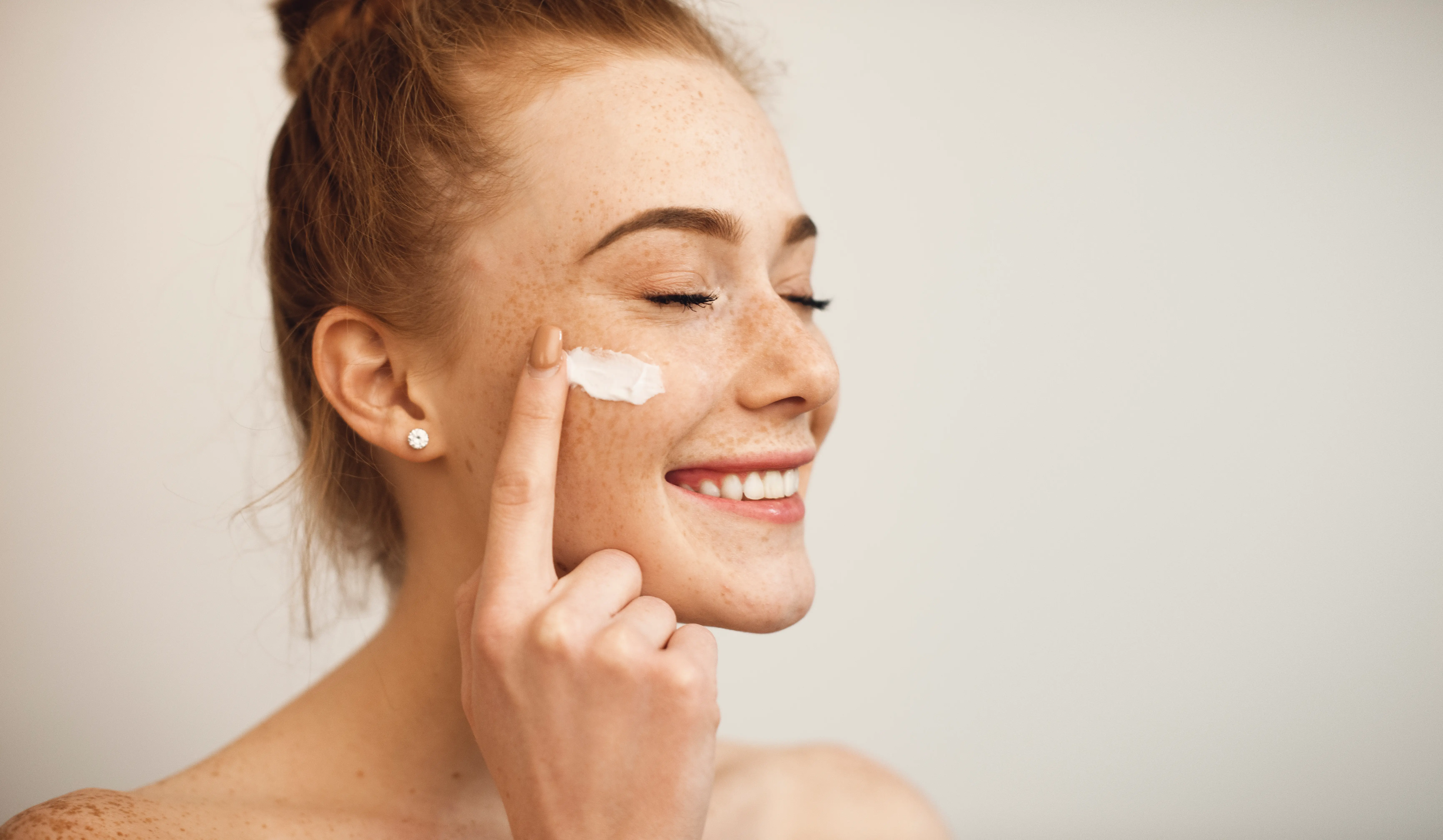
No cream can fully reverse existing UV damage. Nevertheless, a number of active ingredients have solid scientific backing. They can strengthen the skin barrier, lighten age spots, stimulate collagen production, and visibly reduce fine lines. What matters most is not how many ingredients a product contains, but using them consistently – alongside daily sun protection.
Retinoids Are Considered the Gold Standard
Retinoids are among the most thoroughly researched active ingredients for combating UV-induced skin aging. As vitamin A derivatives, they promote cell turnover and stimulate collagen production – which can help reduce fine wrinkles, improve skin texture, and even out pigmentation irregularities.
Different forms are used depending on the product. Prescription tretinoin is particularly potent, while over-the-counter skincare products typically contain retinol or retinal. These work somewhat more slowly but are generally better tolerated.
Dr. Hanna Halter cautions against expecting results too quickly, however. "Many active ingredients only reach their full effect after months of use. Short-term use or constantly switching products often means their true potential is never realized."
Retinoids should be introduced gradually into a skincare routine and are best applied in the evening. Since they can initially increase the skin's sensitivity, daily sun protection is absolutely essential.
Vitamin C, Niacinamide, and Other Active Ingredients
Beyond retinoids, several other ingredients have solid scientific backing. Vitamin C acts as an antioxidant, neutralizes free radicals, and supports collagen production. With regular use, it can also help fade sun-induced age spots and even out skin tone. It works especially well when applied in the morning underneath sunscreen.
Niacinamide (vitamin B3) strengthens the skin barrier, reduces moisture loss, and has anti-inflammatory properties. It can also help diminish age spots and redness, and give the complexion a more even appearance.
Both ceramides and hyaluronic acid can support the recovery of sun-damaged skin. Ceramides help rebuild the skin's natural barrier, while hyaluronic acid attracts moisture and reduces fine lines caused by dryness. Neither can repair UV damage directly, but both usefully complement other anti-aging active ingredients.
Fruit acids (AHAs) such as glycolic or lactic acid promote cell turnover and can visibly improve superficial age spots and rough skin texture. Since they temporarily increase the skin's sensitivity to UV radiation, they are best applied in the evening, and diligent sun protection during the day is especially important.
Is There One Miracle Ingredient?
New ingredients and social media trends frequently generate high expectations. From Dr. Hanna Halter's perspective, though, such promises deserve a healthy dose of skepticism.
"Retinol is sometimes overestimated when it comes to pronounced sun damage – it can improve skin structure over the long term, but it does not replace targeted medical procedures for more significant changes."
What tends to be underestimated, on the other hand, is the single most important measure of all: "Consistent broad-spectrum sun protection isn't an 'active ingredient' in the traditional sense, but it is the most important measure of all – both for prevention and for maintaining treatment results."
It is precisely this combination – daily UV protection, individually tailored skincare, and dermatological treatments where needed – that delivers the best long-term results.
When Are Creams No Longer Enough?
Early sun damage can often be visibly improved with a consistent skincare routine. But when age spots are pronounced, deeper wrinkles have set in, or the skin has lost significant elasticity, creams and serums reach their limits.
"With sun-damaged skin, there is no single best procedure. What matters is which change is most prominent: age spots, dilated blood vessels, rough actinic areas, wrinkles, or loss of elasticity. Individually combined treatments often achieve the best results," explains Dr. Hanna Halter.
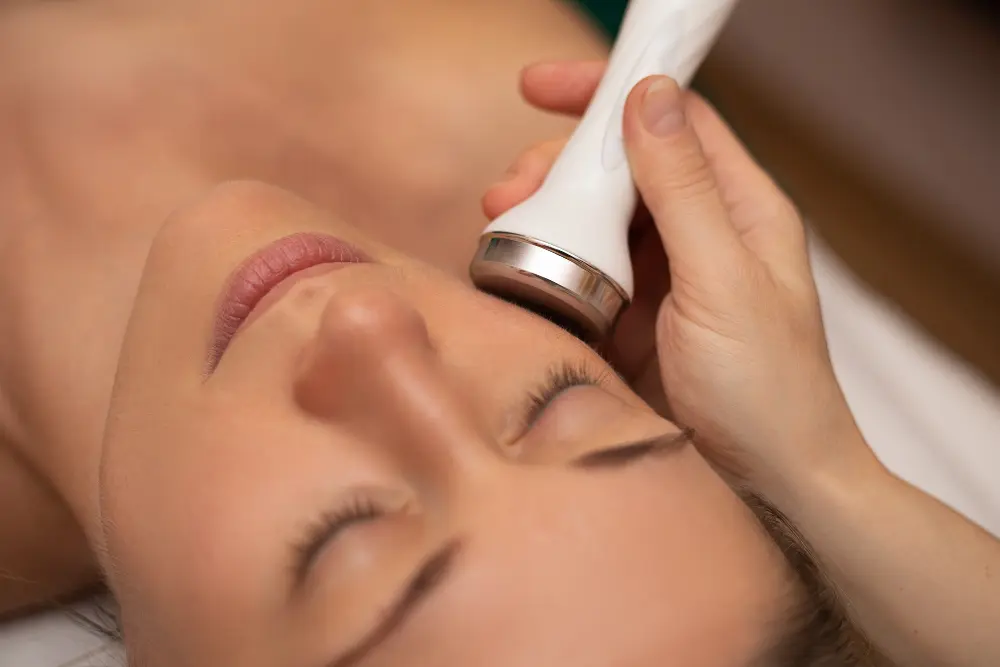
Depending on the type and extent of sun damage, different dermatological procedures may be appropriate. The most suitable treatment depends, among other factors, on whether age spots, wrinkles, or loss of elasticity is the primary concern.
Laser and IPL for Age Spots
Laser and light-based procedures are today among the most effective treatments for visible sun damage. According to Dr. Halter, pigment lasers or IPL (Intense Pulsed Light) are particularly well suited for solar lentigines – more commonly known as age spots – as well as for irregular pigmentation. IPL can additionally improve dilated capillaries, diffuse redness, and sun-induced vascular changes.
Fractional Lasers for Wrinkles and Loss of Elasticity
For more pronounced photoaging involving wrinkles, a rough skin surface, and loss of elasticity, fractional CO₂ or Er:YAG lasers often achieve the best results.
"They remove tissue in a controlled manner and trigger substantial new collagen formation." Non-ablative fractional lasers involve less downtime, but typically require multiple sessions and have a more limited effect on deep wrinkles, the dermatologist explains.
Chemical Peels
Chemical peels are particularly well suited for widespread, relatively superficial sun damage. Light peels using glycolic, fruit, or salicylic acid can improve dull skin, mild roughness, and superficial pigmentation irregularities.
Medium-depth peels with trichloroacetic acid (TCA) penetrate more deeply and are used especially for fine wrinkles, more pronounced pigmentation disorders, or actinically damaged skin.
Microneedling
Also Microneedling has also established itself as a go-to procedure for signs of skin aging.
"Microneedling is primarily a collagen induction treatment. It works well for fine lines, enlarged pores, uneven skin texture, mild loss of elasticity, and also for atrophic acne scars," explains Dr. Hanna Halter.
For classic age spots, however, the effect is generally less direct than with a pigment laser or IPL treatment. On the other hand, microneedling can often be used effectively on darker skin types and typically comes with shorter downtime.
How to Effectively Prevent Sun Damage
The best protection against UV-induced skin aging starts long before age spots or wrinkles appear. Every unprotected exposure to UV radiation contributes to damage that accumulates in the skin over the years. Dermatologists therefore speak of the cumulative UV dose – the total amount of solar radiation the skin is exposed to over a lifetime.
"Many people only seek treatment once visible damage like age spots or wrinkles has already appeared, while neglecting the most important foundation: consistent sun protection throughout the entire year, even on cloudy days and in everyday situations."
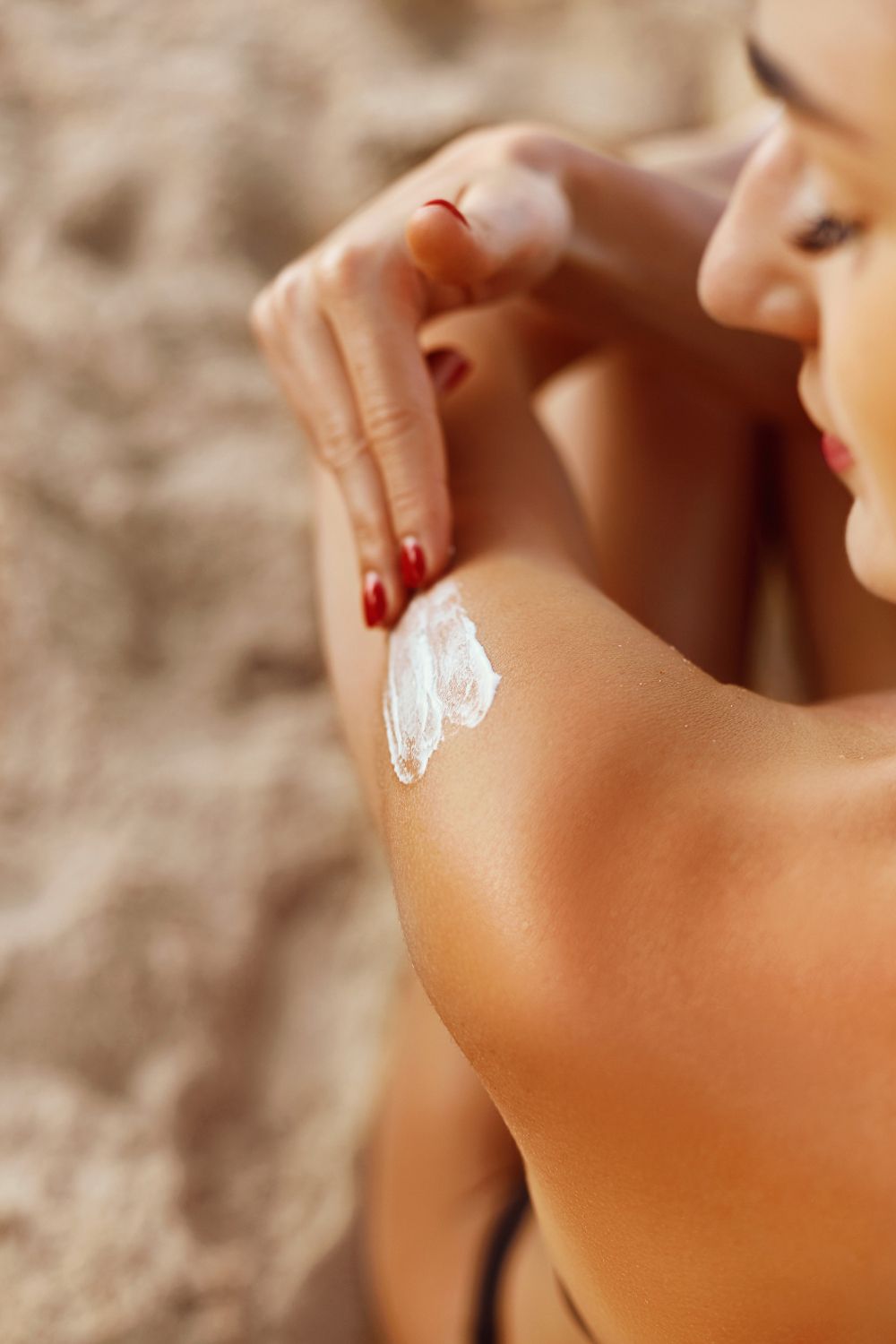
A broad-spectrum sunscreen with at least SPF 30 protects against both UVB and UVA rays and should therefore be a permanent part of daily skincare – regardless of the season.
Skin Cancer Screening Is Also Part of Prevention
Sun damage is not purely a cosmetic concern. Long-term UV exposure also increases the risk of actinic keratoses and various forms of skin cancer.
Dr. Hanna Halter therefore stresses the importance of distinguishing between UV-induced skin aging and medically significant skin changes. New or changing moles, rough patches of skin, or sores that won't heal should always be evaluated by a dermatologist.
Regular skin cancer screening is especially advisable for people with fair skin, a large number of moles, or high UV exposure.
Conclusion
Sun damage is one of the leading causes of premature skin aging. While issues such as dryness or a weakened skin barrier can often be treated effectively, deeper changes – such as collagen breakdown or DNA damage – cannot be completely reversed.
"Today we can visibly and structurally improve sun damage significantly, but we cannot undo it entirely," summarizes Dr. Hanna Halter.
Modern active ingredients such as retinoids, vitamin C, and niacinamide can support skin regeneration and noticeably improve the complexion. For more pronounced changes, effective dermatological options such as lasers, IPL, chemical peels, or microneedling are also available.
"To summarize: the biggest mistake is not choosing the wrong method – it is the absence of a long-term strategy. Effective prevention and treatment always rest on consistent UV protection, realistic expectations, and an individually tailored combination of medical and aesthetic measures," says Dr. Hanna Halter.
FAQ
Can Sun-Damaged Skin Fully Regenerate?
No. UV damage that has already occurred generally cannot be completely reversed. However, modern skincare and dermatological treatments can often significantly improve the skin's appearance and support its regeneration.
Which Active Ingredients Help Against Sun Damage?
The most scientifically well-researched active ingredients include retinoids, vitamin C, niacinamide, ceramides, and fruit acids. They can improve skin structure, fade age spots, and strengthen the skin barrier. That said, the single most important measure remains daily sun protection.
Which Treatment Is Suitable for Age Spots?
Superficial age spots can be lightened with medical skincare or chemical peels. More pronounced age spots often respond particularly well to pigment laser or IPL treatments.
When Are Lasers or Microneedling Appropriate?
Lasers are used primarily for pronounced age spots, wrinkles, and loss of elasticity. Microneedling is especially suitable for improving skin texture, fine lines, enlarged pores, and minor scars. The most appropriate treatment should be determined on an individual basis by a dermatologist.
Can Sun-Damaged Skin Be Repaired Naturally?
Natural oils and plant extracts can be a useful addition to a skincare routine; however, the options with the strongest scientific backing remain retinoids, vitamin C, niacinamide, and consistent sun protection.
How Can Sun-Damaged Skin Best Be Prevented?
The most effective protection comes from consistent daily use of a broad-spectrum sunscreen that shields against both UVA and UVB rays. Beyond that, a personalized skincare routine and regular skin cancer screenings can help prevent long-term UV damage.