Taurine and Aging: What's Really Proven After the Longevity Hype
In 2023, taurine was hailed as a potential anti-aging breakthrough. Two years later, a new Science study paints a far more nuanced picture. Here's what current research really shows about taurine's effects on the heart, brain, muscles, and healthy aging
Few dietary supplements have attracted as much attention in recent years as taurine. The hype was sparked by a 2023 Sciencestudy that suggested a possible role for this amino-sulfonic acid in healthy aging. Since then, taurine has become a favorite in longevity circles and has experienced a veritable boom on social media.
Two years on, another Sciencestudy published in the same journal painted a far more nuanced picture. It found that taurine is apparently not a reliable biomarker of aging. Does this mean the longevity hype is finished? Not exactly — because regardless of that question, taurine performs important functions in the body and continues to be the subject of intensive research.
Key Takeaways
Taurine is an amino sulfonic acid that the body both produces on its own and absorbs through food.
It plays important roles in the heart, muscles, brain, and metabolism.
A new Science study shows that taurine is not a reliable biomarker of aging, dampening hopes for a straightforward anti-aging effect.
Human studies offer some indications of health benefits across various areas, but a life-extending benefit in humans has not yet been proven.
Experts still view taurine as a promising research compound, but do not currently recommend routine supplementation for life extension.
What Is Taurine?
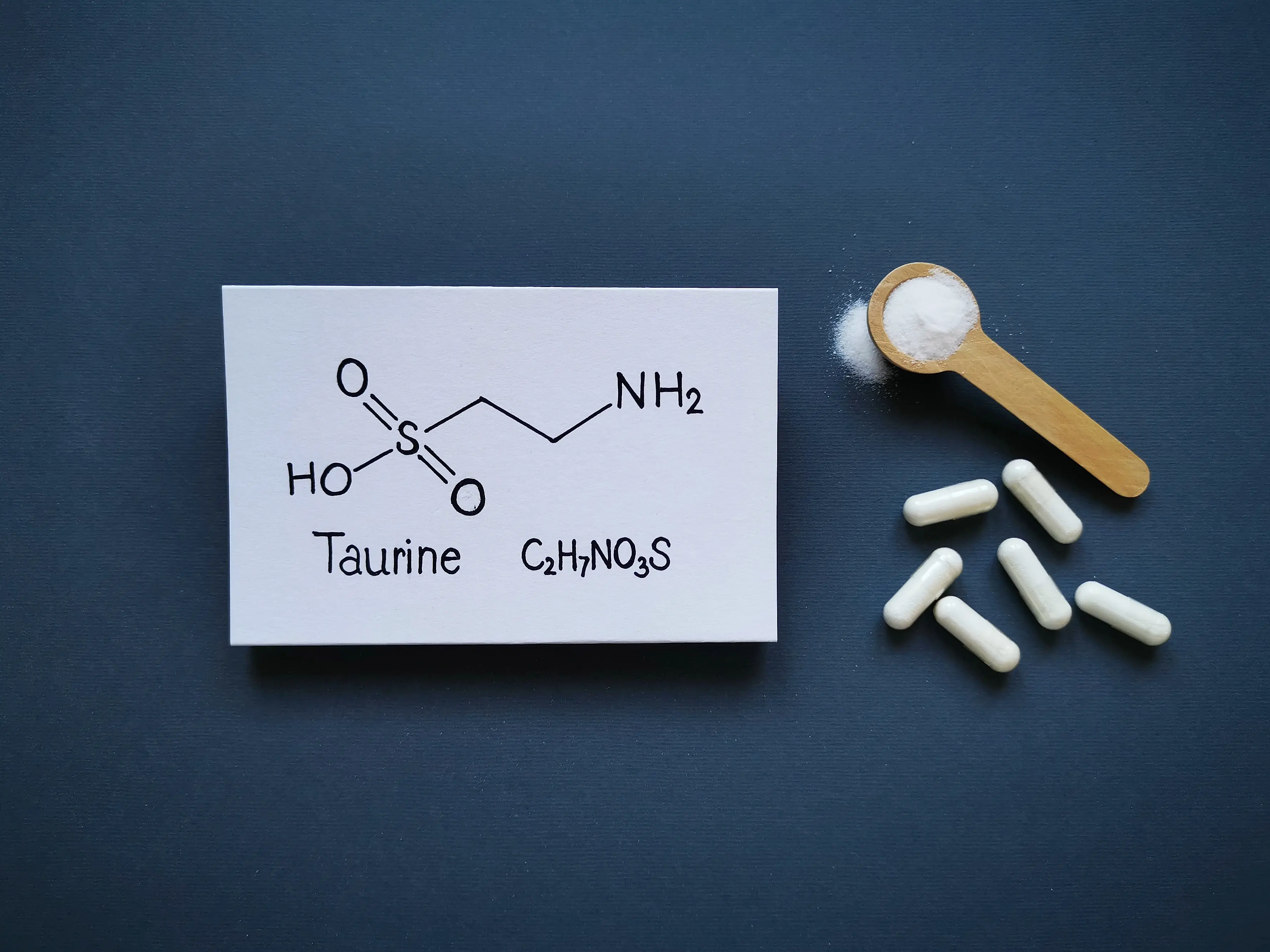
Taurine is a naturally occurring amino sulfonic acid found throughout many organs and tissues of the human body. Contrary to popular belief, taurine does not originate from energy drinks. Our bodies can synthesize it from the amino acids methionine and cysteine, and we also obtain it through food — primarily from fish, meat, seafood, and .
In the body, taurine serves numerous functions. It supports heart and muscle function, plays a key role in the brain and nervous system, helps regulate water and electrolyte balance, and is involved in a range of metabolic processes. Taurine also protects cells from oxidative stress and contributes to the normal functioning of mitochondria.
It is precisely these wide-ranging functions that have kept taurine under scientific scrutiny for decades.
What Effects of Taurine Are Actually Proven?
Can Taurine Protect the Heart?
Possibly. Several human studies suggest that taurine may support vascular function and have a beneficial effect on blood pressure. Positive effects have been observed particularly in people with existing cardiovascular disease.
For healthy people, however, there is currently no evidence that taurine prevents heart attacks or other forms of heart disease.
Can Taurine Improve Metabolism?
Early studies suggest that taurine may positively influence insulin sensitivity and glucose metabolism. Some studies have also shown improvements in inflammatory markers and blood lipid levels. Whether this translates into a long-term reduction in the risk of type 2 diabetes has not yet been proven.
Muscles and Athletic Performance
Taurine has been studied in the context of sports for many years. The hope is that this amino sulfonic acid could delay muscle fatigue, speed up recovery, and improve physical performance.
Some studies do show modest benefits, particularly for endurance activities. Overall, however, the effects appear to be considerably smaller than is often claimed on social media or in advertising.
A potentially more interesting angle is taurine's possible role in protecting muscle cells from oxidative stress. Whether this yields long-term benefits for older adults or in cases of age-related muscle loss is currently being actively investigated.
Does Taurine Protect the Brain?
In laboratory settings, taurine has shown a protective effect on nerve cells and influences various neurotransmitters in the brain. Whether this helps people stay mentally sharp for longer or reduces the risk of dementia has not yet been demonstrated. Rigorous clinical studies are still lacking.
Can Taurine Support Healthy Aging?
This is the very question that brought taurine to global attention. The catalyst was the above-mentioned 2023 study published in Science, in which researchers examined taurine levels across various animal species and in humans.
They found that taurine levels declined with advancing age and that supplementation extended the lifespan of mice and worms. Positive effects on metabolism, bone health, muscles, and the immune system were also observed in monkeys.
These results made headlines around the world and practically overnight turned taurine into one of the most talked-about substances in longevity research. However, the key findings came predominantly from animal experiments, and the authors themselves stressed at the time that clinical studies in humans would be necessary before any recommendations could be made.
New Study Tempers the Enthusiasm
Two years later came a sobering scientific update. A research team from the US National Institute on Aging analyzed several large population studies and arrived at a surprising finding: taurine levels did not consistently decline with advancing age in humans. Depending on the cohort examined, levels remained stable or even increased.
The researchers therefore concluded that taurine is not a reliable biomarker of aging, calling into question a central assumption of the original longevity hypothesis.
This does not mean, however, that taurine is ineffective. What the new study demonstrates is that the relationship between taurine levels and aging processes is considerably more complex than initially assumed. Whether supplementation offers health benefits now needs to be clarified by high-quality, long-term human studies.
Should You Take Taurine?
There is currently no general recommendation to take taurine supplements. Healthy people obtain this amino sulfonic acid through food and can also synthesize it themselves from the amino acids methionine and cysteine.
Taurine may become relevant in the future for certain groups — such as older adults or people with cardiovascular or metabolic conditions. Whether supplementation actually delivers long-term health benefits in these cases still needs to be demonstrated by larger, high-quality human studies.
Are There Side Effects?
Based on current evidence, taurine is generally considered well tolerated. The European Food Safety Authority (EFSA) regards even higher intake levels as unproblematic. In clinical studies, doses of between one and three grams per day were typically examined, with considerably higher amounts tested in some cases over limited periods.
Serious side effects have rarely been reported to date. Some study participants have occasionally experienced mild gastrointestinal complaints such as nausea or diarrhea.
What remains unclear, however, is what effects long-term high-dose intake over many years might have. Reliable data on this are still lacking. People with chronic conditions or who take regular medication should always discuss dietary supplements with their doctor.
How Much Taurine Is Found in Foods?
Many people associate taurine primarily with energy drinks. In reality, this amino sulfonic acid occurs quite naturally in a wide range of animal-based foods.
Particularly good sources include:
Fish
Mussels and other seafood
Beef
Poultry
Dairy products
Plant-based foods, by contrast, contain very little taurine. Healthy people can produce the compound themselves, provided they consume sufficient methionine and cysteine through their diet.
FAQ About Taurine
Is Taurine an Amino Acid?
Not exactly. Taurine is what is known as an amino sulfonic acid. The body can produce it on its own and also absorbs it through food.
What Is Taurine Good For?
Taurine supports, among other things, the heart, muscles, brain and nervous system, and water and electrolyte balance. It also protects cells from oxidative stress. Whether additional supplementation offers a measurable health benefit for healthy people has not yet been conclusively proven.
Can Taurine Slow Down Aging?
There is currently no evidence for this in humans. Positive results come predominantly from animal experiments. Human studies are currently underway.
Is Taurine in Energy Drinks Dangerous?
Based on current knowledge, taurine itself in typical amounts is not considered problematic. The health risks associated with energy drinks are mainly linked to their high caffeine and sugar content — particularly in adolescents or when combined with alcohol.
Who Could Benefit from Taurine?
Taurine is being studied in contexts including older adults and people with cardiovascular or metabolic conditions. Whether supplementation actually provides health benefits in these cases has not yet been conclusively determined.
Can You Get Taurine Through Diet?
Yes. Good sources include fish, meat, seafood, and dairy products. Healthy people can also produce taurine themselves.
Conclusion
Taurine is one of the most exciting areas of research in longevity medicine. This amino sulfonic acid serves numerous important functions in the body, and early studies point to possible benefits for the heart, metabolism, and musculature. At the same time, the evidence in humans is not yet strong enough to recommend taurine as an anti-aging supplement or "fountain of youth."
Anyone looking to age well should therefore continue to focus on measures with well-established scientific backing: regular exercise, adequate sleep, a balanced diet, not smoking, and managing known risk factors. Whether taurine will one day join that list remains to be seen — and will depend on the results of future high-quality human studies.