© Magnific
July 5, 2026
Marianne Waldenfels
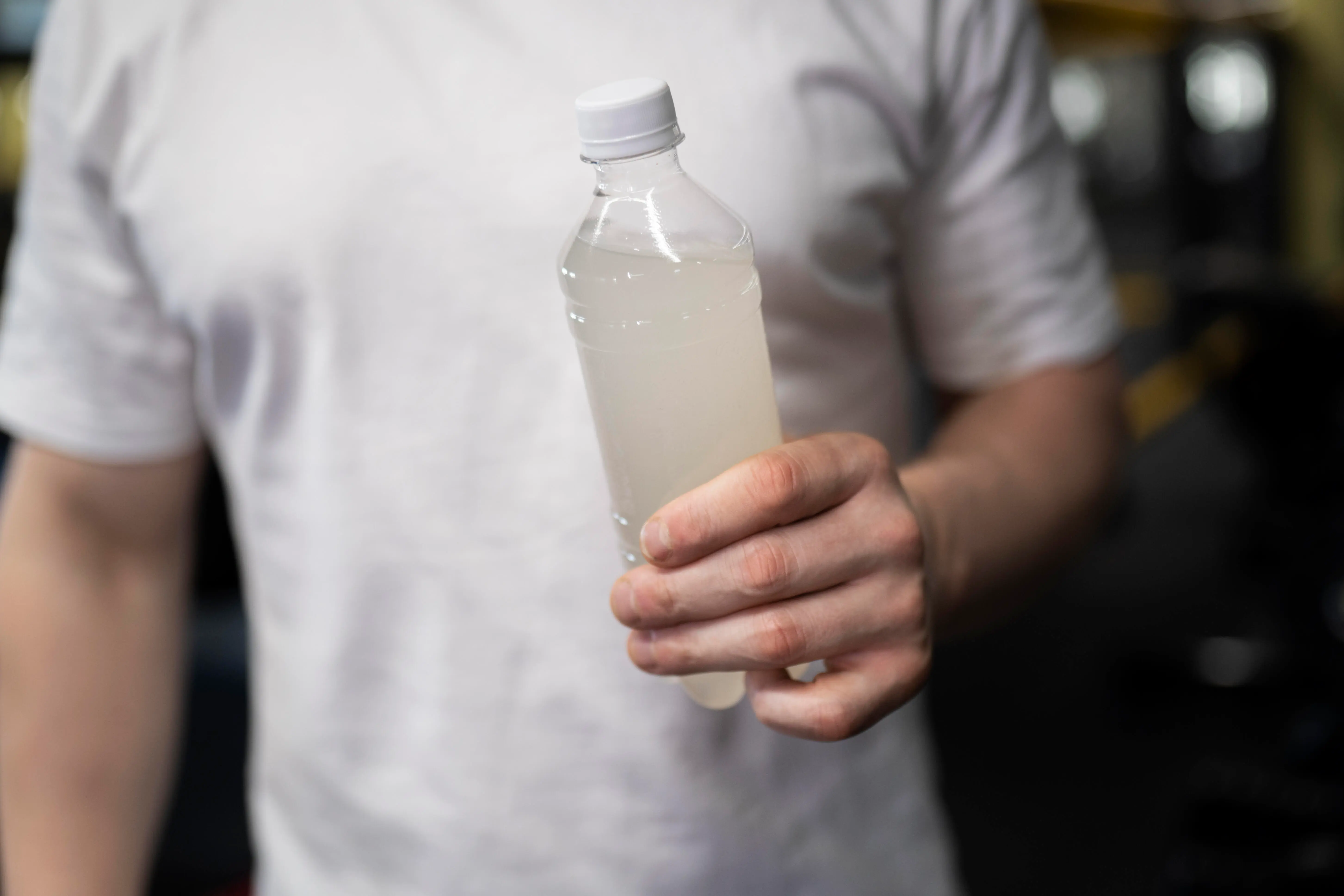
Electrolyte drinks are flooding TikTok feeds and supermarket shelves, promising better hydration and a boost in energy. But does the body really need these added ingredients in the heat, or is a glass of water all it takes? A fact check.
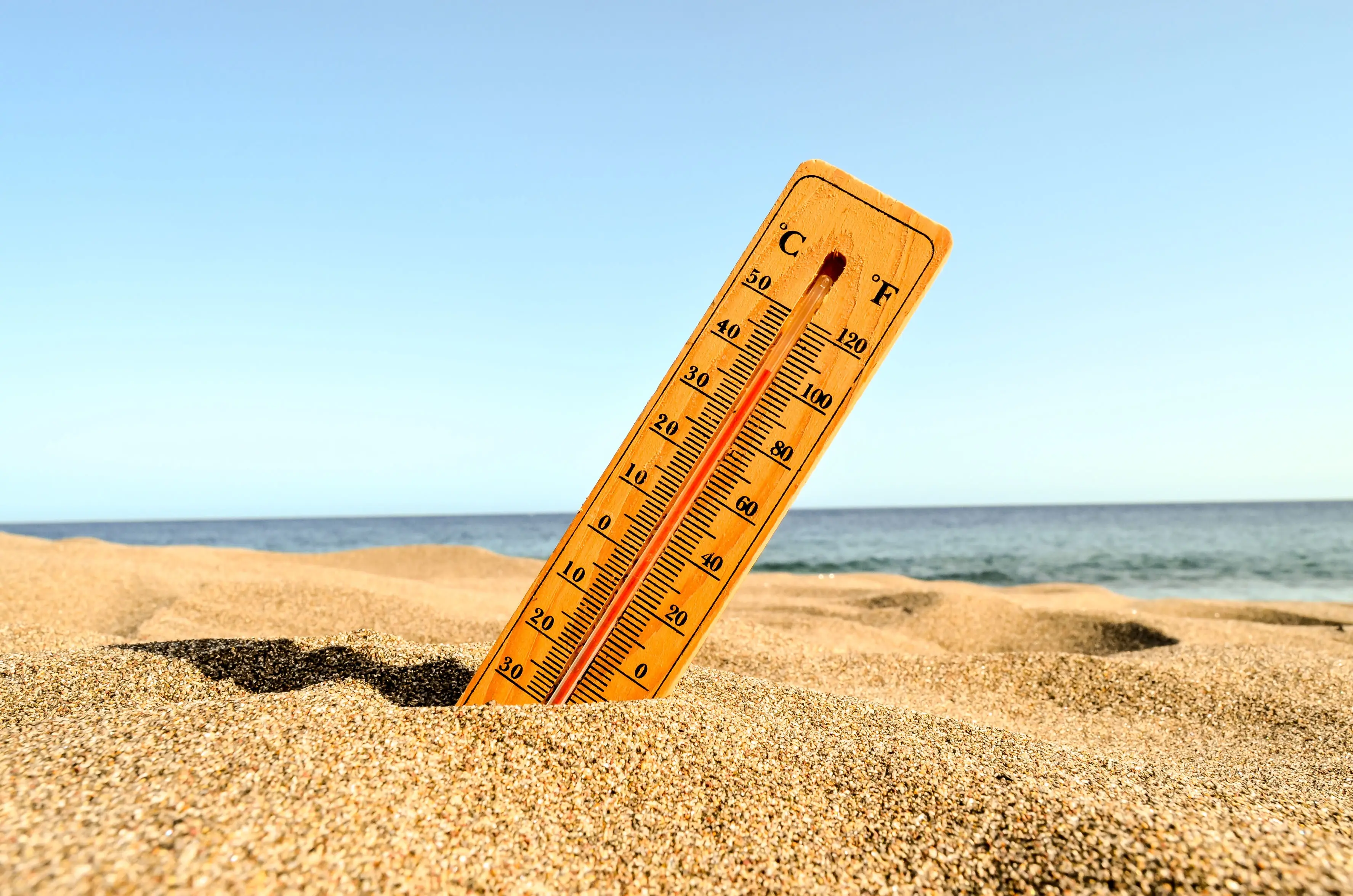
In the heat, more and more people are reaching for electrolyte drinks instead of a glass of water. On TikTok, they're touted as a secret weapon against fatigue, circulation problems, and dehydration. But what's behind the trend? Studies show that for most healthy people, electrolytes offer little to no benefit in daily life. That said, there are situations where they can genuinely help.
Electrolytes are minerals that carry an electrical charge in the body and thereby regulate key functions: Sodium and potassium are responsible for transmitting signals between nerve and muscle cells. Calcium and magnesium are essential for bones, teeth, and muscle contraction, including that of the heart muscle.
Chloride, together with sodium, helps regulate the body's water balance and plays a role in controlling blood pressure. The body cannot produce most of these substances on its own — they must be obtained through food. This is precisely where the central question arises: is a normal diet sufficient, or are additional products needed?
For the vast majority of healthy people, the answer is yes. Although the body also loses minerals through sweat — primarily sodium and chloride — these amounts can generally be replenished easily through a balanced diet.
In summer especially, water-rich, light foods are ideal — think cucumbers, tomatoes, radishes, zucchini, and salads. Watermelons, peaches, berries, and citrus fruits should also feature regularly on the menu during the hot season. Potatoes, legumes, and dairy products are also recommended as additional sources of minerals.
Anyone who drinks water regularly and eats a balanced diet will generally meet their daily electrolyte needs without any additional supplements or products.
However, there are situations in which the body needs more support than water alone can provide:
• Long, intense training: Endurance sports or any highly intense physical activity lasting more than one hour
• Severe fluid loss: for example, due to vomiting, diarrhea, or high fever
• Heavy physical work in extreme heat: for example, on construction sites or in agriculture on hot days
• Certain at-risk groups: children, the elderly, and people with heart or kidney conditions lose fluids and minerals more quickly, and should take any warning signs of deficiency particularly seriously.
In such cases, targeted use of electrolyte drinks can help replenish mineral losses more quickly than food alone can.
A central advertising claim of many providers relates to athletic performance. The research on this, however, paints a far more modest picture than social media might suggest: people who are well-hydrated and properly fueled before a training session will generally see no added benefit from extra electrolytes.
The decisive factor for performance is your overall hydration level before exercise, not any additional mineral supplementation during it.
The supposed link between electrolyte deficiency and food cravings, as claimed in some viral videos, has not yet been scientifically proven.
Several studies and position papers support this assessment. The American College of Sports Medicine recommends an individualized fluid and sodium strategy during prolonged physical exertion in the heat to avoid excessive fluid loss.
A review article also concludes that electrolyte supplements are generally unnecessary for people eating a normal diet in everyday life, and only become relevant during heat exposure or endurance exercise.
In a study on rehydration after exercise in the heat, a sodium-containing drink outperformed several other beverages at restoring fluid levels. This underscores the key point: what matters most is the context of exertion — not the trends surrounding it.
In cases of greater fluid loss, such as from gastrointestinal infections or heavy sweating, the World Health Organization (WHO) recommends an oral rehydration solution. The standard formula consists of water, glucose, sodium, potassium, and citrate.
For home use, a simplified solution is often mentioned that can serve as a practical interim measure:
This simple mixture can be helpful in acute situations, but it is not a substitute for medical treatment if symptoms persist. If you experience dizziness, muscle cramps, persistent vomiting, diarrhea, or cardiac arrhythmias, you should seek medical advice.
• Healthy adults in everyday life: water combined with a balanced diet is generally completely sufficient.
• Endurance athletes during prolonged, intense exertion: targeted electrolyte intake can be beneficial.
• In cases of vomiting, diarrhea, or strenuous work in the heat: electrolyte solutions help support a faster recovery.
• At-risk groups such as children, the elderly, and those with chronic illnesses: take warning signs seriously and consult a doctor if in doubt.
The hype around electrolyte drinks didn't come out of nowhere — it just doesn't apply equally to everyone. For most people, the simplest solution on hot days is still the best: drink water regularly and eat a balanced, water-rich diet.

Carrot juice and coconut water are being hailed on TikTok as the secret to a natural summer glow. Beta-carotene can indeed alter skin tone — though not in the way many social media videos suggest. A dermatologist explains what the science actually shows.
Christine Bürg & Marianne Waldenfels

With
Dr. med. Timm Golüke

Artificial intelligence is taking over routine tasks and freeing up time for what truly matters: the relationship between doctor and patient. Prof. Dr. Dominik Pförringer explains why empathy is becoming the most important factor for success in medicine in the age of AI.
Prof. Dominik Pförringer

By
Univ.-Prof. Dr. med. Dominik Pförringer

Prevention should not only detect diseases early — it should stop them from developing in the first place. Dr. Jan Hennigs explains which examinations are genuinely worthwhile today, why cardiovascular risks are so often underestimated, and how artificial intelligence is set to transform the field of prevention.
Christine Bürg & Marianne Waldenfels

An interview with
Dr. med. Jan K. Hennigs