Suddenly, your head feels foggy: thoughts slip away, words are hard to find, and even simple tasks feel exhausting. This experience is often described as “brain fog” — not a formal medical diagnosis, but a common and frustrating condition.
Whether triggered by stress, hormonal changes, or infections like COVID, brain fog often shows up as poor concentration, memory lapses, and mental fatigue.
The good news: nutrition can play a key role. Certain foods provide essential nutrients that may help support clearer thinking and mental energy.
What happens in the brain with brain fog
Researchers discuss several mechanisms that could be behind brain fog:
Low-grade inflammation: They can affect the blood-brain barrier and disrupt signal transmission in the brain – with consequences for concentration and memory.
Disrupted energy supply: Fluctuating blood sugar and oxidative stress strain the mitochondria, the "powerhouses" of the nerve cells.
Nutrient deficiency: If important building blocks like B vitamins, iron, or omega-3 fatty acids are missing, the formation of neurotransmitters can be impaired.
Nutrition as a modulator: from inflammation to clarity
Several Research approaches suggest that especially anti-inflammatory, nutrient-dense diet (e.g., Mediterranean diet with lots of vegetables, fruits, whole grains, legumes, olive oil, nuts, fish) are associated with better cognitive performance and slower cognitive decline. Mechanistically relevant are:
Polyphenols (e.g., from berries, cocoa, nuts) with antioxidant and anti-inflammatory properties that support neuronal signaling pathways and brain vessel function.
monounsaturated and polyunsaturated fatty acids (especially DHA/EPA), which are incorporated into neuron membranes, affect membrane fluidity, and regulate neuroinflammatory processes.
fiber-rich foods that promote short-chain fatty acids via the microbiome, which in turn have anti-inflammatory effects and feedback on mood and cognition via the gut-brain axis.
These foods provide the brain with exactly the building blocks that are crucial for focus, energy, and mental clarity:
1. Avocado – healthy fats for clarity
Avocados provide many monounsaturated fatty acids – they support circulation in the brain and can thus promote concentration and mental clarity.
Tip: Use avocado as a spread, in salads, or as a smoothie ingredient – ideal for breakfast or as a snack, to keep blood sugar stable.
2. Berries – Antioxidants for brain cells
Blueberries, bilberries, currants, and raspberries are rich in polyphenols and anthocyanins, which have antioxidant effects and protect brain cells from oxidative stress.
For the brain: 1–2 servings of berries per day (e.g., in muesli, yogurt, or smoothie) are sensible.
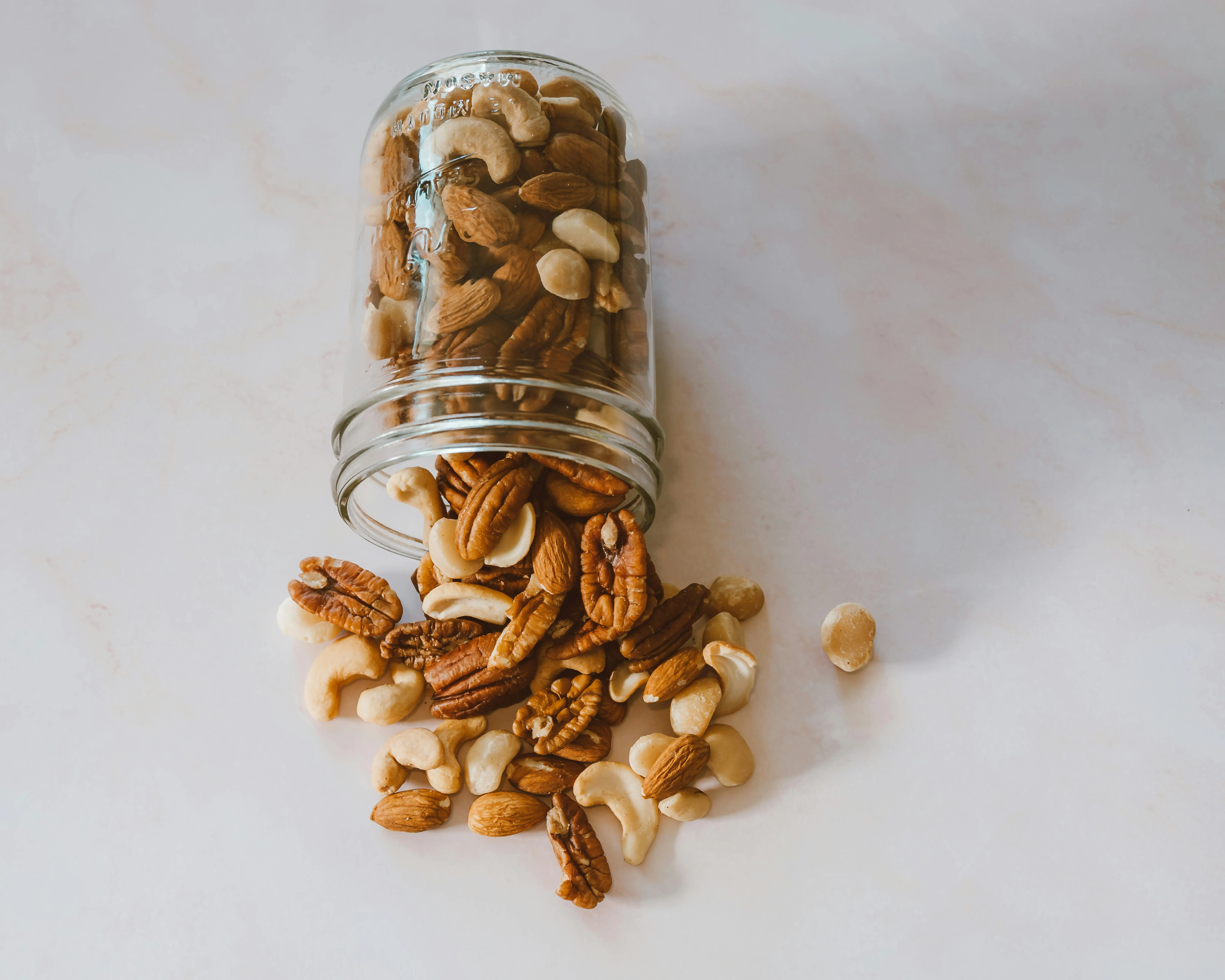
3. Nuts – Omega‑3, Vitamin E, and Magnesium
Nuts – especially walnuts – provide plant-based omega‑3 fatty acids (ALA), vitamin E, magnesium, and fiber. ALA can be converted in the liver to DHA, an important component of brain cell membranes. Vitamin E protects against oxidative stress, magnesium supports nerve function, and helps with stress regulation.
4. Fatty fish – DHA for the gray matter
Fatty sea fish like salmon, mackerel, sardines, and herring is rich in DHA (docosahexaenoic acid), a long-chain omega-3 fatty acid that is directly incorporated into the membranes of brain cells. DHA has anti-inflammatory effects, supports synapse formation, and can stabilize memory, learning ability, and mood.
Recommendation: 1–2 servings of oily fish per week, if possible choose organic or wild-caught fishto minimize pollutants.
5. Eggs – Choline for Concentration
Eggs are one of the best natural sources of choline. This nutrient is needed for the formation of the neurotransmitter acetylcholine , which is important for concentration, memory, and fast information processing.
For the brain: 1–2 eggs per day are suitable as a breakfast or lunch, ideally combined with vegetables.
6. Green leafy vegetables – Vitamins, minerals, and fiber
Spinach, kale, arugula, chard, and other leafy greens are rich in folic acid, vitamin K, lutein, magnesium, and potassium. These nutrients support circulation, protect against oxidative stress, and are associated with a reduced cognitive decline in older age.
A study in Neurology found: Those who ate leafy greens daily showed slower cognitive aging. Goal: at least 1–2 servings per day (e.g., in salad, smoothie, or steamed).
7. Dark chocolate – Flavonoids for circulation
Dark chocolate with at least 70% cocoa contains flavonoids, which can dilate blood vessels and thus improve circulation in the brain. Several studies show that cocoa flavonoids can strengthen attention, reaction speed, and memory in the short term.
8. Coffee – Caffeine for focus (with limits)
Coffee contains Caffeine, which in moderate amounts can increase alertness, concentration, and cognitive performance. It blocks adenosine receptors, releasing mental "brakes" and increasing focus.
However, too much coffee can lead to tension, sleep disturbances, and blood sugar fluctuations, which in turn amplify brain fog. A sensible amount is usually 1–3 cups of coffee per day, preferably before 3 PM, and without much sugar.
9. Bananas – Energy and Vitamin B6
Bananas provide quickly available glucose, but also vitamin B6, potassium, and magnesium. Vitamin B6 is important for the synthesis of neurotransmitters like serotonin and dopamine, which affect mood and mental energy. Additionally, potassium ensures a stable electrolyte balance that supports nerve function.
As a snack: 1 banana between meals or as breakfast with oatmeal or nuts.
10. Water – Hydration for Mental Clarity
Even a slight dehydration of 1–2% can impair concentration, attention, and memory. Water is the simplest measure against brain fog: It ensures optimal blood viscosity, supports the brain's nutrient supply, and helps eliminate toxins through the kidneys.
Goal: around 1.5–2 liters per day (depending on activity), ideally spread throughout the day, not just "all at once."
Common Micronutrient Deficiencies in Brain Fog
Nutrient deficiencies can also be behind persistent mental exhaustion. Those most commonly affected are:
Vitamin B12: important for nerve function and memory
Vitamin D: plays a role in brain function and mood
Iron: crucial for oxygen transport and mental performance
Omega-3 fatty acids: support the structure and signal transmission of nerve cells
Magnesium and B vitamins: important for stress regulation and energy production
A structured blood test in consultation with doctors is therefore advisable in the case of persistent brain fog.
These foods can exacerbate brain fog
Not only do the right foods help – what you avoid is just as important. Too often considered triggers:
Sugary snacks and drinks (Soft drinks, sweets, industrial yogurts) → lead to blood sugar spikes and drops, causing fluctuations in concentration.
Highly processed foods (Fast food, ready-made sauces, snack products) → often rich in trans fats, salt, sugar, and additives that promote inflammation.
Alcohol → lowers neuronal efficiency, impairs sleep, and can exacerbate vitamin deficiencies.
Too much caffeine → can cause nervousness, palpitations, and sleep disturbances, limiting mental clarity.
Studies show that a diet high in sugar and processed foods is correlated with higher levels of inflammation and mental sluggishness.
Conclusion: Diet can make the difference
Brain fog can have many causes, but diet is a crucial lever. Those who focus on healthy fats, antioxidants, and stable energy supply can often significantly improve mental clarity.
Even small changes in daily life can help reduce the 'fog in the head' in the long term.
Frequently asked questions about brain fog and diet
What helps quickly against brain fog? Foods like berries, nuts, avocado, and plenty of water can quickly clear your mind. Combine them with enough sleep, exercise, and fresh air to improve mental clarity quickly.
Which vitamins are often lacking with brain fog? Brain fog is often associated with a deficiency in vitamin B12, vitamin D, iron, and omega-3 fatty acids. Those who often suffer from concentration problems should discuss a blood test with a doctor.
Can coffee help against brain fog? Yes – in moderate amounts (1–3 cups daily), coffee can increase focus and alertness. However, too much caffeine can worsen restlessness, sleep disturbances, and concentration problems.
How long does brain fog last? It depends on the cause. With stress or poor diet, brain fog can often improve within a few days. For chronic causes, a medical examination is important.
What foods should be avoided with brain fog? Sugar-rich snacks, heavily processed products, alcohol, and too much coffee can increase inflammation and worsen concentration. Fresh, minimally processed foods are better.
Is brain fog dangerous? Brain fog is not an independent disease but may indicate stress, nutrient deficiency, or underlying conditions. A doctor should be consulted for persistent symptoms.