© Melanie Bauer
May 8, 2026
Marianne Waldenfels
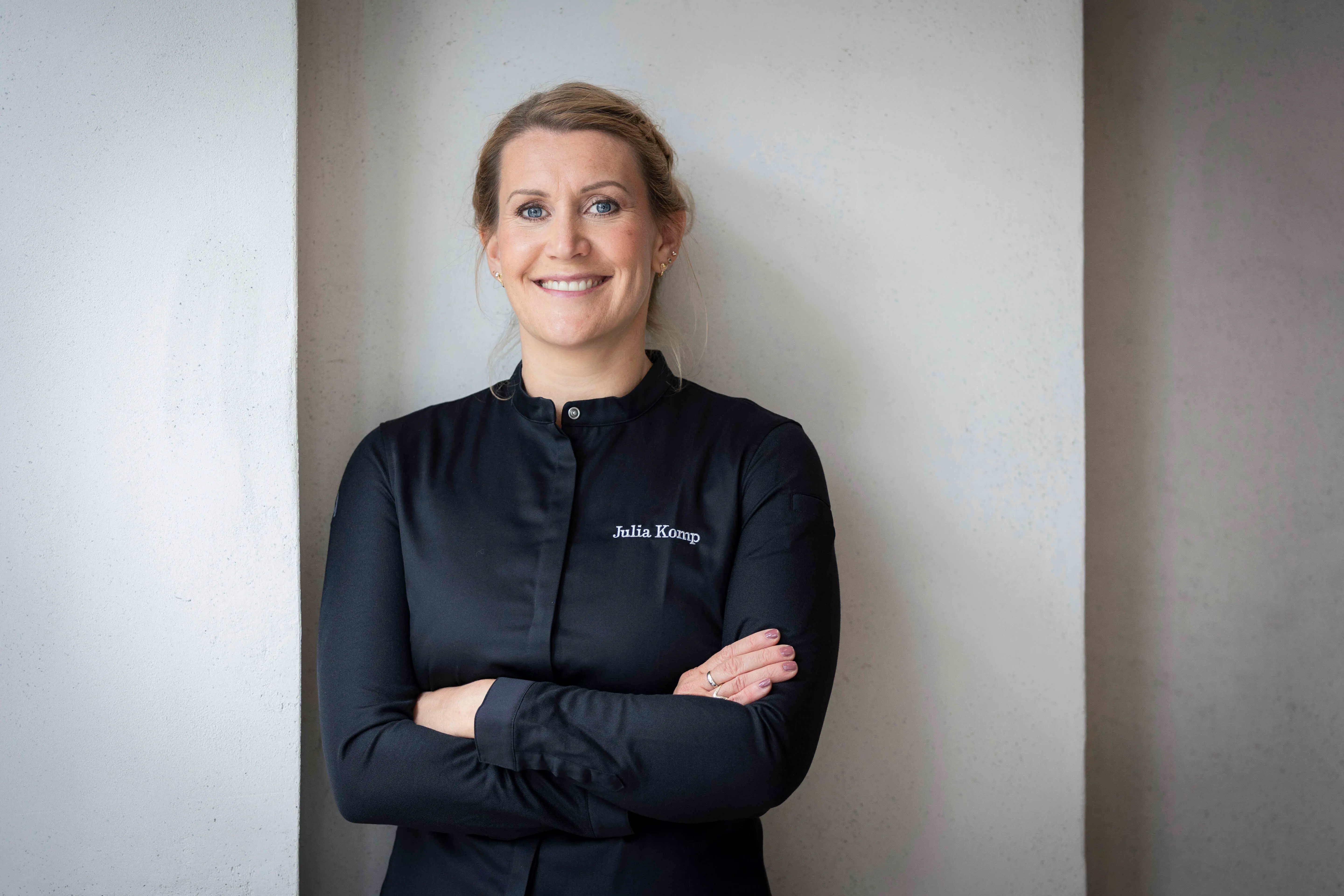
Michelin-star chef Julia Komp shares insights on global cuisine, world travel, kimchi, and her award-winning restaurant Sahila in Cologne
In 2016, she was named Germany's youngest Michelin-starred chef for her culinary skills at the "Schloss Loersfeld" restaurant, when Julia Komp was just 27. Three years later, she embarked on a 14-month world trip, worked in large and small kitchens, and discovered much about authentic flavors.
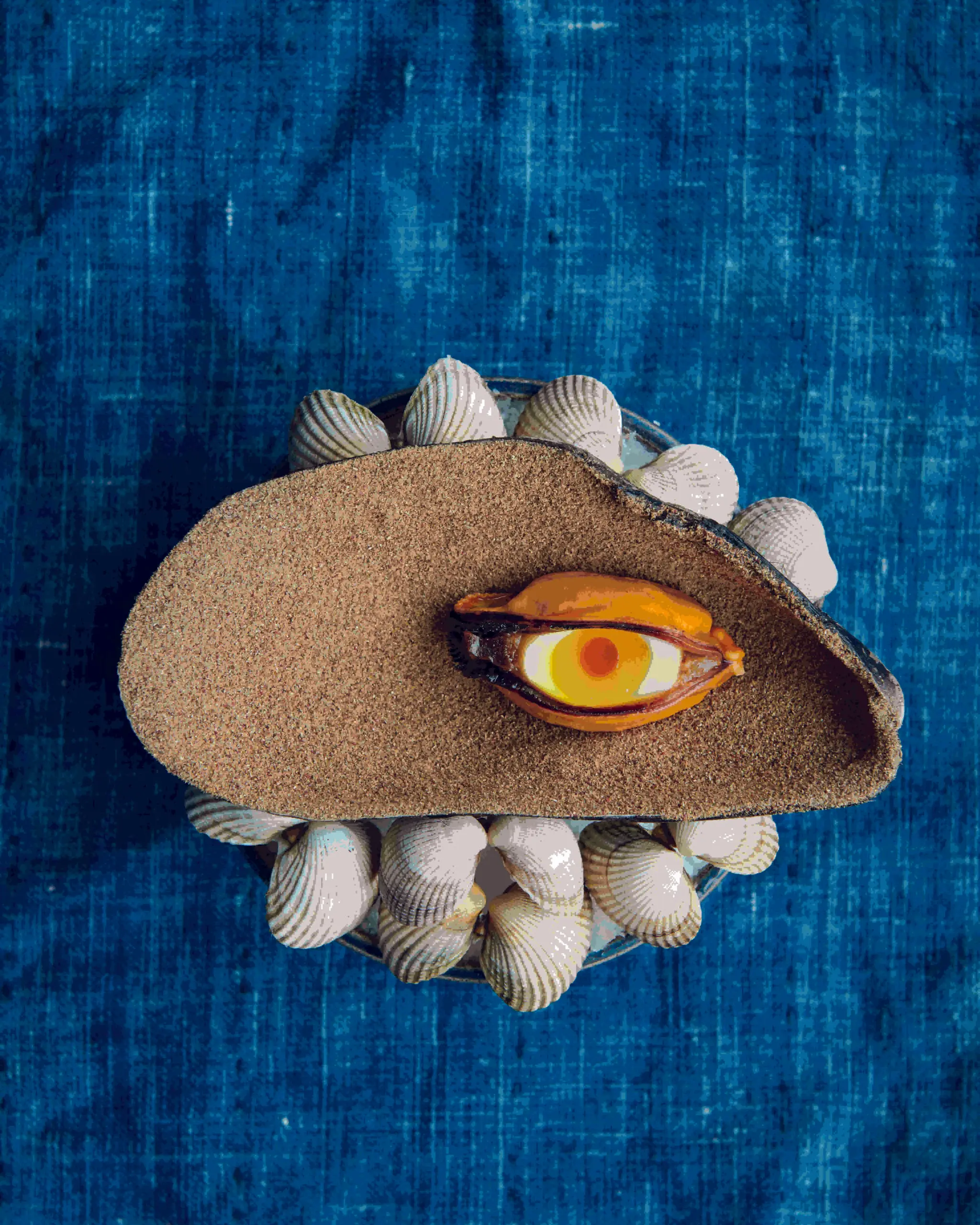
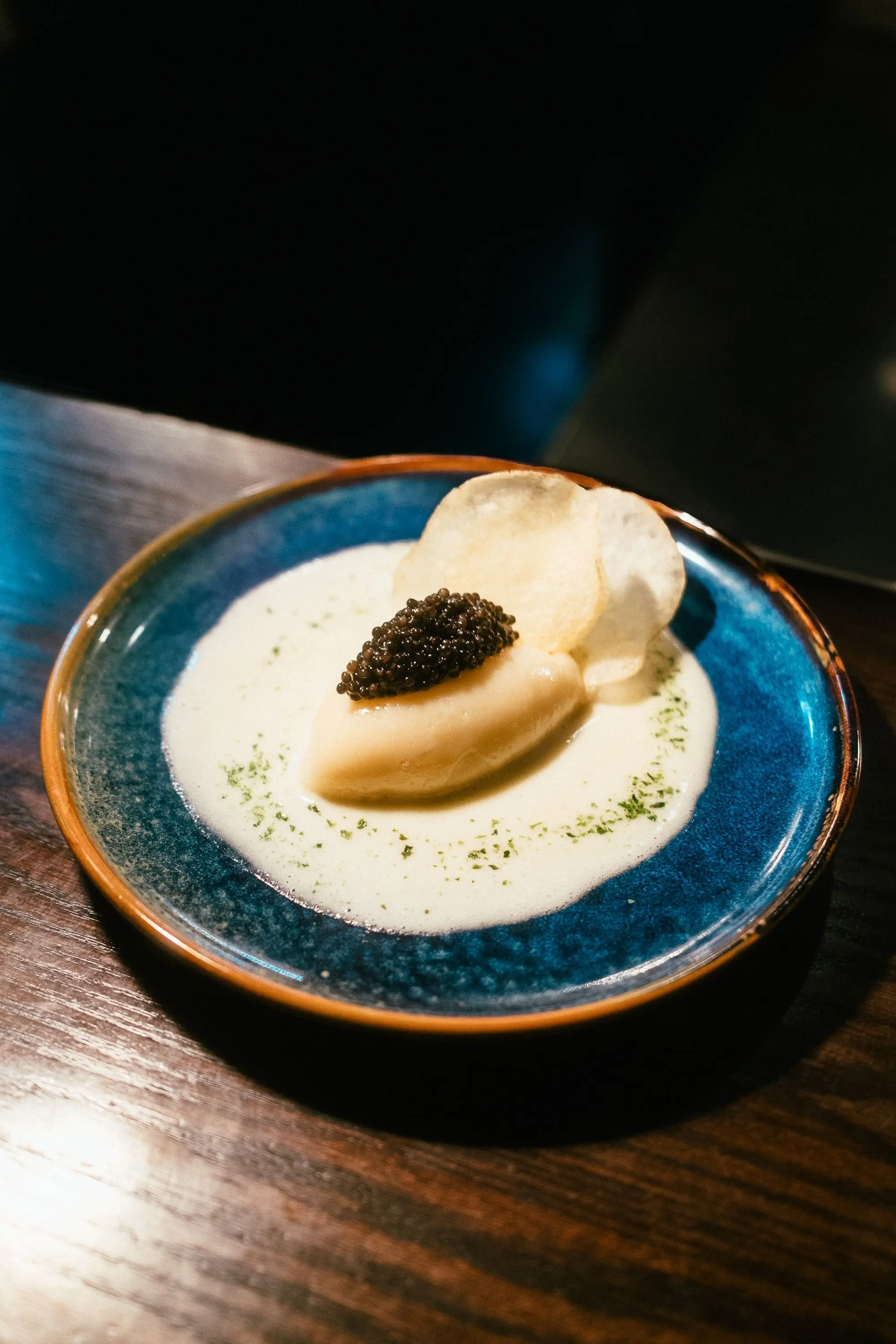
With great culinary success: In 2020, she was awarded "Chef of the Year," and at the end of 2021, she opened her own restaurant "Sahila" (Leader of the Stars) in Cologne, which was awarded a star a year later. At "Sahila," international dishes meet regionality: Even if the flavors on the plate often seem exotic, a large part of the vegetables comes from within a 30-kilometer radius.
The inspirations for the menu, which changes every two months, come from Korea, Morocco, Japan, India, and Malaysia, among others. Additionally, Julia Komp, who originally wanted to become a hotel manager and discovered her passion for cooking during an internship, runs the Mezze-Bar Yu*lia together with her partner Yunus Özananar.
The first star already at 27 – why did you then decide to go on a world tour? Weren't you worried that your career might suffer?
I was still very young at that time, having started my training at 19 and then worked, among others, in the board casino of TÜV Rheinland and as a sous-chef at the restaurant 'La poêle d’Or'. The position at the restaurant 'Schloss Loersfeld' was my third station after training.
I cooked there for four years – a very formative time. Nevertheless, I felt that I had not yet seen and experienced enough to really develop further. At the same time, I found it difficult to just start with another colleague with a star in the resume.
That's why I consciously chose a different path. During my 14-month journey, I worked in a wide variety of kitchens – from small food stalls in Vietnam to renowned three-star restaurants in Tokyo. This enriched me enormously both professionally and personally.
You once mentioned that this world trip also had something to do with Kimchi?
Exactly. It was fundamentally about the question of how to prepare authentic dishes if you have never tried them in their country of origin. At Schloss Loersfeld, for example, we had Kimchi fermented – my colleague, who was very adventurous, served it with raw oysters.
The taste was extremely sour and tingled on the tongue – an unusual experience. Back then, fermentation was still unfamiliar to us – we really only knew it from sauerkraut. That was the moment I decided to travel to Korea to understand the authentic taste of kimchi. Asian as well as Middle Eastern cuisine has always fascinated me anyway. My grandmother had an apartment in Sousse, Tunisia – I often spent my holidays there as a child.
Did you find a new favorite restaurant on your world trip?
I felt particularly comfortable in Malaysia – among other places, at the restaurant “Dewakan” in Kuala Lumpur. It already had a strong concept, an excellent team, and an impressive kitchen in elegant matte black. Today it holds two Michelin stars and a Green Star. I could very well imagine working there as a head chef.
Is there a dish that left a lasting impression on you?
Quite a few, indeed. For 14 months, I mostly ate what the locals themselves consume. The cuisine of a country is often its heart. In Oman, for example, large plates of rice and braised meat were served, enjoyed while sitting on the floor – that was impressive.
In India, I tried a lot of street food, mostly together with colleagues from the kitchen. I was particularly fascinated by Indian cuisine - it is very diverse and spice-intensive: cardamom, cinnamon, cloves, curry leaves... The fish in Japan is also unforgettable - incredibly fresh, usually only one to one and a half days between catch and sale. Or the tomatoes and melons there - sometimes insanely expensive, but absolutely convincing in terms of taste.
And what was disappointing?
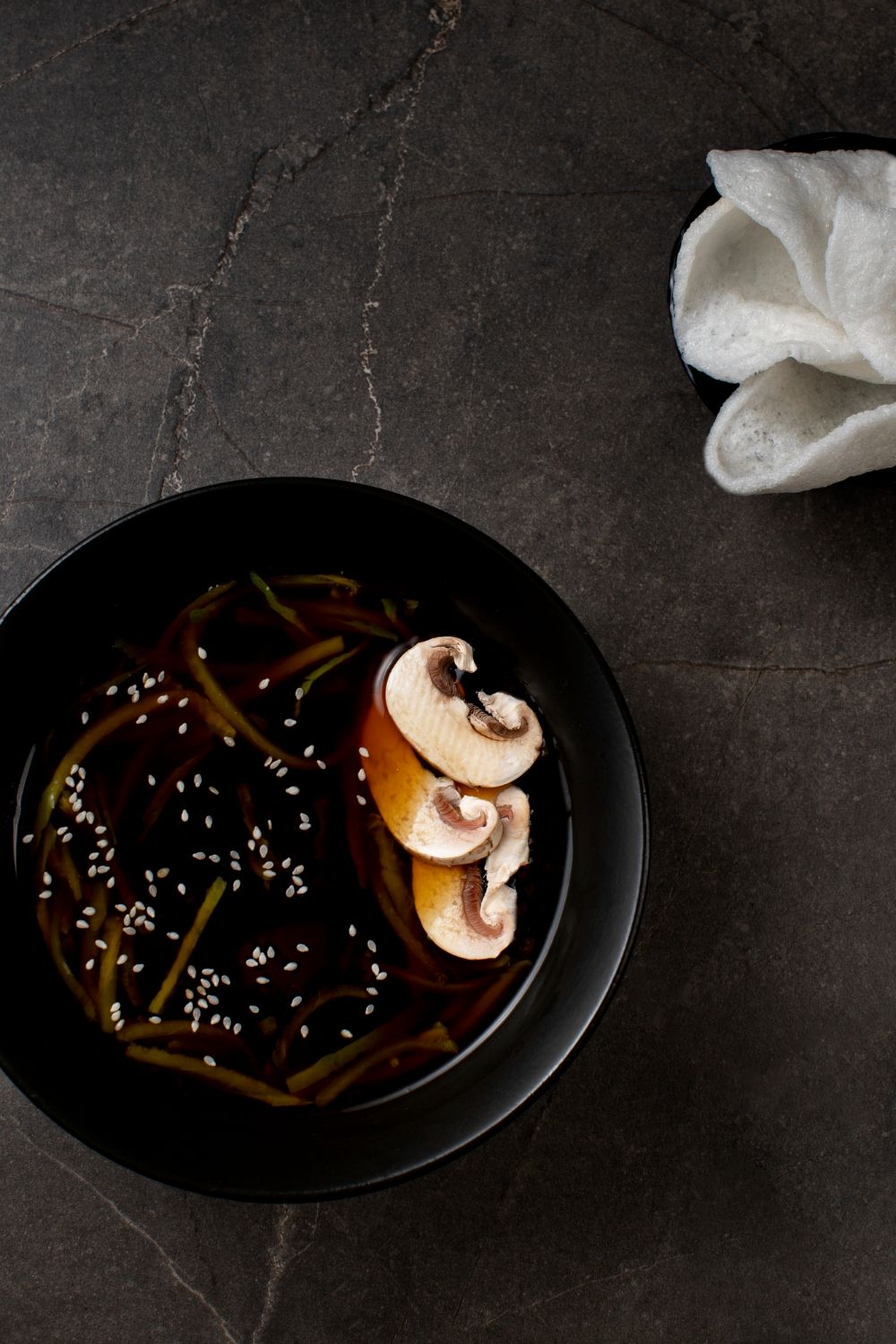
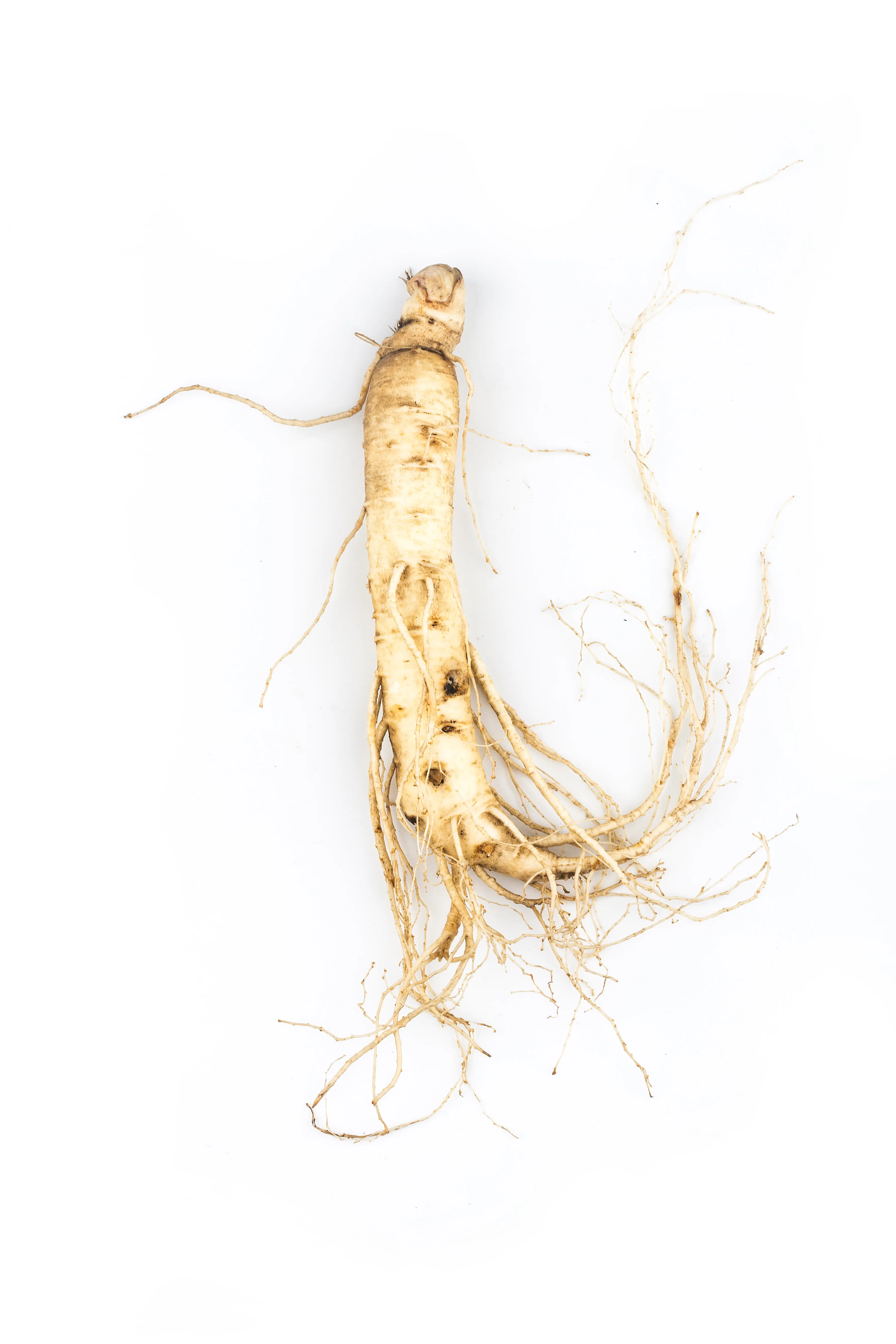
Unfortunately, the Vietnamese cuisine could not fully convince me. In Korea, on the other hand, I found it to be a soothing contrast - after the intense glutamate and sugar flavors of Vietnam and the greasy food of China. One dish from Korea that particularly sticks in my mind: stuffed young chicken in a hot ginseng soup. Very spicy, very powerful - exactly to my taste. I don't like lukewarm dishes - you don't really get full and often eat too much.
How does a chef develop their own signature?
During my training, classical German, Austrian, and French cuisine was the focus. Today, you will find very little of that on my plates. Everything served at 'Sahila' is my very personal signature. I didn't train under a famous three-star chef - that gave me the freedom to develop my own style. If I had worked, for example, for four years with Dieter Müller, Harald Wohlfahrt, or Jan Hartwig, their influence would surely have been clearly noticeable.
Do you have to follow trends to stay at the top - like the molecular cuisine once did?
We still use techniques from molecular cuisine, but personally, I could never identify with the very purist Nordic cuisine that was trendy for a time. I love to give a seemingly simple product a stage – for example, a carrot that, inspired by Ethiopian cuisine, is showcased through regional spices and preparation methods. Spices generally play a central role in my kitchen: cardamom, pepper, star anise – they add depth and character.
How great is the pressure one feels after the first star – especially if you want to keep it or even cook up a second one?
Of course, there is pressure. The quality must always be right – especially when a tester visits. A star can also be lost again. But our goal is clear: We want to earn the second star. To achieve this, we work every day with the highest standards.
What needs to be done for this?
The top principle is: perfection. Every dish must be prepared at a consistently high level and succeed precisely.
What does a typical workday look like for you?
My day usually starts around 10 AM with an hour of exercise – yoga or pilates. Then there's breakfast. By 12 PM at the latest, I'm at the restaurant, and from 1 PM, I'm in the kitchen – usually until midnight. You work with your husband. Are there sometimes frictions?
Of course, that can't be avoided. But we usually manage to get along well. I'm in the kitchen all day, he mainly takes care of the office and our mezze bar "Yu*lia".
And who cooks at your home?
Honestly, no one. We just don't have the time. We only have Sundays and Mondays off, and on those days, we do household chores, meet family or friends.
You market your own olive oil under the name Kenzolie. How did that come about?
On one of my trips, I discovered a small family business in the Tunisian mountains that produces excellent olive oil – hand-picked, single-variety, organic, and of the highest quality. I was immediately impressed and decided to import it under the name "Kenzolie." Unfortunately, I can't continue this business myself due to time constraints – but the product is still very dear to me.