Dates are far more than just a sweet delight – they are also a true blessing for digestion. Even in ancient times, they were attributed healing properties, and even today many appreciate their positive effect on the body. Due to their numerous nutrients, they are also considered the 'bread of the desert.' They promote balance in the intestines and naturally support the digestive process by stimulating bowel activity and helping to alleviate digestive complaints.
That's why dates are good for digestion
Not only when it comes to supporting digestion, dates are a true superfood . They also have antibacterial and anti-inflammatory effects and are a valuable source of energy.
Studies have shown that dates can even support brain function. Their ability to promote digestion so effectively is mainly due to the high content of fiber and essential mineralsthey contain. These help keep the digestive system in check and the Strengthen gut flora. If you use dates for digestion, you support a healthy gut function in the long term.
The nutrient power of dates: fiber, minerals, and more.
Dates contain a considerable amount of fiber – and these are known to be essential for a well-functioning digestion. Thus, dates are an excellent way to increase the fiber content in the diet.
But the sweet desert fruit has many more healthy nutrients: Dates are rich in valuable vitamins, especially B vitamins such as B1, B2, and B6, which are important for energy metabolism and nervous system function.
In addition, dates contain a variety of minerals, especially potassium, calcium, and magnesium, which help regulate water balance, strengthen bones, and support muscle function.
Another remarkable feature of dates is their antioxidants, such as flavonoids, carotenoids, and phenolic acids,which help reduce cell damage from free radicalsand thus slow down the aging processcan.
Additionally, the fruit contains the amino acid tryptophan, which in the body is converted into melatonin– a hormone responsible for a regulated sleep-wake cycleand thus ensures Sleep quality can improve.
Dates support the gut and enhance the health of the gut flora through their prebiotic properties. The fibers in dates, especially soluble fibers, serve as food for beneficial gut bacteria.
These bacteria, such as bifidobacteria and lactobacilli, promote the growth of probiotic microbes, which are crucial for maintaining a healthy microbiome.
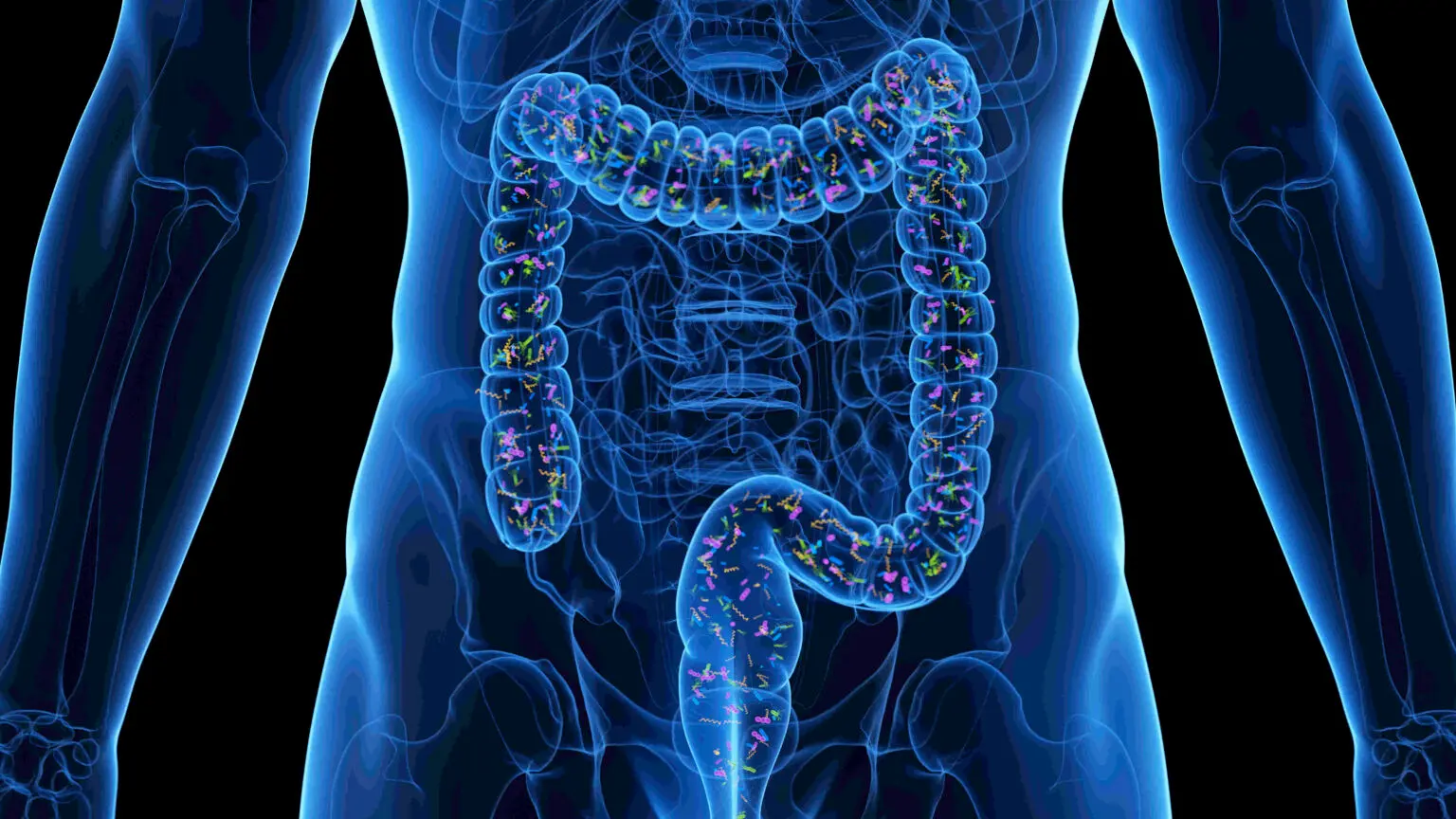
The Microbiome refers to the entirety of all microorganisms, including bacteria, viruses, fungi, and parasites, that live in and on the human body. It plays a central role in many biological processes, including the digestion of food, the production of vitamins, and the regulation of the immune system.
An balanced microbiome not only promotes healthy digestion but also strengthens the immune system, by keeping harmful microbes in check and supporting the body's defenses.
A well-functioning microbiome can even protect against inflammation and disease, caused by harmful bacteria or an imbalance of microbes in the gut.
By providing a good foundation for beneficial bacteria in the gut, dates help stabilize the balance of gut flora. At the same time, the growth of harmful microbes that cause digestive problems can be inhibited. In this way, dates help prevent conditions such as intestinal inflammation.
Fiber: Essential for healthy digestion
Fiber is essential for a well-functioning digestive system and significantly contributes to gut health. Although these plant fibers cannot be fully digested by the body, they play a crucial role: they promote regular digestion, prevent constipation, and improve stool consistency.
At the same time, they help bind and eliminate harmful substances in the digestive tract, which reduces the risk ofcertain digestive disorders, such as Colon cancer , reducecan.
Another advantage of fiber is its ability to stabilize blood sugar levels. They slow down sugar absorption, providing a more consistent energy supply and preventing blood sugar spikes that could impair digestion and overall wellbeing.
Therefore, the fiber in dates makes a valuable contribution to promoting a healthy, balanced digestive system.
Dates as gentle support for digestive issues
This unique composition of nutrients and fiber makes the superfood a real helper when it comes to alleviating digestive problems. Dates help with constipation, bloating, or even diarrhea. But how exactly do they work and what should you pay attention to?
Goodbye constipation: The effect and proper dosage of dates
One of the most well-known uses of dates is support for constipation. Their high content of mostly soluble fiber stimulates bowel movement and ensures better stool consistency. These properties make dates ideal for gently and effectively getting the intestines moving.
The soluble fibers bind water in the digestive tract, which increases stool volume and makes the stool softer – an advantage for people who suffer from hard or irregular bowel movements.
Dried dates are particularly well-suited to prevent or alleviate constipation due to their lower water content and higher fiber density.
It is important to note that the digestive effect not only of the kind, but also of the drying level depends. The longer the dates ripen on the palm or are actively dried, the more concentrated their nutrient content is.
How many dates are necessary for constipation depends on individual digestion and the type of dates. A typical portion of two to three dried datesper day is often enough to positively influence digestion. Soaked dried dates can be particularly effective as they additionally supply the digestive tract with fluid.
Fresh dates on the other hand have a higher water content, which makes them milder in their effect This makes them particularly suitable for people with sensitive digestion who still want to benefit from prebiotic properties.
Dates for bloating: A possible solution?
In some cases, dates may cause more bloating rather than relieving it. The high fiber content does support healthy digestion but can also lead to increased gas formation in the intestines, especially in people with sensitive digestive systems.
Especially dried dates, which have a higher fiber content due to lower water content, can exacerbate bloating if consumed excessively.
In addition, dates contain fructose and sugar alcohols, which are some people are hard to digest are. These components can be fermented in the intestine, which can lead to flatulence and other digestive issues.
For people prone to flatulence, it is advisable to start with small amounts of dates and closely monitor tolerance. Those who regularly suffer from flatulence may want to limit their consumption of dates or opt for fresh varieties, as they contain less fiber and sugar alcohols. In any case, it makes sense to tailor the diet individually.
Relieve diarrhea: How dates can help and when not
Even with diarrhea, dates can be both beneficial and problematic, depending on how they are consumed. Normally, the fiber contained helps to regulate digestion and firm the stool.
In cases of mild diarrhea, dates can help stabilize the electrolyte balance and supply the body with important nutrients due to their minerals like potassium and magnesium. A small amount of dates is often a good idea to bring the digestive tract back into balance.
However, dates can be problematic in acute diarrhea, as the high fiber content can stimulate bowel activity and worsen symptoms. Especially dried dates, which have a higher concentration of fiber, can further irritate the bowel when consumed excessively.
In cases of severe diarrhea Therefore, it is advisable to avoid or at least reduce the consumption of dates, to prevent additional strain on the digestive system. For quick relief, it's better to focus on easily digestible foods.
Dates as a laxative: What's really true?
It is often claimed that dates have a laxative effect. How much truth is there in this claim? Can dates really serve as a natural laxative, or is it just a widely held myth?
Laxative effect of dates: myth or scientifically proven?
The scientific findings on the laxative effect of dates are rather reserved. While dates do not have the same strong effect as traditional laxatives that directly stimulate the intestines, they support digestion in a gentle way. Thanks to their high fiber content, they promote natural bowel movements and thus contribute to the regulation of digestion.
Another aspect that is relevant in this context is the effect of sugar alcohols like sorbitol, which are found in datescontain. Sorbitol has an osmotic effect, which means that it draws water into the intestines to soften the stool and promote digestion.
This mild but effective action can have a laxative effect on some people, especially when dates are consumed in larger quantities. However, it should be noted that this effect can vary from person to person. While some people find dates to be a helpful remedy for occasional constipation, they can cause bloating or even diarrhea in others, particularly those with sensitive digestive systems.
In this context, the effect of dates as a laxative can be regarded as gentle and individual, making them suitable for long-term support of healthy digestion without heavily burdening the intestines.
How quickly do dates act as a laxative?
The effect of dates as a natural laxative does not usually manifest immediately, but rather gradually. They do not have the same rapid effect as chemical laxatives. Instead, dates support digestion in a continuous and lasting manner. How quickly dates work as a laxative depends on various factors, such as individual digestion and the amount consumed.
For most people,the first results appear after about one to three days. This is one of the reasons why dates are better suited to support digestion in the long term, rather than providing short-term relief for acute complaints.
The right dosage is also crucial:While some people notice an improvement after just a few dates, others require more. Those who regularly incorporate dates into their diet will find that they can stabilize digestion in the long run.
However, it is advisable to start eating dates in small amounts to test your own tolerance and not overwhelm the digestion with a too large portion.
It is important to note that the effect of dates is also enhanced by combining them with other healthy foods such as water and fiber. So if you regularly consume dates as part of a balanced diet, their effect is particularly effective in the long term.
FAQ
How many dates per day are ideal?
The ideal amount of dates varies according to individual needs, but usually two to three dates per day are enough to benefit from their health advantages and support digestion. It is important to adjust portions to your dietary needs, as dates are relatively high in calories. Excessive consumption can lead to bloating or stomach issues.
Morning or evening: When should you eat dates?
Dates can be consumed at any time of the day. However, if eaten in the evening, they can promote the production of melatonin, the sleep hormone that ensures restful sleep. In the morning, on the other hand, dates can stimulate digestion and boost metabolism for the day ahead.
Are dates really helpful for constipation or bloating?
Dates can be helpful for constipation as they stimulate digestion through their fiber and soften the stool. However, they should be consumed with caution for bloating, as the high fiber content and sugars like fructose can cause gas in sensitive individuals.
What amount of fiber do dates provide per serving?
A 100 gram serving of dates provides about 5 to 8 grams of fiber, depending on the variety and degree of drying. These contribute to promoting healthy digestion, support blood sugar regulation, and can help prevent constipation.
Should you eat dates during pregnancy?
Dates can be helpful during pregnancy, particularly for issues like constipation, leg cramps, iron deficiency, cravings, and sleep disturbances. They provide essential nutrients such as iron and magnesium, promote digestion, and support sleep quality. Studies even show that dates aid in birth preparation, promote labor onset, and can shorten the duration of labor phases.