© Freepik
February 11, 2026
Marianne Waldenfels
- Health
- Food
Medicinal Mushrooms for Hay Fever: Natural Antihistamines?
How reishi, cordyceps, and other medicinal mushrooms can ease the pollen season
Share article:
© Freepik
February 11, 2026
Marianne Waldenfels
How reishi, cordyceps, and other medicinal mushrooms can ease the pollen season

 Find a Doctor
Search the network for suitable specialists and contact them directly
Every seventh person in Germany suffers from hay fever – watery eyes, a runny nose, and torturous itching turn spring into an ordeal. While classic antihistamines often make you drowsy, medicinal mushrooms are coming into focus as a natural alternative. But what is really behind the effects of Reishi, Cordyceps, and others? We have reviewed the study situation.
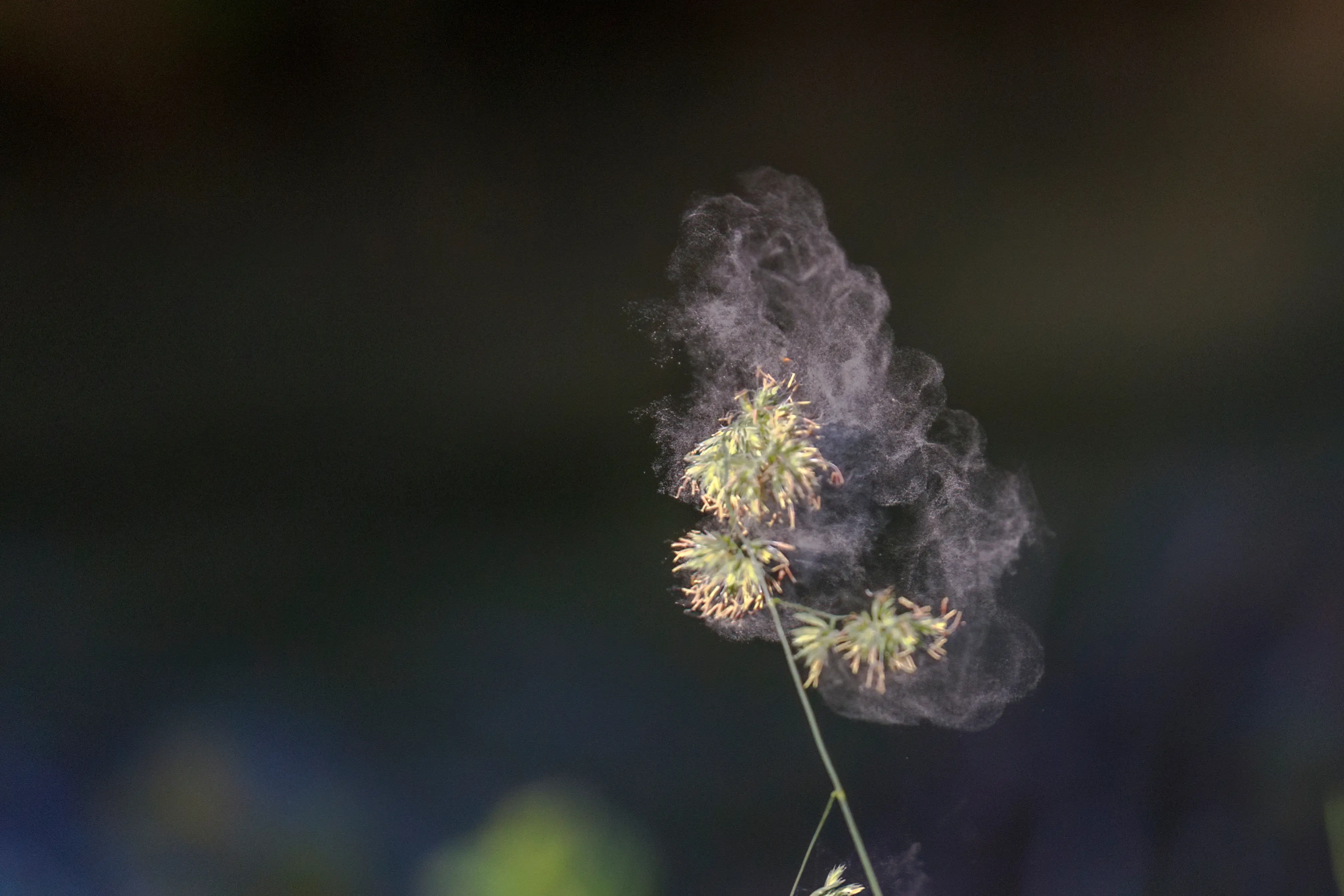
In the case of a pollen allergy, the immune system classifies actually harmless flower pollen as dangerous invaders. The result: The body releases massive amounts of histamine – the messenger responsible for the typical symptoms. Red, swollen eyes, a stuffy nose, and constant itching are the unpleasant companions through pollen season.
Approximately 20 percent of the German population is now affected – with a rising trend. Many resort to over-the-counter antihistamines, but these only combat the symptoms and can cause drowsiness as a side effect. A long-term solution that regulates rather than suppresses the immune system would be highly desirable.
This is where medicinal mushrooms come into play. In Traditional Chinese Medicine (TCM), healing mushrooms have been used for thousands of years for allergies and respiratory issues. The key difference from traditional medications: Medicinal mushrooms act immunomodulatory – they restore balance to the immune system rather than simply suppressing it.
This is mainly due to two groups of substances: Beta-glucans and Triterpenes. Beta-glucans are special sugar molecules that are recognized by immune cells in the gut and activate them – similar to a training effect for the body's defenses. Triterpenes, on the other hand, have anti-inflammatory effects and can reduce histamine release, much like cortisone, but without its side effects.
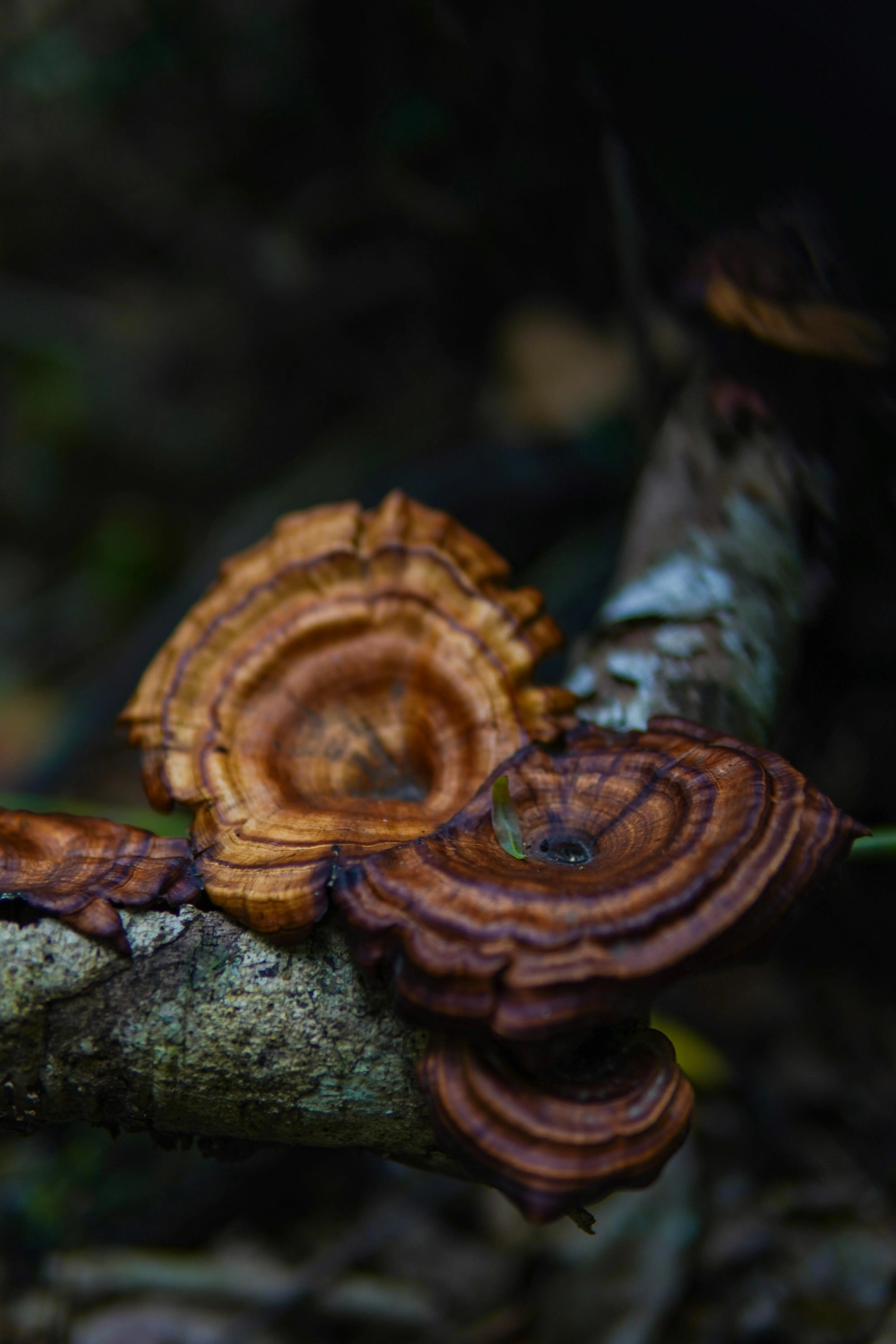
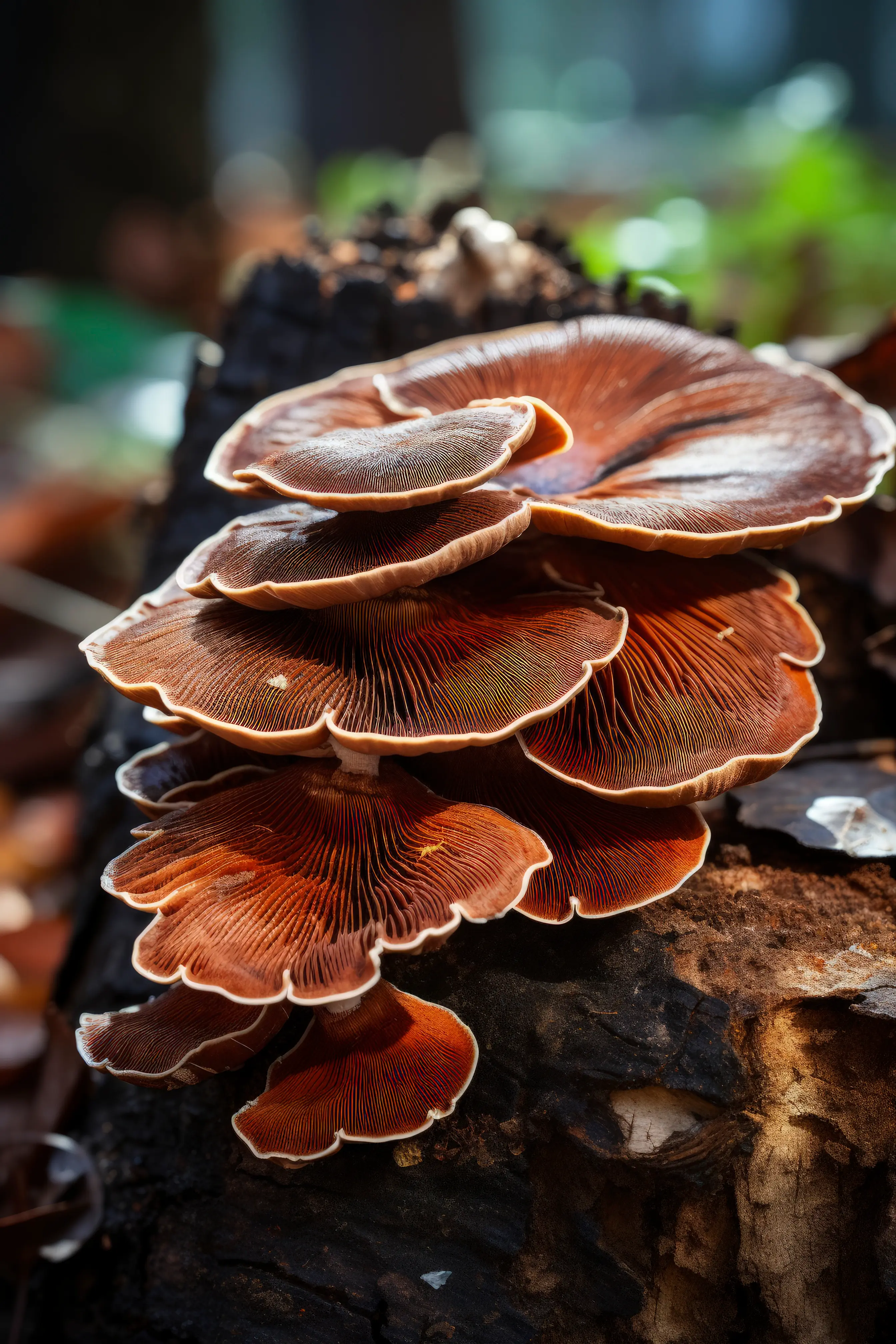
The Reishi mushroom (Ganoderma lucidum), also known as the "mushroom of immortality," is the most well-researched medicinal mushroom for allergic reactions. Studies at Okayama University in Japan have shown that Reishi contains four active ingredients that can inhibit histamine release. These so-called ganoderic acids block the release of the inflammatory messenger and bring the immunoglobulin E (IgE) antibodies back into balance.
Particularly noteworthy: Reishi contains about 140 highly active triterpenes that act like cortisone – but without the dreaded side effects such as weight gain or immune weakness. In case reports, sufferers report significantly alleviated to completely disappeared symptoms.
The ABM almond mushroom is characterized by the highest beta-glucan content of all medicinal mushrooms studied so far – a solid 45 percent protein content makes it a real powerhouse. Beta-glucans activate macrophages, those scavenger cells that eliminate pathogens and specifically stimulate the immune system.
In a study on children with respiratory complaints, a clear antiallergic effect was shown. Particularly practical: ABM can also be consumed as an edible mushroom - a delicious dish with a therapeutic side effect.
The lion's mane (Hericium erinaceus) is especially helpful when the mucous membranes swell significantly. It regenerates the respiratory mucous membranes and also supports psychological-emotional processes via the so-called gut-brain axis. Particularly in chronic hay fever, which is accompanied by stress and nervousness, Hericium can be very beneficial.
In case of severe runny nose and stuffy nose, Polyporus comes into play. It reduces mucus production and stimulates the lymphatic system, thus dampening allergic reactions. Ideally, a course of Polyporus is already undertaken in winter – so you enter the pollen season with a lower allergy readiness.
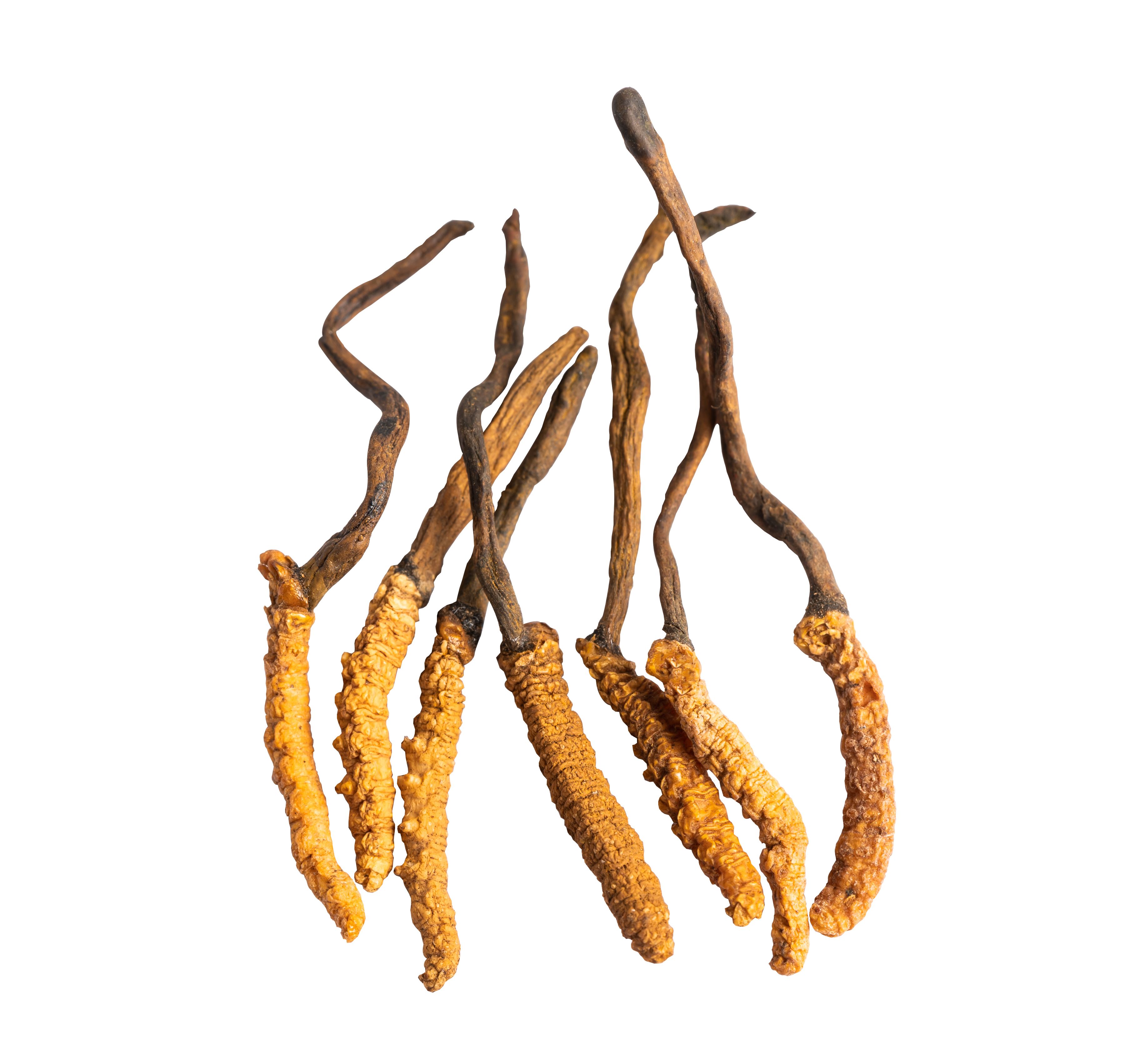
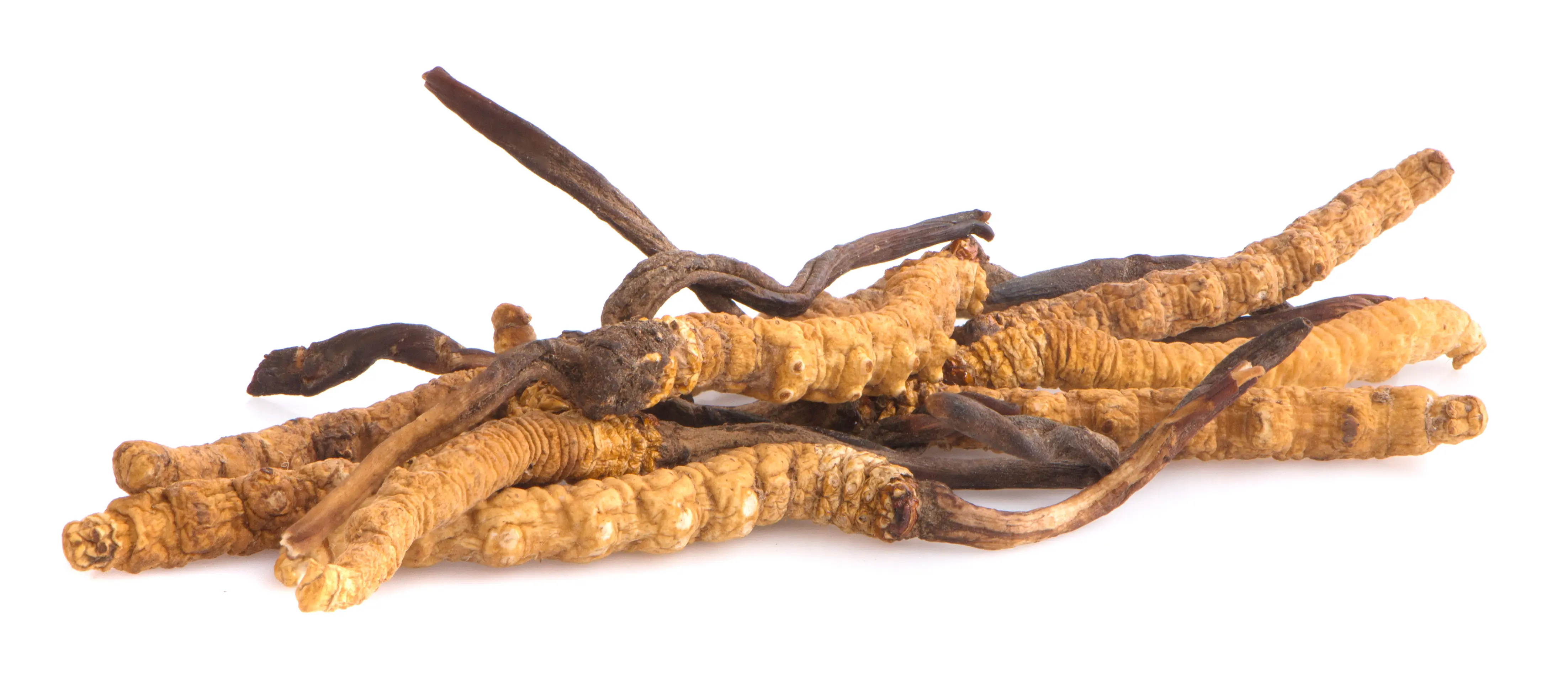
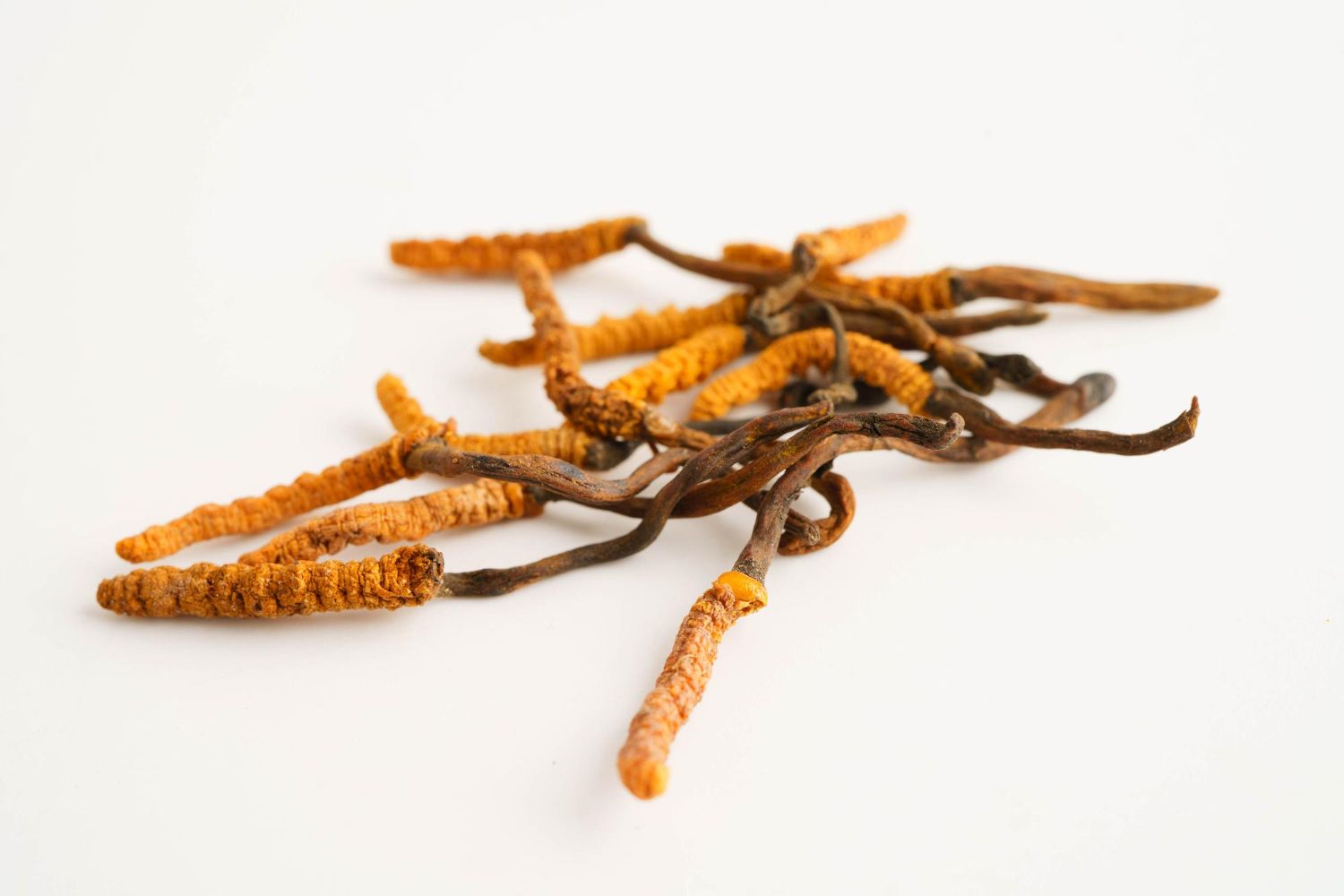
If the allergy is accompanied by exhaustion and depressive mood, Cordyceps is a good choice. The "caterpillar fungus" has a mood-lifting, calming, and energizing effect at the same time. It contains the valuable cordycepin, which is closely related to DNA building blocks and supports metabolic processes.
Research on medicinal mushrooms for allergies is still in its early stages but shows promising results. A recent meta-analysis on beta-glucans from yeast found that respiratory infections were 60% less common in treatment groups. Infection duration and severity were also significantly reduced.
There are now over 1000 studies on Reishi in the PubMed database. Japanese researchers have demonstrated that the triterpenes in Reishi modulate the activity of certain immune cells (T-cells, macrophages, natural killer cells) and inhibit inflammatory processes.
A study by the Paul Ehrlich Institute in 2025 confirmed that beta-glucans can specifically influence the immune system and suppress allergy-related immune responses. Zymosan and β-1,3-glucan, in particular, showed the ability to stabilize mast cells – the cells that release histamine in allergies.
Ideal start: It is recommended to start taking them in winter, at least 6-8 weeks before the pollen season begins. This gives the immune system time to regulate itself.
Dosage: Depending on the preparation, 2-3 grams of mushroom powder or corresponding extract capsules are recommended daily. In cases of acute symptoms, the dose can be temporarily increased.
Combination therapy: Experience shows that medicinal mushrooms work synergistically. A combination of Reishi (for histamine inhibition), Hericium (for the mucous membranes), and ABM or Cordyceps (for the immune system) is often recommended.
Dosage form: Pay attention to high-quality extracts from the whole mushroom (fruiting body AND mycelium). Powder should be gently processed to retain valuable enzymes. Organic quality from controlled cultivation is mandatory to avoid heavy metal contamination.
Medicinal mushrooms achieve their full effect best in combination with a holistic approach:
• Vitamin C acts as a natural antihistamine and lowers histamine levels. It also relieves airway irritation.
• Zinc protects the mucous membranes, regenerates them, and reduces histamine release.
• B vitamins control histamine release and can alleviate allergic symptoms.
• Omega-3 fatty acids (from linseed, walnut oil, or fish oil) reduce excessive inflammatory reactions.
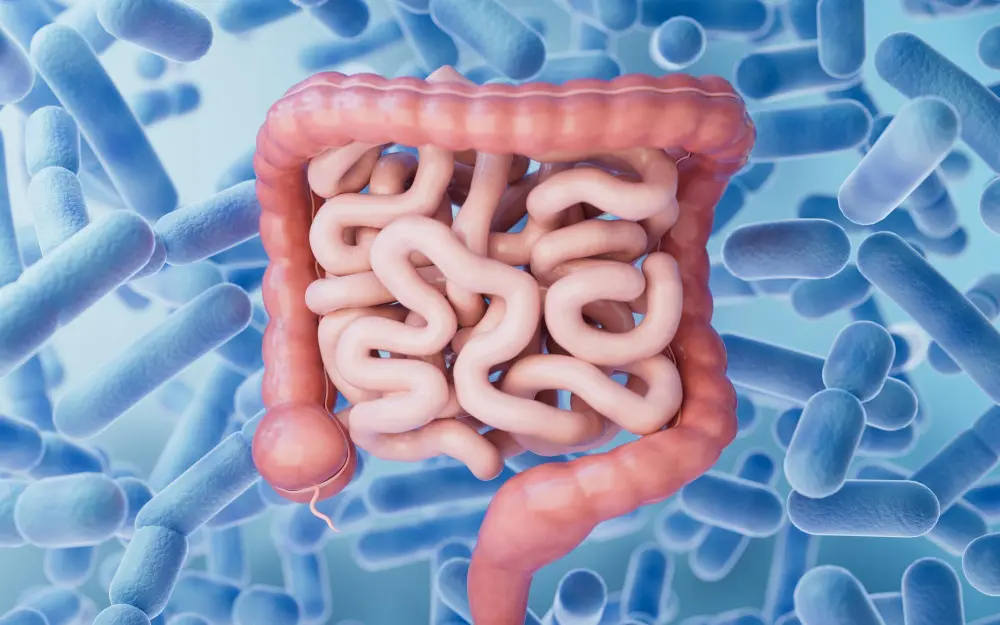
• Gut health is essential – 70 percent of the immune system resides in the gut. A gut-friendly diet with probiotics supports the effect of medicinal mushrooms.
Medicinal mushrooms are considered very well tolerated and low in side effects. Nevertheless, there are some points to consider:
• Mushroom allergy sufferers should generally be cautious and start with low doses.
• Blood-thinning medications: Reishi can have a blood-thinning effect – discontinue before surgeries and consult a doctor.
• Blood pressure medications: Reishi can lower blood pressure – use caution when taken with blood pressure medications.
• Immunosuppressants: After organ transplants, medicinal mushrooms should not be consumed.
• Pregnancy and breastfeeding: The data situation is still thin here – to be safe, a doctor should be consulted.
The market for medicinal mushrooms is booming – unfortunately, not always to the benefit of consumers. A study found that 75 percent of Reishi products on the market are fake or heavily diluted. Therefore, the rule is:
• Organic certification preferably from certified European cultivation
• Laboratory-tested products with certificates of analysis for heavy metals and pesticides
• Full-spectrum extracts from fruiting body AND mycelium for maximum active ingredient diversity
• Transparent manufacturer information about origin, cultivation method, and ingredients
• Realistic price: High-quality vital mushroom products have their price – cheap products are usually inferior
Medicinal mushrooms are not miracle cures, but they offer a promising approach for people suffering from hay fever and looking for natural alternatives. The immunomodulatory effect of Reishi, ABM, and others addresses the cause rather than just suppressing symptoms.
The research is still expandable, but initial studies and numerous anecdotal reports are encouraging. Important: Medicinal mushrooms take time. Those who reach for the capsule at the first sneeze will be disappointed. However, those who start taking them in winter and focus on quality have a good chance of experiencing the next pollen season much more relaxed.
A tip at the end: Consult a mycotherapist or naturopath specializing in medicinal mushrooms. A combination of mushrooms tailored to the individual is often more effective than trying out individual supplements on your own.
Warning: Medicinal mushrooms are not a substitute for a medically prescribed therapy. In cases of severe allergic symptoms, asthma, or medication intake, use should always be coordinated with a doctor.
Quick help for acute hay fever
Steam bath with sea salt and peppermint
• Boil 1.5 liters of water
• Add 2 tablespoons of sea salt and dried peppermint
• Inhale for 15 minutes with a towel over your head
• Apply twice daily
The moist steam bath moistens the mucous membranes, facilitates breathing, and reduces pollen exposure.

Cut out sugar, reduce carbohydrates, avoid certain foods: there’s no shortage of advice about diet and cancer. Oncologist Dr. Gesche Brannolte-Raab explains what the evidence shows – and what she recommends to her patients.
Christine Bürg & Marianne Waldenfels

An interview with
Dr. med. Gesche Brannolte-Raab