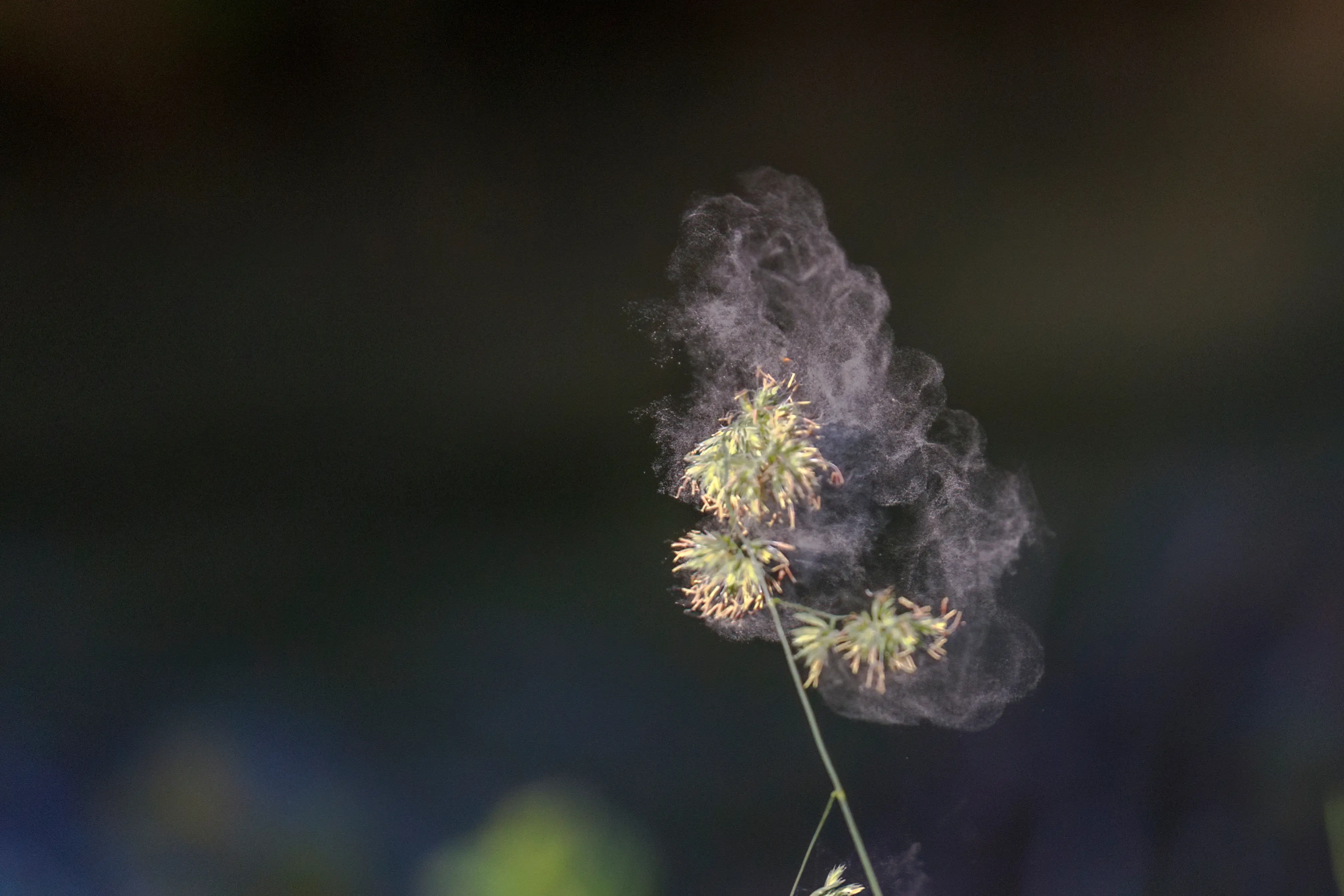
© Adobe Stock
Pollen allergy is the most common allergy in Germany.
April 16, 2025
Birgitta Dunckel
Watery eyes, sneezing fits, blocked nose. How can hay fever symptoms be alleviated, when does immunotherapy help, and what can be done about pollen in the home?

© PMC
With
Dr. med. Christine Zimpfer
For many people, spring is the most beautiful season, but for some, the suffering season begins precisely now: Eyes itch and tear up, one sneeze attack chases the next, the nose is stuffed or runny. Scratchy throat, itching in the palate, cough stimulus up to a flu-like feeling of illness – a pollen allergy can ruin the best spring mood.
Pollen allergy, colloquially known as hay fever, is the most common allergy in Germany. According to a study by the Robert Koch Institute (RKI) from 2008 to 2011, nearly one-third of adults aged 18 to 79 were diagnosed with an allergy, with hay fever being the most common. According to the German Weather Service (DWD), more than 15 percent of the population in Germany is now allergic to pollen – and the trend is rising.
An analysis by the Commercial Health Insurance shows that between 2011 and 2021 the number of affected individuals increased by 11.5 percent. Possible cause: Climate change influences pollen load and thus the risk of hay fever. Due to rising temperatures, the flowering period of plants starts earlier, for example, the hazel bloom now begins a whole month earlier than in the 1950s. Another aspect: invasive plants such as ragweed prolong the pollen season from August to October. The rest period for allergy sufferers is getting shorter.
Your body is therefore in constant stress with only a few months off a year. And the plants are also under stress due to climate change and pollution, ramping up their immune system and producing special proteins to protect themselves from negative environmental influences. People with a pollen allergy react particularly strongly to these proteins. Furthermore, air pollution constantly irritates the mucous membranes, making them more susceptible to allergies. It is a vicious cycle.
"In any case, you should see a doctor if the symptoms do not subside despite allergy pills or other anti-allergic treatments. There are various symptoms that can lead to an allergic shock. In such cases, it is especially important to consult a doctor or allergist to carry out an allergy diagnosis and appropriate tests," explains Dr. Anette Zimpfer-Keese from Mannheim, who works as a doctor, dermatologist, and allergist in her own owner-managed MVZ.

Dr. Anette Zimpfer-Keese

How reishi, cordyceps, and other medicinal mushrooms can ease the pollen season
Marianne Waldenfels
Which medications alleviate the symptoms? "Antiallergics, especially classic antihistamines. If you know it is an allergy, there are various nasal sprays and eye drops that can also help. However, some of these preparations are not available on prescription," says Dr. Anette Zimpfer-Keese.
In many people, immunotherapy can alleviate suffering. "This is a big topic. I would like to talk about so-called desensitization. This is especially important for patients with severe hay fever, particularly when a so-called progression to other parts of the body is imminent. This means that hay fever gradually spreads to the lungs and can cause asthma. In such cases, it is particularly important to carry out immunotherapy."
Birch pollen, which is produced in large quantities in spring and can be blown by the wind up to 300 kilometers, is considered particularly unpleasant in this country. Hazel, alder, and grasses are also among the highly allergenic plants. For pollen allergy sufferers, it is generally helpful to regularly inform themselves about upcoming pollen flights. The pollen forecast from the German Weather Service provides information, and the pollen calendar from the German Pollen Information Service Foundation gives an overview of when certain pollen is in season throughout the year.
Rule of thumb: The less contact with pollen, the better. It is important to keep pollen out of the house and especially out of the bedroom as much as possible. Because there, they irritate the mucous membranes at night.

© Karolina Grabowska
Black cumin oil contains anti-inflammatory and anti-allergic substances that can alleviate allergy symptoms.
The following home remedies help to alleviate the symptoms:
A daily nasal rinse with salt water cleanses the nasal mucous membranes of pollen and soothes irritations. Dosage: 1 mg of salt in 100 milliliters of water.
If hay fever spreads to the eyes, causing them to itch and water, eyebright can help. Boil 300 milliliters of water with two teaspoons of eyebright, let it steep for five minutes. Soak cotton balls in the cooled infusion and place them on closed eyes for 15 minutes.
Black seed oil: Contains anti-inflammatory and anti-allergic substances that can alleviate allergy symptoms. An early application (three months before pollen season) of black seed oil is advisable to use its immune-supporting effect specifically for prophylaxis. Dose: about 1 teaspoon of oil per day