© Faruk Tokluoglu/Unsplash
May 17, 2026
Hanja Niederhammer & Christine Bürg
How does skin regeneration work? Dermatologists explain how sleep, nutrition, retinol, vitamin C, and UV protection support skin renewal and healthy-looking skin

With
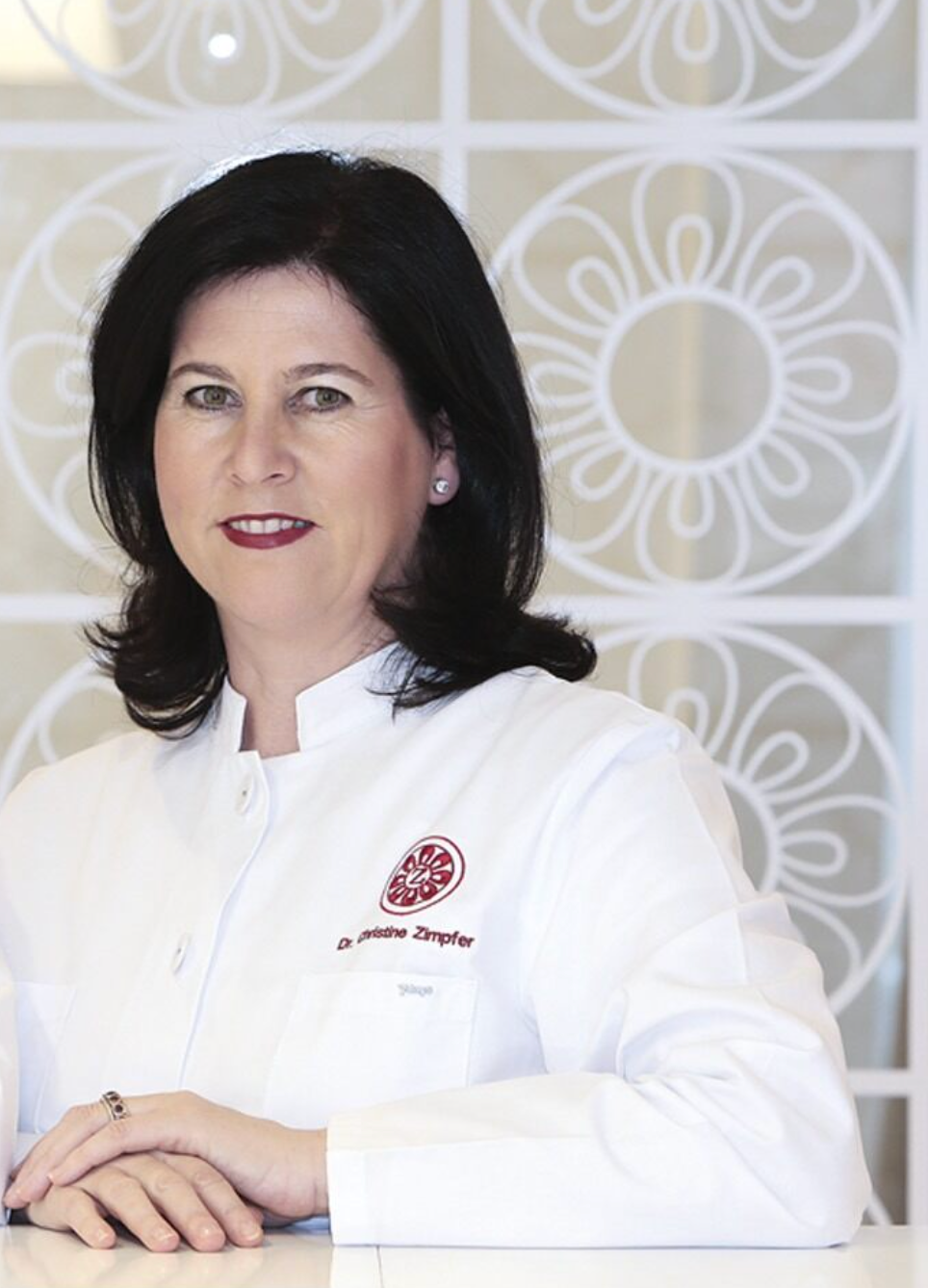
Dr. med. Anette Zimpfer-Keese and Dr. med. Christine Zimpfer

 Find a Doctor
Search the network for suitable specialists and contact them directly
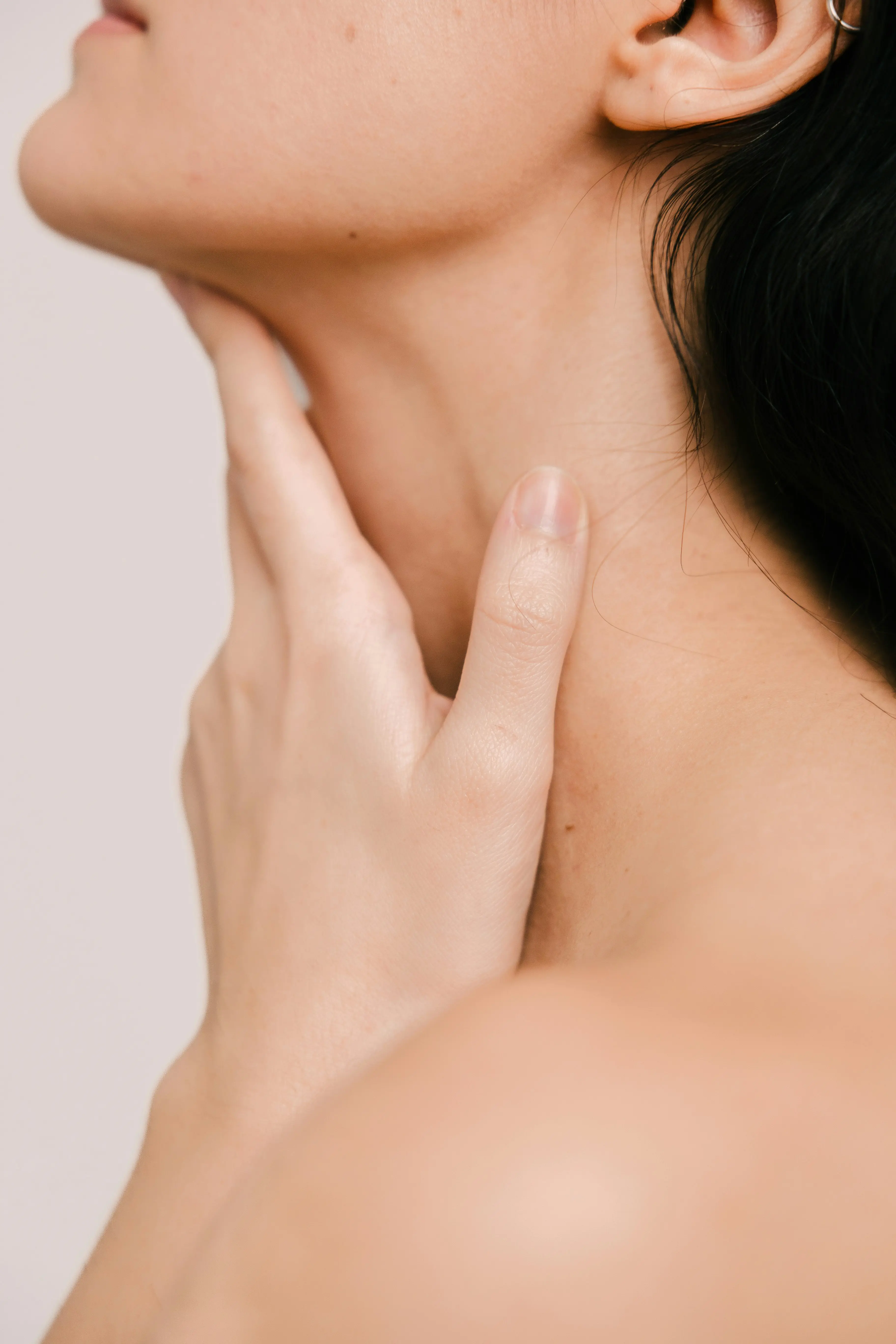
The skin regenerates itself every day – but as we age, this natural process slows down. UV radiation, stress, lack of sleep or hormonal changes can further impair skin renewal, making the skin appear drier, more sensitive, or duller.
Dermatologists Dr. Christine Zimpfer and Dr. Anette Zimpfer-Keese explain how skin regeneration works, how long skin renewal takes, and which measures truly promote skin regeneration.
Skin regeneration refers to the natural renewal process of the skin. During this process, dead skin cells are continuously shed and replaced by new ones. This cycle ensures that the skin can maintain its protective function and remains healthy, resilient, and elastic.
The formation of new skin cells begins in the lowest layer of the epidermis, the so-called basal layer. There, new cells are constantly created, which gradually move to the surface of the skin. During this journey, they change their structure, become keratinized, and eventually form the protective outer skin layer. Upon reaching the surface, the dead skin cells are shed and replaced by new ones.
This process happens unnoticed every day and is essential for a fresh and healthy skin appearance. Without functioning skin regeneration, the skin would age faster, become more susceptible to irritations, and lose its natural barrier function.
In young adults, the Skin approximately every 28 days. However, with age, this process significantly slows down. From the age of 30, the speed of cell renewal gradually decreases, so that later the skin often needs 40 to 50 days for a complete regeneration cycle.
External factors can also affect skin renewal. Intense UV radiation, smoking, environmental pollution, or chronic put pressure on the skin and slow down cell division. The result: the skin appears duller, drier, loses elasticity, and small wrinkles become more visible.
Nevertheless, the skin has an impressive ability to heal itself. With the right care and a healthy lifestyle, natural regeneration can be specifically supported.
Cell renewal begins deep in the epidermis, the outermost layer of the skin. This is where so-called keratinocytes are formed—special skin cells that continuously divide. After they are formed, they slowly migrate to the skin's surface.
During this migration, the cells change step by step. They lose their nucleus, dry out, and eventually keratinize. On the surface, they form the protective horny layer of the skin, which protects the body from pathogens, UV radiation, and moisture loss.
Every day, millions of dead skin cells are shed. At the same time, new cells are formed to take the place of the old ones. This cycle ensures that the skin remains resilient and can repair minor damage itself.
Skin regeneration is influenced by many factors. Particularly important are adequate moisture, a balanced diet, good sleep, and the right skin care. Only the interaction of these factors creates optimal conditions for healthy skin renewal.
"Healthy, radiant skin is not a coincidence, but the result of consistent, individually tailored skin care," explains Dr. Christine Zimpfer. Particularly effective for skin regeneration are well-researched ingredients like Retinol and retinoids that promote cell renewal and stimulate collagen production.
Vitamin C also plays an important role, as it supports collagen synthesis, acts as an antioxidant, and can contribute to a more even complexion.
Furthermore, according to Dr. Zimpfer, active ingredients such as niacinamide, ceramides, ectoin, and hyaluronic acid strengthen the skin barrier, improve moisture retention, and support regenerative processes.
Fruit acids such as AHAs, BHAs, and PHAs additionally promote skin renewal through gentle exfoliation and can improve skin texture, pore appearance, and skin clarity. Antioxidants and anti-inflammatory substances also help reduce oxidative stress and protect the skin in the long term.
"The most important measure against premature skin aging, however, remains consistent daily UV protection," emphasizes the expert. UV radiation is considered the main driver of extrinsic skin aging as well as pigmentation disorders and skin cancer. Therefore, the decisive factor is not the amount of products but "the targeted, individually tailored combination of effective and well-tolerated ingredients."
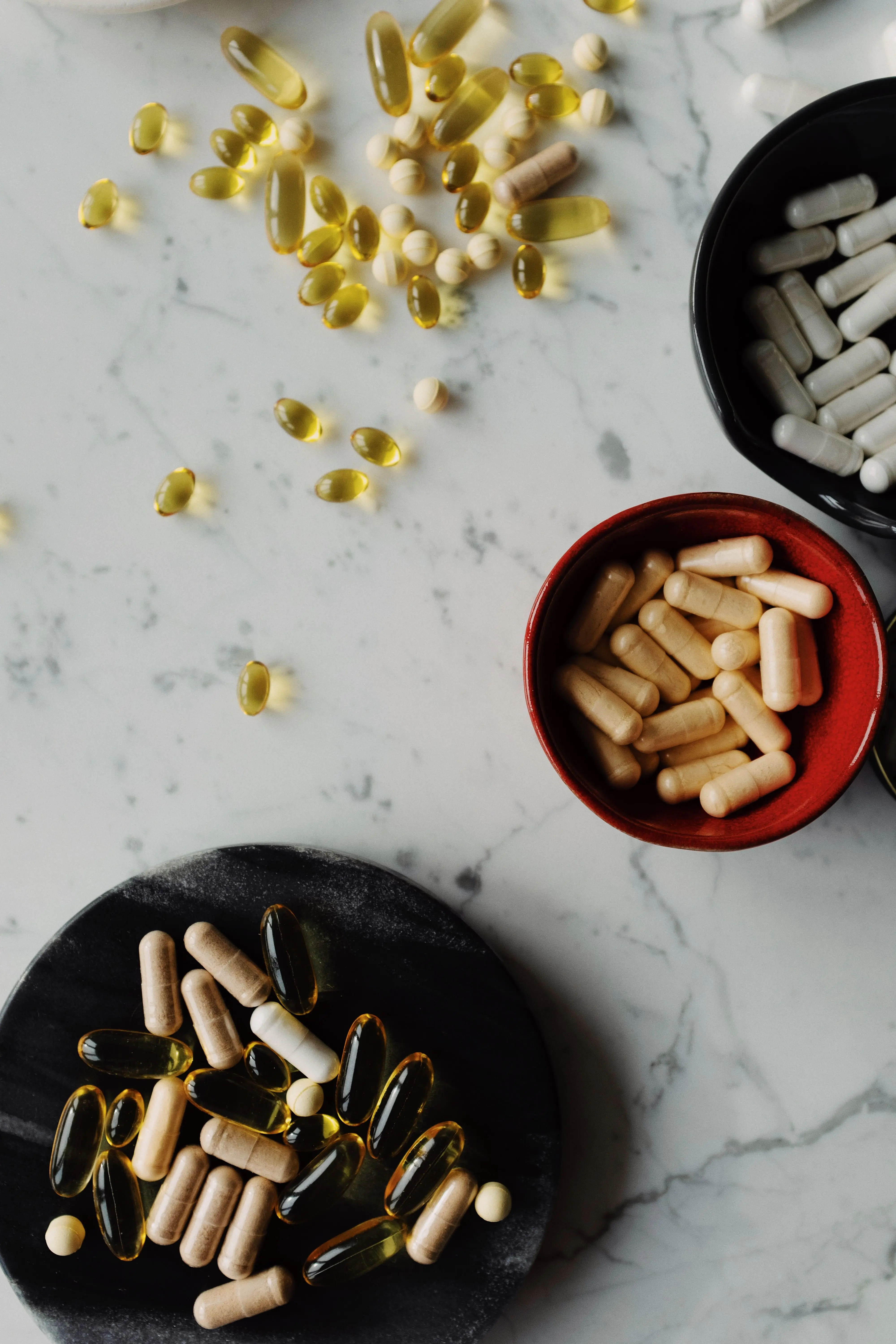
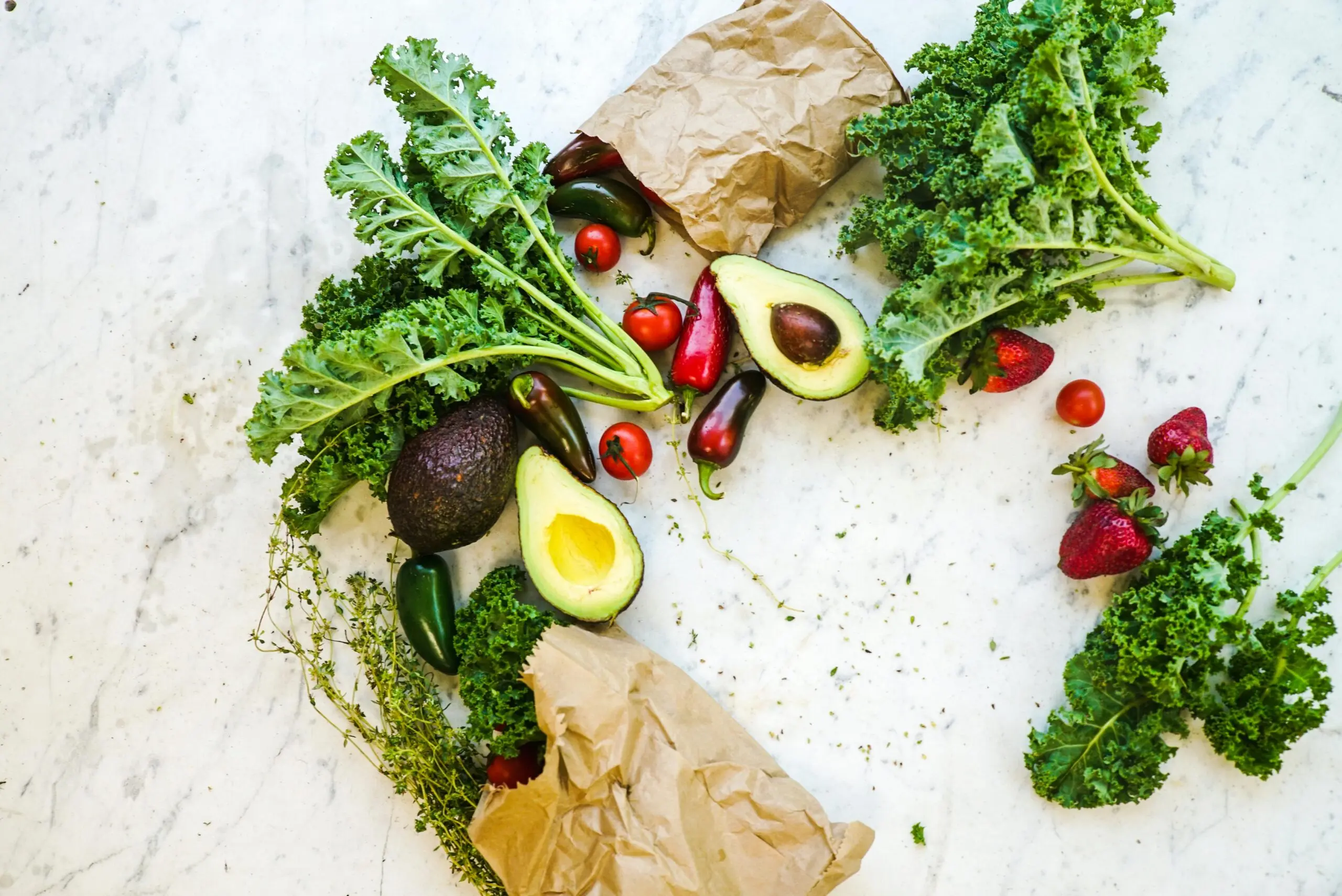
The Nutrition significantly influences skin health as it directly supports cell regeneration, collagen formation, inflammation regulation, and the skin barrier. ‘Particularly important are sufficient protein for collagen production, vitamin C for collagen synthesis, and omega-3 fatty acids for inflammation regulation,’ explains Dr. Christine Zimpfer.
Also zinc,selenium and antioxidants are important as they can protect the skin from oxidative stress. Additionally, collagen, hyaluronic acid, green tea, and sufficient fluid intake could positively influence skin function.
At the same time, the expert warns that an excess of sugar, heavily processed foods, nicotine, Alcohol and chronic stress can promote silent inflammatory processes in the body. This so-called "silent inflammation" accelerates collagen breakdown and thus skin aging. Especially in menopause nutrition becomes more important, as hormonal changes can make the skin drier, thinner, and more sensitive.
"Good skincare begins not only from the outside but also always from the inside," emphasizes Dr. Christine Zimpfer. Because the skin often shows early on how well the body is overall supplied.
Gentle exfoliations can promote skin regeneration by removing dead skin cells and supporting skin renewal. This gives the complexion a fresher appearance and care products can be better absorbed.
Chemical peels with fruit acids or enzymes are particularly popular as they usually exfoliate the skin more gently than coarse mechanical peels. However, it is important not to exfoliate the skin too often. One to two applications per week are usually sufficient.
Too aggressive peels can damage the skin barrier and further irritate the skin.
Sleep plays a central role in skin renewal, as the skin switches to an active repair mode at night. "During sleep, cell division, DNA repair, and the buildup of the skin barrier are intensified," explains Dr. Anette Zimpfer-Keese.
At the same time, inflammatory processes are reduced and regenerative hormones such as growth hormones are increasingly released. This allows important processes such as cell repair, collagen formation, barrier repair, inflammation regulation, and hormonal balance to occur at night.
"Chronic Sleep deprivation can significantly accelerate skin aging," emphasizes the expert. This connection is particularly relevant during menopause. With the decline of estrogen and progesterone, collagen formation decreases anyway; the skin becomes thinner, drier, and more sensitive. "If sleep disorders, for example due to Hot flashes or stress is added, it precisely shortens the phase in which the skin should regenerate," says Dr. Anette Zimpfer-Keese.
Visible skin aging, slowed healing, and increased sensitivity could be additionally enhanced. Especially for women in menopause, good sleep is therefore "a central biological factor for skin regeneration, barrier stability, and collagen maintenance."
As we age, the skin visibly changes. The production of collagen and elastin decreases while the skin can store less moisture. Additionally, cell turnover slows down. Many women in menopause report having dry, sensitive, or suddenly thinner-looking skin.
Therefore, more mature skin usually requires more intensive care and more moisture. Active ingredients like hyaluronic acid, retinol, or antioxidant serums can help strengthen the skin barrier and support natural skin renewal.
A healthy lifestyle also remains crucial. Those who get enough sleep, pay attention to UV protection, and eat a balanced diet help the skin remain healthy and resilient in the long term.
In dermatological practice, procedures such as microneedling, fractional laser therapy, or customized chemical peels are used—especially for photo-damaged skin. “These procedures set targeted, controlled micro-stimuli that activate the body's own wound healing, thereby stimulating collagen formation and skin renewal,” explains Dr. Anette Zimpfer-Keese.
Photodynamic therapy also plays an important role in UV-induced skin damage and actinic keratoses. In modern dermatology, it is not ‘more is better,’ but rather ‘targeted is more effective’—because sustainable skin regeneration arises from precisely tuned stimuli, not from over-treatment.
Those who want to promote long-term skin regeneration should not rely on short-term trends, but on scientifically proven active ingredients, consistent UV protection, adequate sleep, and a healthy lifestyle. Healthy skin does not happen overnight but through continuous regeneration.
Yes. The skin has the ability to continuously renew itself. Old skin cells are shed and replaced by new ones. This process continues throughout life and is crucial for a healthy skin barrier.
In young adults, skin renewal takes an average of about 28 days. However, with increasing age, this process can significantly slow down.
It is especially important to get enough sleep, UV protection, a balanced diet, and to use moisturizing and barrier-strengthening skincare products.
Retinol, hyaluronic acid, vitamin C, niacinamide, and panthenol are among the best-known active ingredients that can support skin regeneration.
Skin renewal can be supported by a healthy lifestyle and appropriate care. Extreme immediate effects are not realistic, as the skin follows its natural regeneration rhythm.
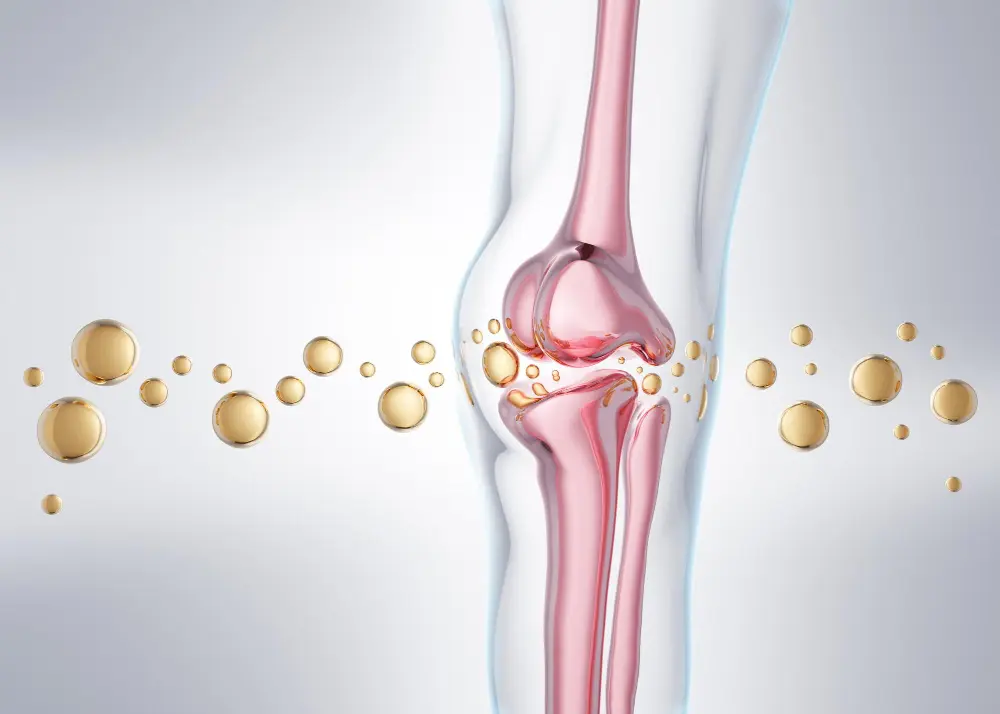
Collagen is frequently recommended for joint pain – often with the promise that it can strengthen or even rebuild cartilage. A large scientific review now paints a more nuanced picture. Orthopedic surgeon PD Dr. Daniel Berthold explains who may benefit from collagen – and what these supplements cannot do.
Christine Bürg & Marianne Waldenfels
With
PD Dr. med. Daniel P. Berthold
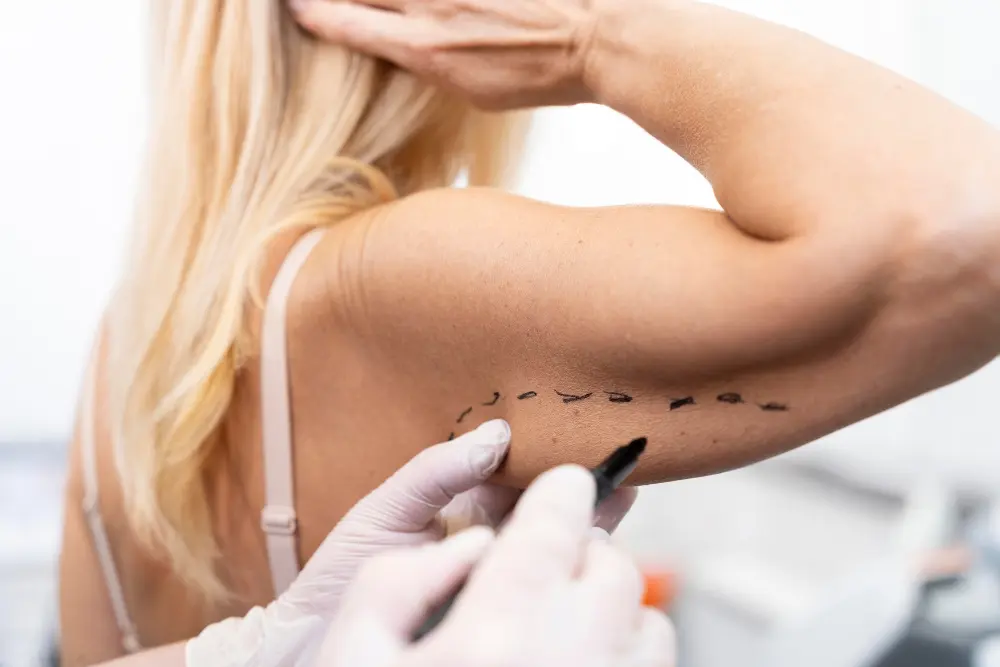
Significant weight loss changes the body – and the skin can't always keep up. Plastic surgeon Dr. Alexander Heinrich explains when body contouring makes sense, why he sees function and aesthetics as inseparable – and why he sometimes advises against surgery.
Christine Bürg & Marianne Waldenfels

An interview with
Dr. Alexander de Heinrich
Better sperm through biohacking? That's exactly what the trend known as "spermmaxxing" promises. Urologist Dr. Daniel Kaminski explains which methods fall short — and what can actually influence sperm quality.
Christine Bürg & Marianne Waldenfels
With
Dr. med. Daniel Kaminski