© Adobe Stock
July 20, 2026
Marianne Waldenfels
A spoonful of gelatin before a meal is said to curb appetite and support weight loss. On social media, it's already being promoted as "natural Ozempic." But what does the research actually show?
A tablespoon of gelatin powder dissolved in warm water — that's supposedly all it takes to suppress appetite and make losing weight easier. This idea is currently spreading across TikTok and Instagram millions of times under hashtags like #NaturalOzempic and #GelatinHack.
The pitch is appealing: drink the mixture about 15 to 30 minutes before a meal, feel full faster, automatically eat less, and lose weight more easily — all without prescription medication.
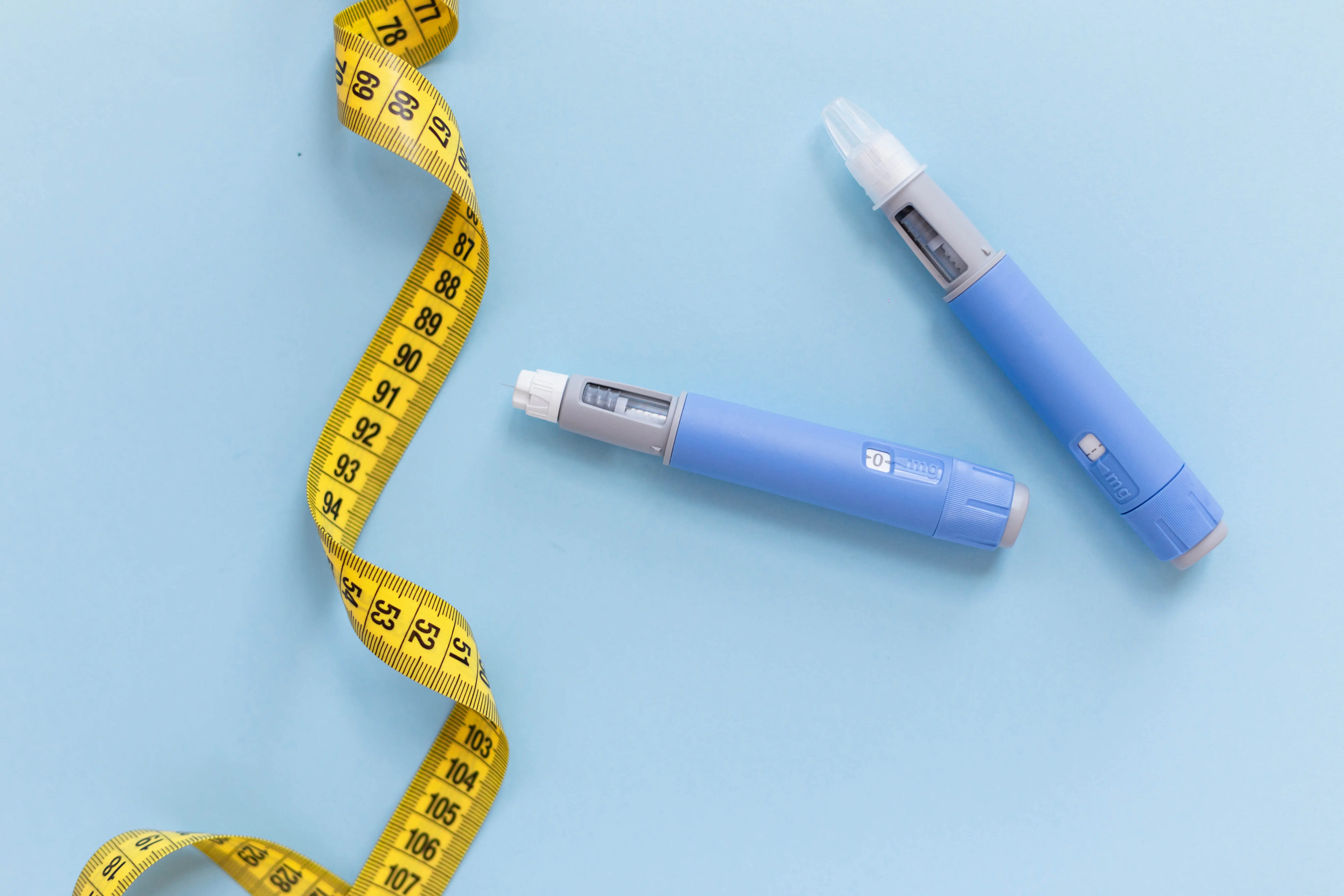
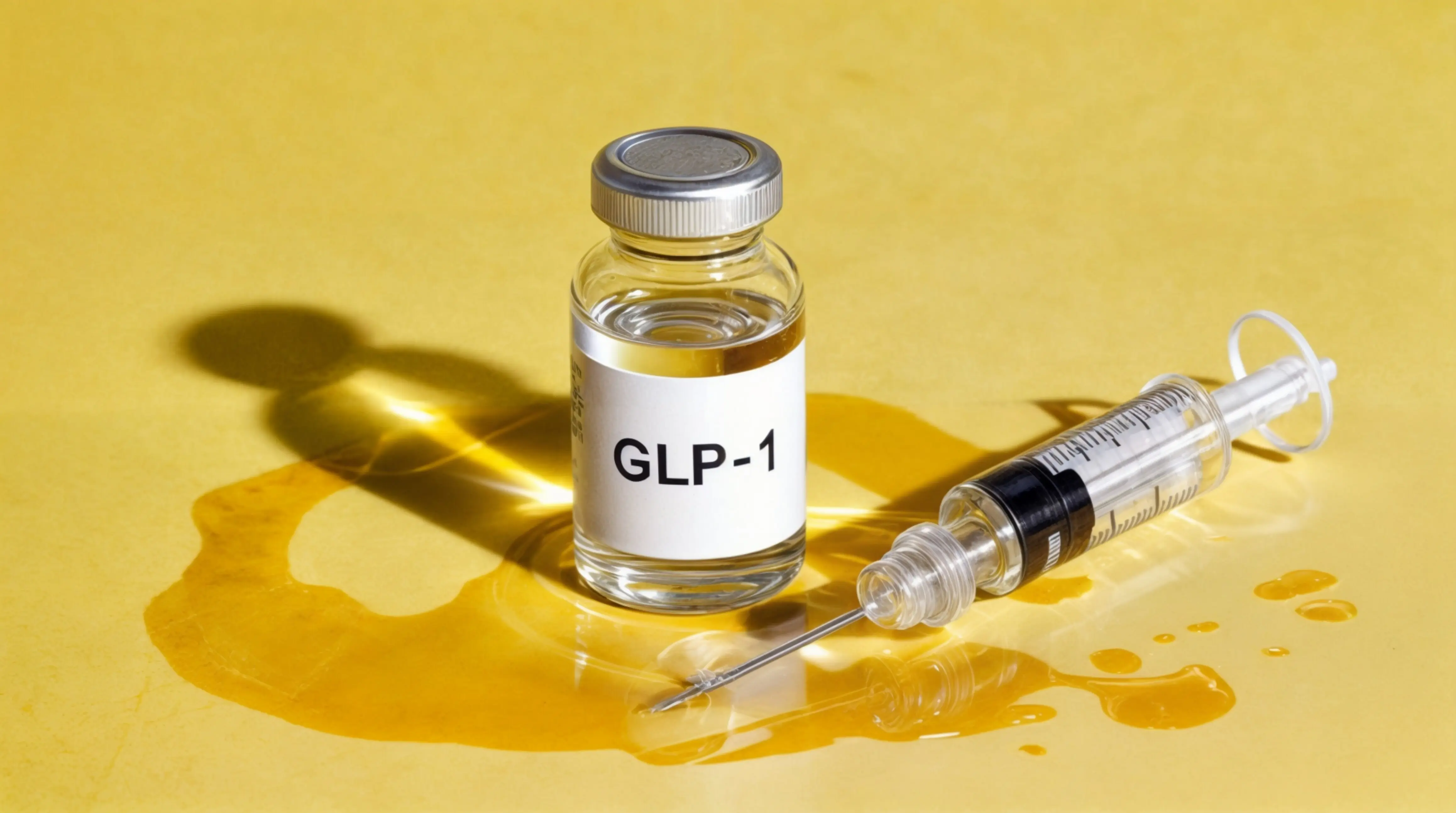
The comparison with Ozempic and Wegovy only adds to the hype. After all, so-called GLP-1 receptor agonists are currently considered the most effective medications available for treating obesity. But can a spoonful of gelatin really produce a similar effect?
The short answer is: no. While there are indications that gelatin can contribute to short-term satiety thanks to its protein content, the claim that it acts like a "natural Ozempic" simply doesn't hold up to scientific scrutiny.
There is a straightforward reason why gelatin is being discussed as an appetite suppressant at all. Gelatin is composed predominantly of protein. And protein is well established as the most satiating of the three macronutrients.
After a protein-rich meal, the secretion of various hormones involved in hunger and satiety regulation shifts. Gastric emptying also slows somewhat. As a result, many people feel full for longer after protein-rich foods than after a comparable amount of rapidly digestible carbohydrates.
There is a second effect at play as well: drinking a large glass of liquid before a meal already partly fills the stomach, which can reduce hunger in the short term. Together — the liquid and the protein — these two factors may explain why some people feel less hungry after drinking gelatin water.
One important caveat: although gelatin is high in protein, it is not among the highest-quality protein sources from a nutritional standpoint. One tablespoon of gelatin provides only around 8 to 10 grams of protein and about 35 kilocalories. For comparison:

Walking is one of the healthiest forms of exercise, but small everyday habits can reduce its benefits. Here's why pace, posture, footwear, and smartphone use matter more than you might think.
Marianne Waldenfels

With
Univ.-Prof. Dr. med. Dominik Pförringer

Muscle building, fat burning, stronger bones – the vibration plate promises it all. Physiotherapist Nils Stützer breaks down what's scientifically proven, where the research falls short, and who actually benefits from this type of training
Christine Bürg & Marianne Waldenfels

With
Nils Stützer

Lasers, retinol, biostimulators: which anti-aging methods actually work? Dermatologist Dr. Susanne Steinkraus breaks down which procedures are backed by science and what it really takes to maintain healthy skin.
Christine Bürg & Marianne Waldenfels

An interview with
Dr. med. Susanne Steinkraus
The satiety effect people experience is therefore likely less about the gelatin itself and more about the combination of liquid and a small amount of extra protein consumed immediately before a meal.
The key question, then, is not whether gelatin can produce short-term satiety, but whether that actually translates into measurable weight loss.
The existing evidence is limited overall, and meaningful long-term studies are scarce. Smaller studies have found that gelatin can reduce feelings of hunger somewhat more than certain other protein sources in the short term, with researchers speculating that its particular amino acid composition may be responsible.
For practical purposes, though, what really matters is whether gelatin actually leads to greater long-term weight loss.
This question was examined in a randomized intervention study at Maastricht University. Participants were assigned to different high-protein diets, one of which included gelatin. After eight weeks, all groups had lost weight.
The gelatin group, however, did not outperform the comparison groups, and no advantage was observed during the subsequent weight-stabilization phase either. The conclusion was clear: despite possible short-term effects on hunger, gelatin offered no additional benefit for long-term weight loss.
Similarly, systematic reviews on protein intake reach a comparable conclusion: protein can improve satiety and support a diet, but what matters is the overall dietary pattern — not any single ingredient or supposed dietary hack.
GLP-1 receptor agonists such as Ozempic, Wegovy, or Mounjaro are not conventional appetite suppressants. They mimic the body's own gut hormone GLP-1, which is released after a meal and plays a role in regulating blood sugar, gastric emptying, and satiety.
These medications act on multiple points in the metabolism simultaneously. They significantly delay gastric emptying, enhance feelings of fullness, influence appetite centers in the brain, and often reduce so-called "food noise" — the constant preoccupation with food. They also improve blood sugar regulation and were originally developed to treat type 2 diabetes.
This combination of effects is precisely what has driven the significant weight loss seen in large clinical trials of GLP-1 receptor agonists. Depending on the active ingredient, participants lost an average of around 15 to over 20 percent of their body weight — results no single food has come close to achieving.
Gelatin has none of these hormonal mechanisms. It neither influences signal transmission in the brain nor affects metabolism in any comparable way. Even if it provides some short-term satiety, that effect is limited to the period immediately following the meal.
Many people are looking for a simple, affordable, and natural alternative to weight-loss injections. As a result, foods and dietary supplements credited with a similar effect regularly go viral under the label "Natural Ozempic."
In recent months, psyllium husks, chia seeds, berberine, apple cider vinegar, and okra have all been promoted as supposed GLP-1 alternatives. Some of these foods do show promising signs of positive effects — on blood sugar regulation or satiety, for instance — but none of the substances studied so far comes anywhere near the proven efficacy of modern GLP-1 medications.
The viral gelatin trend contains a small grain of truth: protein can promote short-term satiety, and drinking a glass of liquid before eating can temporarily blunt hunger. But that is not nearly enough to justify calling it a "natural Ozempic."
The existing research provides no convincing evidence that gelatin alone leads to clinically meaningful or lasting weight loss. Based on current knowledge, those who want to lose weight permanently are far better served by an overall diet rich in protein and fiber, regular physical activity, and — where medically appropriate — individually tailored therapy. No single food can replace that approach.