© PMC
- München und Umgebung
- Neuromedicine
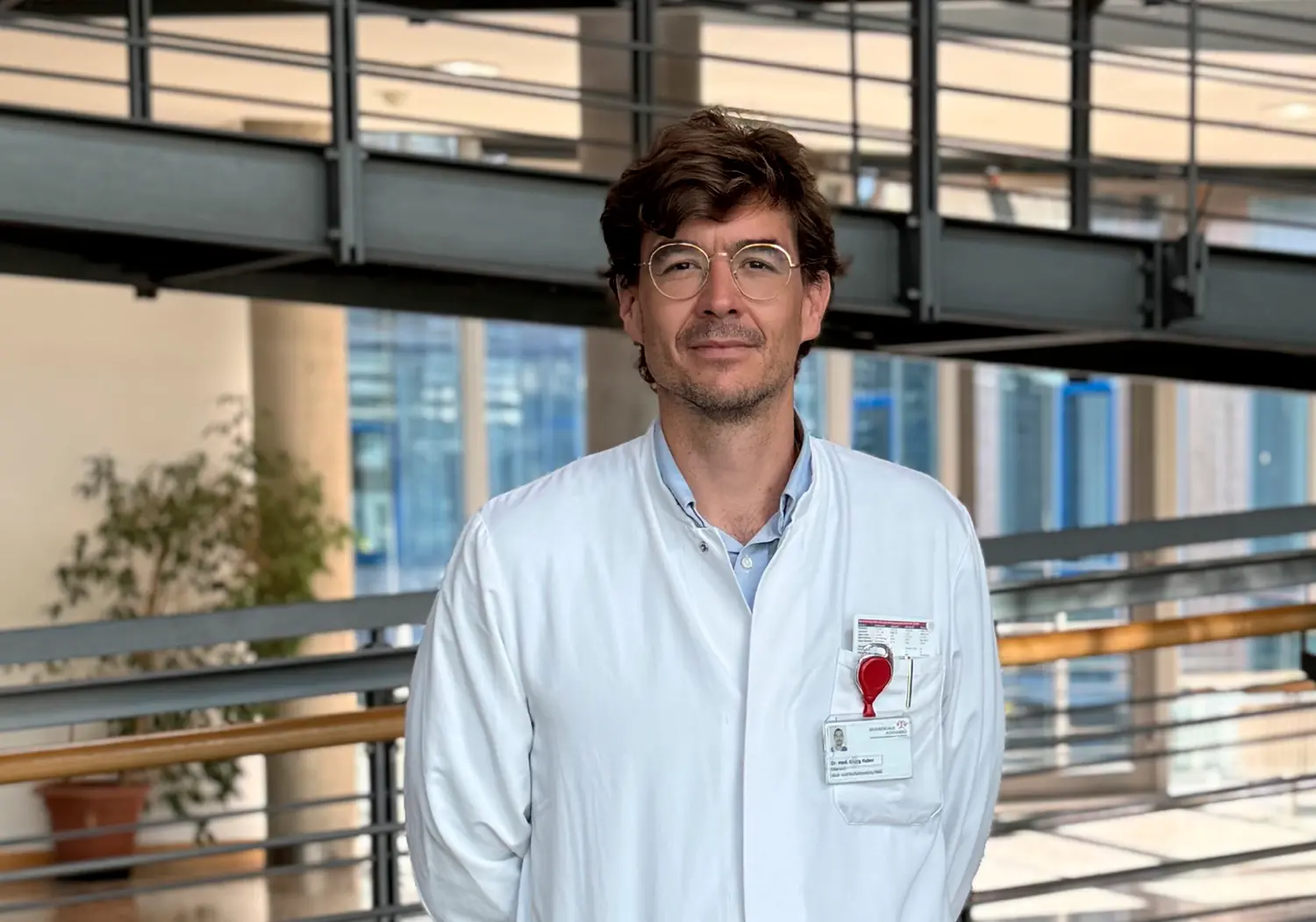
Dr. med. Georg Haber
Privatpraxis Dr.med. Georg Haber, Facharzt für Neurologie/ Spezielle Schmerztherapie
Services
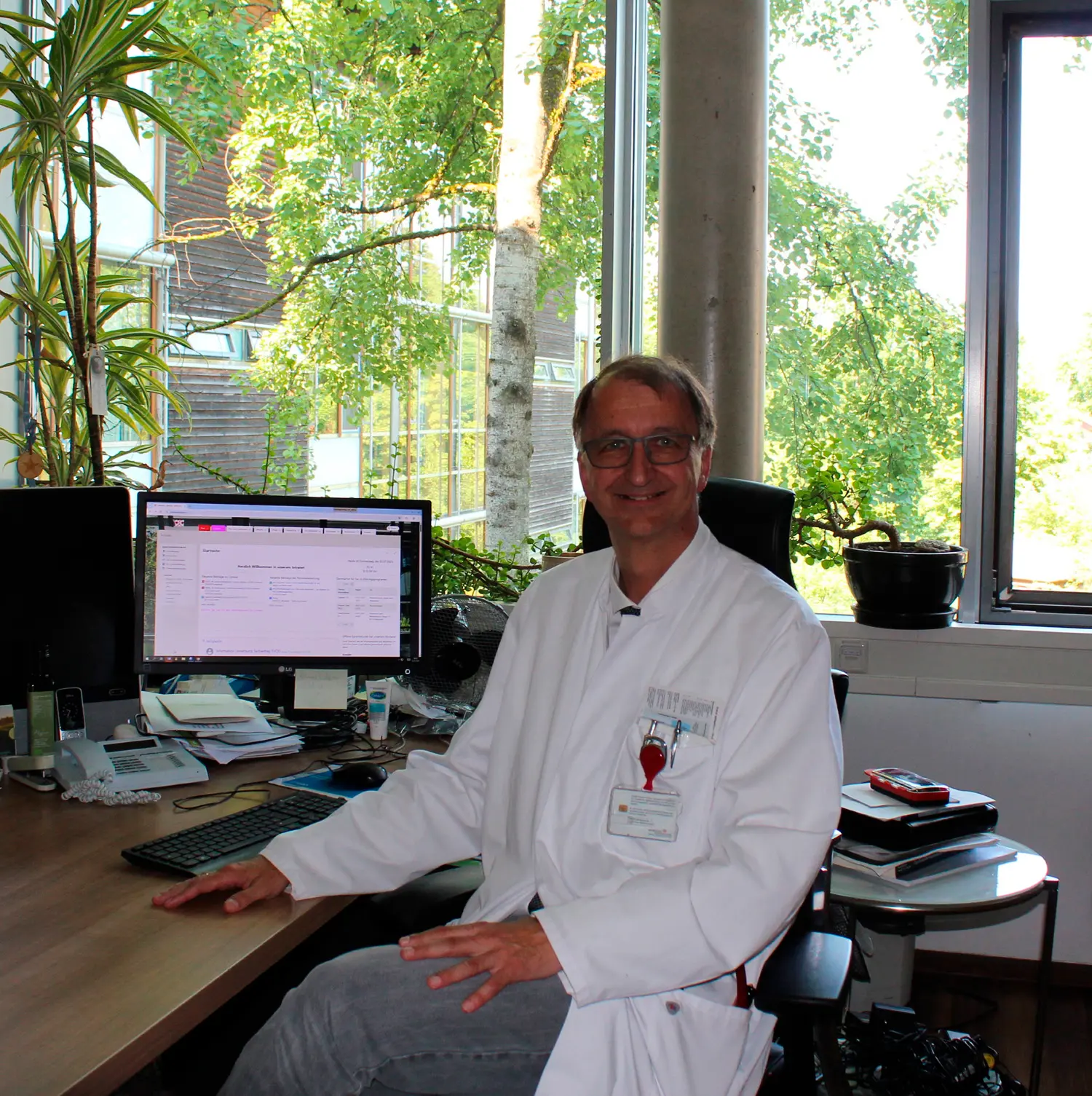
Anyone who encounters Dr. Georg Haber at the Agatharied Hospital, in one of the most beautiful holiday regions of Bavaria near the Schliersee, is usually not in a very relaxed situation – because he is a senior neurologist in the interdisciplinary emergency department. The good thing about it: you are in the best hands. Dr. Haber is a specialist in neurology and holds an additional qualification in special pain therapy. He can look back on many years of experience in various departments in the clinical and research field: for example, in the memory outpatient clinic of the Charité, at the University Hospital Basel in acute and stroke medicine, as well as in the interdisciplinary center for pain medicine of the TU Munich. The Agatharied Hospital is a clinic that covers almost all specialties and offers high-level medical care in the region – including a neurology department with a stroke unit – a special stroke ward.
"My motto is: Everything in moderation."
Dr. Georg Haber, Specialist in Neurology
© PMC
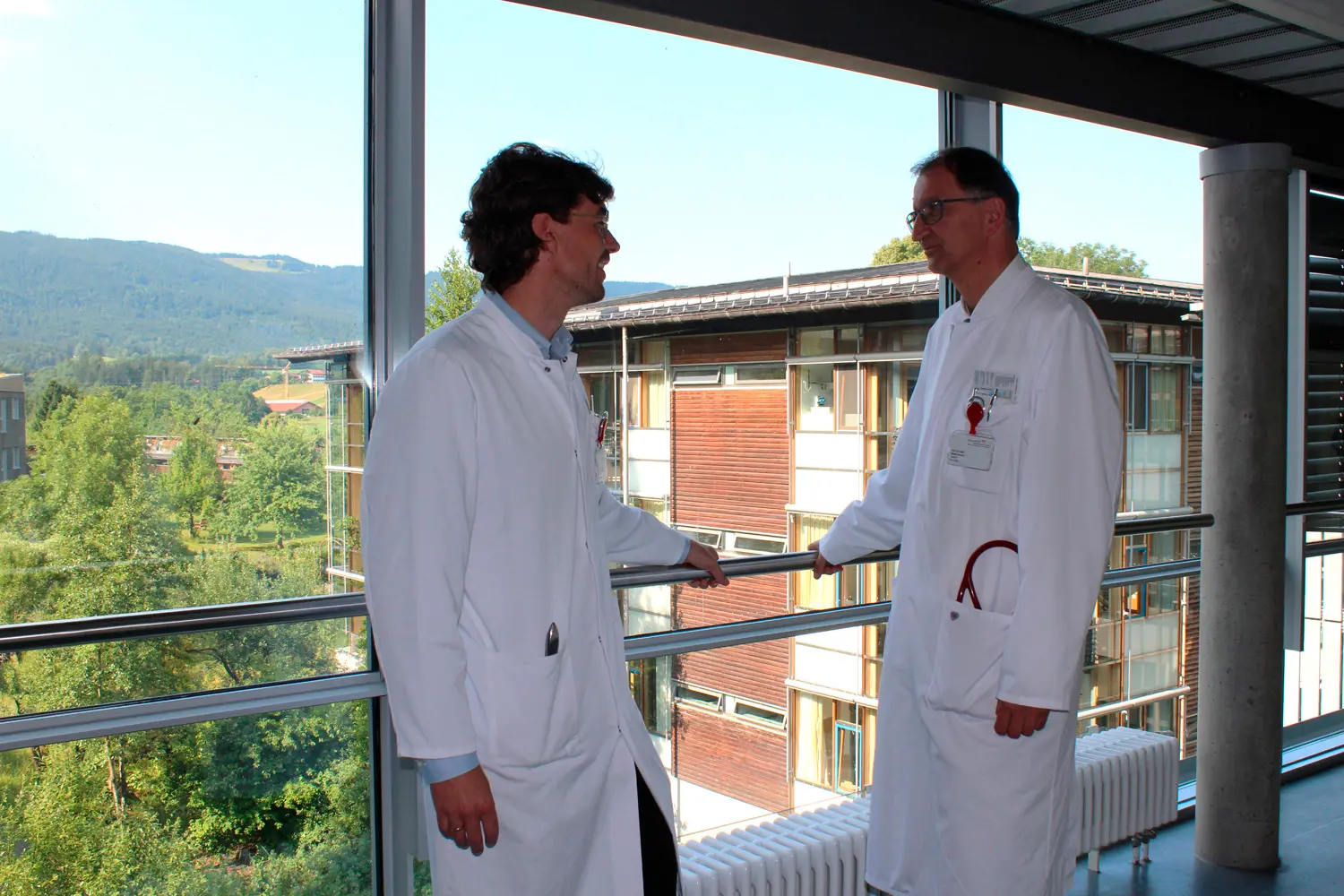
Dr. Georg Haber in collegial exchange with Prof. Lorenzl, neurologist at Agatharied Hospital.
© PMC
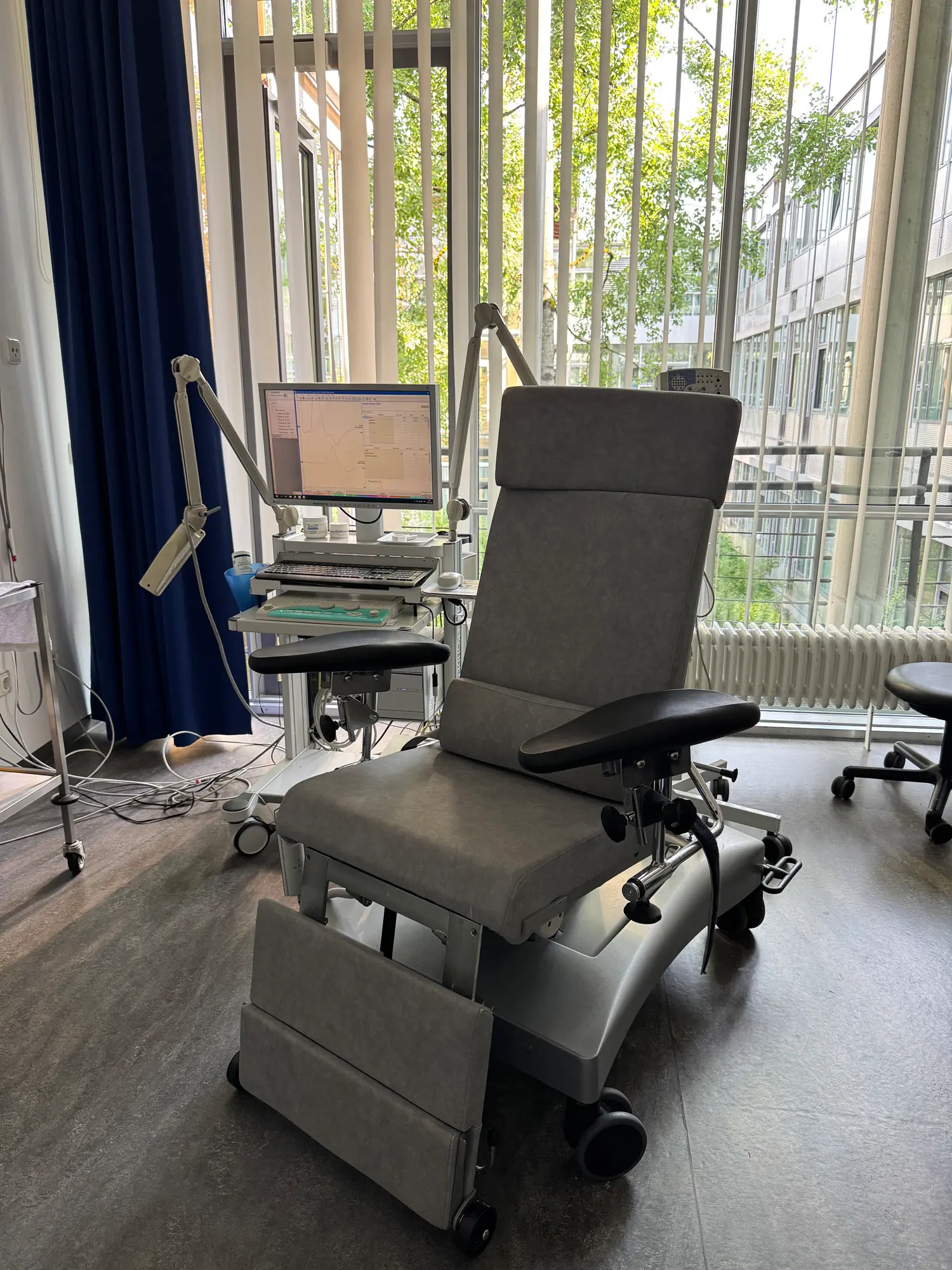
Treatment room for precise neurological diagnostics and therapy
© PMC
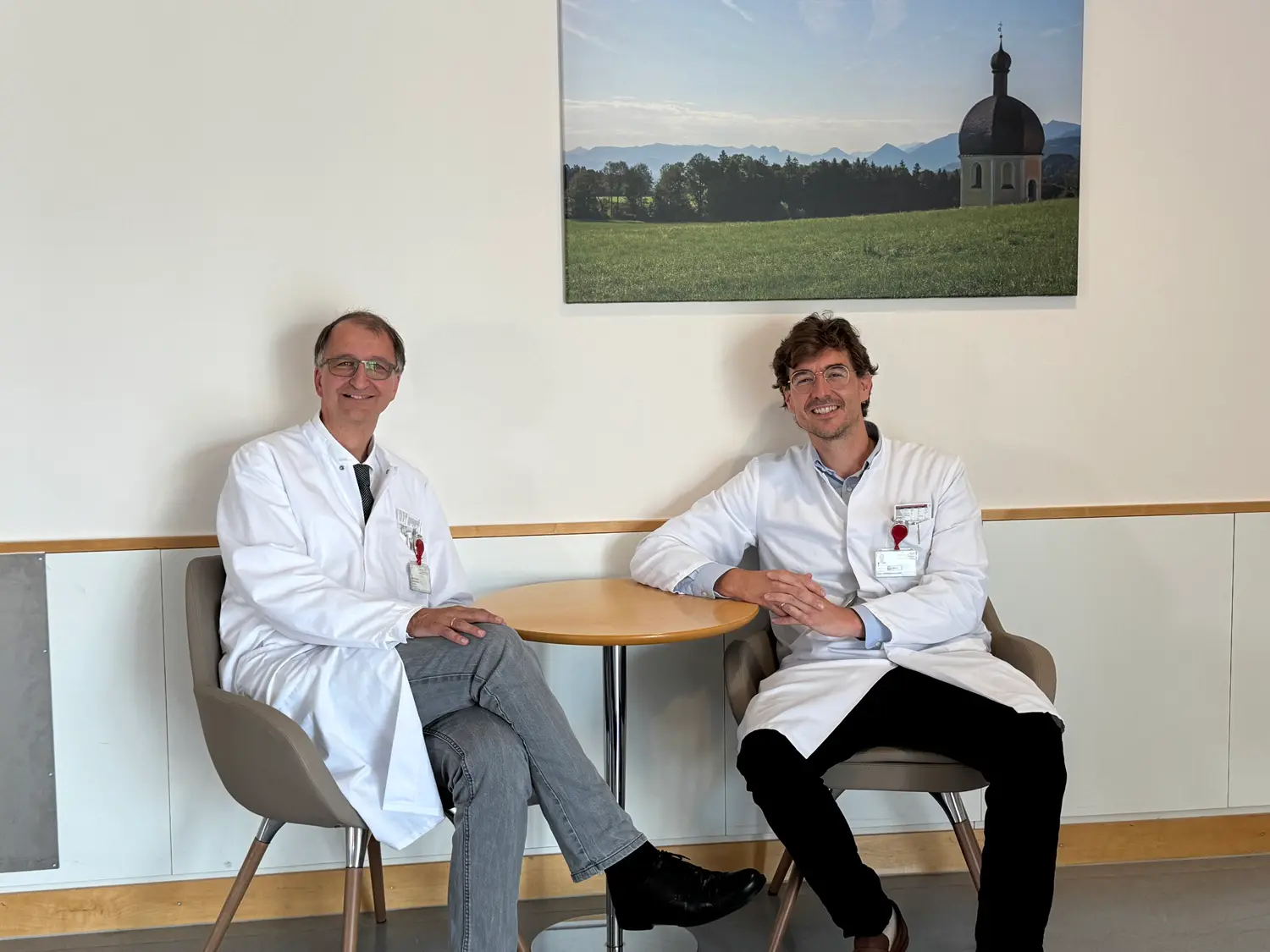
Dr. Georg Haber and Prof. Lorenzl – a dream team for top-tier medicine
© PMC
Dr. Georg Haber and Prof. Lorenzl in active exchange – Neurology with team spirit

© PMC
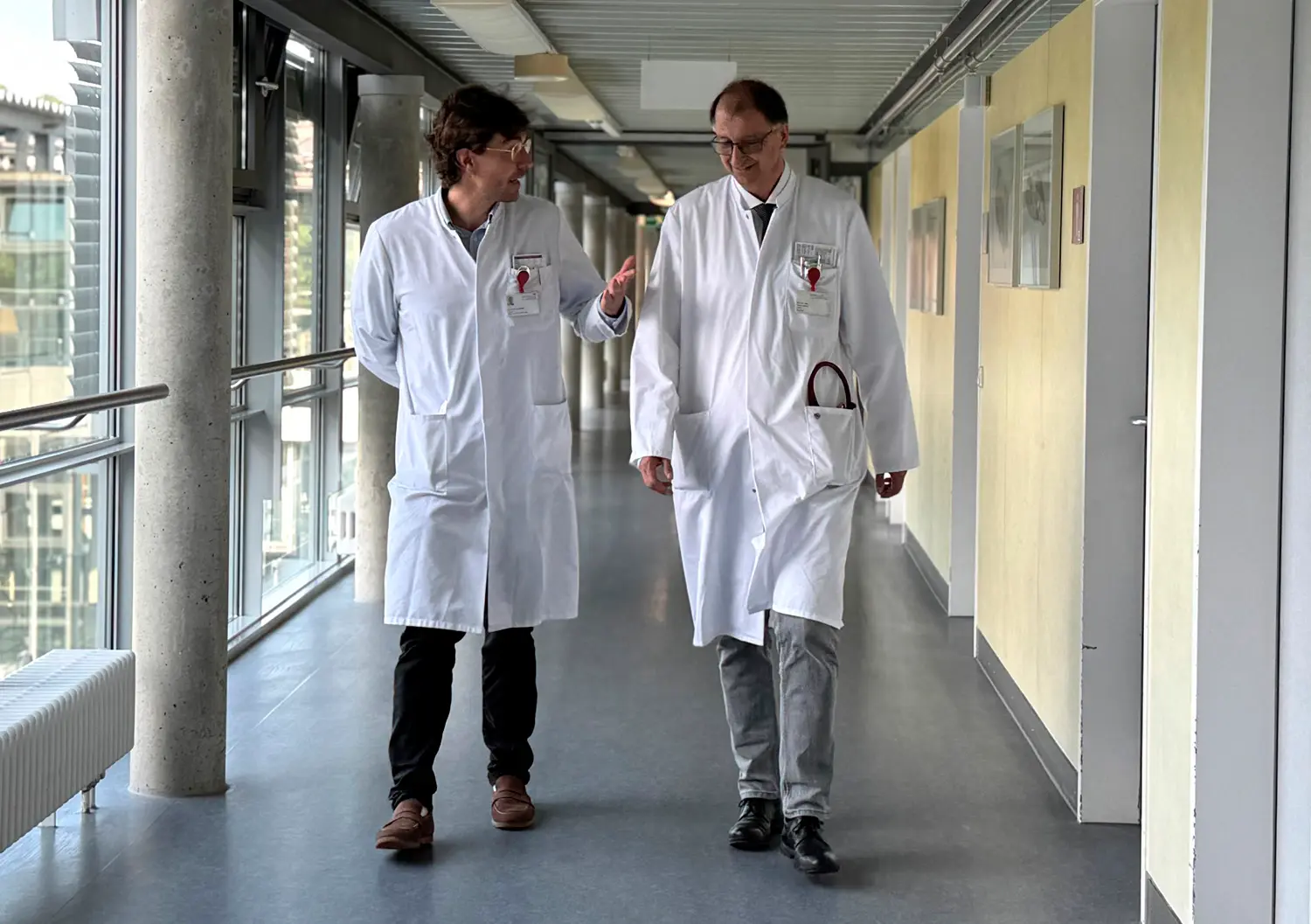
Dr. Georg Haber and Prof. Lorenzl in conversation in the Agatharied hospital corridor – short distances, clear communication
At Haber, neurological emergencies primarily arrive – such as acute strokes, sudden headaches, inflammatory diseases of the nervous system, or states of confusion, which are then initially treated. It's work that Haber appreciates because it's immediate, tangible, and meaningful. And it rewards him with the satisfaction of having directly helped people. He is also repeatedly fascinated by how sometimes massive improvements can be achieved in a short time with relatively simple means. An example is thrombolysis in ischemic strokes. Simply put: You give a medication that dissolves the thrombus, allowing the vessel supplying the brain to be open again. "It's just great when you catch patients within a good time window after the onset of symptoms and make them completely symptom-free or at least give them good rehab potential," enthuses Haber. Another example: dizziness, a symptom that is very anxiety-inducing for many. "Sometimes the small crystals in the inner ear's balance organ have shifted and are sending false signals to the brain via the balance nerve. Often, guided positioning exercises can help bring everything back into balance." It is a diagnosis that can be made clinically without elaborate imaging, and a therapy is initiated directly with the examination. This is very gratifying for both patient and doctor.
In addition to his main task in the emergency room, Dr. Haber also brings his expertise to the team of Prof. Dr. Stefan Lorenzl, Chief Physician of Neurology – for example, in the area of Alzheimer's dementia. A wide field in which there is a lot going on, some of it promising. For instance, antibody therapy that specifically influences pathological processes. An example is Leqembi, a drug approved by the EMA (European Medicine Agency) in April 2025. The antibody can be useful, especially in the early phase of the disease, because it targets the amyloid deposits in the brain that are pathognomonic for Alzheimer's dementia. However, not every new development is right for everyone, says Haber. "We always try to put the patient's needs first and then see what is compatible with evidence-based medicine." Especially with cognitive disorders, some people do not want high-end therapy, which may have many side effects, but rather focus on quality of life. "It's not about even better therapies, but about the most tailor-made ones possible."
"Preventive medicine begins with lifestyle changes."
Dr. Georg Haber, Specialist in Neurology
What role does prevention play in neurology? "Especially in the area of strokes and cardiovascular diseases, it is essential to pay attention to classic risk factors like blood pressure, diabetes, unhealthy diet, and lack of exercise." Preventive medicine begins with lifestyle changes. And even with a genetic disposition that is hardly influenceable, there are modifiable factors that can be utilized. Preventive checks can be useful but should also match individual needs. "If you live moderately and don't have a genetic predisposition, a neurological check-up at 65 is usually enough." If dementias with an early onset (before the age of 75) occur more frequently in the family, it definitely makes sense to specify the risk earlier – for example, with genetic analyses – to align one's life planning accordingly. But Haber cautions: "The question is always: Do I even want to know, and what do I do with the knowledge? Then you have to stick with it, even if it possibly brings other problems you wouldn't have had otherwise." And one must not forget: In neurology, it is often about severe diseases that need to be processed first.
"It's not about even better therapies, but about ones that fit as precisely as possible."
Dr. Georg Haber, Specialist in Neurology
Haber's second focus – not only in Agatharied but also in his private practice in Bad Wiessee – is pain medicine. Typical conditions include acute and chronic pain syndromes such as headaches (e.g., migraine), musculoskeletal disorders, postherpetic neuralgia, or postoperative nerve pain. Chronic pain is defined as a pain syndrome that lasts three months or longer. "To treat it, I create a multimodal concept that can usually be carried out on an outpatient basis," says Haber. This includes medication management – but also therapies such as functional botulinum toxin injections or topical procedures. Both show good results, especially in neurological diseases or neuropathic pain. Multimodal also means interdisciplinary, i.e., colleagues from physiotherapy or psychotherapy are often involved. "In chronic pain, the biopsychosocial model plays a big role: When you have pain for a long time, it affects the psyche. And vice versa: When the psyche is not well, pain is more present. Additionally, social factors (job, family, etc.) impact pain and psyche." It sometimes requires patience and a lot of motivation for change, as many patients look for a quick fix – but sustainable improvement also requires active participation.
And what is his personal health hack? Everything in moderation – but not to regulate oneself too much in everyday life. That's a good basis for being healthy and happy.
Latest Articles
- Neuromedizin
- Health
ALS/ Amyotrophe Lateralsklerose: Eine Erkrankung mit vielen Gesichtern
ALS verläuft bei jedem Menschen anders. Neurologe Dr. med. Georg Haber erklärt im Interview Symptome, Diagnostik, Therapie und die Versorgung von Betroffenen.
Moira Hammes
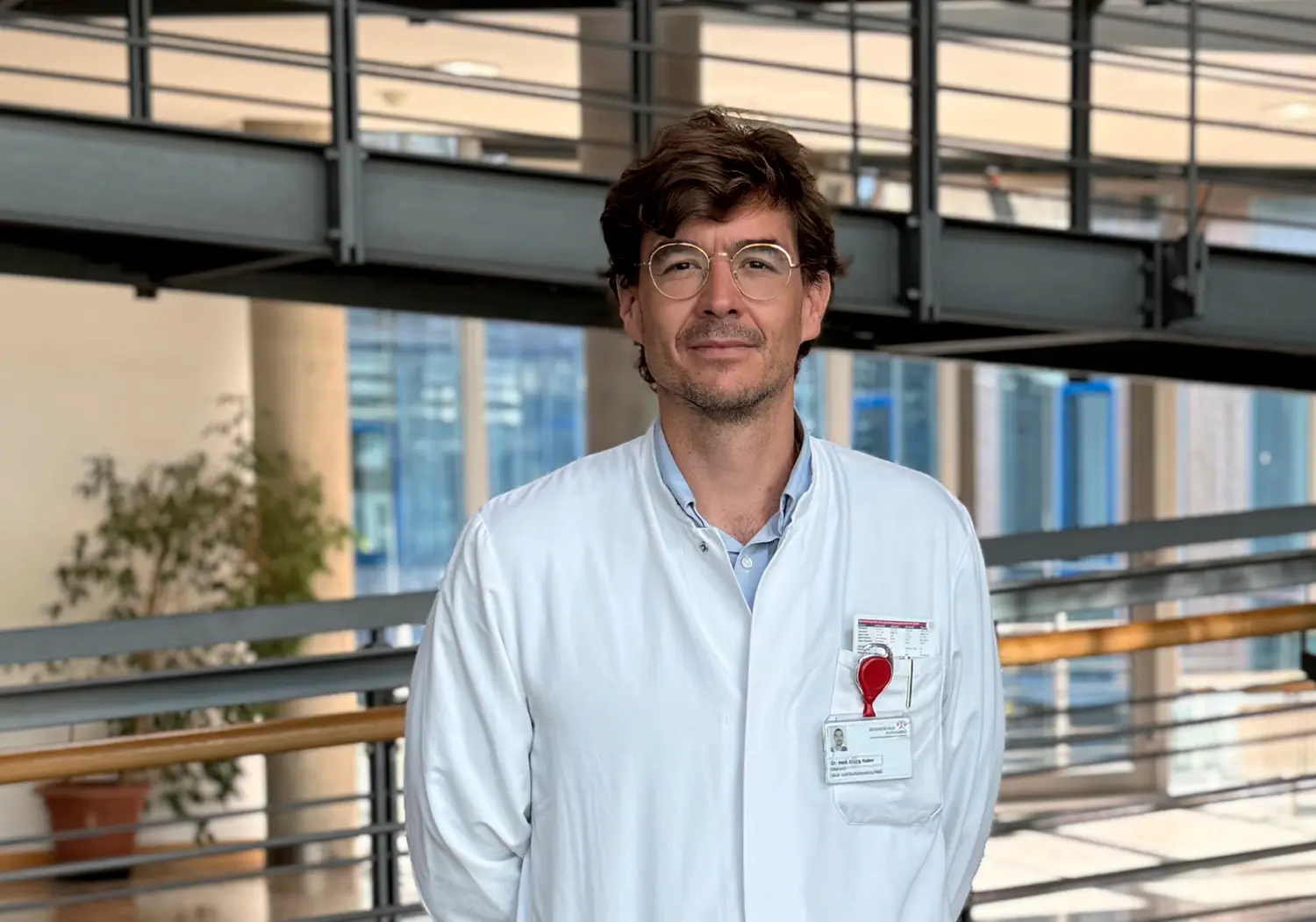
An interview with
Dr. med. Georg Haber
- Neuromedizin
- Schmerzen
- Health
Clusterkopfschmerzen: Wenn der Schmerz unerträglich wird – Symptome und Hilfe
Clusterkopfschmerzen verursachen extrem starke, einseitige Schmerzen – oft mitten in der Nacht und für Betroffene kaum auszuhalten. Erfahren Sie, woran Sie die Erkrankung erkennen und was im Akutfall wirklich hilft.
Marianne Waldenfels
With
Dr. med. Georg Haber