Other Treatment Methods
- Acute and chronic pain conditions
- Dementias
- Diagnostik neurologischer Erkrankungen – Methoden & Verfahren
- Diseases of the Peripheral Nerves
- Epilepsy
- Motor neuron diseases
- Movement disorders
- Muscle diseases
- Neuro-Oncological Diseases
- Neuroimmunological diseases
- Neurovascular diseases
- Polyneuropathies
- Spinal Diseases
- Therapien neurologischer Erkrankungen – Medikamente & Verfahren
© PMC
Neurovascular diseases
Neurovascular diseases
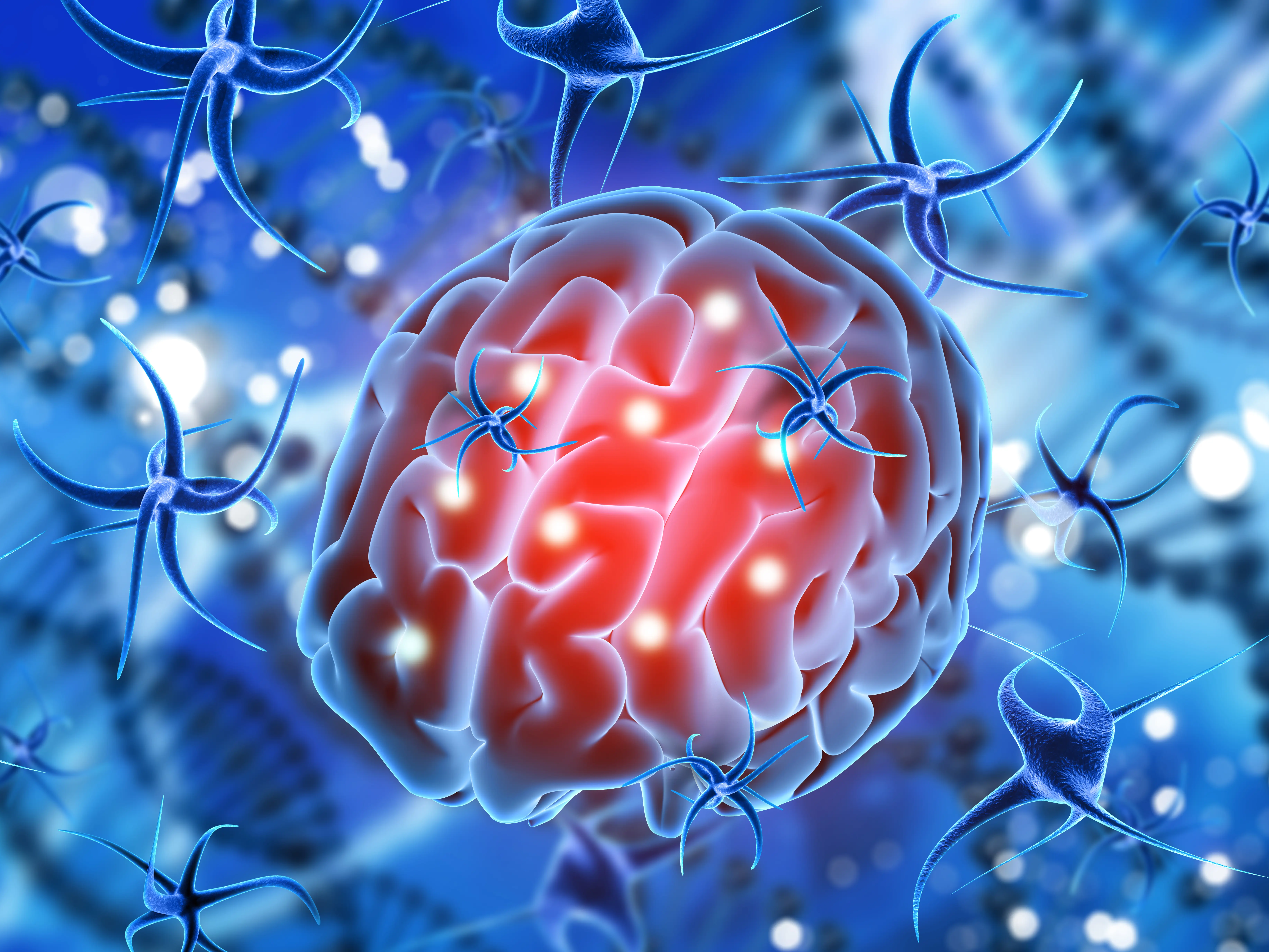
These are diseases that affect the blood vessel system of the brain and spinal cord. If the blood flow to the central nervous system is disrupted, it can lead to a range of specific symptoms, depending on the affected structure. One of the most common neurovascular diseases is Stroke. There are two types of strokes: ischemic infarction and hemorrhagic stroke. The most common form is ischemic infarction caused by sudden reduced blood flow to brain tissue due to blockage or narrowing of the brain-supplying vessels. In hemorrhagic stroke, there is bleeding within the skull, compressing and displacing brain tissue.
Typical symptoms are: acute paralysis (often on one side), speech disorders, vision problems, dizziness, numbness (usually on one side in arms, legs, or face), as well as gait, balance, and coordination disorders. Stroke is diagnosed using imaging techniques such as CT or MRI.
Therapy: In ischemic stroke, acute therapy aims to recanalize the brain-supplying vessels to restore blood flow. This can be done with medication or mechanically. Time is crucial: the sooner treatment occurs, the better the chances of a full recovery. Acute stroke treatment should be carried out in a certified stroke unit equipped with all necessary technical and personnel requirements.