© Astrid Schaffner/Unsplash
September 18, 2026
Christine Bürg & Marianne Waldenfels
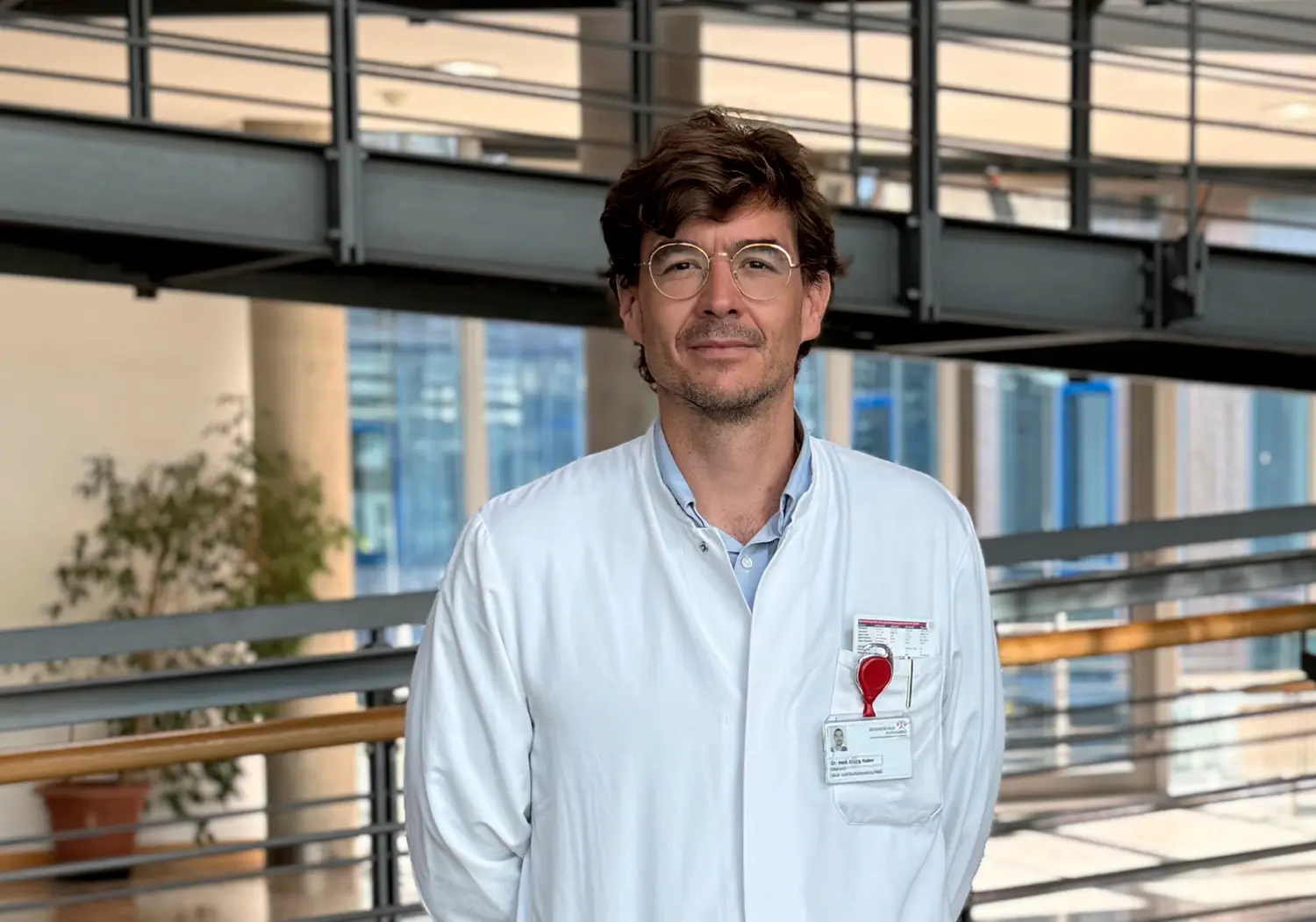
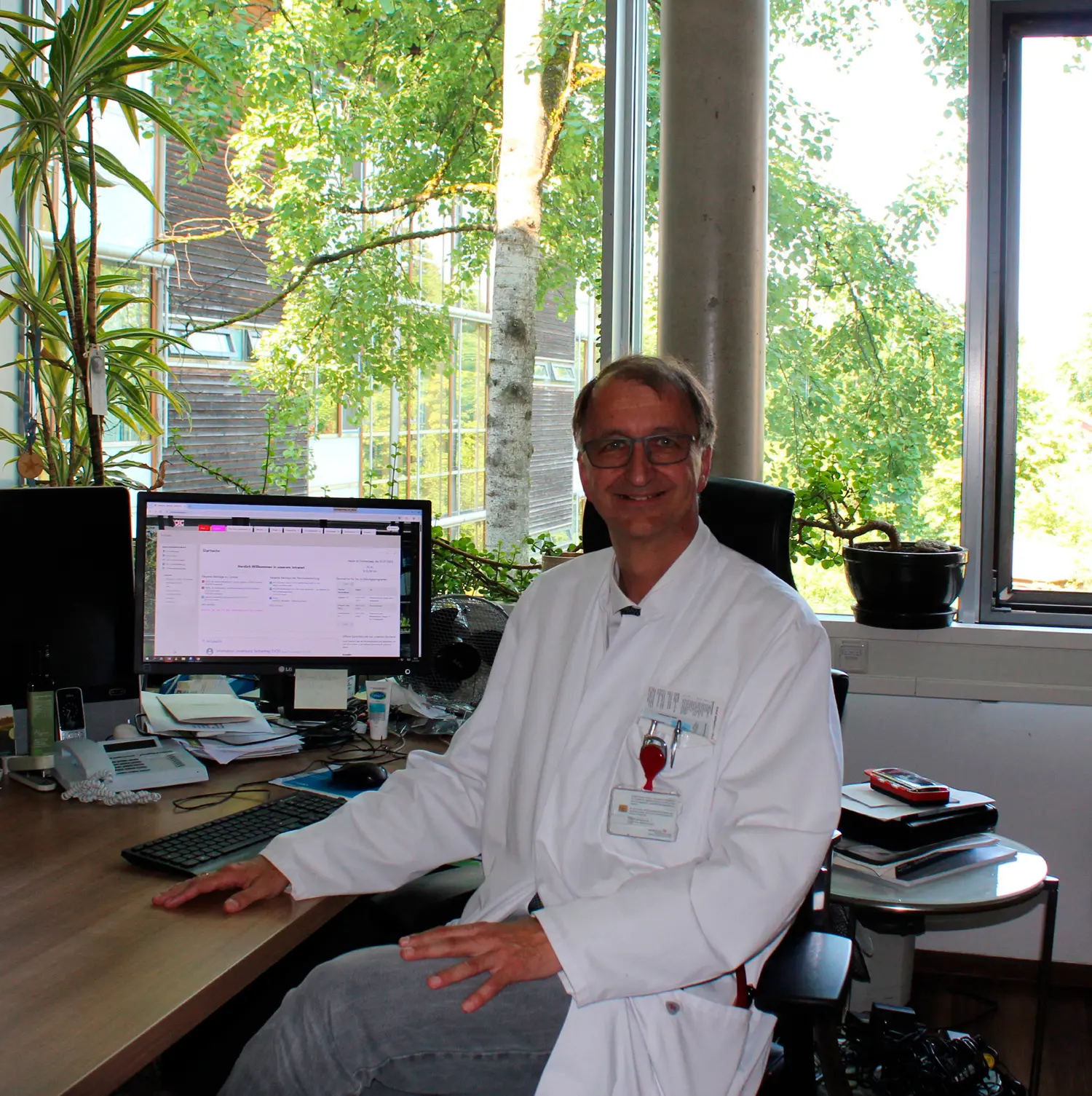
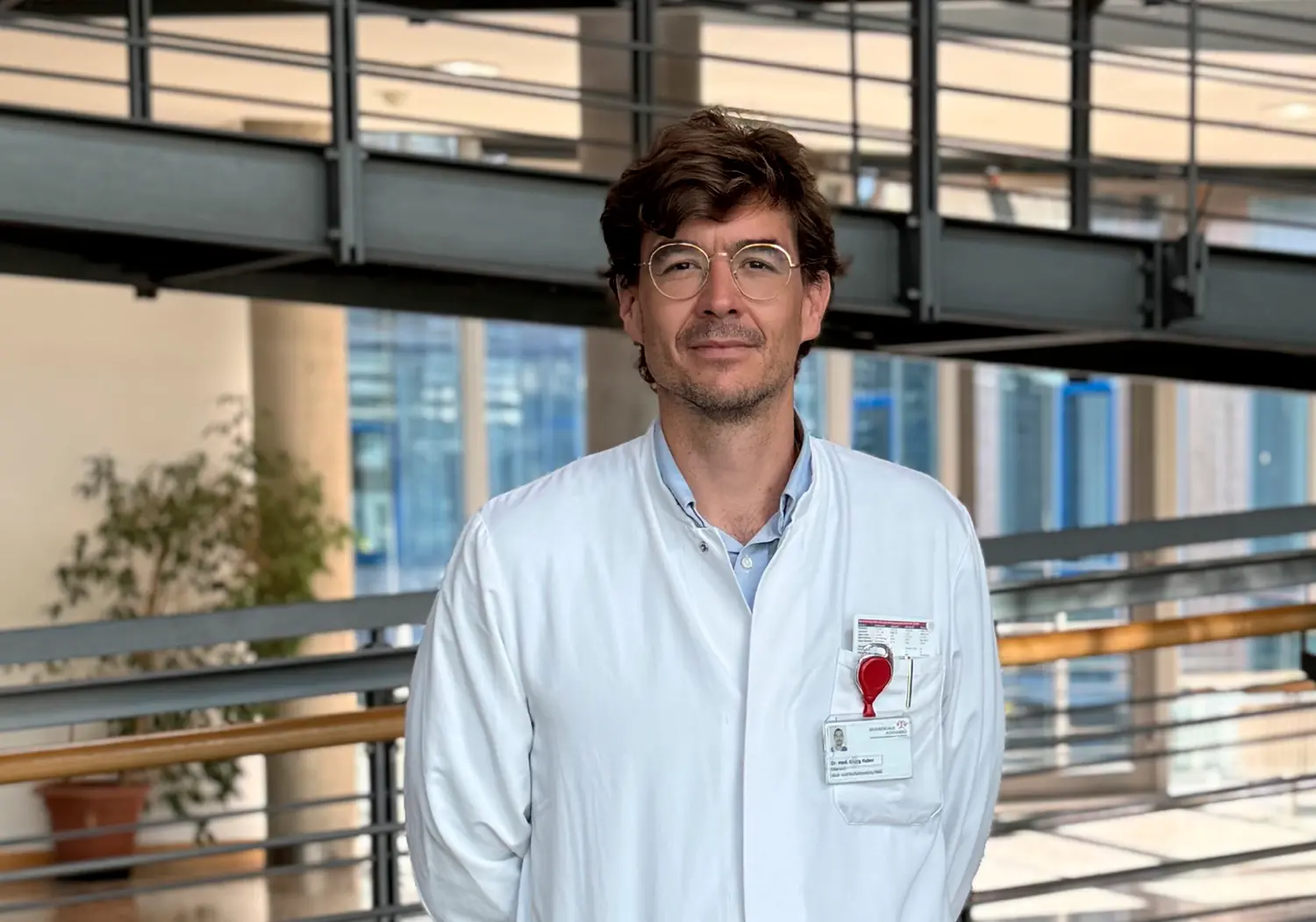
How can we keep our brains healthy for as long as possible? Neurologists Prof. Dr. Stefan Lorenz and Dr. Georg Haber explain how exercise, sleep, nutrition, and social connections can support brain health – and which warning signs may point to the early stages of dementia.
With
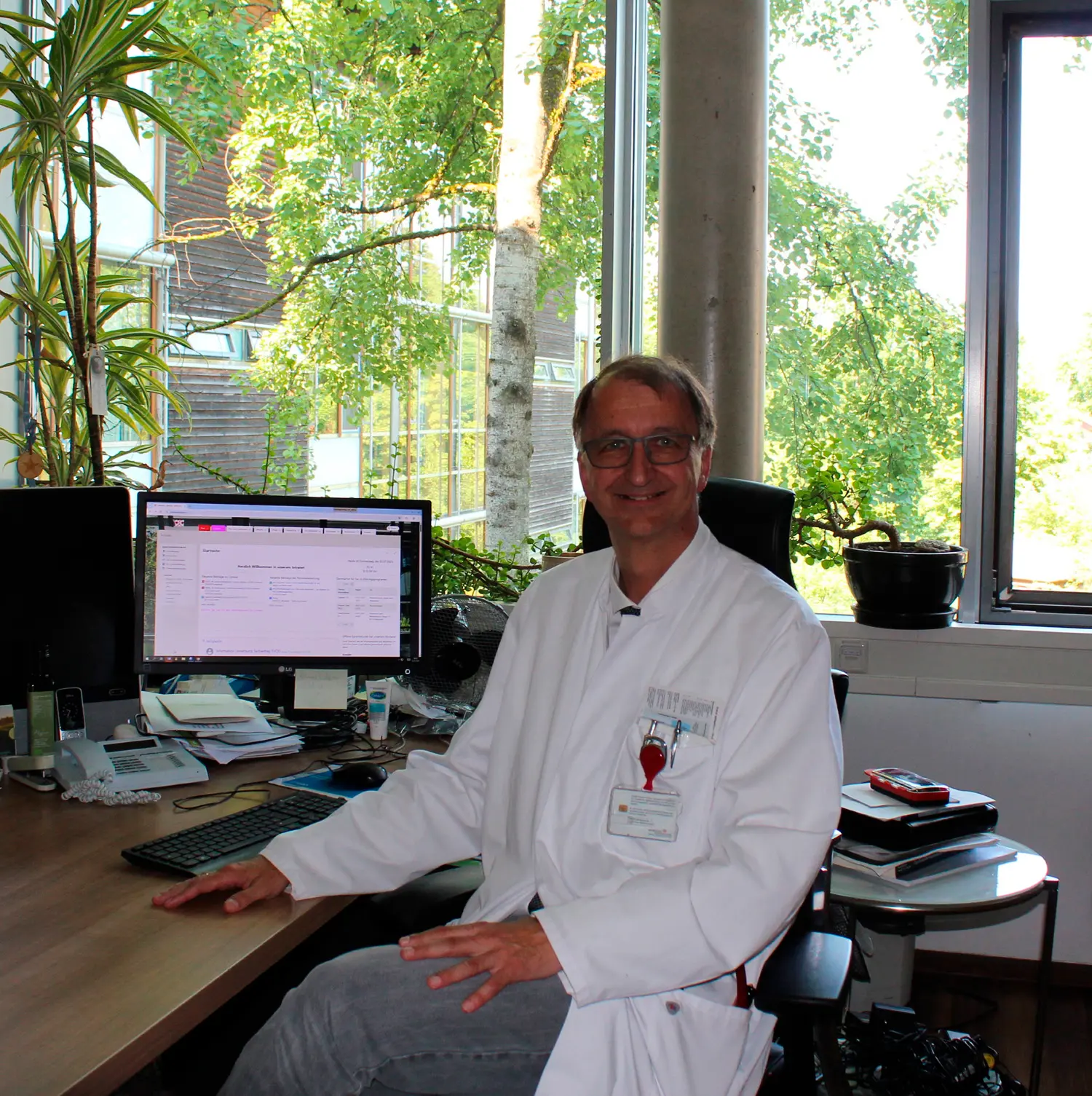
Prof. Dr. med. Stefan Lorenzl and Dr. med. Georg Haber

 Find a Doctor
Search the network for suitable specialists and contact them directly
Dementia is one of the conditions people fear most as they grow older. At the same time, there is a growing awareness that we are not entirely at the mercy of our brain health. Exercise, sleep, metabolism, and social connections are among the factors that may play a significant role. But how much can we actually influence? And how can you tell when forgetfulness might be more than just a normal part of getting older?
Neurologists Prof. Dr. Stefan Lorenzl and Dr. Georg Haber specialize in neurodegenerative diseases such as Alzheimer's and Parkinson's. In this interview, they explain what brain health means today, which factors may be important for dementia prevention, and what they personally do to keep their own brains healthy for as long as possible.
What exactly is meant by brain health?
Prof. Dr. Stefan Lorenzl: Brain health has grown out of – and is really a part of – longevity medicine. Preventive medicine has increasingly turned its attention to the brain. In the past, the focus was always on cardiovascular disease, muscular disorders, or orthopedics; neurology, the study of the nervous system, was largely left out of the picture.
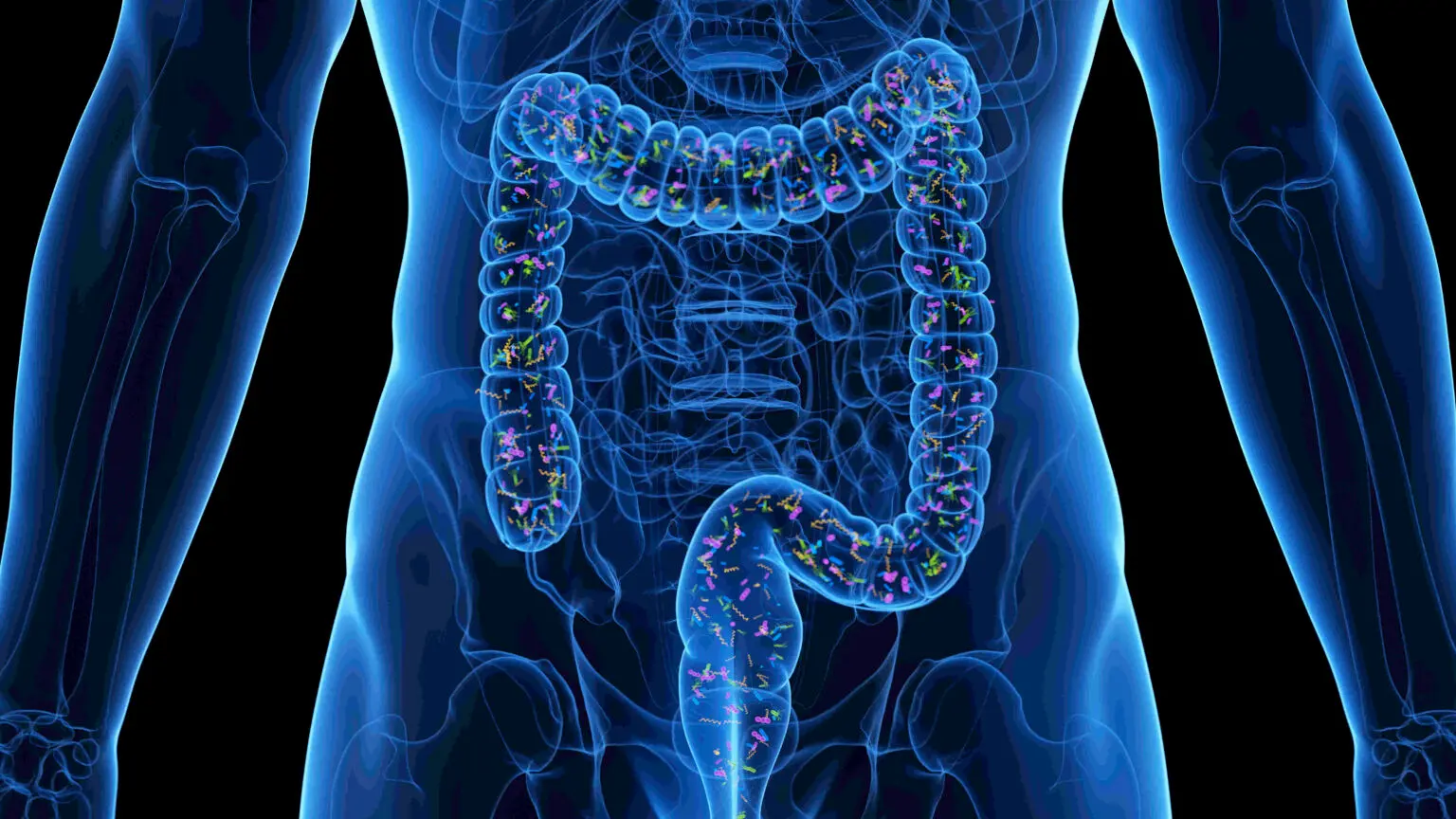
With the growing interest in the gastrointestinal tract and the so-called gut-brain axis, brain health has moved further into the spotlight. Within the field of brain health, the primary focus is on diseases that many people fear today – such as Alzheimer's and Parkinson's, but also degenerative muscular disorders.
The goal is to use the tools of modern medicine to reduce the incidence of such diseases, to prevent their onset wherever possible, and of course to treat them. Preventive medicine plays a central role in this effort.
More than 1.8 million people in Germany are living with dementia, most of them with Alzheimer's. Those numbers are expected to keep rising. Why is that?
Dr. Georg Haber: One reason is an aging population. Thanks to better medical care and rising life expectancy, people are living longer. The most common form of Alzheimer's is the senile form – that is, Alzheimer's occurring after the age of 65. This statistical effect alone means that more people are developing Alzheimer's dementia.
Prof. Dr. Stefan Lorenzl: That said, an important distinction needs to be made when looking at these figures: they must be viewed in a global context. In Europe, we are actually seeing this trend level off or slow down, due in part to greater health awareness – around diet, exercise, and physical activity, for example. In other parts of the world, such as Asian countries, the increasing consumption of unhealthy foods and declining physical activity are driving a more pronounced rise in dementia risk.
How do you recognize early-stage dementia? After all, we all know what it's like to forget a name or miss an appointment. When should someone seek medical advice?
Dr. Georg Haber: Ultimately, it comes down to everyday activities that a person would normally carry out without difficulty. If you notice you're struggling with these – whether in a professional or personal context – or if others start pointing it out to you, that's the moment to take a closer look.
People often assume at first that they're simply distracted from stress, that they're forgetting more things, or finding it harder to retain information. But if the people around you are repeatedly asking, "Hey, is everything okay with you?" that is definitely a point at which you should see a doctor.
What can be assessed at a dementia clinic?
Prof. Dr. Stefan Lorenzl: We carry out outpatient preliminary and screening examinations. Through a range of tests – including neurological assessments, brief memory tests, and cognitive tasks – it is possible to determine quite reliably whether someone is experiencing, for example, a depression or a form of dementia, or whether some other underlying condition is involved.
Other conditions, such as Parkinson's, can also be accompanied by cognitive impairment – it isn't always Alzheimer's dementia. A great deal can be clarified on an outpatient basis, though in some situations inpatient admission is also necessary.
There are various laboratory markers available, and cerebrospinal fluid can also be examined. Today, we can identify very precisely what form of cognitive impairment is present and, on that basis, develop individualized treatment options.
A significant proportion of dementia risk factors are considered modifiable. What role do these factors play?
Dr. Georg Haber: First, it's important to understand that what is commonly referred to as Alzheimer's dementia can also present as a mixed form. A vascular component is often involved as well – for example due to minor strokes or microangiopathy. This can worsen an existing neurodegenerative condition or accelerate its progression.
Dementia is primarily a syndrome – that is, a collection of symptoms. This alone says nothing about the underlying cause of the memory impairment. In Alzheimer's dementia, specific neurodegenerative mechanisms lead to the loss of brain cells, particularly in areas responsible for memory.
Prof. Dr. Stefan Lorenzl: We can influence risk factors such as high blood pressure or diabetes, for example. Other relevant factors include lack of physical activity, increases in body weight and body fat, as well as sleep disorders and sleep deprivation. In my view, sleep in particular still receives too little attention in both diagnosis and treatment.
Add to this regular or heavy alcohol consumption – particularly spirits – and an unhealthy diet. These are factors that play a major role in preventive medicine and especially in the field of longevity. The importance of lifestyle factors is now well supported by scientific evidence.
Is there an age limit for dementia, or can it occur at a very young age?
Prof. Dr. Stefan Lorenzl: Unfortunately, there are very early-onset forms – particularly familial forms of Alzheimer's dementia – which can begin as early as the mid to late thirties. This may become apparent, for example, when those affected suddenly run into difficulties at work or begin behaving in ways that are out of character.
Early signs can also include mounting problems with concentration and forgetfulness. If someone who was used to following a lecture without difficulty and retaining what they heard suddenly finds themselves unable to do so, that can be telling. A growing sense of mental absence can also be an early indicator.
Is a person's own risk elevated if a family member has already been diagnosed with dementia?
Dr. Georg Haber: There is definitely a genetic component. If dementia runs in the family, the risk is elevated. This is especially true if memory problems have appeared at a comparatively early age – for example in a person's sixties or seventies – in which case it may be worthwhile to act earlier and have your own risk assessed.
What can you concretely do to help prevent dementia?
Prof. Dr. Stefan Lorenzl: The starting point is assessing your own risk profile. This includes neurological examinations, for example. Those who wish to, or who consider themselves at risk, may also want to think about genetic testing.
You can also have your blood values checked or undergo a sleep analysis and look at which factors can be addressed: Is there prediabetes or high blood pressure? How is your sleep? How is your gastrointestinal health? Am I getting enough exercise?
I also think a certain regularity in life is important. That's not always easy given today's professional demands, but you can build in fixed anchors. In the past, for example, there was the Friday fast. Such rituals were already oriented toward healthy living. So you don't always need to invent something new – it's worth looking at which time-tested practices are worth adopting.
What role does the microbiome play in brain health?
Prof. Dr. Stefan Lorenzl: There is active scientific research into the extent to which the gut microbiome may be involved in the development of neurodegenerative diseases. The evidence is particularly strong for Parkinson's, and is growing for other neurological conditions and Alzheimer's as well.
Whether it makes sense to have your own microbiome tested and then "restored" is still fairly uncertain. I consider other things more important: eating regularly, incorporating fasting periods in between, staying well hydrated, and maintaining regular bowel movements. It's also worth finding out which foods suit you personally and which, for example, cause bloating or an uncomfortable feeling of fullness.
I also find native herbs interesting – something we are actively researching. Humans have eaten herbs, mushrooms, and roots for thousands of years, and these foods also have an impact on the gastrointestinal tract and the microbiome. You don't necessarily need exotic ingredients – you can use locally grown herbs and combine them with others.
How long should you sleep – or is the quality of sleep more important than the duration?
Prof. Dr. Stefan Lorenzl: Sleep quality is what matters most – for example, the number and depth of REM phases. Some people are genetically predisposed to need less sleep, while others need more.
Short naps during the day – for instance during a lunch break – can also be beneficial. As we age in particular, the body may need more periods of rest. These are recovery phases that can be important for the brain as well.
Sleep hygiene matters too. You should avoid overstimulating the brain just before falling asleep – for example through television, social media, or your phone. I've made it a habit to switch off my computer and read a few pages of a book instead. It helps me fall asleep more easily.
Too much alcohol before bed is also counterproductive. The sleep that follows tends to be dull and shallow. The older you get, the more important it becomes to pay attention to factors like these.
How much alcohol is still acceptable in your view? Or is it best to drink nothing at all?
Prof. Dr. Stefan Lorenzl: There are more recent reports arguing: zero alcohol – absolutely none. Anything else is harmful. But then one would have to say – with apologies to our readers – that the French and Italians, for example, should all be suffering from dementia. And that is clearly not the case.
I myself, for example, occasionally have a glass or half a glass of wine at the weekend – but with a meal and in company. That, to me, is what matters most: when you share a meal together, enjoy a little celebration, finally sit around the table on the weekend without tasks hanging over you, and talk and reflect together, then alcohol can, in my view, certainly be part of it. But it has to be limited. It really is a risk.
Alcohol is also now practically available everywhere. Cigarette packets clearly state what serious diseases smoking can cause. You won't find anything comparable on bottles of alcohol. In fairness, I believe a similar warning should appear there as well.
What type of exercise is beneficial for dementia prevention?
Dr. Georg Haber: Here too, you need to listen to your own body. If someone has spent 30 years at a desk job and has barely moved, it's questionable whether suddenly wanting to run a marathon is actually good for their health.
I think moderate intensity and a degree of regularity make more sense, with rest periods built in. I would lean toward aerobic endurance exercise rather than intense strength training aimed at peak performance.
Exercise also has an antidepressant effect. It influences mood and mental well-being and gives you a good feeling. Regular physical activity, which helps maintain reasonably good muscle mass and a healthy basal metabolic rate, also helps prevent obesity and metabolic syndrome – which in turn would be a risk factor for dementia.
Prof. Dr. Stefan Lorenzl: There are also minimal programs. Getting 30 minutes of movement or a walk each day should be manageable somehow – even if it's after work in the evening. It also helps you wind down a little. Exercise promotes mental calm and the ability to focus on something else for a while.
Of course, this too is very individual. On weekends I occasionally go jogging with my dog. You can also incorporate other exercises along the way – for example, walking sideways or backwards. Walking backwards stimulates the cerebellum, which also plays a role in memory processes. Combining different movement patterns stimulates memory as well.
About 30 years ago I was in China and saw elderly people in Beijing doing gymnastics and isometric stretching exercises. I have slowly started doing that myself. You simply stretch your joints. After all, in everyday life we don't use our joints in very many different ways. We might cross our legs and lie flat in bed in the evening – and that's about it.
These kinds of stretching exercises also help develop a sense of bodily self-awareness: what can my body do, and where are its limits? That is very important.
Do people in particularly stressful professions develop dementia more often?
Prof. Dr. Stefan Lorenzl: Top managers or people who work a great deal do not, as a rule, develop dementia more often. These diseases are not monocausal. Even those with a genetic predisposition can still do a lot to help themselves, and a heavy workload or high pressure does not automatically mean that someone will develop dementia.
In my view, it can become problematic when someone is permanently under great pressure, has no way to unwind, and experiences that pressure in isolation. That said, there are no occupational groups that generally develop dementia more frequently in this sense.
The situation is somewhat different with Parkinson's disease. Agricultural work is now recognized in Germany as an occupational disease under certain conditions, with pesticides playing a role among other factors. Chemicals and pesticides can also be significant in other neurodegenerative or neurological diseases.
What do you both do personally to keep your brain healthy?
Dr. Georg Haber: In my daily life, I try, for example, never to take the elevator and always to use the stairs whenever possible. I walk a lot and don't take shortcuts. I also do endurance sports once or twice a week.
And: I brush my teeth with my left hand while standing on one leg for two minutes – simply to maintain coordination. This is really the same idea as walking backwards or sideways: doing something different for once rather than always following the same monotonous daily routine.
Prof. Dr. Stefan Lorenzl: Regular physical activity is also important to me. I also make a point of getting out among people and not limiting myself to just family. Our brain needs the exchange with other people. It stimulates us and also helps us keep things in perspective.
Nature and spirituality also play a role for me. I engage with bonsai, for example. On top of that, there is reading, visiting museums, and learning new things. I am fortunate enough to speak English at least once a week and am now additionally trying to learn Italian.
I believe a healthy brain has an interest in learning new things. That doesn't mean you have to keep yourself constantly busy or under stress. I can also lie on the beach for an hour or two, look up at the sky, and watch the clouds – that does you good too. What matters to me is staying interested and motivated. When you notice that this interest is waning and a growing sense of disinterest is setting in, you should do something about it.

"Feel Good, Live Better" – in this podcast episode, Dr. Gesche Brannolte-Raab shares what each of us can do to reduce our risk of developing cancer.
Christine Bürg
An interview with
Dr. med. Gesche Brannolte-Raab
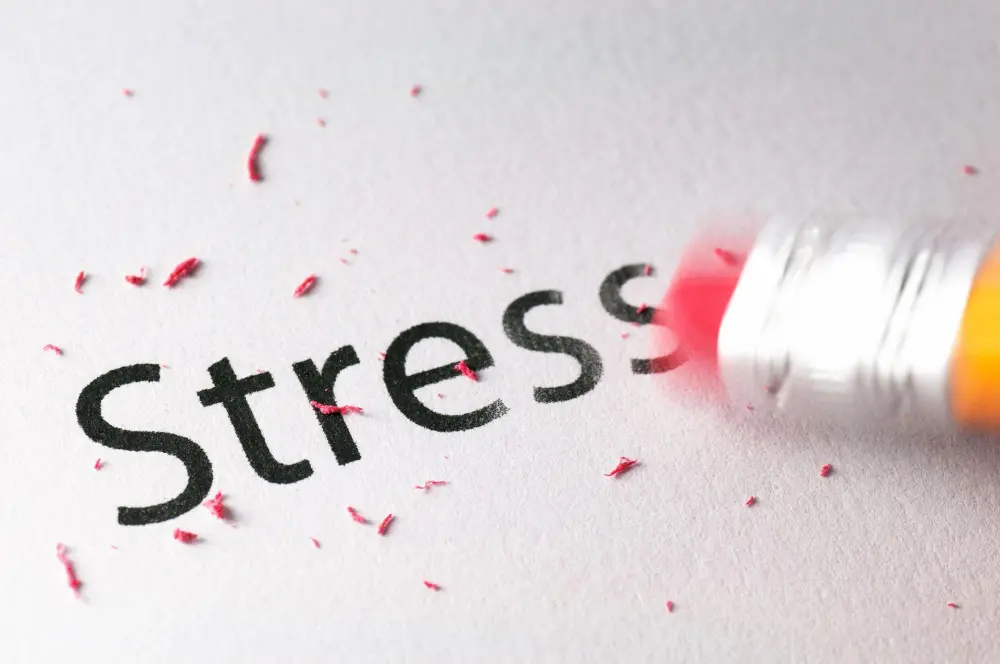
Deadline pressure, constant availability, little time to recover: stress is often unavoidable in everyday life. But when does it actually become a risk to the heart? Cardiologist Prof. Dr. Uwe Nixdorff explains why recovery is crucial — and how chronic stress can even be measured.
Christine Bürg & Marianne Waldenfels
An interview with
Prof. Dr. Uwe Nixdorff