© Freepik
September 22, 2026
Birgitta Dunckel
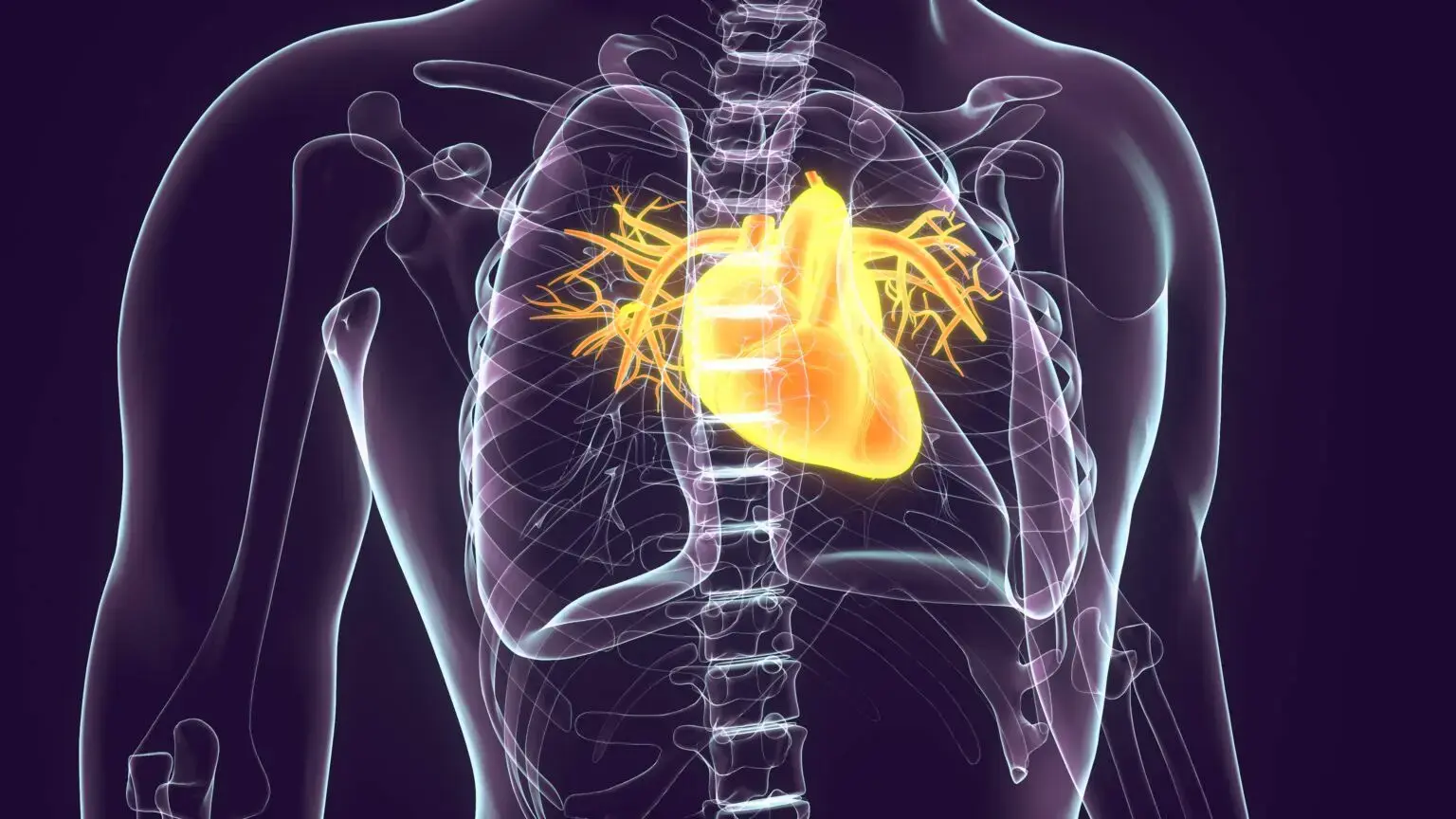
In late 2025, a study made headlines: long-term melatonin use might increase the risk of heart failure. Since then, new research has emerged – and it is shifting the debate around the popular sleep aid.
In late 2025, a study generated alarming headlines: people who had taken melatonin over an extended period developed heart failure significantly more often. Of all things, one of the most popular remedies for sleep problems was said to pose a risk to the heart?
The numbers were striking. But new research has since emerged, and it tells a different story. Randomized controlled trials have not confirmed that melatonin harms the heart. In fact, a recent meta-analysis points to possible benefits in certain patient groups.
The debate was sparked by a study presented at the 2025 Scientific Sessions of the American Heart Association (AHA). The team led by Dr. Ekenedilichukwu Nnadi analyzed health data from 130,828 adults with chronic insomnia.
According to electronic health records, roughly half had used melatonin for at least twelve months. People with pre-existing heart failure or who were being treated with other prescription sleep aids were excluded. The researchers then compared melatonin users with people who had insomnia but no documented melatonin use.
Over a five-year period, a notable difference emerged: heart failure occurred in 4.6 percent of long-term melatonin users, compared with 2.7 percent in the comparison group. Statistically, this corresponded to a roughly 90 percent higher relative risk.
Hospital admissions due to heart failure were also more frequent: 19 percent versus 6.6 percent. Overall mortality was likewise higher – 7.8 percent compared with 4.3 percent.
These findings sounded alarming and raised the question of whether a supposedly harmless sleep aid could damage the heart over the long term.
Even at the time, cardiac surgeon Prof. Dr. Ferdinand Vogt cautioned against drawing hasty causal conclusions from these figures: "In principle, one must always ask whether such effects are causal or coincidental. Any long-term use of medication should be reviewed and monitored by a physician."
It is important to understand how these results came about. This was not a randomized controlled trial, but an analysis of existing health data. Such a study can show that two things occur together, but it cannot establish that one causes the other.
There is also a fundamental limitation: people who take melatonin over a long period may differ in important ways from people who have insomnia but do not use melatonin. While the researchers tried to make the groups comparable across numerous factors – including age, sex, comorbidities, blood pressure, BMI, and medication use – not all differences can be accounted for in this way.
For example, information was missing on the severity of sleep disorders and certain mental health conditions. This is particularly relevant because severe sleep problems are themselves associated with an increased cardiovascular risk.
Actual melatonin use could also not be reliably traced through health records. In countries like the US, melatonin is available over the counter and therefore does not necessarily appear in medical records. People in the supposed non-melatonin group may well have taken the supplement without it being recorded.
One further point matters: the results were presented as a conference abstract and were not published as a complete, peer-reviewed study. The American Heart Association itself explicitly described the findings as preliminary.
A new analysis of randomized controlled trials has since been published – and its findings do not support the idea that melatonin is fundamentally harmful to the heart.
For a systematic review and meta-analysis published in April 2026, researchers analyzed 14 randomized controlled trials involving a total of 1,027 participants. The study focused on people with existing cardiovascular diseases, including those who had undergone bypass surgery, suffered heart attacks, or had heart failure.
No clear cardiovascular harm signal was found. On the contrary: in some patient groups there were signs of possible benefits for the heart's pumping function. This association was particularly consistent in patients following bypass surgery.
That said, this does not mean melatonin has been proven to protect the heart. No clear benefits were seen for other important measures, and the authors therefore stop short of claiming a generally cardioprotective effect. What matters most for the current debate is this: existing randomized studies provide no convincing evidence that melatonin fundamentally harms the heart.
Further recent studies support this view. A meta-analysis published in September 2026 found no clinically relevant effect on arterial stiffness; while some blood pressure values were lower with melatonin, the strength of the evidence is limited. A small randomized trial from August 2026 also found no significant difference in either blood pressure or arterial stiffness after three months of melatonin use.
The new data do not go quite that far. The available randomized studies cannot answer whether years of melatonin use as a sleep aid carries risks.
One thing is clear, however: there is currently no evidence that melatonin harms the heart. More recent controlled studies have not confirmed the earlier suspicion.