© Magnific
May 26, 2026
Christine Bürg & Marianne Waldenfels
Retinol in summer: Dermatologist Dr. Elisabeth Zott-Schuhmachers explains why the ingredient isn’t necessarily harmful — and the mistakes many people make in the sun

With
Dr. med. Elisabeth Zott-Schuhmachers
Many stop using retinol in the summer for fear of sun damage. According to Dr. Elisabeth Zott-Schuhmachers, a specialist in aesthetic dermatology, this is often unnecessary.
Few skincare ingredients spark as much debate before summer as retinol. Does it really make the skin more sensitive to the sun? Should you pause its use during the warmer months? And how dangerous is retinol on vacation?
The good news: Those who already tolerate retinol well usually don't have to give it up in the summer. According to dermatologist Dr. Elisabeth Zott-Schuhmachers, it becomes problematic mainly when you want too much too quickly.
“In principle, you can continue to use retinol in the summer. I would even say you should explicitly do so, as retinol is an antioxidant that improves light damage,” explains the dermatologist.
The real issue isn't the retinol itself, but the phase where the skin has to get used to it.
"One must know that with retinol there is always an initial phase where the skin can be red and irritated," says Zott-Schuhmachers. That's why midsummer isn't necessarily the ideal time to start using the active ingredient or increase the concentration.
Because especially at the beginning, the skin often reacts sensitively:
The reason: Retinol accelerates the cell renewal and temporarily throws the skin out of balance. "Only in the initial stage is the skin drier and thinner due to the exfoliation process," explains the dermatologist.
Those who have been using retinol for a longer time and no longer experience irritation usually do not have to fear the active ingredient in summer.
Strictly speaking, no. "Retinol is not a photosensitizer in the classic sense," says the expert. The myth mainly comes from the fact that the skin is more irritated during acclimatization to can react.
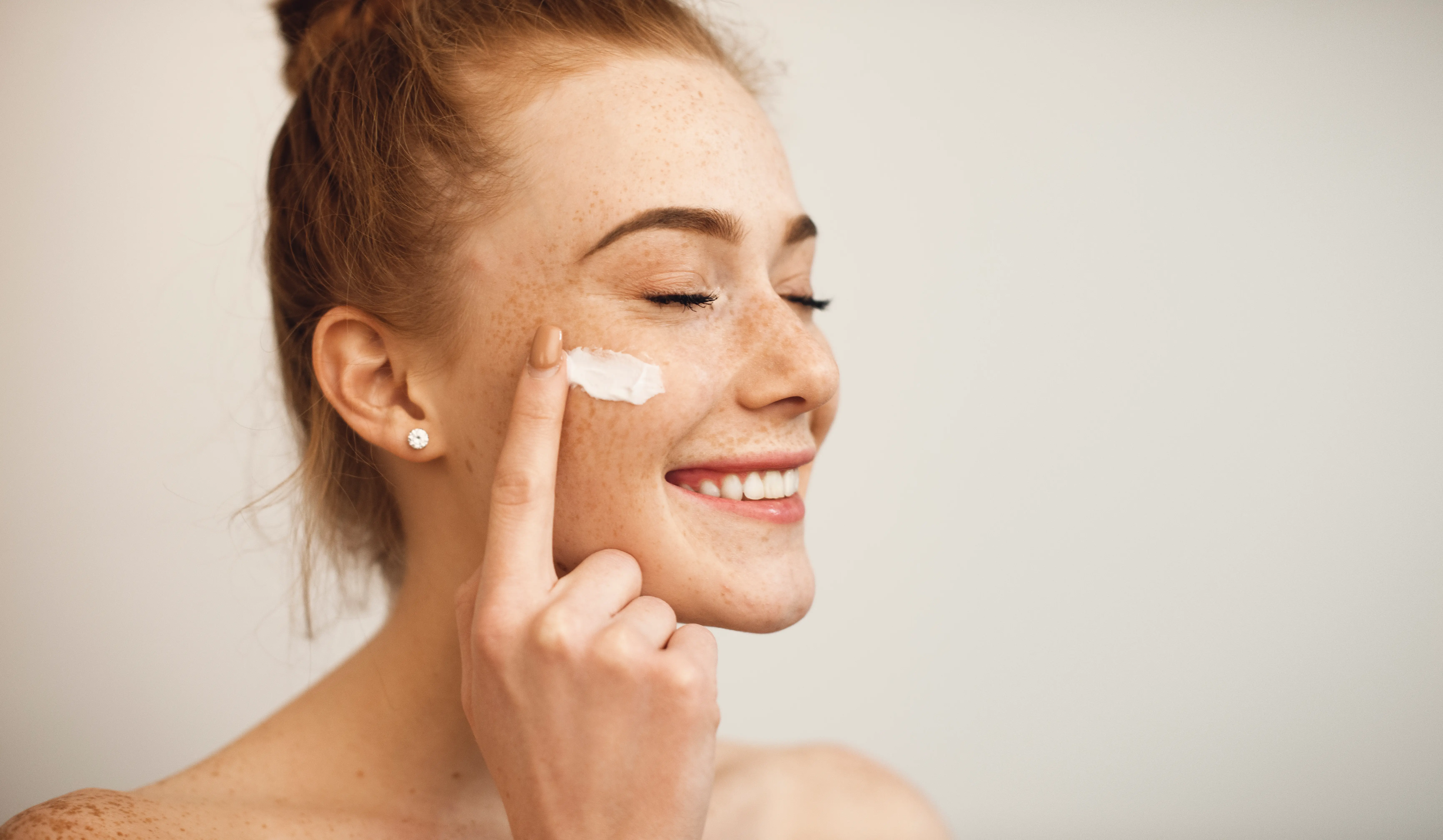
In the long term, the dermatologist even observes rather positive effects: "If the skin is well accustomed to retinol, the opposite happens: the skin becomes fitter, more elastic, and can even better repair small light damage."
Especially before vacation, the dermatologist always sees the same problems. "The biggest mistakes are starting with retinol during a beach vacation, increasing the retinol dose, or combining retinol indiscriminately with other irritating substances."
Particularly critical are combinations with:
This can unnecessarily stress the skin barrier — especially in heat, UV radiation, and saltwater.
Retinal is considered more modern and stronger than classic retinol. Nevertheless, according to Zott-Schuhmachers, it cannot be said across the board that it is automatically more summer-friendly.
“There are also very highly concentrated retinal serums that can cause severe skin irritation.” Therefore, the name on the packaging is less important than the question: How well does the skin really tolerate the product? For very sensitive skin, bakuchiol can be a gentler alternative in the summer.
When it comes to UV protection, the dermatologist makes no compromises. “With and without retinol, I recommend everyone use SPF 50 in summer and winter, and even SPF 100 on outdoor days.”
However, just as important as the sun protection factor itself is applying enough product and reapplying regularly — especially on vacation or during long days outside.
Retinol and sun do not automatically exclude each other. Those who already tolerate the active ingredient well can usually continue to use it in the summer.
Caution is particularly advisable when the skin is still in the acclimatization phase, is already irritated, or if one starts a stronger retinol routine shortly before a beach vacation.
Yes, if the skin is already accustomed to the active ingredient and sunscreen is used daily.
Not necessarily. However, dermatologists advise against starting retinol or increasing the concentration right before a beach vacation.
It is recommended to use at least SPF 50.