© Freepik
September 15, 2026
Hanja Niederhammer
Injecting active ingredients directly into the scalp to slow hair loss: that is the idea behind mesotherapy. Studies show promising results — but how well does the method actually work, and who is it suitable for?
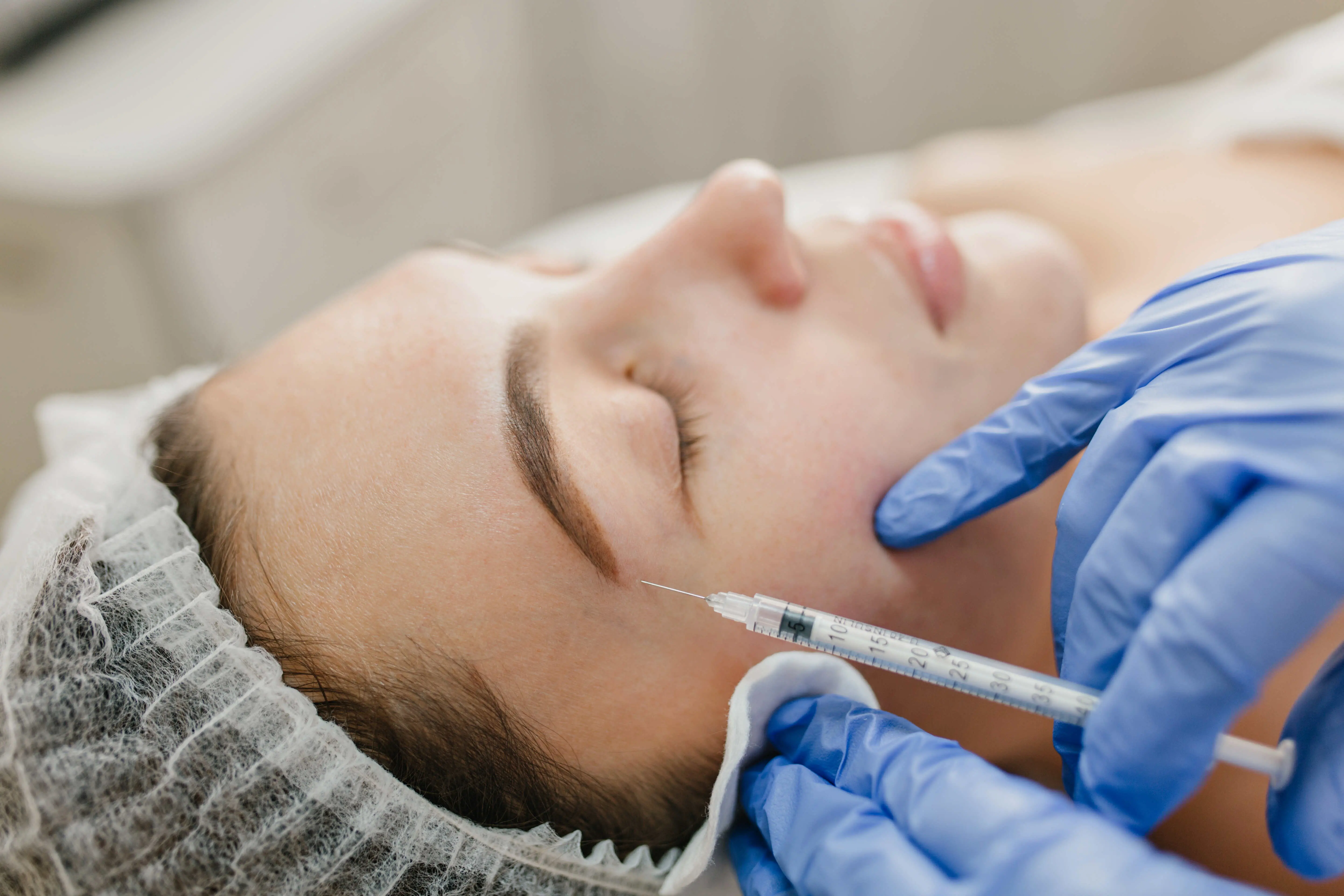
Depending on the cause, a wide range of treatments can be considered for hair loss — from topical minoxidil and oral medications to hair transplantation. One method is attracting increasing attention: mesotherapy. It involves injecting active ingredients directly into the scalp using fine needles, with the goal of slowing hair loss and stimulating hair growth.
There are now a number of studies reporting positive results. However, how meaningful they are is difficult to assess, because mesotherapy does not always involve the same ingredients. The injections may contain, for example, vitamins and amino acids, certain signalling substances, or medications such as minoxidil and dutasteride. The term mesotherapy therefore covers a wide variety of treatments.
The method has been most thoroughly studied in androgenetic alopecia — that is, hereditary hair loss. A systematic review evaluated 27 publications, including ten randomised controlled trials. Several studies found improvements in hair growth or hair density.
The results are only partly comparable, however. Not only did the active ingredients differ across studies, but so did the dosages, number of treatments, and intervals between sessions.
There is no standard mesotherapy cocktail. Mixtures of vitamins and amino acids are commonly used, as are peptides or so-called growth factors — signalling substances involved in various cell growth processes. Scientific studies have also used medications such as minoxidil or dutasteride.
This distinction matters when evaluating the studies. Dutasteride, for example, inhibits 5-alpha-reductase and thereby the production of dihydrotestosterone (DHT), which plays an important role in hereditary hair loss. If a study demonstrates an effect of injected dutasteride, it primarily shows the efficacy of that specific treatment. It does not automatically follow that a vitamin or amino acid cocktail would produce the same result.
The same applies to minoxidil. The active ingredient is best known as a solution or foam applied to the scalp. In mesotherapy studies, however, minoxidil has also been administered by injection.
Particularly informative are studies in which specific mesotherapy procedures were compared directly with established treatments. Topical minoxidil is frequently used as the comparator.
A randomised controlled trial with 49 men compared mesotherapy over four months with five-percent minoxidil applied to the scalp twice daily. The dermoscopic evaluation showed no clear advantage for mesotherapy.
To date, such comparative studies have provided no convincing evidence that the mesotherapy procedures examined are superior to topical minoxidil. There is also considerably more extensive data and longer-term experience available for topical minoxidil.
Most studies focus on androgenetic alopecia, the typical hereditary hair loss in men and women. A systematic review on pattern hair loss also found positive results for various injected active ingredients, but describes the overall evidence as limited.
In diffuse hair loss, the underlying cause is paramount. Iron deficiency, thyroid disorders, certain medications, infections, or severe physical stress can all lead to increased hair shedding. A local scalp treatment does not automatically address any of these triggers.
The picture is different again for alopecia areata, as well as for inflammatory or scarring forms of alopecia. The term hair loss can refer to very different conditions — and the appropriate treatments vary accordingly.
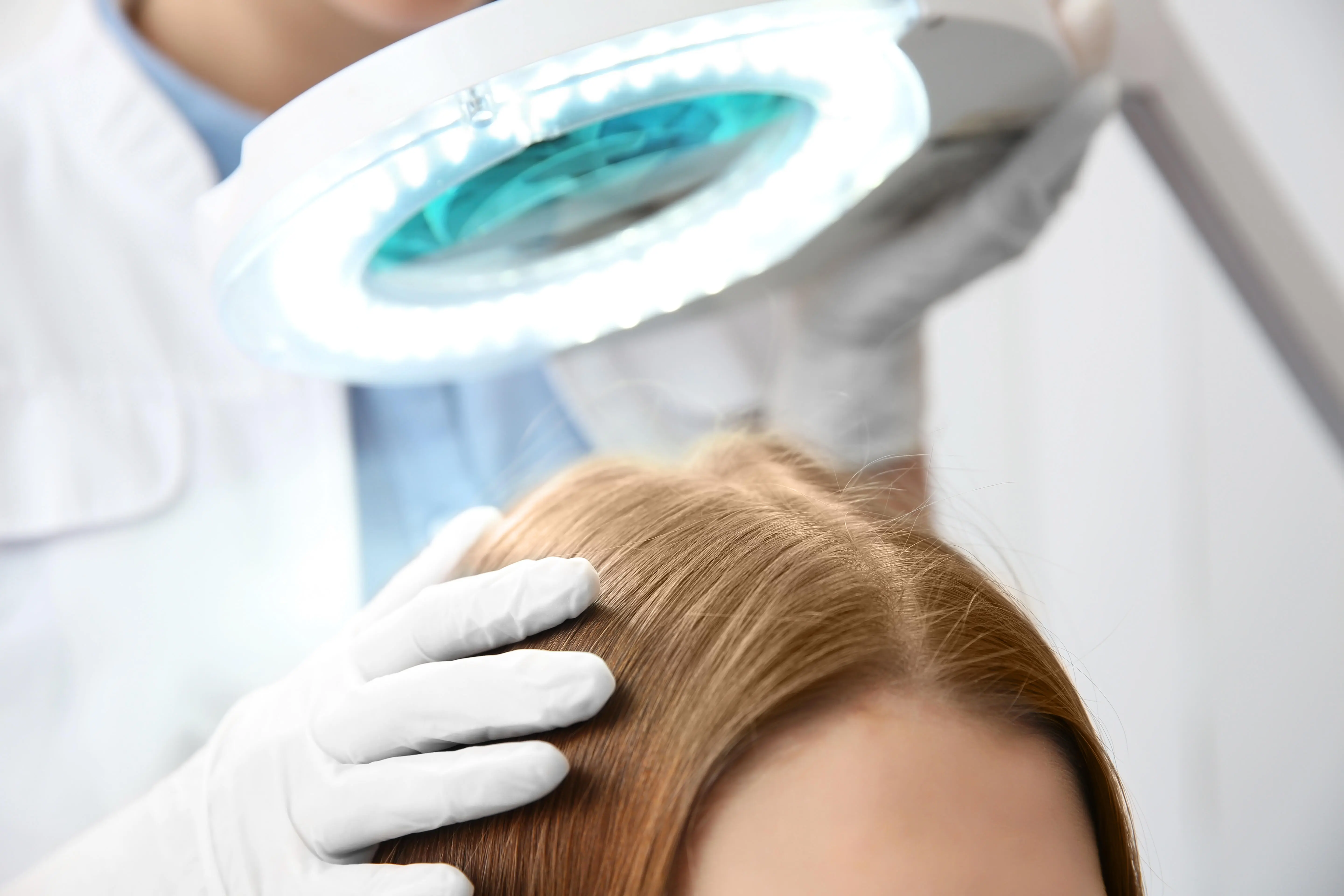
During treatment, small amounts of the relevant active ingredient are introduced into the scalp using fine needles or a specialised injection device. A session typically lasts around 20 to 30 minutes.
Multiple appointments are often offered at intervals of several weeks. There is no universally applicable number of sessions, however. Treatment protocols also vary considerably depending on the active ingredient and the procedure being studied. A standardised protocol for mesotherapy in hair loss does not yet exist.
Clinical studies have primarily reported temporary local reactions, including pain, redness, swelling, itching, or small bruises at the injection sites.
The medical literature also contains rare reports of more serious complications — for example, hair loss and scarring at the injection sites have been described.
What further side effects are possible also depends on which active ingredient is injected. The risks of mesotherapy therefore cannot be assessed in isolation from the substances used — any more than its effects can.
There is no straightforward answer to this question. The hair cycle unfolds over months, and changes in studies are accordingly assessed over longer periods rather than after individual sessions.
How quickly hair density or hair growth changes also depends on the type of hair loss, the active ingredient used, and the treatment regimen. It is therefore difficult to derive from current research any general claim about when visible results can be expected after a given number of sessions.
Costs vary depending on the practice, the preparation used, and the number of treatments. Since multiple sessions are typically recommended, the total cost can add up significantly.
Mesotherapy for hair loss is generally not covered by statutory health insurers.
Existing studies suggest that certain active ingredients administered via mesotherapy may have an effect, particularly in androgenetic hair loss. From a scientific standpoint, however, it is barely possible to speak of a uniformly proven "mesotherapy for hair loss."
What matters, therefore, is not the injection method alone, but also which active ingredient is delivered into the scalp. There are interesting results for individual substances. However, it has not yet been demonstrated that the mesotherapy procedures studied are generally superior to established treatments such as topical minoxidil.

Collagen is frequently recommended for joint pain – often with the promise that it can strengthen or even rebuild cartilage. A large scientific review now paints a more nuanced picture. Orthopedic surgeon PD Dr. Daniel Berthold explains who may benefit from collagen – and what these supplements cannot do.
Christine Bürg & Marianne Waldenfels

With
PD Dr. med. Daniel P. Berthold

Significant weight loss changes the body – and the skin can't always keep up. Plastic surgeon Dr. Alexander Heinrich explains when body contouring makes sense, why he sees function and aesthetics as inseparable – and why he sometimes advises against surgery.
Christine Bürg & Marianne Waldenfels

An interview with
Dr. Alexander de Heinrich