Trauma management through acupuncture
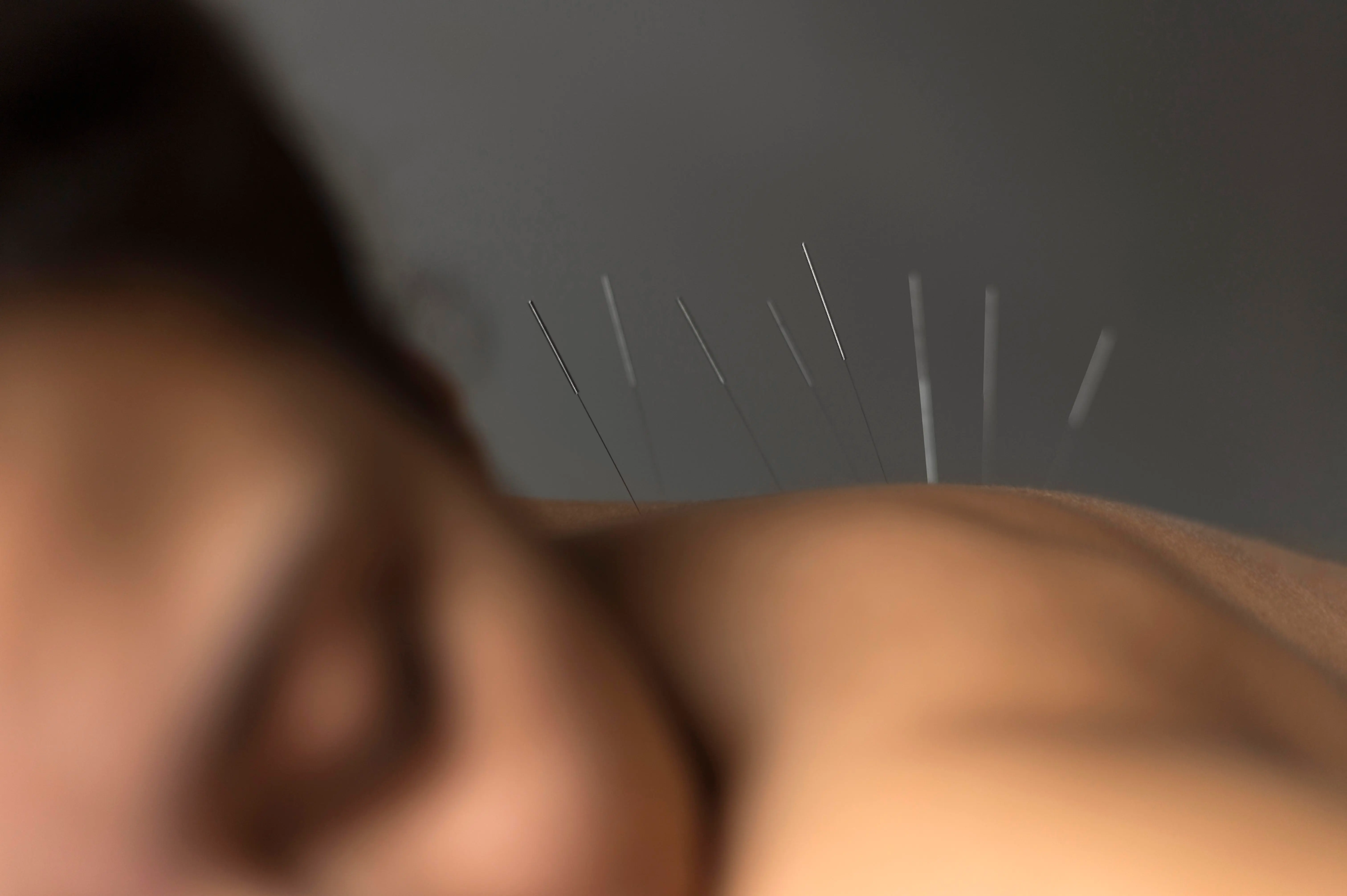
"Feel good, liver better." In this podcast episode, Dr. Richard Musil talks about how he can resolve trauma using acupuncture.
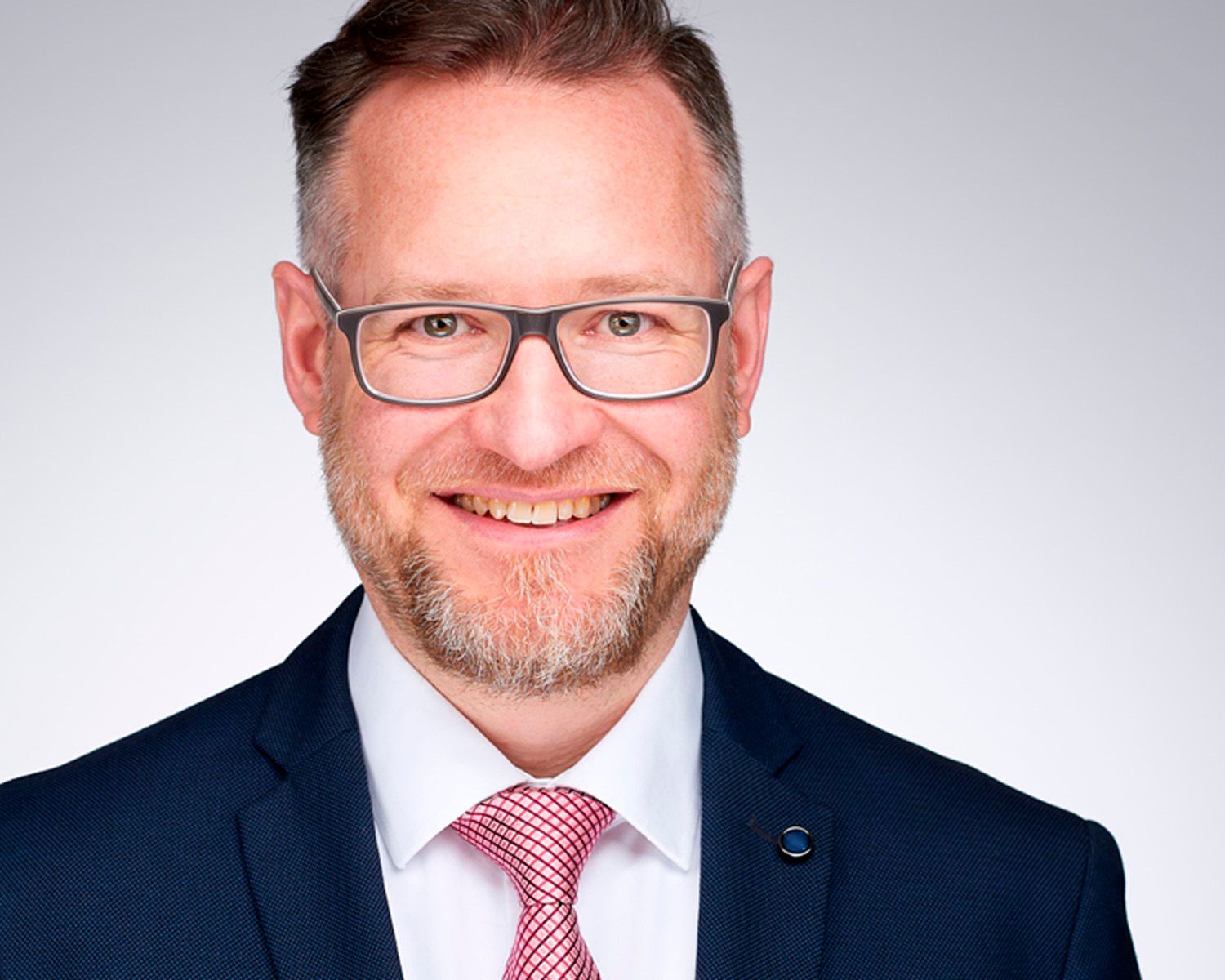
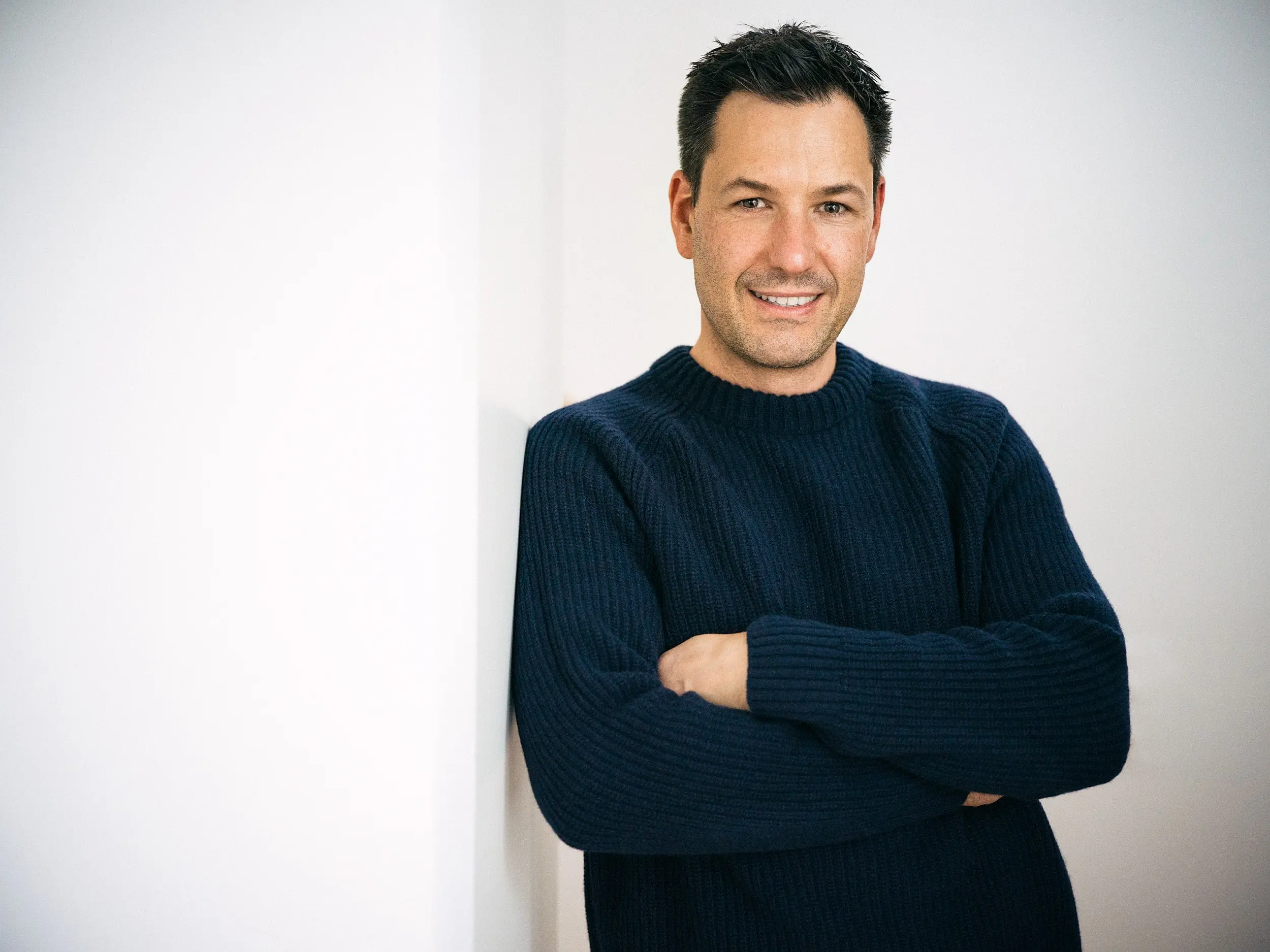
Separation from a partner, death of a loved one, traumatic experiences in childhood: traumas are diverse and often accompany people for decades. Dr. Richard Musil, specialist in psychiatry and psychotherapy, uses acupuncture alongside behavioral therapy for trauma treatments – achieving remarkable results. Why needles help dissolve traumas, what exactly happens in the body during a session, and what fascinates him about his method. The Medical Director and Chief Physician of the Oberberg Specialist Clinic Bad Tölz talks about this in this episode of FEEL GOOD, LIVE BETTER.
The podcast by Premium Medical Circle
PQ publisher Stephanie Neureuter met, among others, the psychiatrist Prof. Dr. Andreas Menke, cancer researcher Dr. Hanna Heikenwälder, the neurologists Prof. Dr. Stefan Lorenzl and Dr. Georg Haber, the holder of urology at Wienerplatz in Munich Dr. Daniel Kaminski, the specialist in internal medicine and longevity expert Dr. Andrea Gartenbach, the laser specialist Dr. Tabitha Neuhann as well as the plastic surgeon Dr. Caroline Kim.
Feel good, live better
In the health podcast by Premium Medical Circle, Stephanie Neureuter talks with experts from various fields like nutrition, mental health and women's health, psychosomatics, surgery, aesthetic medicine, or digital health.
As in the print magazine Premium Quarterly, it's about health and wellbeing and how we can lead a happy, long life. Informative, exciting, entertaining.
Every Wednesday, on Spotify, Google Podcasts, Deezer, Amazon Music, and Audible.