© Freepik
March 17, 2026
Marianne Waldenfels
Can ashwagandha improve sleep? Here’s what studies show, what risks to consider, and who should avoid it
Anyone who sleeps poorly often looks for a gentle solution — without immediately resorting to medication. This is precisely where Ashwagandha frequently comes in: The Ayurvedic medicinal plant is marketed on social media, online shops, and health portals as a natural aid for stress, inner unrest, and sleep problems.
Falling asleep, in particular, becomes easier for many when stress and inner tension subside — this is exactly where Ashwagandha comes in, according to current research. But how much of this is actually proven?
The short answer: Ashwagandha may improve sleep for some people, especially when stress or tension are factors. The current state of research is interesting but not yet strong enough to call it a miracle cure. Additionally, the supplement is not suitable for everyone and can have side effects and interactions. Official US health sources also point out that safety is only moderately described for short-term use of a few months.
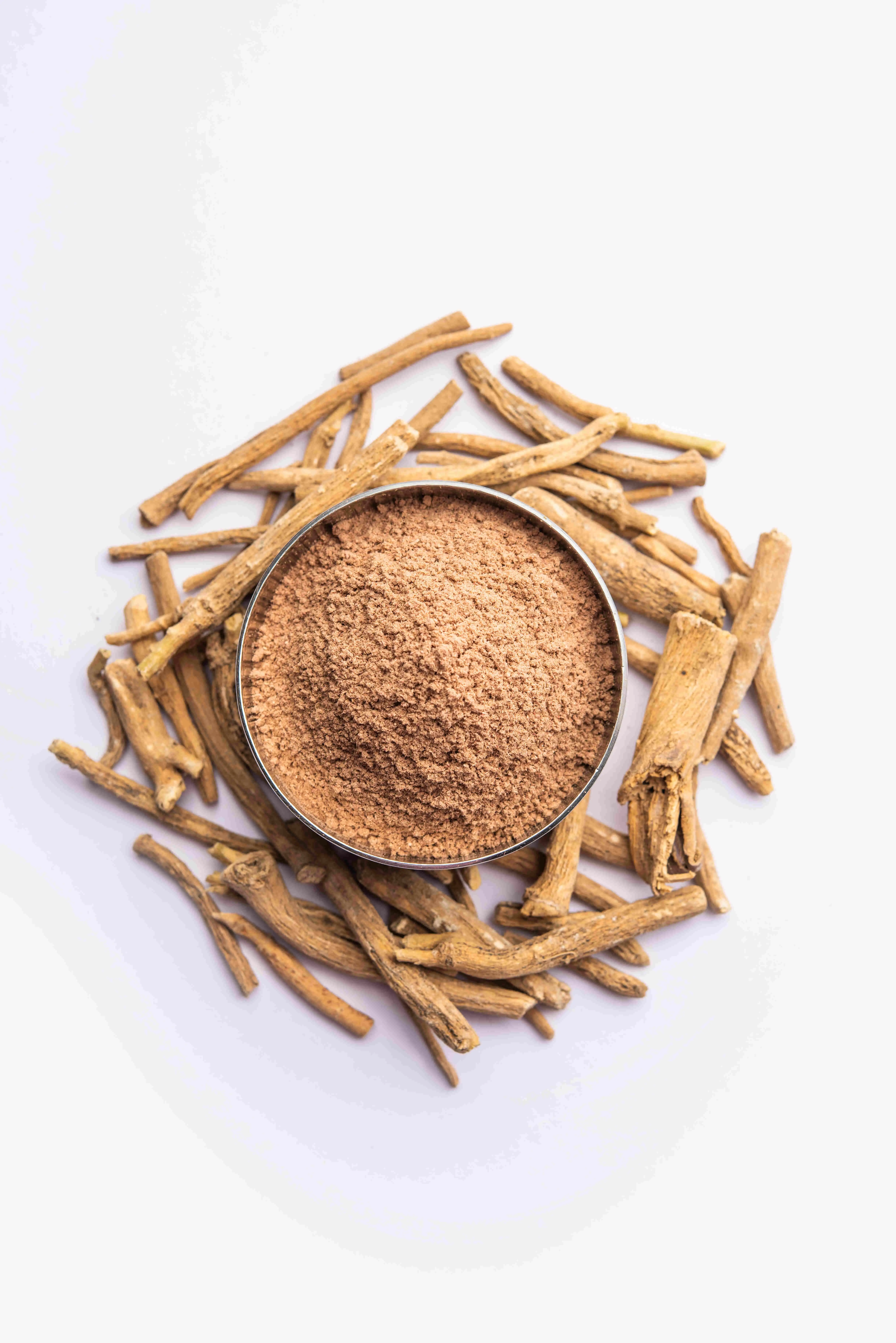
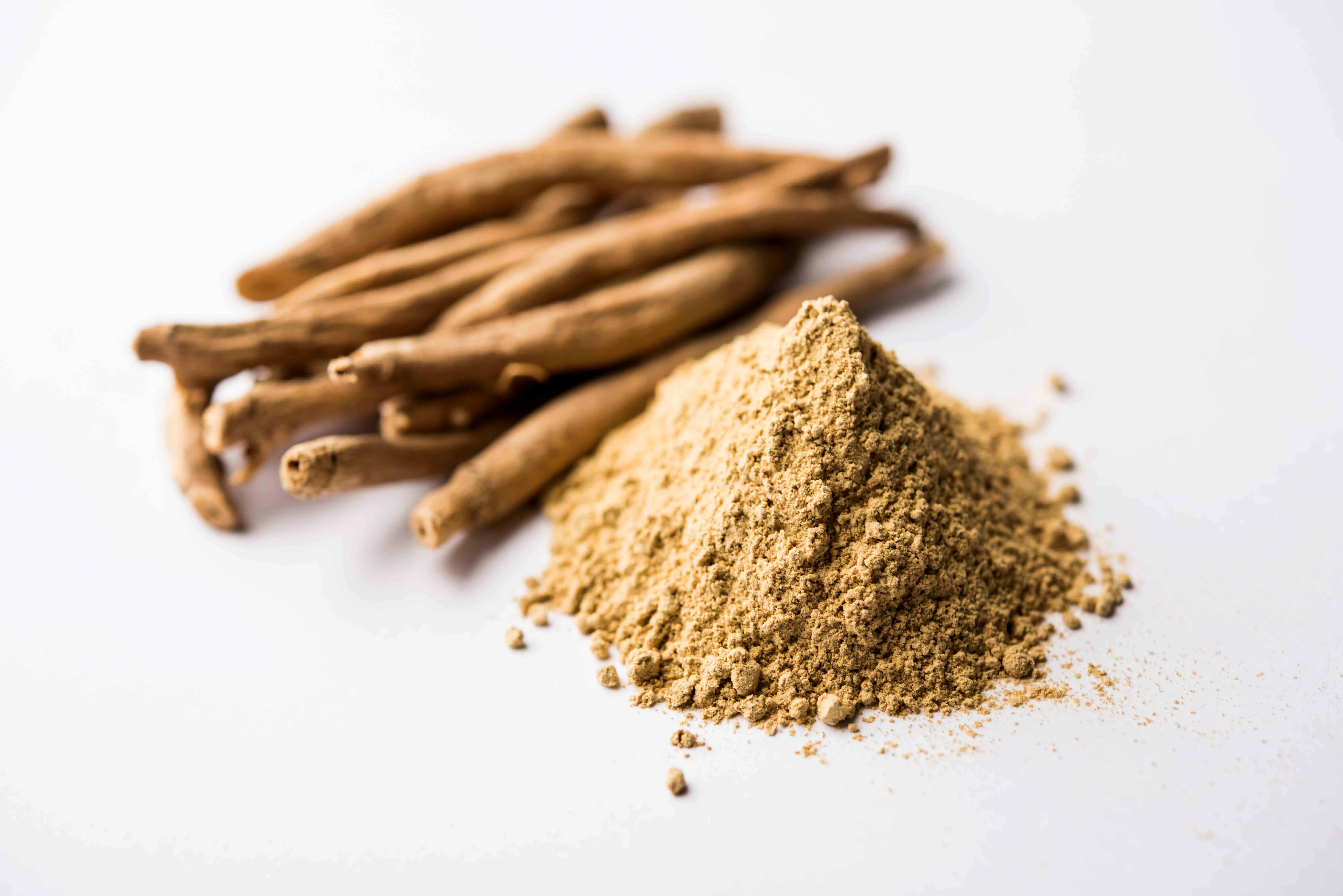
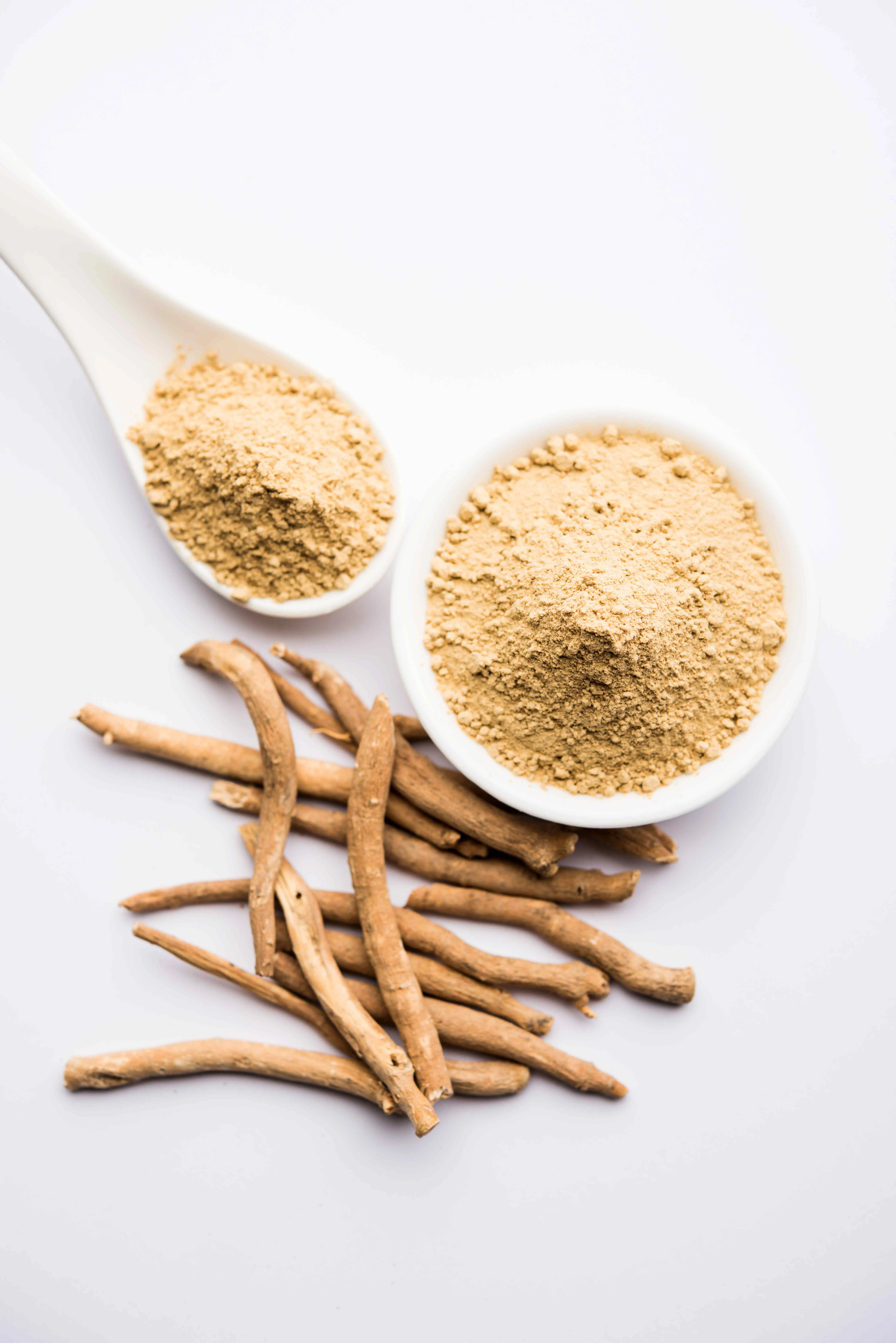
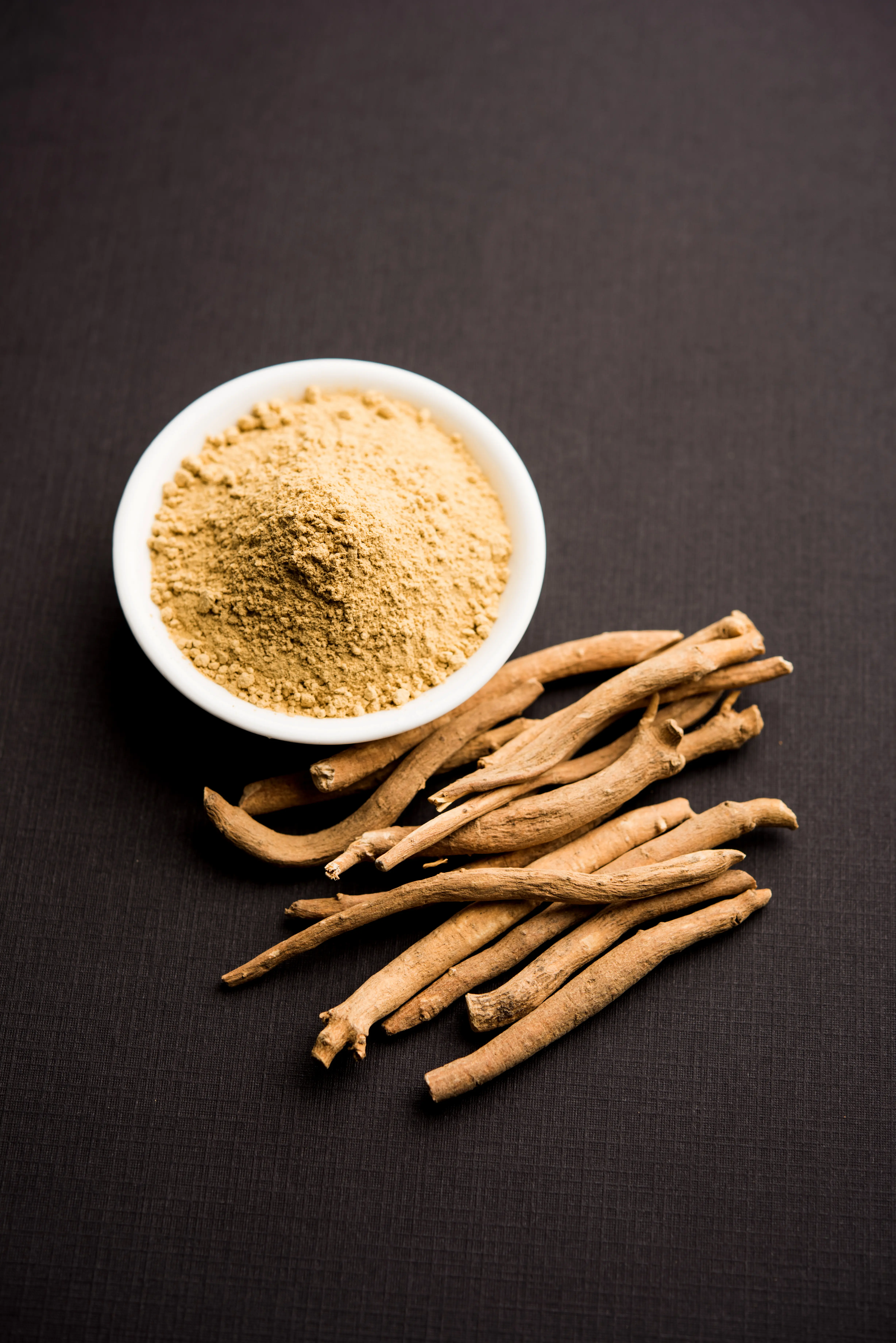
Ashwagandha, botanically Withania somnifera, is a plant from the Ayurvedic tradition. It is often marketed as a so-called adaptogen — a substance that is supposed to help the body better cope with stress. For this reason, Ashwagandha is frequently recommended not only for nervousness and tension but also for sleep problems.
However, it is important to note: "Adaptogen" is primarily a traditional and marketing term, not proof of a clearly demonstrated medical effect. The more intriguing question is therefore: Does Ashwagandha actually improve sleep?
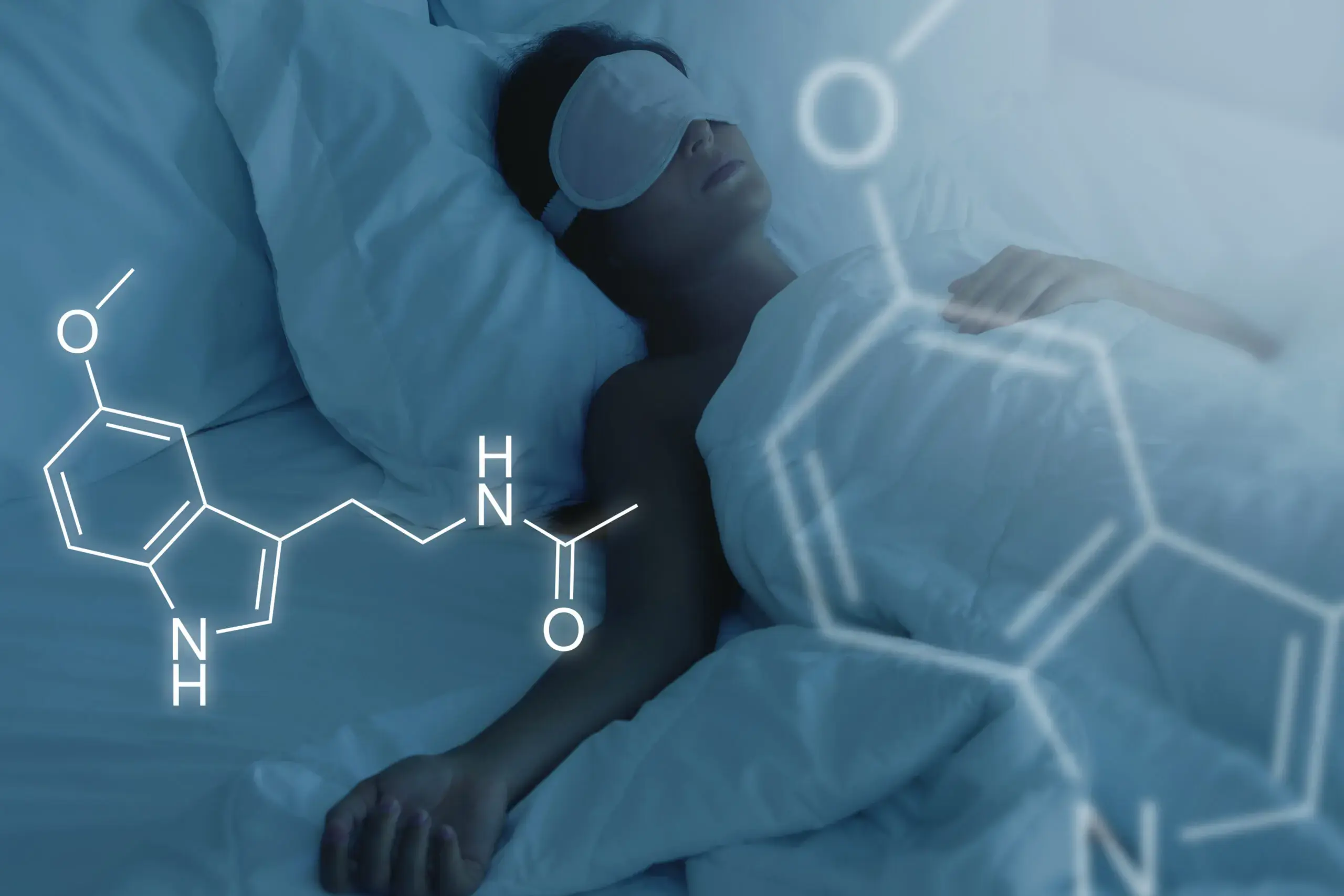
Existing research suggests that Ashwagandha might bring small to moderate improvements in sleep quality, time to fall asleep, and overall sleep duration. A recent review of randomized studies states that the existing clinical data overall indicate a positive effect on sleep. At the same time, the groups studied were rather small, the study durations short, and the preparations used not always directly comparable.
That's exactly the crux: There are indications of benefits, but no evidence yet positioning Ashwagandha as a clearly effective standard solution for sleep problems. The NIH review for professionals also concludes that Ashwagandha could help with stress, anxiety, and sleep—but the data has limitations and especially about long-term safety, much is still unknown.
The most plausible route is indirect: less stress, more calm, better sleep. Ashwagandha is often studied in connection with stress regulation. If people sleep poorly due to tension, rumination, or inner restlessness, a remedy that subjectively calms could naturally improve falling asleep. Some reviews discuss effects on stress markers, mood, and sleep quality.
But this doesn't automatically mean Ashwagandha works like a classic sleeping pill. It's more about sleep potentially improving indirectly if stress or nervousness decreases.
The scientific situation is most honestly summarized as follows: There are randomized studies with positive results, especially in sleep quality and stress-related complaints. The studies are quite small and usually short so far — often only over a few weeks. Not all preparations are the same because extracts, dosages, and active ingredient contents can differ, making comparisons difficult. There is still uncertainty about long-term safety: Official sources emphasize that reliable statements about long-term intake are lacking.
In summary, this means: Ashwagandha is not a myth — but also not a proven sleep miracle.
In most clinical studies, between 300 and 600 mg of Ashwagandha extract were used daily, often divided into two doses. Some studies also examined an evening single dose shortly before sleeping. Important: These values come from research settings — they are not a general intake recommendation. Products differ greatly in extract concentration and standardization, so the package leaflet and, if in doubt, a pharmacy provide better guidance than study values.
Ashwagandha seems most interesting for people who experience sleep problems mainly in connection with stress, tension, or inner restlessness. On the other hand, those who suffer from pronounced insomnia, sleep apnea, depression, severe anxiety disorders, or other medical causes of sleep problems should not treat the symptoms with a dietary supplement on their own.
Especially with longer-lasting sleep disorders, medical clarification is worthwhile. Poor sleep is often a symptom — and not just a small lifestyle problem.
This is where it gets important, because Ashwagandha often sounds much more harmless than it can be in individual cases. The US National Center for Complementary and Integrative Health (NIH) cites possible side effects such as drowsiness, stomach upset, diarrhea, and vomiting. There are also reports of liver damage — albeit rare.
According to official NIH sources, special caution is advised for:
This is one of the most important points of all: Natural doesn't automatically mean harmless.
When you look at the data soberly, the answer is: possible — but with limitations.
Ashwagandha can be interesting for some people if stress clearly drives a sleep problem, no relevant contraindications are present, the intake is not intended as a substitute for medical clarification, and realistic expectations exist.
It is less useful if someone hopes to quickly "solve" acute or severe sleep disorders with it. The data situation is too limited for that — and the risk of overlooking actual causes is too high.
Anyone who wants to try Ashwagandha should not only pay attention to advertising promises but especially to quality, compatibility, and their own state of health. With dietary supplements, it should also be noted that products can differ significantly in composition and standardization. Therefore, statements from studies cannot automatically be transferred to every product in the online shop.
Especially with existing diseases or regular medication intake, it is sensible to discuss the application in advance with a doctor or at the pharmacy.
Ashwagandha is more than just a wellness hype: There is clinical evidence that the plant could help with stress, inner restlessness, and related sleep problems. At the same time, the study situation is still limited, the preparations are not always comparable, and long-term safety remains unclear.
Those who sleep poorly due to stress may find a supportive option in Ashwagandha. However, those who suffer from persistent sleep problems should not rely solely on supplements but should have the causes medically clarified. Because good sleep rarely begins with hype — but usually with an honest diagnosis.
Possibly yes, especially if stress and inner restlessness make it difficult to fall asleep. The study situation shows positive signals, but it is not yet strong enough for a clear recommendation.
In studies, 300 to 600 mg of extract daily was usually used, sometimes as a single evening dose. Since products vary greatly, the package leaflet serves as a first orientation — in case of doubt, ask the pharmacy.
Some studies have looked at taking it in the evening just before sleeping. There is no clear scientific recommendation for the optimal time, but many manufacturers suggest taking it at night, which intuitively makes sense with the goal of 'better sleep.'
Not in the classical sense. Ashwagandha is more classified as an herbal substance with potential effects on stress and relaxation, not as a direct sleep aid.
The available studies usually last several weeks. An immediate effect like with a classical sleep aid is therefore not to be expected.
There is little study data on this. Since both can have sleep-promoting effects, caution is advised. In case of doubt, check with a doctor or pharmacist beforehand.
Yes. Possible side effects include digestive issues and drowsiness, as well as rare but important indications of liver damage.
Pregnant and breastfeeding women, and people with thyroid or autoimmune diseases should be particularly cautious or avoid it. There can also be interactions with certain medications.