© Freepik
December 20, 2025
Judith Cyriax
From Dr. Niehans' cell therapy in 1931 to NASA experiments: How anti-aging research with genetics, AI, and stem cells combats skin aging.

With
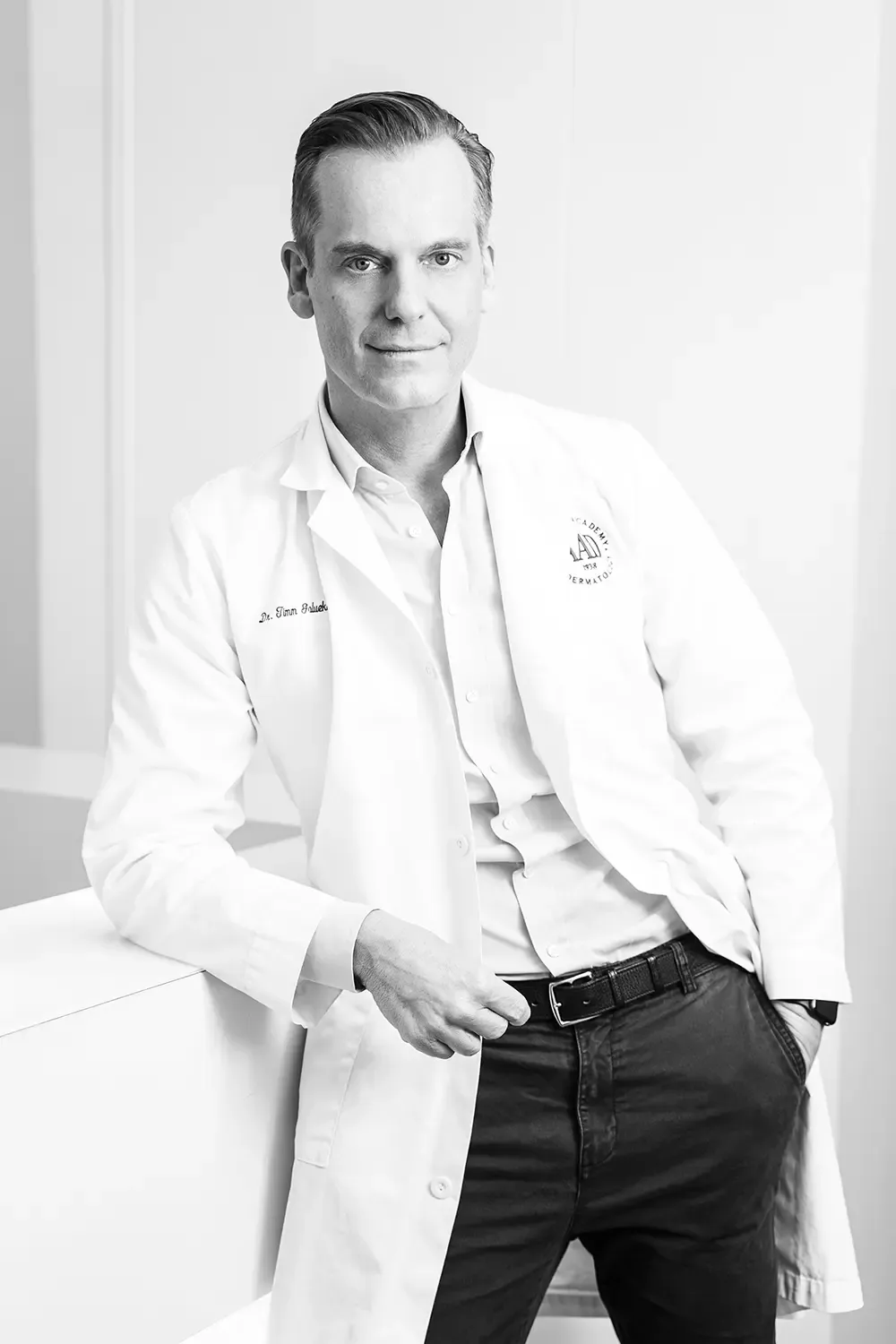
Dr. med. Timm Golüke
Long before the now widely used term "Longevity" entered the lives of health-conscious people, a medical refuge in Switzerland had already been focusing on "healthy" aging for almost a hundred years: Since its founding in 1931, the "Clinique La Prairie" on Lake Geneva has been not only an exclusive retreat for those seeking healing and wellness but also a synonym for pioneering spirit in regenerative health care.
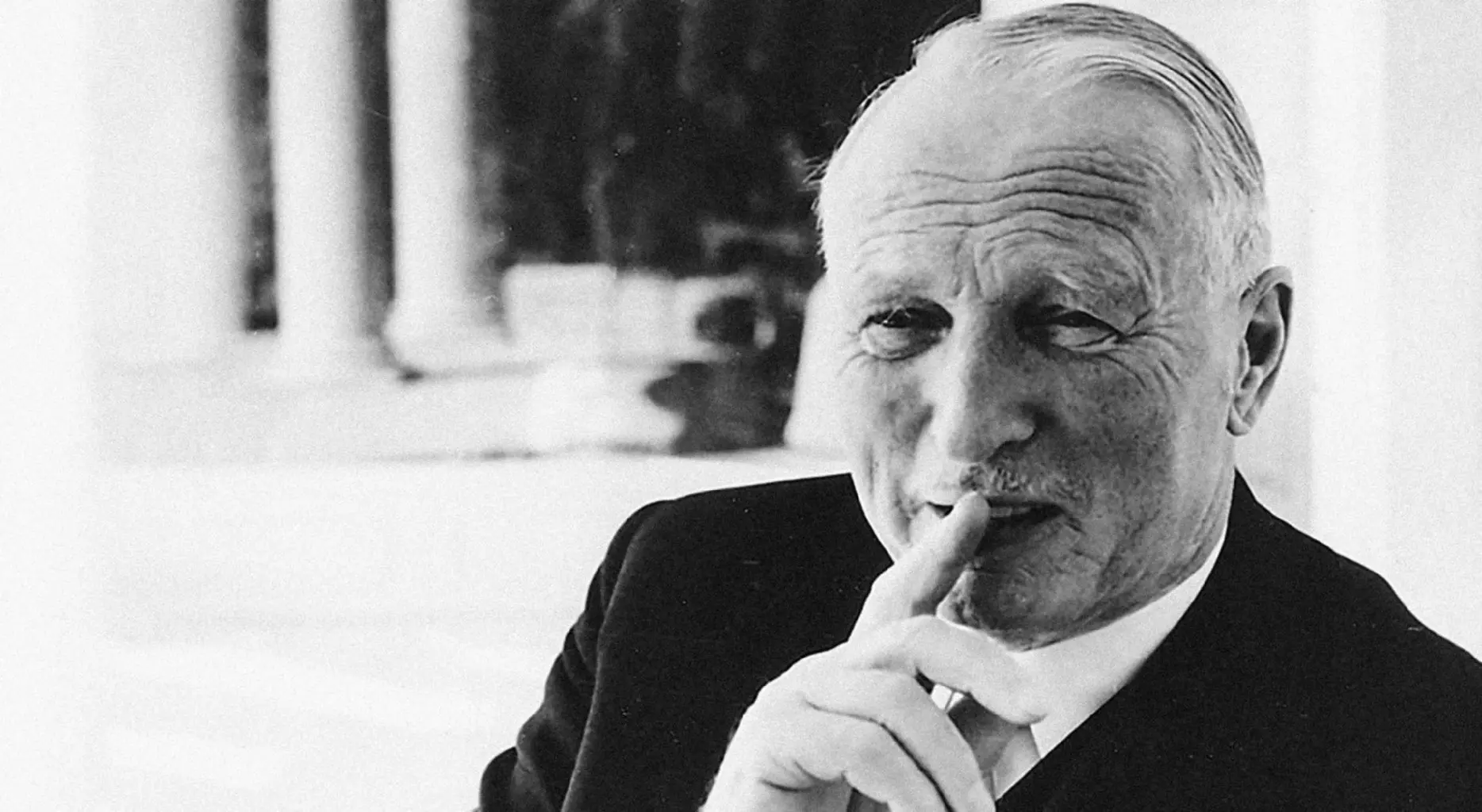
The clinic was founded by the legendary Swiss doctor Dr. Paul Niehans, whose idea of cellular therapy aimed to slow down the aging process and restore the body's vitality.

© PR
Dr. Paul Niehans, founder of La Prairie
He developed a so-called fresh cell therapy, in which living animal cells (mainly from sheep fetuses) were injected. His goal: to slow down or even reverse degenerative processes in the body. Niehans believed that young, vital cells could transmit regenerative impulses to aging or damaged cells.
Although this "animal" method was controversial in conventional medicine and is now largely banned in Europe, it was nevertheless considered revolutionary at the time. Thus, the clinic attracted a variety of prominent guests in search of youth and vitality: Marlene Dietrich, Winston Churchill, or Pablo Picasso sought renewal and healing from the visionary doctor, and thanks to generous payment, offered him the opportunity to advance his holistic approach to improving quality of life in a time when medicine was still often reactive.
The success seemed to prove him right – many of his prominent guests lived to be at least 90 years old. Even though scientific evidence for his method was lacking, his work significantly influenced later concepts of preventive medicine. Today, the Clinique La Prairie combines state-of-the-art preventive medicine with an exclusive wellness offer. The days of animal cell injections are over, instead, personalized programs based on the latest medicine, nutritional science, and aesthetics are used.
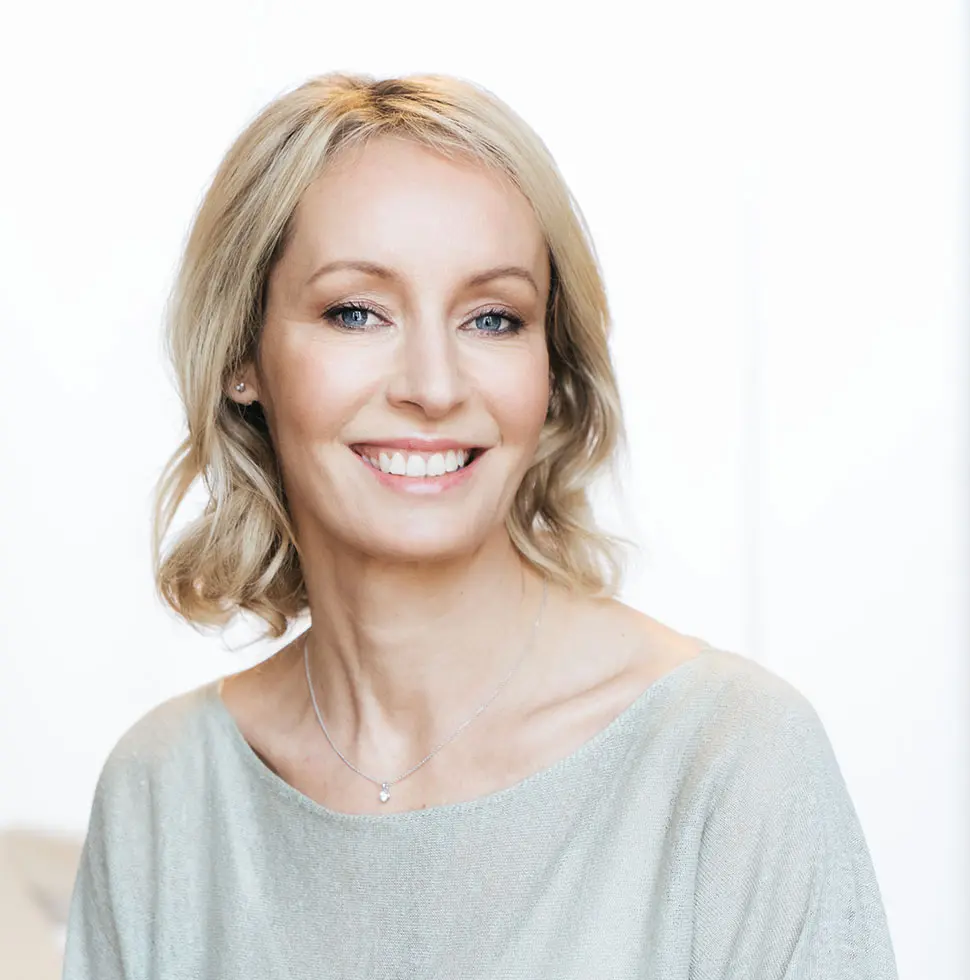
An important aspect of staying young is, of course, the external appearance, i.e., a youthful, radiant, and fresh complexion. Therefore, the new skincare products of the brand particularly represent this change. "We wanted to understand exactly what causes the declining longevity of the skin and what most affects the condition of the cells. So we began analyzing cellular information processes from the perspectives of biology, biosciences, and theoretical physics," explains Dr. Jacqueline Hill, Global Director of Strategic Innovation and Science at La Prairie.

© PR
Anti-aging and preventive medicine on Lake Geneva: Clinique La Prairie
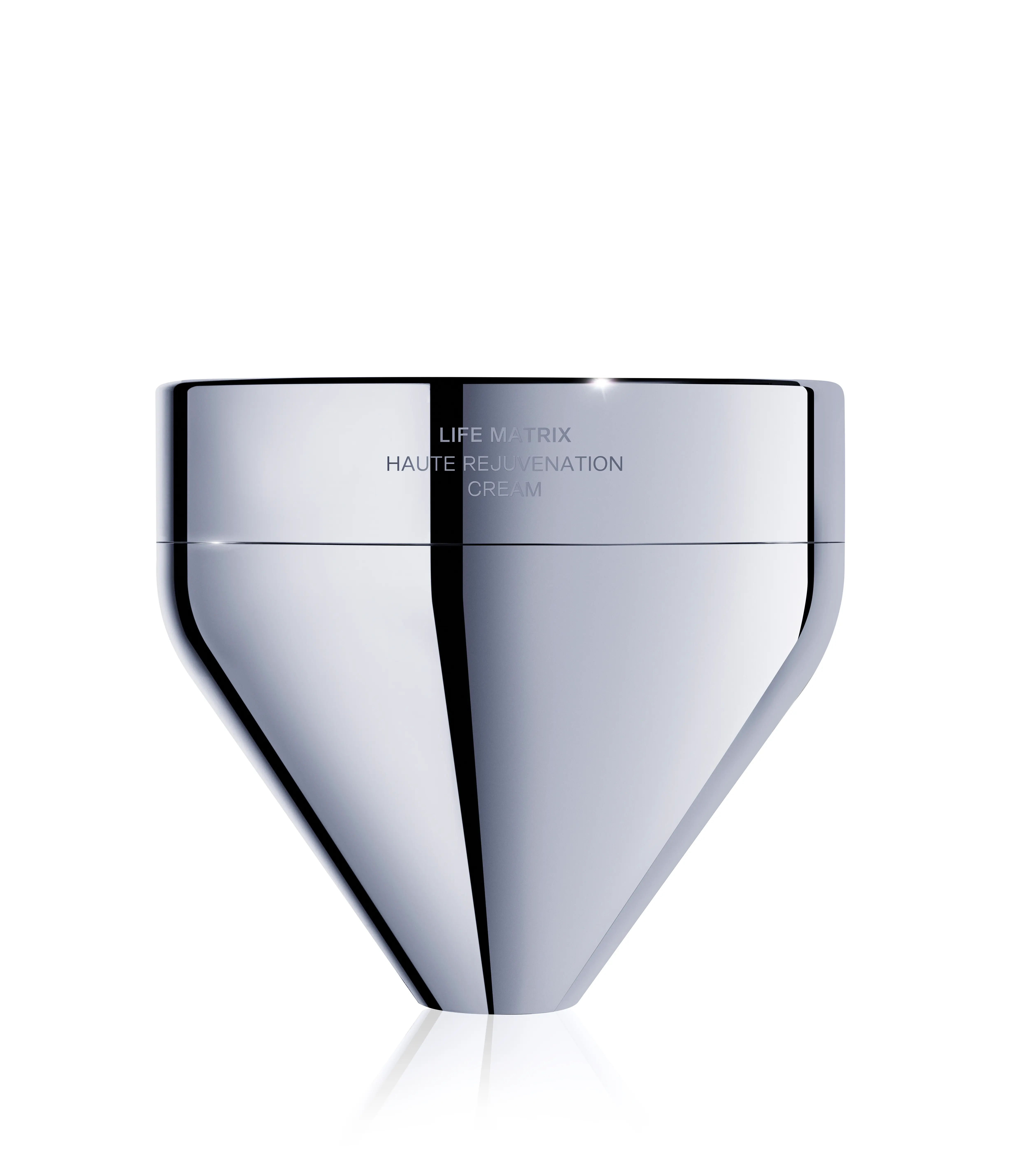
Ten years of intensive research work finally culminated in the exclusive "Life Matrix Haute Rejuvenation Cream" – a comprehensive 360° approach, as Dr. Hill emphasizes, that not only fights the signs of aging but also tackles the causes. The most important finding: "Cells that communicate incorrectly or not at all age faster." The targeted combination of active ingredients in the cream helps correct these malfunctions, reactivate cell function, and stimulate processes such as collagen formation or moisture regulation.
The Japanese company Shiseido has been pursuing an innovation strategy for years, incorporating insights from genetics, cell biology, and even space travel into product development. In collaboration with the Japan Aerospace Exploration Agency (JAXA), Shiseido examined, for example, how zero gravity affects skin structure and cell aging on the International Space Station (ISS).
The background: In microgravity, skin cells age measurably faster, due in part to altered collagen production, oxidative stress, and disrupted cell division. Shiseido uses these findings to develop formulations that are effective even under extreme environmental conditions and thus counteract accelerated skin aging.
The American company Estée Lauder also ventured into space to test the stability, efficacy, and cell compatibility of its skincare under extreme conditions. They were particularly interested in the skin's reaction to oxidative stress, one of the main causes of skin aging – both on Earth and in space. The research results help Lauder develop products that work under high stress, such as high UV and radiation exposure and a disrupted sleep-wake rhythm.
Shiseido not only flies high but has been operating its own research laboratory for genomics and epigenetics for years. This investigates how genes in the skin are activated or deactivated – for example, by aging, UV radiation, or lifestyle factors. With the company's own "Skin Gene Mapping" technology, genetic activation patterns of the skin can be precisely visualized, especially those genes responsible for moisture supply, collagen production, or cellular repair processes.
By analyzing these markers, conclusions can be drawn about the actual biological state of the skin to ultimately develop products tailored to the actual skin condition. L’Oréal, one of the largest cosmetics companies in the world, is researching in its newly established "L’Oréal Longevity Integrative Science" department not only how cell activity, cell communication, and inflammation affect skin aging, but also how skin aging functions on a cellular, molecular, and tissue level.
In the innovative 'Longevity AI Cloud', over 260 biomarkers for skin longevity are analyzed. State-of-the-art diagnostic tools like the 'Cell BioPrint' provide smart solutions within minutes: Through so-called lab-on-a-chip technology, biomarkers in the consumer's skin are measured to offer personalized care recommendations.
The French brand Lancôme combines advances in epigenetics with plant stem cell technology. The heart of their product formulations is a specially developed extract from the stem cells of the 'Lancôme Rose' – a rose variety bred exclusively for its high regenerative capacity and resilience, making it the perfect care partner.
The plant stem cells of this rose have the ability to divide almost indefinitely and develop into different cell types – properties that are intended to be used in skincare to stimulate cell regeneration and renewal.
In terms of longevity care, Clé de Peau Beauté relies on the scientifically based concept of so-called 'Skin Intelligence'. Here, the skin is understood as a learning organ that responds to external stimuli and can regenerate itself – as long as its natural intelligence remains intact. However, this decreases continuously with age and environmental stresses. The goal of the care products is therefore to reactivate and support the lost responsiveness, essentially a training program for the skin cells.
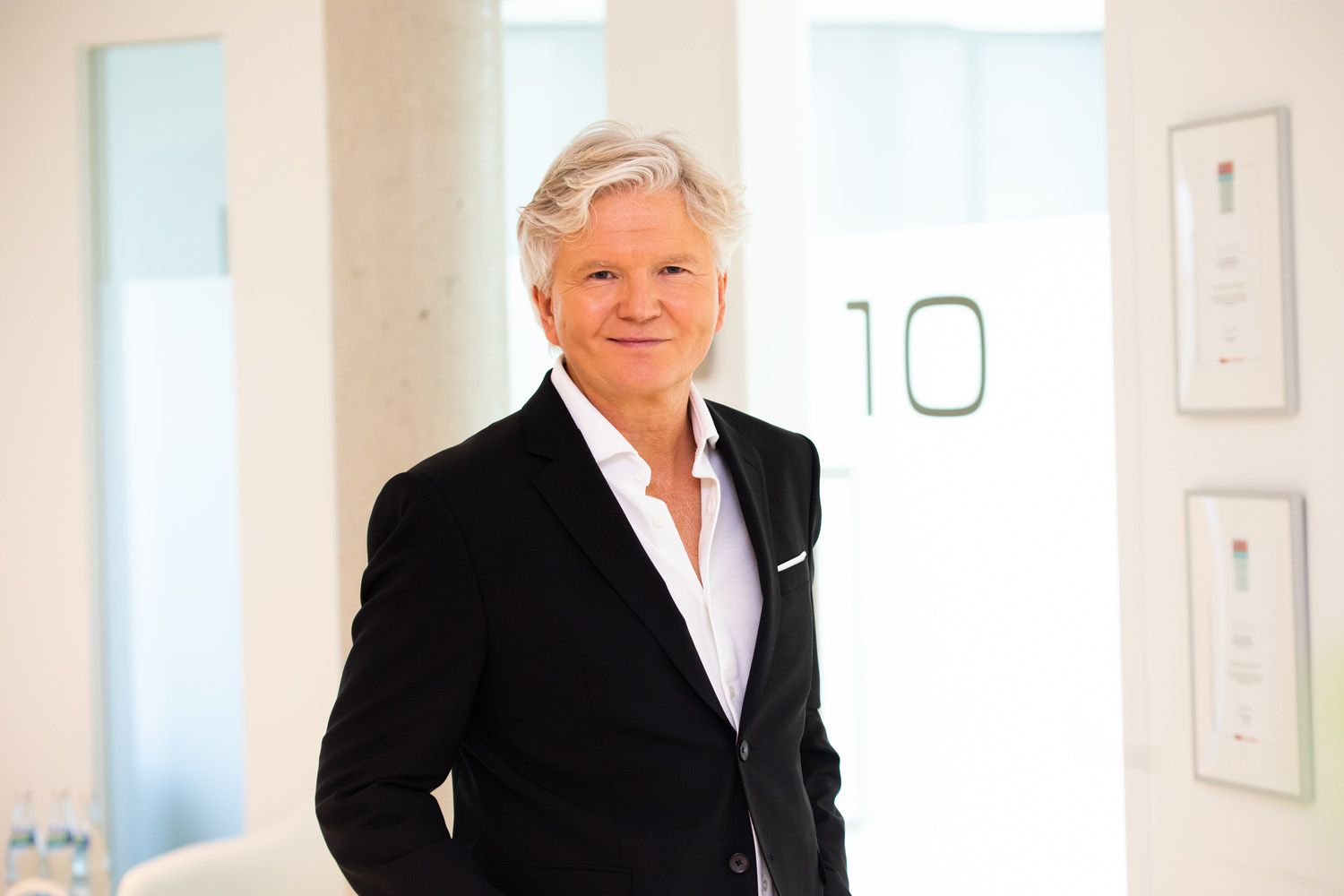
According to Dr. Timm Golüke, a dermatologist from Munich, the concept of so-called 'Topical Longevity' is one of the central approaches of modern longevity cosmetics. 'This refers to the application of externally acting care products that aim to preserve the health and youthfulness of skin cells in the long term.'
Here, the focus is less on the short-term cosmetic effect and more on scientifically based prevention of skin aging at the molecular level," explains the specialist. The focus is on highly effective, mostly biotechnologically developed skin-like active ingredients that counteract cell aging. NAD+ precursors are considered particularly promising molecules here, as they can improve cellular energy supply via mitochondria (the cell's energy core) and thus directly influence cellular repair and lifespan (e.g. "OS-01 Face Topical Supplement" by One Skin).
Peptides also play a central role, as they serve as signaling molecules in the skin that trigger specific cell processes, such as collagen and elastin production or wound healing. "Classic active ingredients such as retinoids promote cell division, niacinamide strengthens the skin barrier, and antioxidants neutralize free radicals, thus protecting against environmentally-induced skin aging," says Dr. Golüke. Particularly innovative is the integration of growth factors (EGF) and exosomes.
Both improve cell communication, support regeneration, and can promote stem cell processes. EGFs are produced for cosmetics, for example, from yeast fungi, while particularly effective plant exosomes are obtained from sources such as green tea, ginseng, or rice.