Rhodiola or Ashwagandha – which adaptogen works better for stress, fatigue, and sleep? Both are among the most well-known natural stress relievers, but they work in very different ways: Rhodiola primarily boosts energy, focus, and mental performance, while Ashwagandha supports relaxation, sleep, and hormonal balance.
In short:
Rhodiola is better suited for fatigue and performance-related stress
Ashwagandha is more effective for chronic stress and sleep problems
In this article, you’ll learn which adaptogen is better suited to your needs—based on scientific studies, mechanisms of action, and practical use.
What are adaptogens and how do they work?
Adaptogens are plant-based substances that normalize the body's stress response by primarily modulating the hypothalamic-pituitary-adrenal axis (HPA axis). They intervene in the regulation of stress hormones like cortisol, without unilaterally 'blocking' them, but balancing both overactivity and underactivity.
Rhodiola rosea and Ashwagandha are among the most studied adaptogens and show effects in clinical studies on stress, exhaustion, sleep, and psychological strain.
Many people turn to adaptogens for stress or exhaustion - often without knowing that Rhodiola and Ashwagandha differ significantly in their effects.
What is the difference between Rhodiola and Ashwagandha?
Both adaptogens work differently - the most important difference can be summarized simply:
Rhodiola: more energy, focus, rapid effect
Ashwagandha: less stress, better sleep, long-term effect
Rhodiola: ideal for fatigue and pressure
Ashwagandha: ideal for inner restlessness and sleep problems
Intake: Rhodiola in the morning or forenoon, Ashwagandha rather in the evening
Onset of action: Rhodiola often works within a few days, Ashwagandha over several weeks
Objective: Rhodiola for fatigue and performance pressure, Ashwagandha for stress and sleep problems
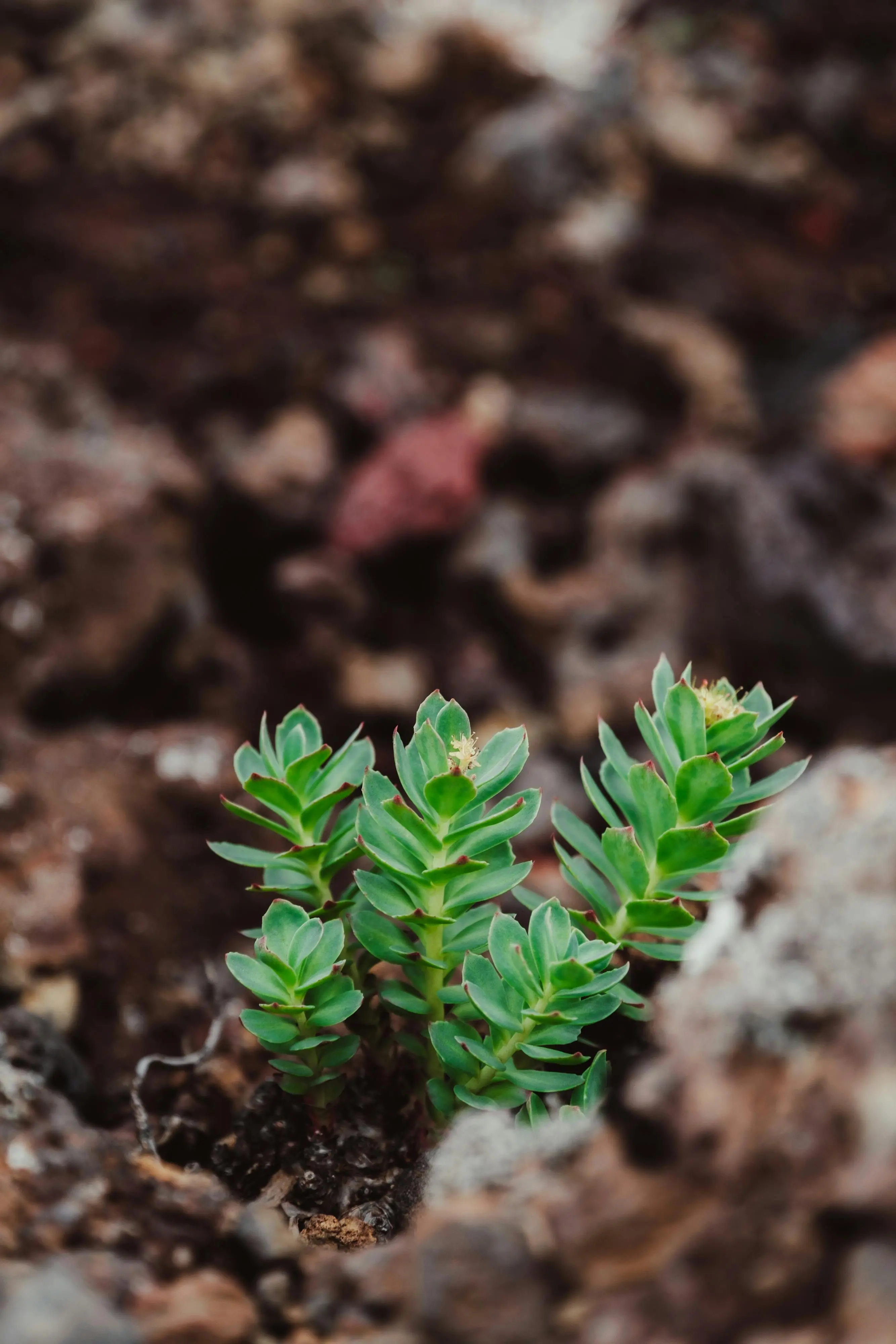
Rhodiola rosea: effects on fatigue, stress, and concentration
Rhodiola rosea is traditionally used to increase energy, resilience, and cognitive performance and shows measurable effects in modern studies. In a randomized, placebo-controlled trial with standardized SHR-5 extract, a single dose improved mental work performance under fatigue and stress signals. Further studies with repeated intake found reduced burnout symptoms, better attention, and a normalized cortisol response to awakening stress.
A recent meta-analysis of 48 randomized studies with around 4,200 participants reports that 200–600 mg of Rhodiola extract (typically 3% rosavins, 1% salidroside) reduces subjective fatigue by about 30% on average and increases mental energy and focus within 1–3 days.
Rhodiola seems to address acute and work-related stress, mental fatigue, and concentration problems, such as shift work, exam phases, or high cognitive loads. Mechanistically, Rhodiola regulates stress signaling pathways (including heat shock proteins, NO signaling pathway) and modulates the HPA axis, leading to better stress adaptation.
Typical usage profile:
Particularly suitable for fatigue, exhaustion, concentration problems, and high mental pressure.
Rather short-term, rapidly noticeable effect on alertness and performance.
Preferably taken in the morning or early afternoon, as Rhodiola can have an activating effect on sensitive individuals and may disturb sleep.
Ashwagandha: Effects on Stress, Sleep, and Hormones
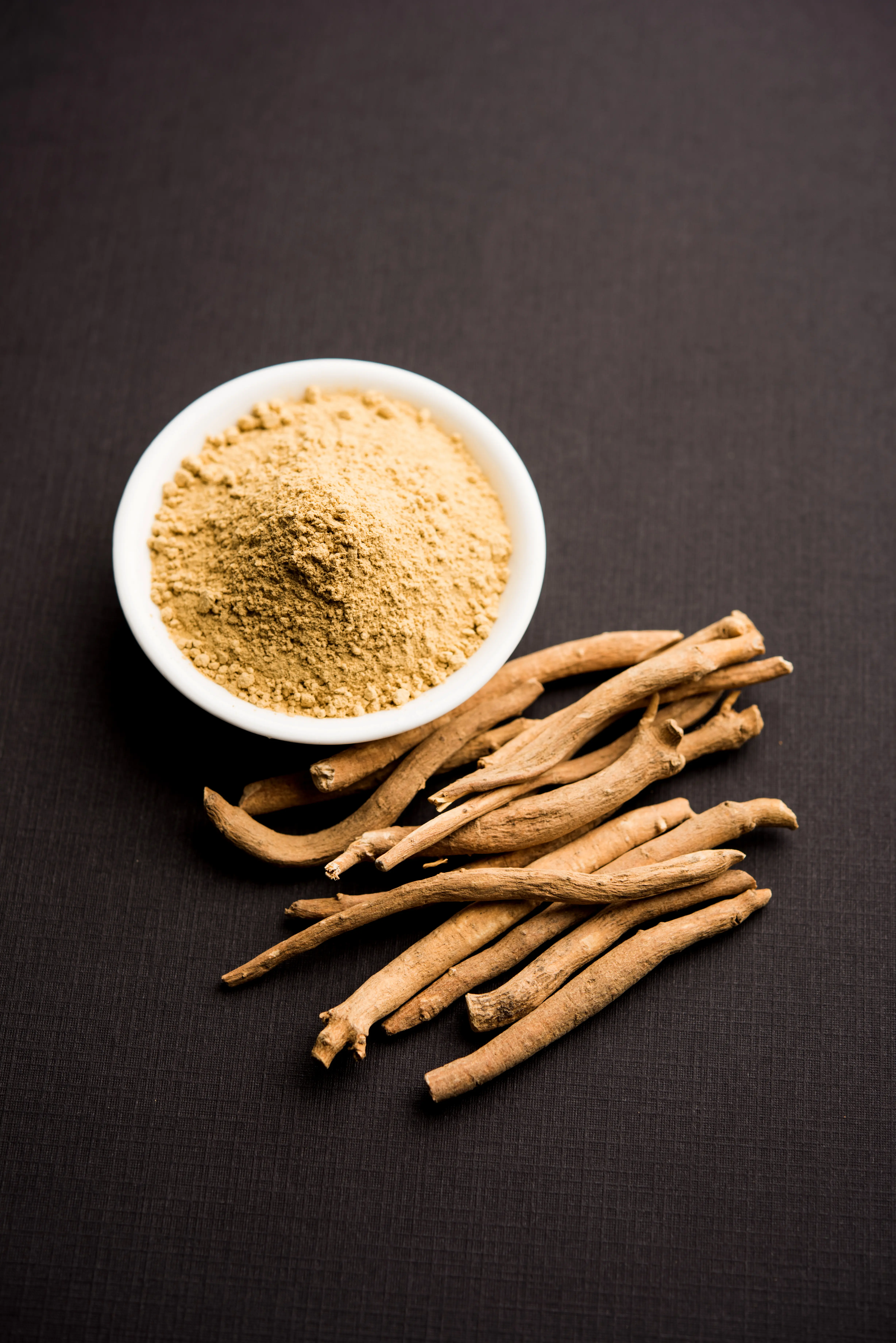
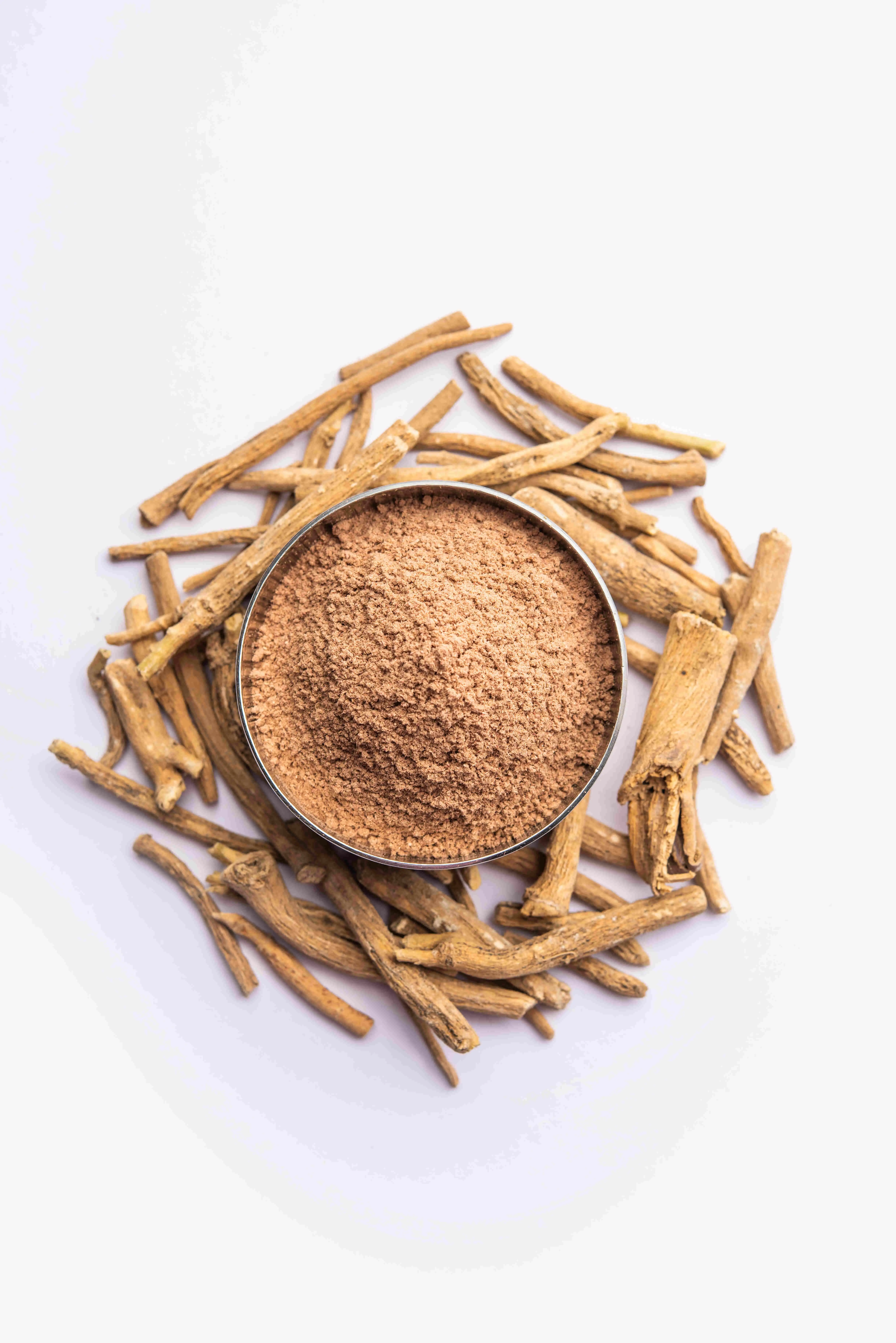
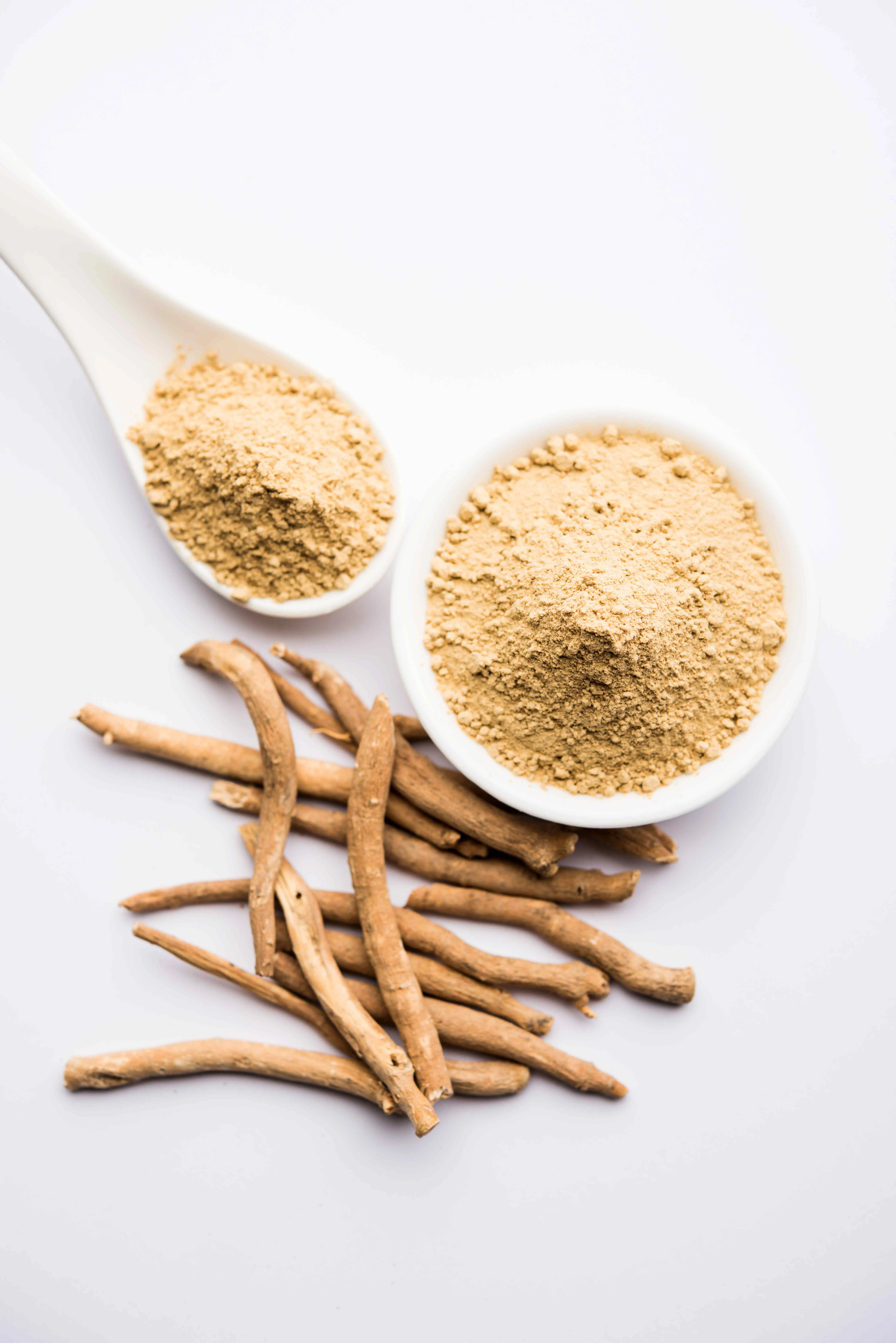
Ashwagandha (Withania somnifera) is considered a classic adaptogen of Ayurvedic medicine and is now primarily studied for chronic stress, anxiety disorders, and sleep disturbances. In a randomized, placebo-controlled study, a water-based ashwagandha root extract (250–600 mg/day) significantly reduced serum cortisol levels in chronically stressed adults and improved stress, anxiety, and sleep parameters compared to placebo. A recent systematic review and meta-analysis of nine randomized studies (n ≈ 558) confirms that ashwagandha significantly reduces stress, anxiety, and cortisol more effectively than placebo, at doses of 125–600 mg over 30–90 days.
Ashwagandha also shows effects on hormonal axes: Clinical studies have observed positive changes in thyroid parameters in patients with hypothyroidism, with TSH, T3, and T4 significantly improved compared to placebo. More recent safety data in healthy adults suggest that standardized root extracts over six months statistically but not clinically alter thyroid values, indicating overall good tolerability. However, there are case reports of ashwagandha-associated hyperthyroidism, which warns caution in existing thyroid disorders.
Typical application profile:
Especially suitable for chronic stress, inner restlessness, anxiety, stress-related sleep disorders, and hormonal imbalances.
Works more calming and balancing rather than stimulating, unfolding its full effect over weeks.
Preferably take in the evening or in the second half of the day, especially for sleep problems.
Which adaptogen is better for stress and sleep?
Both plants can improve stress management, but they pursue different 'strategies.' Rhodiola mainly reduces short-term perceived stress, simultaneously enhancing alertness and cognitive performance, making it particularly suitable during periods of high performance demands or mental fatigue. Ashwagandha works more long-term, dampens chronically elevated stress reactions, lowers cortisol, and contributes to improved sleep quality.
For sleep, Rhodiola is rather ambivalent: Its activating effect can promote sleep problems if taken late, which is why experts recommend taking it in the morning. Ashwagandha, on the other hand, is explicitly associated in studies with better sleep quality and fewer sleep initiation and maintenance disorders, and is therefore considered a more sensible option for sleep problems.
Can Rhodiola and Ashwagandha be combined?
In practice, Rhodiola and Ashwagandha are sometimes combined to cover different aspects of stress regulation. Articles on the HPA axis describe that formulations containing both adaptogens have measurably improved stress, sleep, fatigue, and anxiety in randomized studies. A sensible strategy can be to use Rhodiola in the morning for energy and mental clarity and Ashwagandha in the evening to promote relaxation and sleep, provided there are no individual contraindications.
Dosage, intake, and side effects
Among the most important side effects of Rhodiola are restlessness, nervousness, or sleep disturbances with too high a dosage or too late intake. Ashwagandha can rarely cause gastrointestinal complaints, and if there are pre-existing thyroid conditions, intake should only occur after medical consultation, as case reports describe a possible induction of hyperthyroidism.
Regardless of the adaptogen, the rule is: start with a low dosage, check tolerance, and seek medical advice for long-term use or existing conditions.
The choice of the right adaptogen depends primarily on the individual stress profile and personal goals.
Conclusion: Rhodiola or Ashwagandha – which is better?
Rhodiola and Ashwagandha both regulate stress but target different points: Rhodiola is particularly suitable for acute exhaustion, fatigue, and high performance pressure, as it quickly increases energy and focus. Ashwagandha is the better choice for chronic stress, inner restlessness, and sleep problems, as it has a calming effect and regulates the stress response in the long term.
In practice, this means:
For fatigue and performance pressure, prefer Rhodiola
For stress, sleep problems, and exhaustion, prefer Ashwagandha
Frequently asked questions about Rhodiola and Ashwagandha
Which is better: Rhodiola or Ashwagandha?
Rhodiola is better for acute fatigue, exhaustion, and performance pressure as it quickly boosts energy and focus. Ashwagandha is the better choice for chronic stress, inner restlessness, and sleep problems as it has a calming effect and regulates the stress response long-term.
Can you take Rhodiola and Ashwagandha together?
Yes, both adaptogens can be combined as they have different effect profiles. Often, Rhodiola is used in the morning to promote energy and concentration, and Ashwagandha in the evening to support relaxation and sleep.
When does Rhodiola work and when Ashwagandha?
Rhodiola often shows an effect within a few days, especially on energy and mental performance. Ashwagandha usually unfolds its effects more slowly over several weeks, mainly in stress reduction and sleep quality.
Is Ashwagandha or Rhodiola better for sleep?
Ashwagandha is considered the better choice for sleep problems because it has a calming effect and can improve sleep quality. Rhodiola, on the other hand, can be activating and should therefore be taken in the morning.