© Adobe Stock
April 8, 2026
Marianne Waldenfels
Rhodiola not working? Most people take it wrong. Here's the right dosage, timing, and when effects start
Many people take Rhodiola rosea (roseroot) to relieve stress, fatigue, or improve focus – but often it doesn’t seem to work.
In most cases, the issue isn’t the plant itself, but how it’s used: the dosage is too low, it’s taken at the wrong time, or it’s stopped too early. Many people give up before Rhodiola has a chance to take effect.
To get real results, there are a few key things to get right. In this article, you’ll learn when to take Rhodiola, what dosage studies suggest, and how long it takes to work – explained clearly and based on current research.
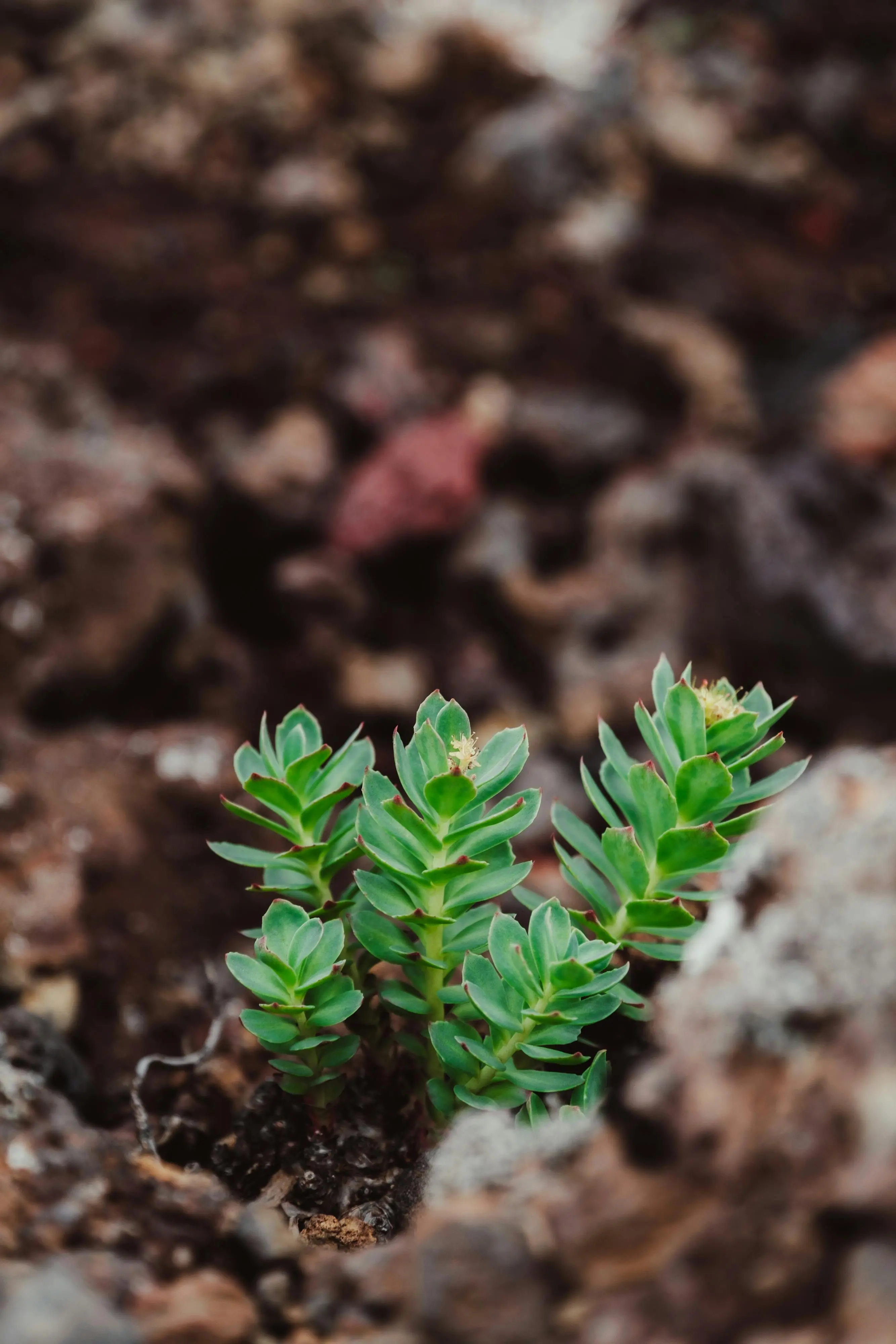
Rhodiola rosea, also known as roseroot, grows in the barren high mountain regions of Europe and Asia. It is one of the adaptogens – that is, natural substances that can improve physical and mental resilience.
In Scandinavian and Russian folk medicine, Rhodiola has been used for centuries as an energy and concentration aid. Today, clinical studies confirm its adaptogenic effects—particularly on stress, mental exhaustion, and mood.
• Principle of action: Support of the body's stress adaptation
• Traditional use: Performance enhancement, fatigue reduction
• Modern research: Improved concentration, energy, and stress resistance
• Key active ingredients: Rosavins and salidrosides
When purchasing a Rhodiola extract, ensure standardization (approx. 3% rosavins, 1% salidrosides)—only then does the product match the concentrations from clinical studies.
One pharmacological review shows that Rhodiola extract can regulate cortisol levels and significantly improve mental performance under stress.
The adaptogen should be taken in the morning – ideally 30 minutes before breakfast.
Rhodiola has a mildly activating effect and supports the natural cortisol rhythm, which peaks in the morning.
• Take in the morning to support energy and focus
• Avoid in the evening – can sleep problems cause• Promotes mental performance and stress balance
Ideally take on an empty stomach – alternatively with a light meal.
• 30 minutes before breakfast with water
• If sensitive stomach, can also take with food
• Effect is only slightly affected
200–600 mg daily – depending on the goal and individual sensitivity.
• Introductory: 200 mg daily
• Everyday & Focus: 300–400 mg
• Exhaustion: 400–600 mg
A clinical study showed that as little as 170–340 mg of Rhodiola extract daily can significantly improve concentration and mood within two weeks.
Further studies with standardized extracts (e.g., SHR-5) confirm the effective range up to about 600 mg per day.
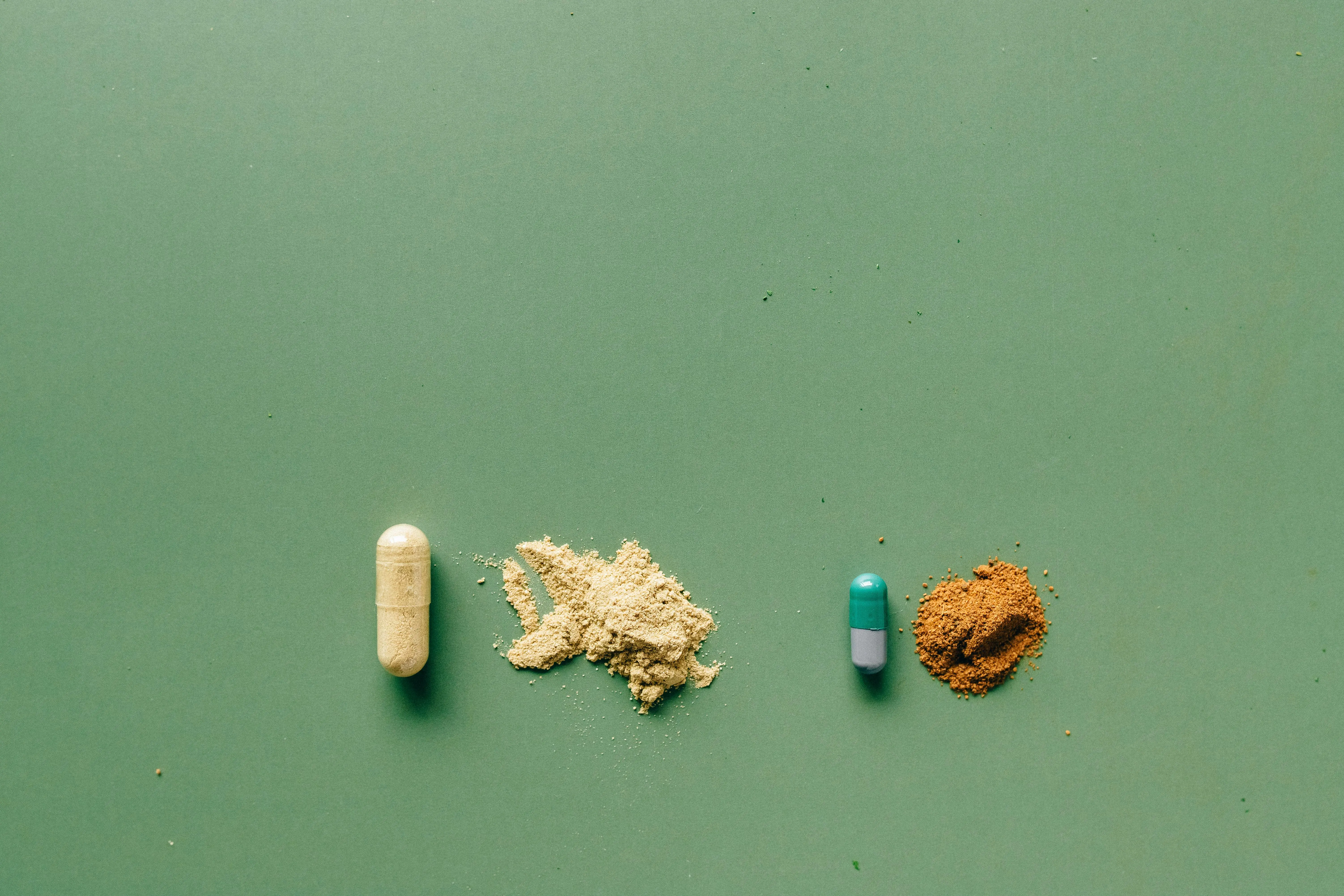
Standardized extract is significantly more effective than powder.
• Extract: defined active ingredient content (3% rosavins, 1% salidroside)
• Powder: fluctuating concentration, difficult to dose
Recommendation: Always opt for standardized Rhodiola extract.
First effects after a few days – full effect after 2–4 weeks.
• 2–5 days: more energy and focus
• 1–2 weeks: less stress, more stable mood
• 3–4 weeks: full adaptogenic effect
One Study showed that measurable improvements in attention and stress resilience can occur after about 10 days of regular intake of the adaptogen.
Usually it's due to dosage, quality, or timing of intake.
Typical causes:
• Too low dosage
• Inferior or non-standardized extract
• Intake in the evening
• Too short intake duration
Take for 6–12 weeks, then a 2-week break.
• 8 weeks of intake
• 2-week break
• Repeat as needed
This cyclical approach helps maintain effectiveness over the long term.
Rare – usually dose-dependent and well controllable.
• Restlessness or nervousness
• Headaches
• Sleep problems with late intake
• 200–400 mg in the morning
• Intake over several weeks
• 400–600 mg daily
• 8–12 weeks of use
• if necessary, accompany with medical supervision
• 200–300 mg in the morning
• optional second small dose at noon
In case of chronic fatigue or psychological stress, medical advice should be sought beforehand.
Yes, Rhodiola rosea can generally be taken daily. Many studies examine continuous use over several weeks without problems.
However, a cyclic use is recommended, for example, 8 weeks of intake followed by a 2-week break, to maintain the body's sensitivity to the effects and to avoid habituation.
Initial effects can already be felt after 2–5 days especially in the form of slightly increased energy and better focus.
The full effect usually unfolds only after 2–4 weeks of regular intake.
Important: Many users stop too early – the actual adaptogenic effect often begins only after several weeks.
Rhodiola should be always in the morning taken, ideally about 30 minutes before breakfast.
The reason: The plant has a slightly activating effect and can impair sleep if taken too late. sleep Taking it in the evening can lead to restlessness, problems falling asleep, or internal nervousness.
Yes, especially if taken too late in the day.
Due to the activating effect, Rhodiola can make falling asleep more difficult or worsen the quality of sleep .
Solution: Move intake consistently to the morning and potentially reduce the dose.
A too high dosage of the adaptogen can lead to nervousness, inner restlessness, headaches, or mild irritability.
These side effects are usually mild and disappear quickly when the dosage is reduced.
Recommendation: Always start with a low dose (e.g., 200 mg) and increase slowly.
Yes, studies show a very good tolerance even with several months of use.
Nevertheless, it is recommended to take regular breaks (e.g., after 6–12 weeks) to ensure long-term effectiveness and not to stimulate the body permanently.
If no effect is noticeable, it is usually due to one of the following points:
• Dosage too low
• No standardized extract (too few active ingredients)
• Inconvenient time of intake (e.g., too late in the day)
• Duration of intake too short
In many cases, the effect improves significantly when the dose is adjusted and intake is consistently done in the morning.
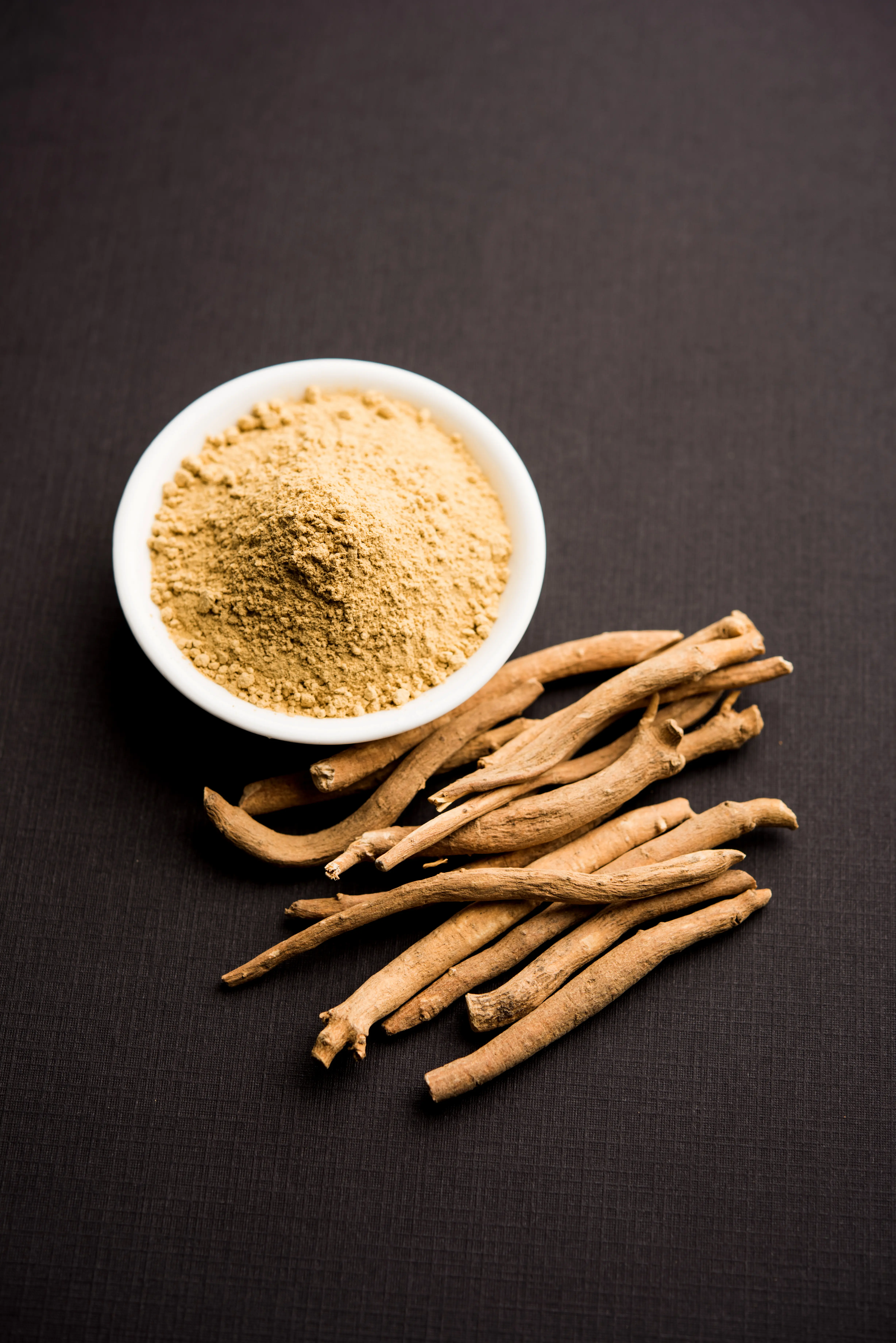
Yes, Rhodiola is often combined with other adaptogens such as Ashwagandha or Ginseng.
It applies:
• Rhodiola is more activating → in the morning
• Ashwagandha is more calming → in the evening
It is important to tailor individually, especially for sensitive individuals or when taking medication simultaneously.
Yes, and these are crucial for the effect.
Only standardized extracts with about 3% rosavins and 1% salidroside correspond to the dosages from clinical studies.
Non-standardized products or pure root powder often contain significantly fewer active ingredients and therefore show correspondingly weaker effects.