© Joshua Earle/Unsplash
March 23, 2026
Marianne Waldenfels
Learn how Ashwagandha may affect hormones, PMS, and menstrual cycle balance. What studies say, real experiences, and what women should consider
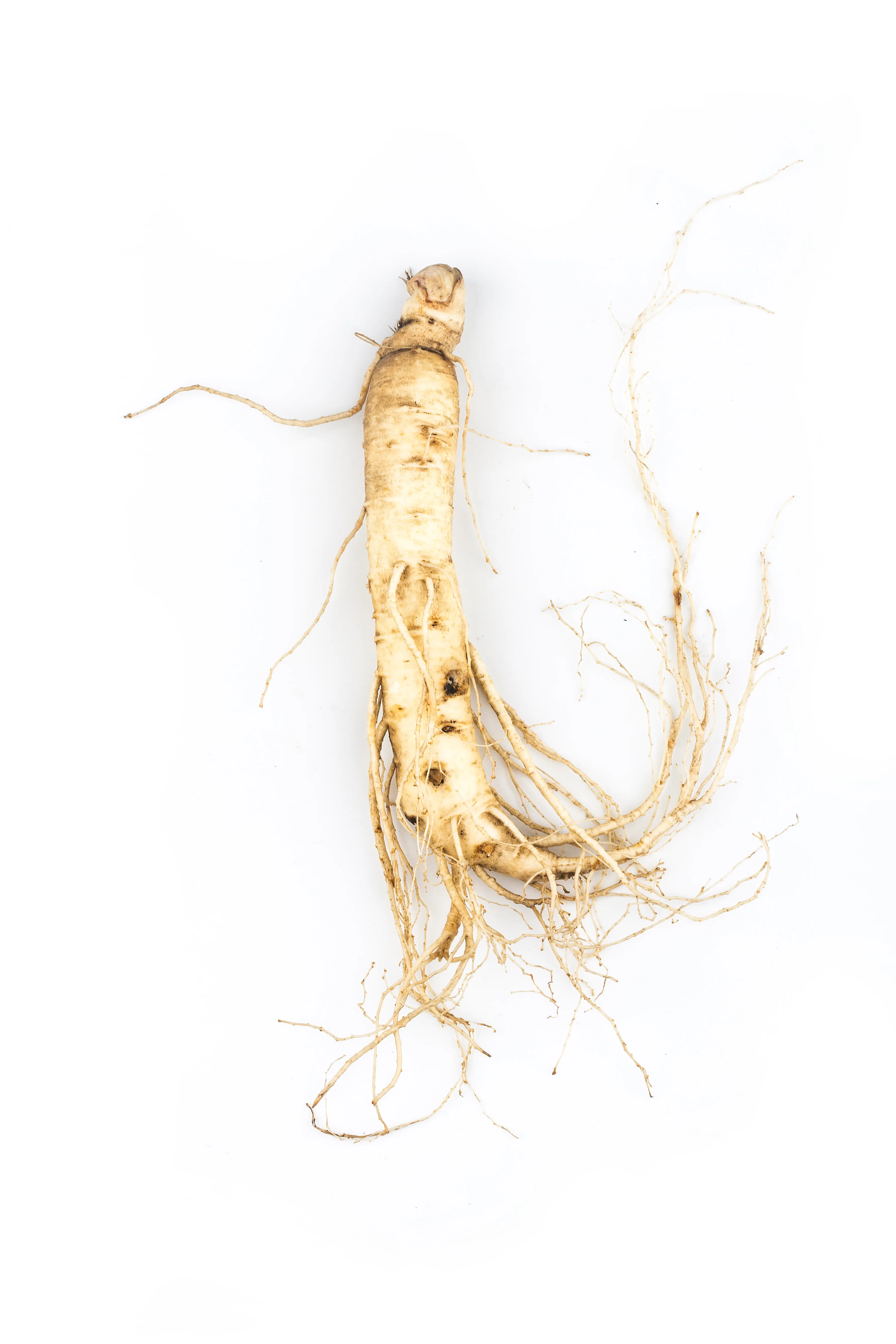
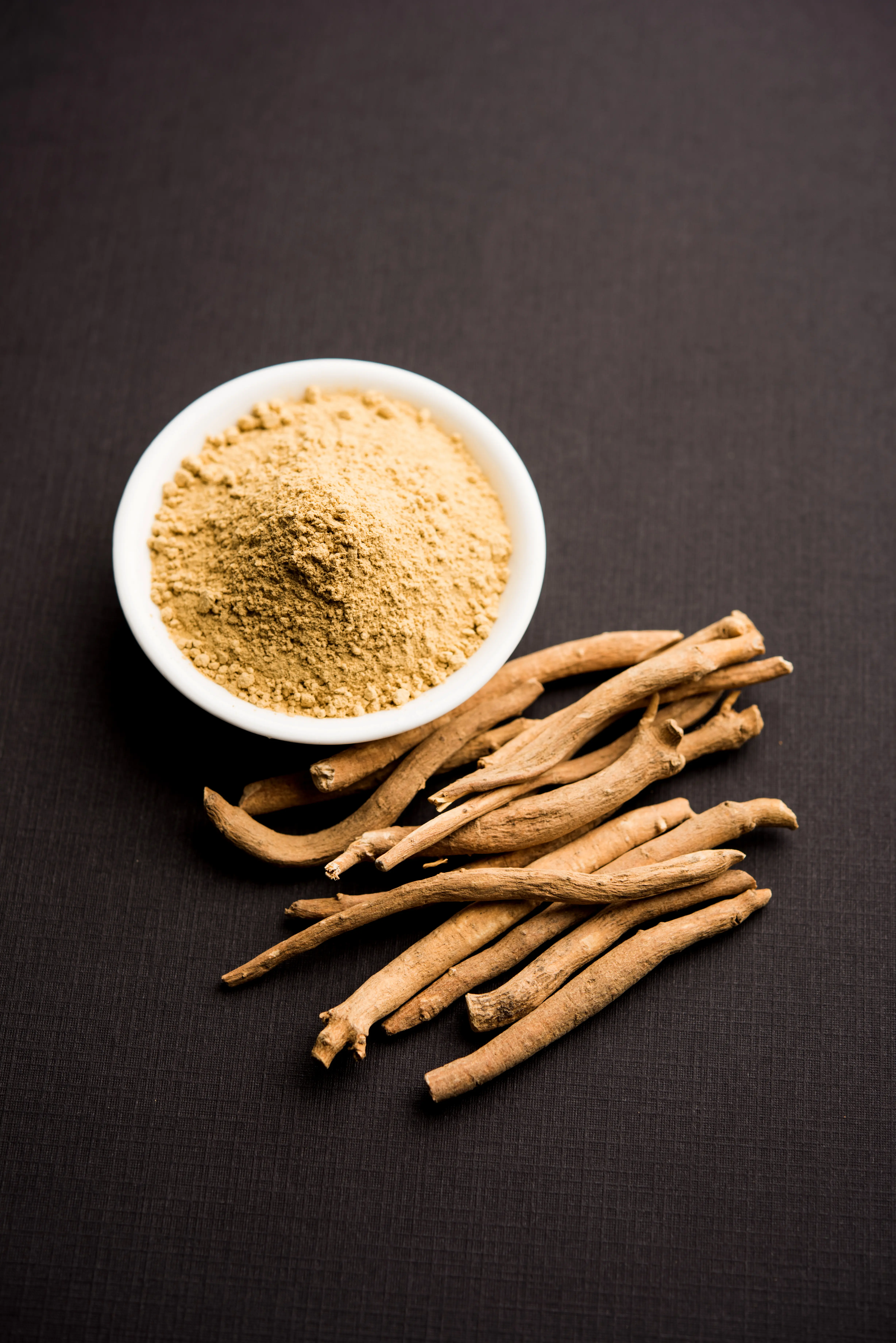
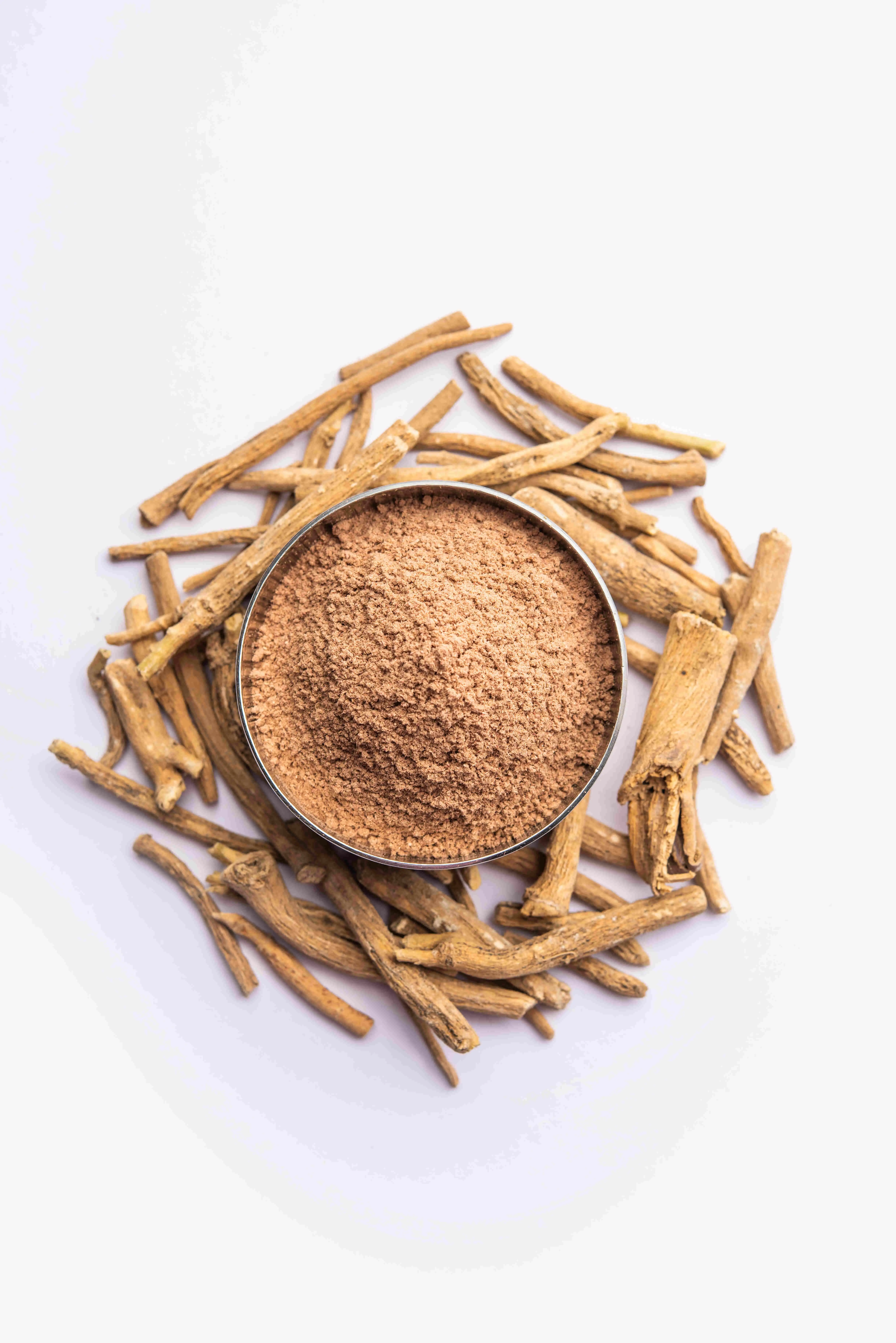
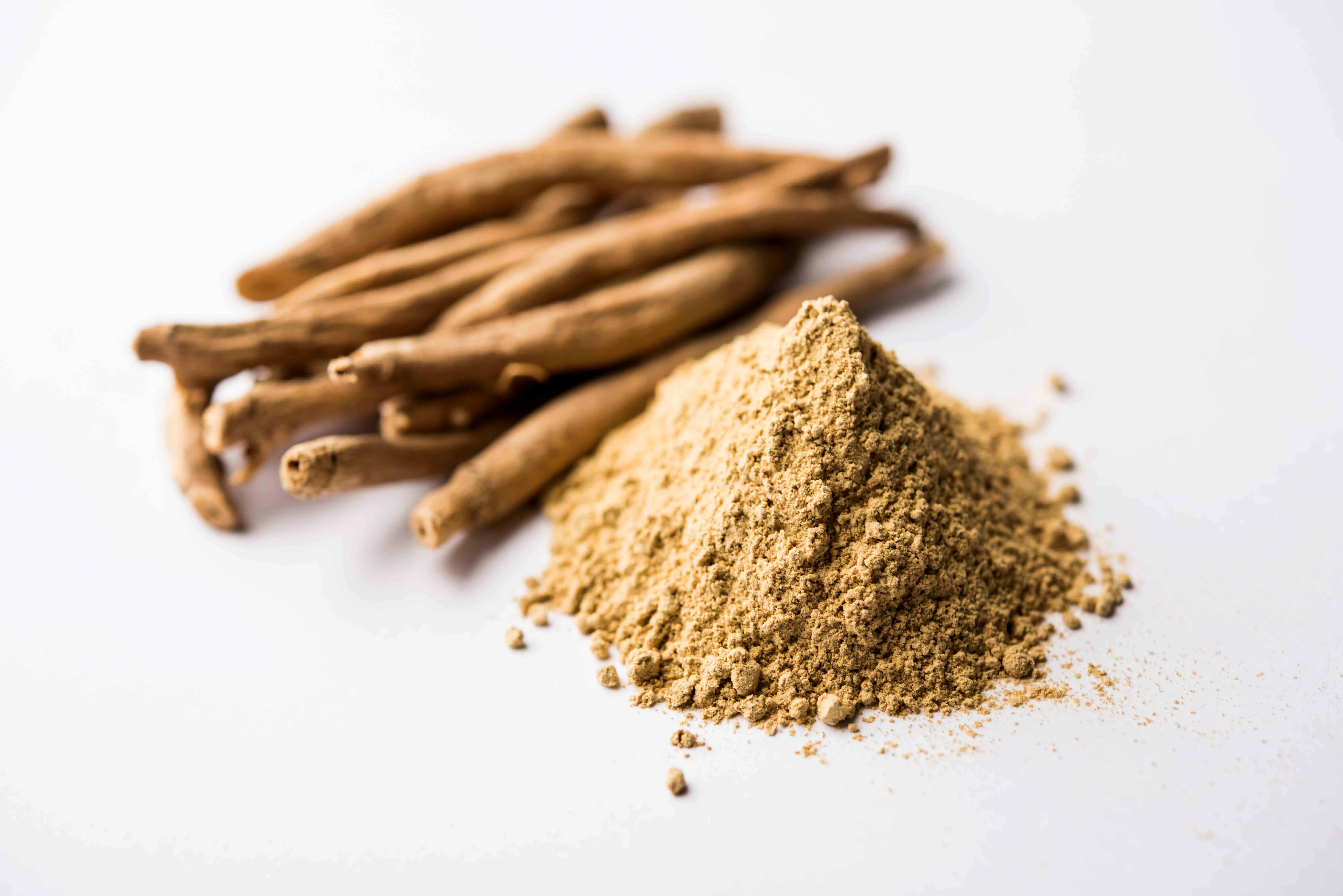
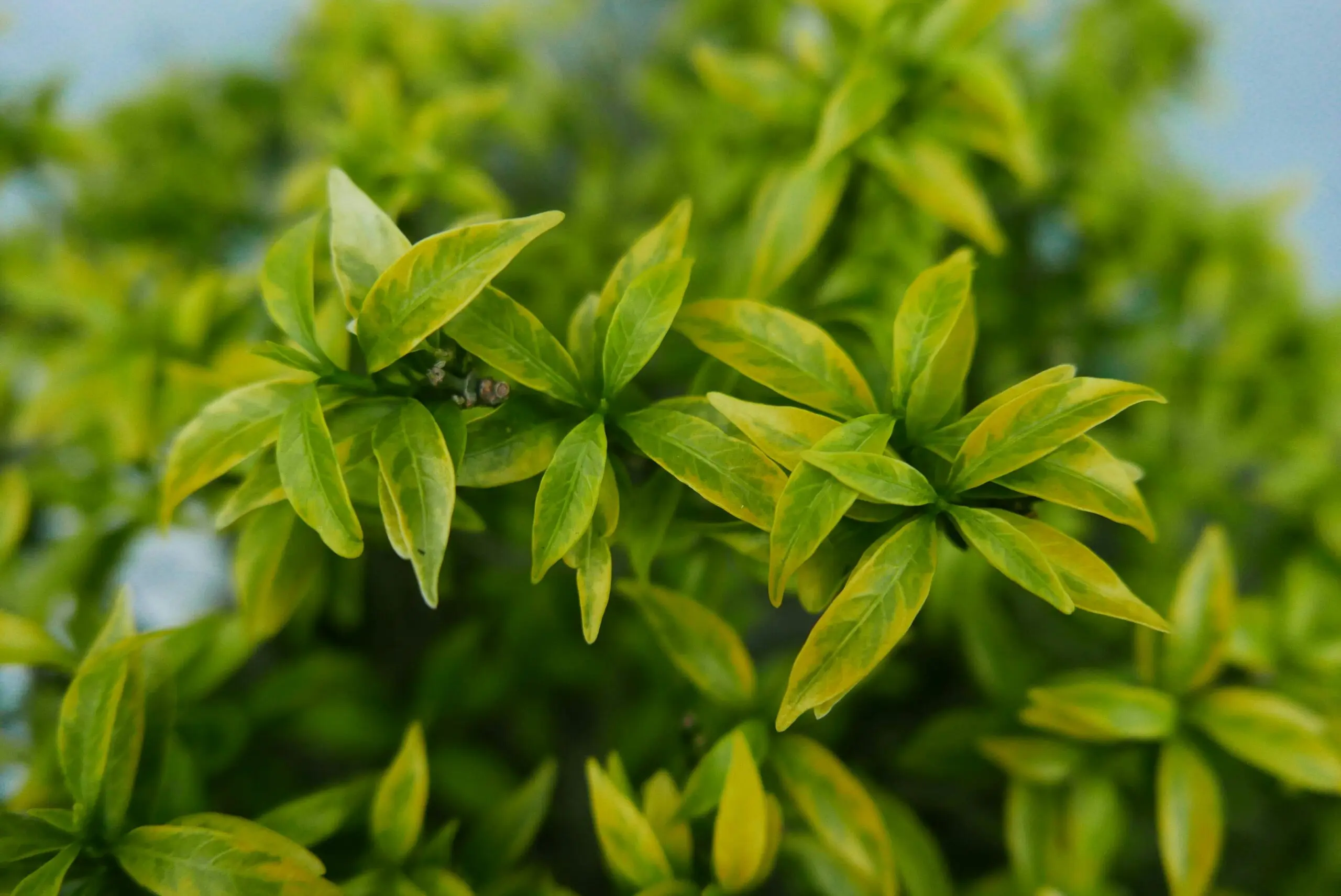
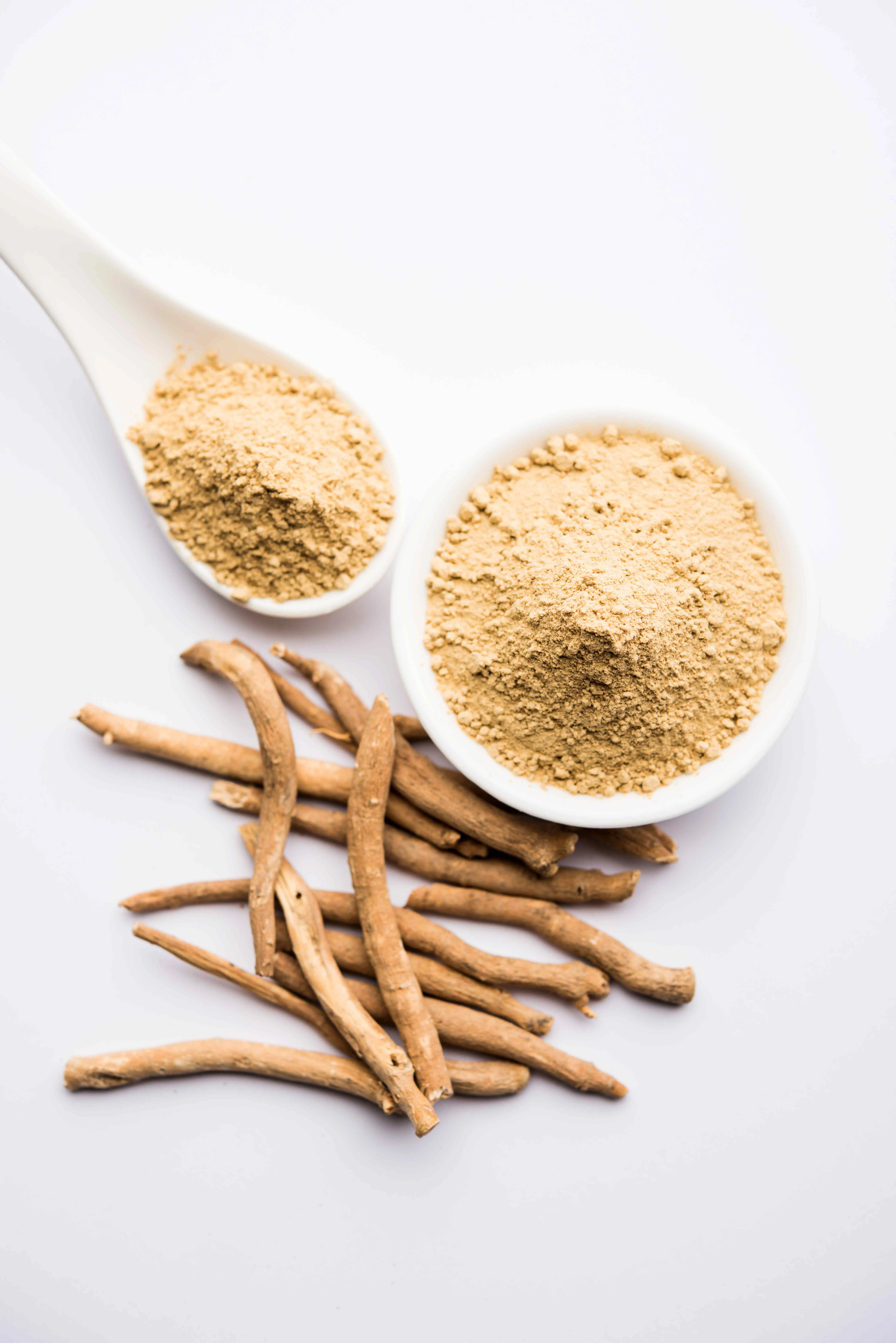
Ashwagandha (Withania somnifera), also known as winter cherry or Indian ginseng, is one of the most researched plants in Ayurvedic medicine. For over 3,000 years, it has been used to boost energy, concentration, and stress resistance—now increasingly in the field of women's health.
As a classic adaptogen Ashwagandha helps the body adapt to chronic stress and stabilize hormonal balance. This principle is particularly relevant for women, as chronic stress is closely linked to hormonal fluctuations, cycle disorders, and PMS.
The central target is the so-called Hypothalamic-pituitary-adrenal axis (HPA axis) – the central command of the stress system. Through this axis, a permanently elevated cortisol level can suppress ovulation, worsen PMS symptoms, and cause sleep disturbances.
Note: This article is for general information and does not replace medical advice. In the case of hormone disorders, thyroid diseases, or ongoing therapies, Ashwagandha should only be taken in consultation with a doctor.
Ashwagandha acts not directly hormonally, but through the reduction of stress signals. Clinically relevant effects have been documented especially by standardized root extracts with an active ingredient content of at least 5% withanolides.
One Meta-analysisthat evaluated 12 randomized controlled trials showed a statistically significant reduction in cortisol levels and measurable improvements in sleep and stress parameters.
What does this specifically mean for the female hormonal balance?
Chronically elevated cortisol levels disrupt the regulation of the female sex hormones, estrogen and progesterone. When cortisol decreases, the fine-tuned interaction of these hormones can normalize again – without Ashwagandha itself acting like a hormone.
For women with stress-related hormonal disorders, irregular cycles, or pronounced PMS symptoms, this mechanism can be clinically significant.
The female cycle is sensitive to hormonal stress signals. A persistently elevated cortisol level inhibits the release of GnRH (Gonadotropin-Releasing Hormone) in the hypothalamus – with the result that ovulation and cycle phases can become irregular or stop completely.
Ashwagandha acts indirectly stabilizing:
Many women report more regular cycles and a more balanced well-being after several weeks of intake.
Scientific classification: The described effects are biologically plausible, but not yet proven by sufficient long-term studies with hormone-specific metrics in women. Current data mainly comes from studies on stress and sleep regulation.
The Premenstrual Syndrome (PMS) arises from a complex interplay of hormonal and neurobiological factors. Stress, lack of sleep, and mood swings can significantly exacerbate typical PMS symptoms such as irritability, breast tenderness, water retention, and sleep problems.
Ashwagandha exerts its PMS-relevant effects through several mechanisms: The Cortisol reduction relieves the hormonal system, while the neuroregulation via GABA and serotonin systems acts calming and mood-stabilizing. At the same time, according to studies, Ashwagandha improves sleep duration and depth, and its adaptogenic effect increases general stress resistance.
A double-blind, placebo-controlled study with women under chronic stress showed after eight weeks of taking 600 mg Ashwagandha extract daily:
Conclusion on the study situation: Ashwagandha can indirectly alleviate PMS symptoms – especially when stress plays a central role. A direct anti-hormonal effect against PMS has not yet been proven.
A previously little-noticed but growing field of research is the effect of Ashwagandha on perimenopausal and postmenopausal women.
During menopause, estrogen production decreases, while stress hormones like cortisol often remain elevated – a combination that promotes typical symptoms such as hot flashes, sleep disturbances, mood swings, and cognitive impairments.
A randomized, double-blind study with 100 perimenopausal women showed the following results after eight weeks of taking 300 mg of Ashwagandha extract (twice daily):
Important note: Ashwagandha is not a substitute for hormone replacement therapy (HRT). In case of severe menopausal symptoms, gynecological advice should always be sought. If HRT is ongoing, simultaneous intake should be discussed with the treating physician in advance.
Women are significantly more affected by thyroid diseases than men. Therefore, the possible influence of Ashwagandha on thyroid function is particularly relevant.
Study situation: Preclinical and initial clinical studies suggest that Ashwagandha may slightly increase the thyroid hormones T3 and T4—presumably through stimulation of the pituitary gland.
Specifically, this means:
Ashwagandha is considered well-tolerated in clinical studies. However, individual reactions are possible, especially at higher dosages or longer intake.
Possible side effects:
Contraindications – not recommended for use in:
Since ashwagandha is metabolically active, its use should always be coordinated with a doctor in case of existing conditions.
The clinically studied and effective dosages range between 300 mg and 600 mg of standardized extract per day (with a withanolide content of 2.5–5%).
Dosage recommendation according to symptoms:
For stress and exhaustion a daily dose of 300–600 mg is recommended, preferably taken in the morning. For sleep problems and inner restlessness taking the same dose in the evening is more sensible. PMS symptomsrespond best to continuous, cycle-crossing intake of 300–600 mg daily. For menopausal complaints studies have shown that taking 300 mg in the morning and 300 mg in the evening is effective.
Practical advice:
Ashwagandha can be a meaningful herbal support for women with stress-related hormonal disorders, PMS symptoms, and menstrual disorders. The effect is based on the regulation of the cortisol system – not on direct hormonal activity.
Ashwagandha can be particularly suitable for women with:
Ashwagandha is less suitable for:
The research is promising, but not yet complete for female hormonal balance. Those who wish to try Ashwagandha should opt for standardized quality extracts and always accompany the intake with medical guidance if there are existing conditions.
Does Ashwagandha affect the cycle? Indirectly yes: By lowering stress hormones like cortisol, Ashwagandha can improve conditions for a regular cycle. A direct hormonal effect on the menstrual cycle has not yet been proven.
Does Ashwagandha help with PMS? Clinical studies suggest positive effects on stress-related PMS symptoms, particularly on sleep quality, mood stability, and stress resistance. Women whose PMS is exacerbated by stress may particularly benefit.
Can I take Ashwagandha permanently? Studies have examined durations of 8–12 weeks. There is not yet sufficient safety data for long-term use over several months. Taking breaks is recommended (e.g., a 4-week break after 3 months).
Is Ashwagandha hormonally active? No. Ashwagandha does not contain plant hormones (phytoestrogens) and is therefore clearly distinguishable from hormonally active plants like red clover or soy. Its effect on the hormone balance is indirect through the regulation of the stress system.
When does Ashwagandha take effect? The first noticeable effects on sleep and stress perception often occur after 2–4 weeks. To fully assess the impact on the cycle and hormonal balance, Ashwagandha should be taken regularly for at least 8 weeks.