© Magnific
October 15, 2026
Marianne Waldenfels
A new study offers reassuring findings on ashwagandha's safety. Yet severe liver damage and even deaths have been documented. How dangerous is this popular supplement — and what should people taking it for stress know?
In Denmark, ashwagandha is no longer allowed in dietary supplements. In German drugstores, however, the herb lines the shelves in the form of capsules, powder, and gummies, marketed as a remedy for stress and better sleep. Germany's Federal Institute for Risk Assessment has been advising against taking it for two years. Now researchers from India have published a study with 1,200 participants showing no liver or kidney damage. So where does the truth lie?
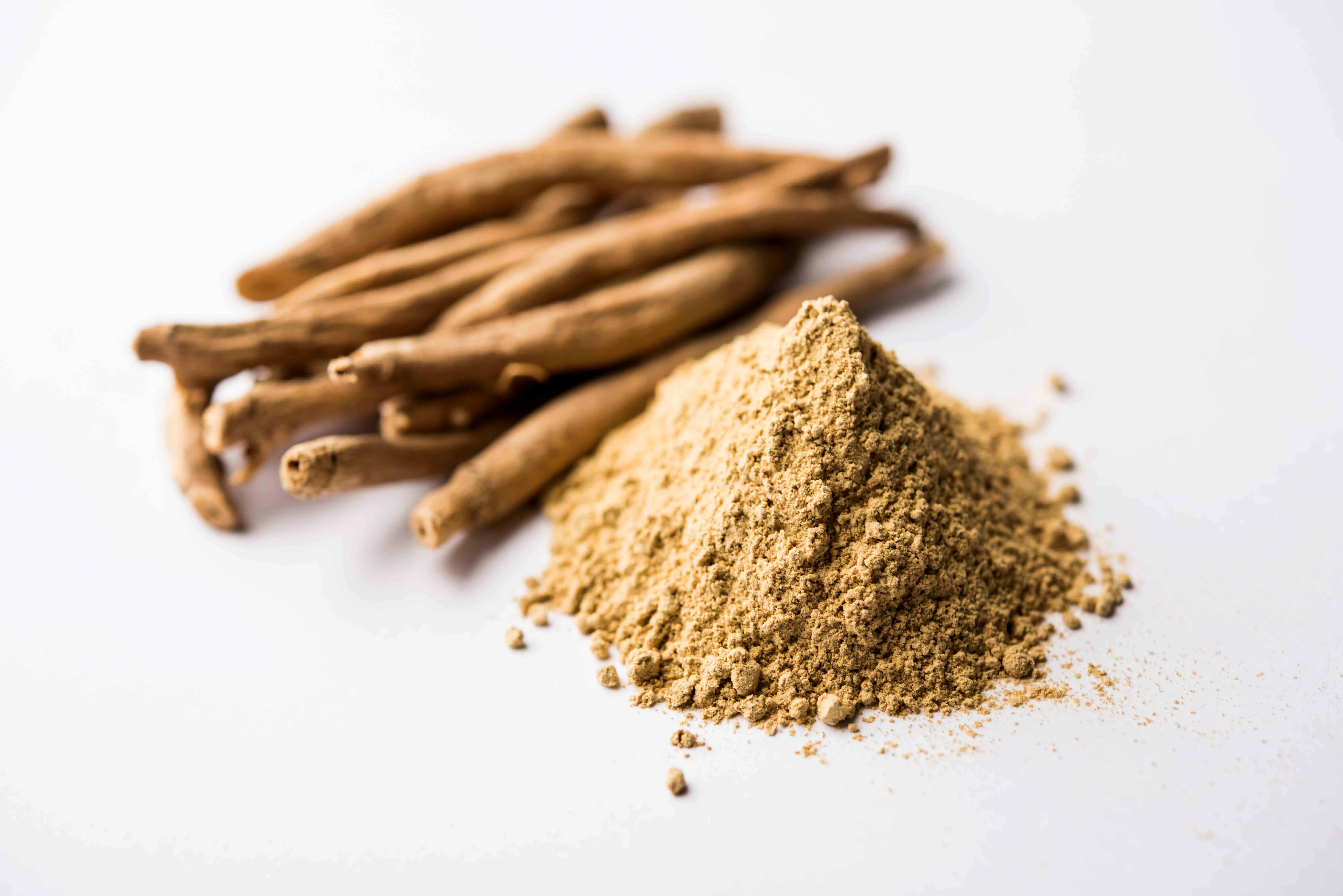
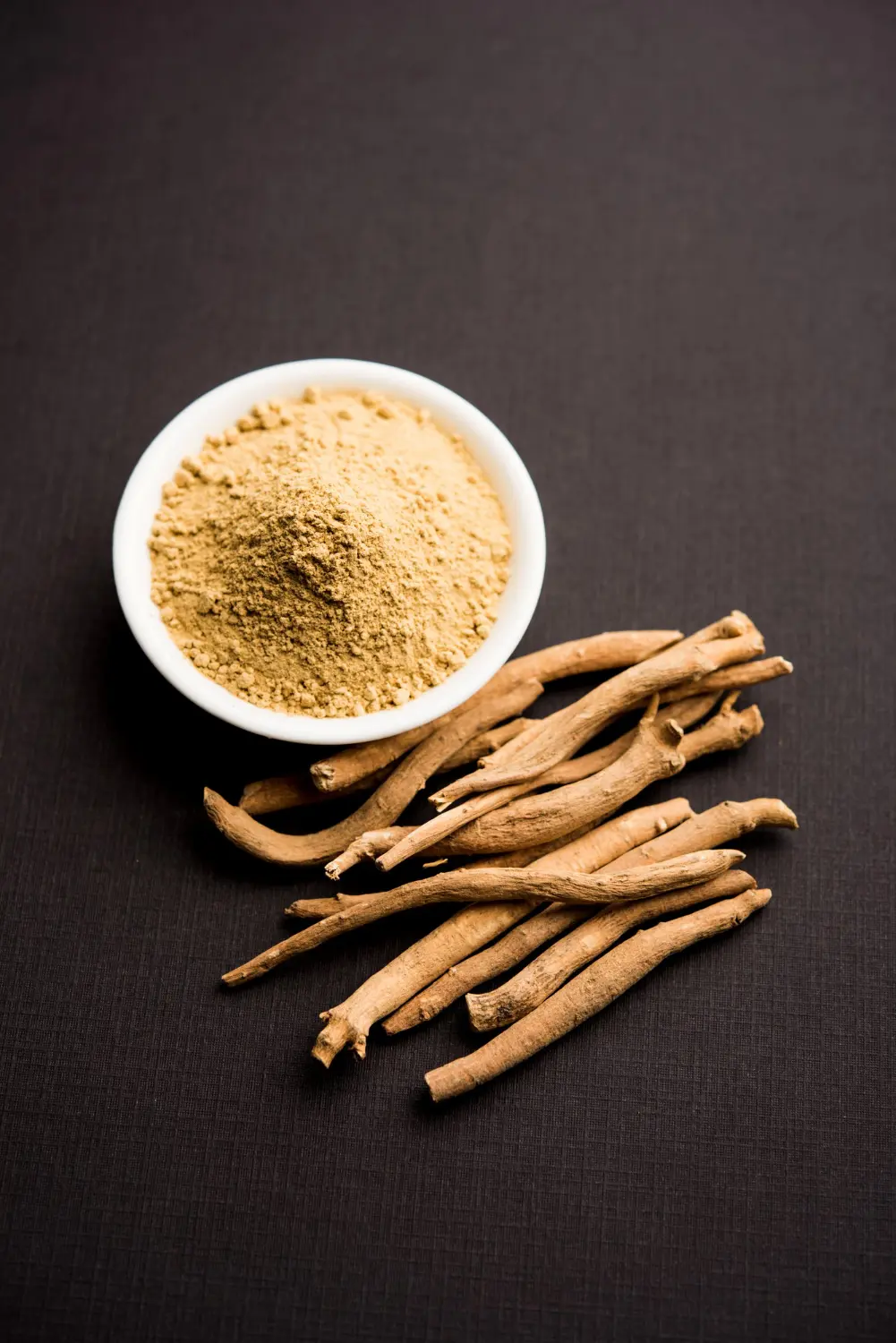
Ashwagandha has been used in Ayurvedic medicine for centuries. In the Western world, the plant — known botanically as Withania somnifera — goes by several names: sleep berry, winter cherry, and Indian ginseng. It is primarily the root that is used medicinally. Thanks to social media, ashwagandha became a widely popular dietary supplement within just a few years.
In August 2026, one of the largest placebo-controlled studies on ashwagandha to date was published in the journal Frontiers in Medicine. Forty-five researchers from nine institutions, led by rheumatologist Dr. Arvind Chopra of the Centre for Rheumatic Diseases in Pune, India, followed 1,200 healthy adults between the ages of 18 and 70.
Half of the participants were randomly assigned to receive 500 milligrams of a standardized aqueous root extract daily for 24 weeks — the equivalent of approximately four grams of root powder. The other half received a placebo. A total of 1,032 participants, around 86 percent, completed the study. The central finding: the researchers found no evidence of treatment-related liver or kidney damage. Adverse events occurred at similar rates in both groups — 337 in the ashwagandha group and 309 in the placebo group.
Reassuring as those numbers are, they come with limitations. Only healthy people were examined. The study tells us little about patients with liver or thyroid conditions — precisely the groups that health authorities are most concerned about.
There is also a statistical issue. Liver damage caused by ashwagandha is very rare, and even a study with 1,200 participants is not large enough to reliably detect such isolated cases. The product tested was also a specific, standardized extract at a moderate dose — many products on the market have different compositions or are significantly higher in dosage.
It is also worth taking a closer look at the interests involved. The study was supported by the Indian Ministry of Ayush, and India is the world's largest producer in a growing global market. That does not make the results wrong. However, they demonstrate only the tolerability of one specific extract in healthy people over six months — not the safety of all ashwagandha products.
The authorities' reservations rest primarily on case reports. In 2020, researchers led by Helgi and Einar Björnsson described five patients from Iceland and the United States in the journal Liver International who had developed liver damage after taking ashwagandha preparations. Those affected suffered from pronounced jaundice and severe itching. In four of them, liver values returned to normal within one to five months.
More alarming is a case series from India published in 2023 in Hepatology Communications. The authors, led by liver specialist Philips, described eight patients who had taken ashwagandha exclusively. Five of them already had a chronic liver disease. Three developed acute liver failure and died. The authors conclude that ashwagandha may be particularly dangerous for people with pre-existing liver damage.
Germany's Federal Institute for Risk Assessment (BfR) warns against ashwagandha not only because of liver damage reports. The institute also flags possible effects on hormone levels — including cortisol, thyroid hormones, and sex hormones — as well as on blood sugar. In the BfR's view, the available data are insufficient for a definitive risk assessment or for establishing a safe daily dose.
Other countries are going further. Denmark has banned ashwagandha in dietary supplements, and the Netherlands is planning a similar move. India itself banned in April 2026 the use of ashwagandha leaves in food and dietary supplements; only the root remains permitted there. Critics, however, consider the Danish ban excessive, arguing that it is partly based on data relating to leaves and other parts of the plant rather than the root.
Product quality is another concern. In a market review by the Consumer Advice Centre NRW published in April 2026, 73 ashwagandha products were examined. Many carried inadequate warnings, and others were highly dosed: ten of twelve products that provided information on withanolide content exceeded the maximum value applicable in Poland. Only 27 percent of the products examined gave precise quantity information on ashwagandha or its active ingredients.
Compared with many other herbal remedies, the effects of ashwagandha are relatively well researched. A 2022 meta-analysis evaluated twelve randomized studies involving a total of 1,002 adults and found a statistically significant reduction in stress and anxiety. Modest improvements were also observed in sleep, particularly when taken for more than eight weeks, as the MSD Manual notes.
Most of these studies, however, are small and short-term, and they use widely varying extracts. Whether their findings can be applied to any random product picked off a drugstore shelf remains an open question.
According to BfR recommendations, the following groups should avoid ashwagandha:
• Pregnant and breastfeeding women
• Children
• People with existing or previous liver disease
• People with thyroid conditions
Anyone taking medication for diabetes or thyroid conditions should consult a doctor before use, as ashwagandha can affect blood sugar and hormone levels.
• Root extract only: Avoid products that contain leaves or the whole plant.
• Check the contents: Reputable products specify the exact amount of extract and withanolides.
• Don't combine: Do not exceed the stated dose, and where possible avoid combining ashwagandha with other herbal preparations.
• Know the warning signs: If you notice yellowing of the skin or eyes, dark urine, severe itching, nausea, or unusual fatigue, stop taking it immediately and see a doctor.
• Talk to your doctor: If you have any pre-existing conditions or take medication regularly, speak with your GP before starting.
The new study from India provides important safety data, but it is not a blanket seal of approval. Ashwagandha is not a harmless herbal remedy simply because it is available over the counter. How safe a preparation actually is depends not only on its dosage and composition — the health status of the person taking it plays an equally decisive role.

Almost everyone has seen them, and most people ignore them: tiny specks and strands drifting across their vision. Usually, they’re harmless. But sometimes they signal an emergency where quick action can save your sight. Ophthalmologist Dr. Mirka Höltzermann explains which warning signs to watch for.
Christine Bürg & Marianne Waldenfels

An interview with
Dr. Mirka R. Höltzermann

Can fasting relieve hot flashes and other menopausal symptoms? Dr. Verena Buchinger-Kähler shares remarkable cases from her clinical practice and explains how women respond to prolonged fasting – and what science has revealed so far.
Christine Bürg & Marianne Waldenfels
An interview with
Dr. med. Verena Buchinger

"Feel good, live better" – in this episode, Dr. Alexandra Schoeneich sheds light on the wide-ranging changes that menopause brings to the body
Christine Bürg

An interview with
Dr. med. Alexandra Schoeneich

Stopping antidepressants can trigger symptoms that resemble a return of depression. Psychiatrist Prof. Dr. Andreas Menke explains how to tell the difference, why the final milligrams can be particularly difficult, and which two mistakes patients should avoid.
Christine Bürg & Marianne Waldenfels

An interview with
Prof. Dr. med. Andreas Menke