© Magnific
October 13, 2026
Marianne Waldenfels
An Australian study reveals surprising differences: Depending on sex, different vegetables were linked to better markers of heart and metabolic health. What might explain these findings – and what they mean for your diet.
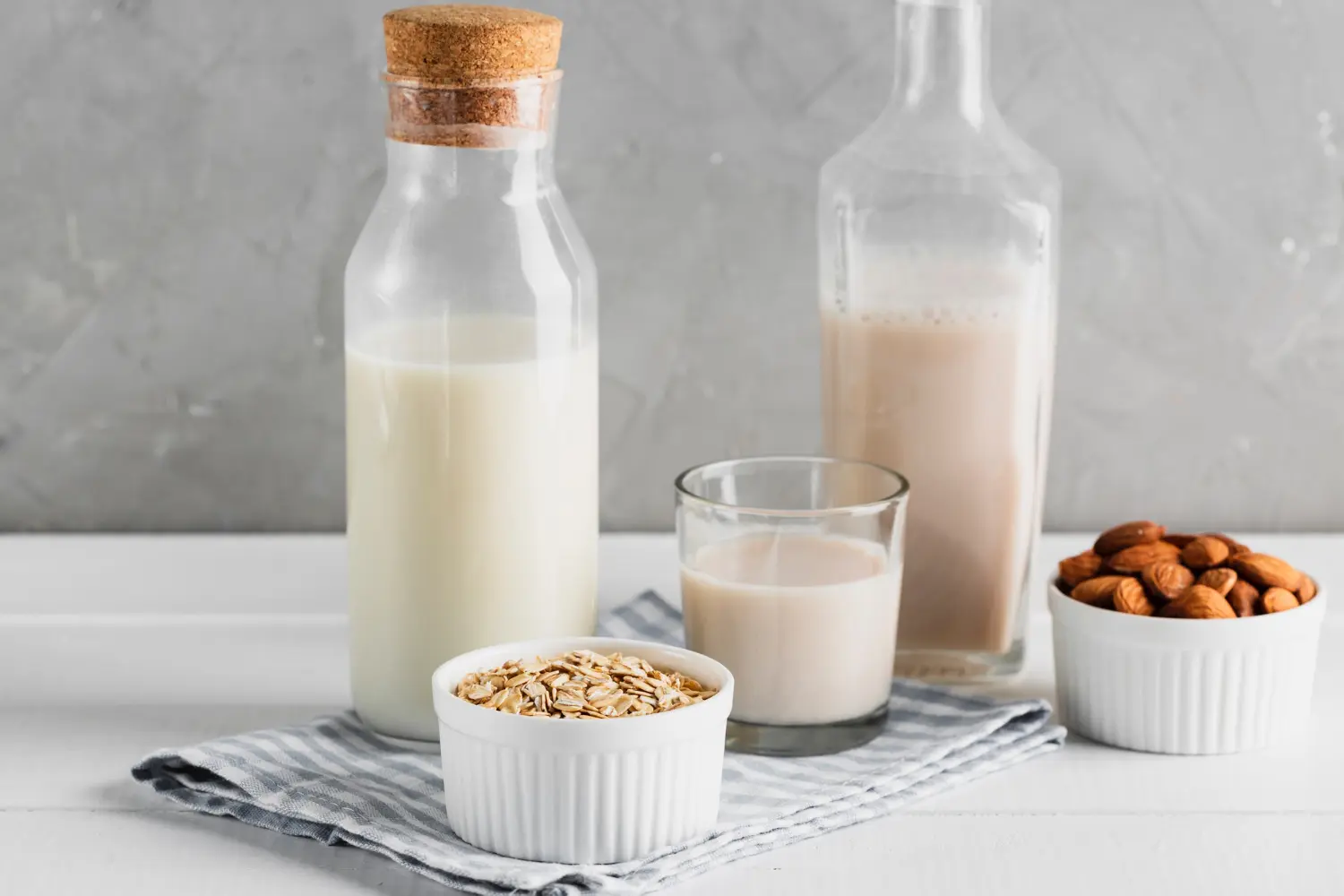
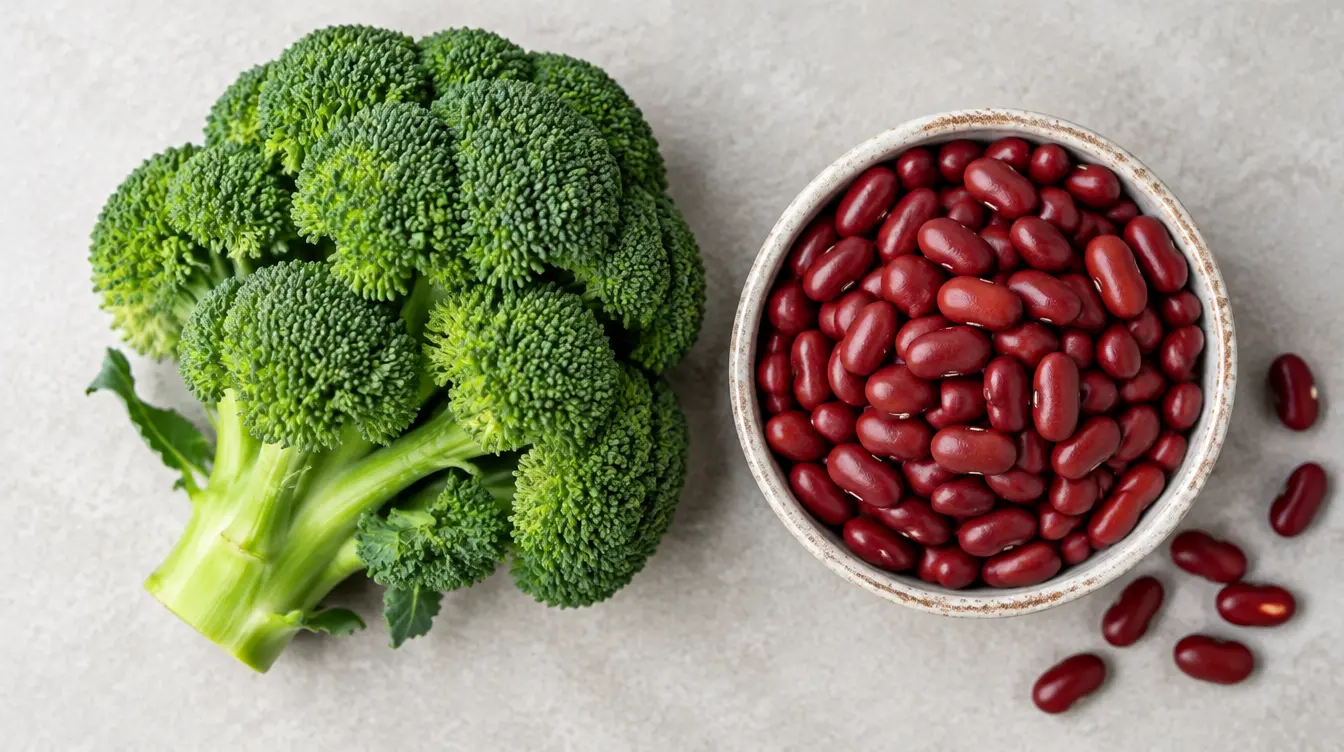
Those who want to eat healthily are advised to eat plenty of vegetables. But which types are most beneficial may also depend on sex. A new study from Australia points in this direction: men who ate more beans, lentils, and peas had more favorable metabolic values. In women, the same association was seen with broccoli, cauliflower, and other types of cabbage.
The differences are surprisingly large. Men who ate an additional daily serving of 75 grams of beans, lentils, or peas had statistically 72 percent lower odds of risk factors — such as high blood pressure, elevated blood sugar levels, or excess abdominal fat — occurring together. In women, the same amount of cruciferous vegetables was associated with an 85 percent reduction.
The researchers suspect that men and women process certain plant compounds differently. This raises a fundamental question: how much does sex influence the health benefits that individual foods provide?
For the study published in 2026, scientists at Edith Cowan University in Australia analyzed data from 638 young adults. The participants were approximately 22 years old and were part of the Raine Study, a long-term investigation that has followed their development since early childhood.
The researchers examined how dietary habits were linked to blood pressure, blood sugar, blood lipids, and waist circumference. The result: as many as one in five participants showed at least two abnormal values in their early twenties — early warning signs for cardiovascular disease and diabetes.
Notably, the associations between vegetable consumption and metabolic values held up even after the scientists accounted for other factors such as physical activity, smoking, alcohol consumption, and other dietary habits.
Whether the vegetables themselves are responsible for the more favorable values cannot yet be concluded from this. The study does show, however, that certain dietary habits are associated with metabolic health even at a young age.
The researchers look to hormones for an explanation. Certain plant compounds influence hormonal processes, and men and women differ in how their bodies handle these substances.
In men, the scientists suspect a link between compounds found in legumes and male hormonal balance, particularly testosterone. In women, plant compounds from broccoli and other types of cabbage may influence the metabolism of the sex hormones estrogen and progesterone.
The gut microbiome is another possible explanation. Gut bacteria break down dietary fiber and other plant components into substances that influence metabolism and inflammatory processes. Differences in the composition of the gut microbiome could therefore play a role in determining how the body responds to certain foods.
Whether these mechanisms actually explain why legumes stood out in men and cruciferous vegetables in women remains to be seen. The Australian study examined neither hormonal effects nor the gut microbiome.
Setting aside sex differences, there is already considerable evidence for the health benefits of both vegetable groups.
Legumes are among the most well-studied. A systematic review with meta-analysis from 2023 evaluated numerous observational and intervention studies. In controlled dietary studies, beans, lentils, and peas improved LDL cholesterol and other metabolic markers, among other things — meaning they influence factors that are relevant to the development of cardiovascular disease.
There are also informative findings for broccoli and other types of cabbage. Back in 2020, an Australian research team led by Lauren Blekkenhorst examined the vegetable consumption of 684 older women, who were on average approximately 75 years old.
The findings of the study published in the British Journal of Nutrition : women who ate more than 45 grams of cruciferous vegetables per day had a statistically 46 percent lower likelihood of extensive calcifications in the abdominal aorta compared to women who consumed less than 15 grams.
Such deposits are a sign of vascular changes and are considered a risk marker for cardiovascular disease. The scientists discussed, among other things, the role of vitamin K and other plant compounds found in cruciferous vegetables. However, a causal protective effect against vascular calcification was not established.
The Australian study raises a question that has so far received too little attention in nutrition research: do men and women need different dietary recommendations? The current findings are not yet sufficient to answer this definitively. But they do make a compelling case for taking a closer look at the role sex plays in how individual foods affect our health.

The small button nose was long the ideal. For rhinoplasty surgeon Dr. Christian Jacobi, what matters today is a nose that suits the face and keeps its function. He explains how social media shapes what patients want and why nose fillers are riskier than many think.
Judith Cyriax

An interview with
Dr. med. Christian Jacobi

An upper eyelid lift is meant to make the eyes look more alert and youthful – but it isn’t always the right solution. Munich-based plastic surgeon Dr. Peter Neumann explains when he advises against surgery, which risks are often underestimated and why hooded eyelids can even impair vision.
Christine Bürg & Marianne Waldenfels

An interview with
Dr. med. Peter Neumann

A cold that isn't given enough time to heal can have serious consequences – even for young, athletic people. Cardiologist Prof. Dr. Uwe Nixdorff explains the warning signs of myocarditis, why exercising during an infection can be dangerous, and when it's safe to return to sports.
Christine Bürg & Marianne Waldenfels

An interview with
Prof. Dr. Uwe Nixdorff