© Kristina Mitina
October 14, 2026
Christine Bürg & Marianne Waldenfels
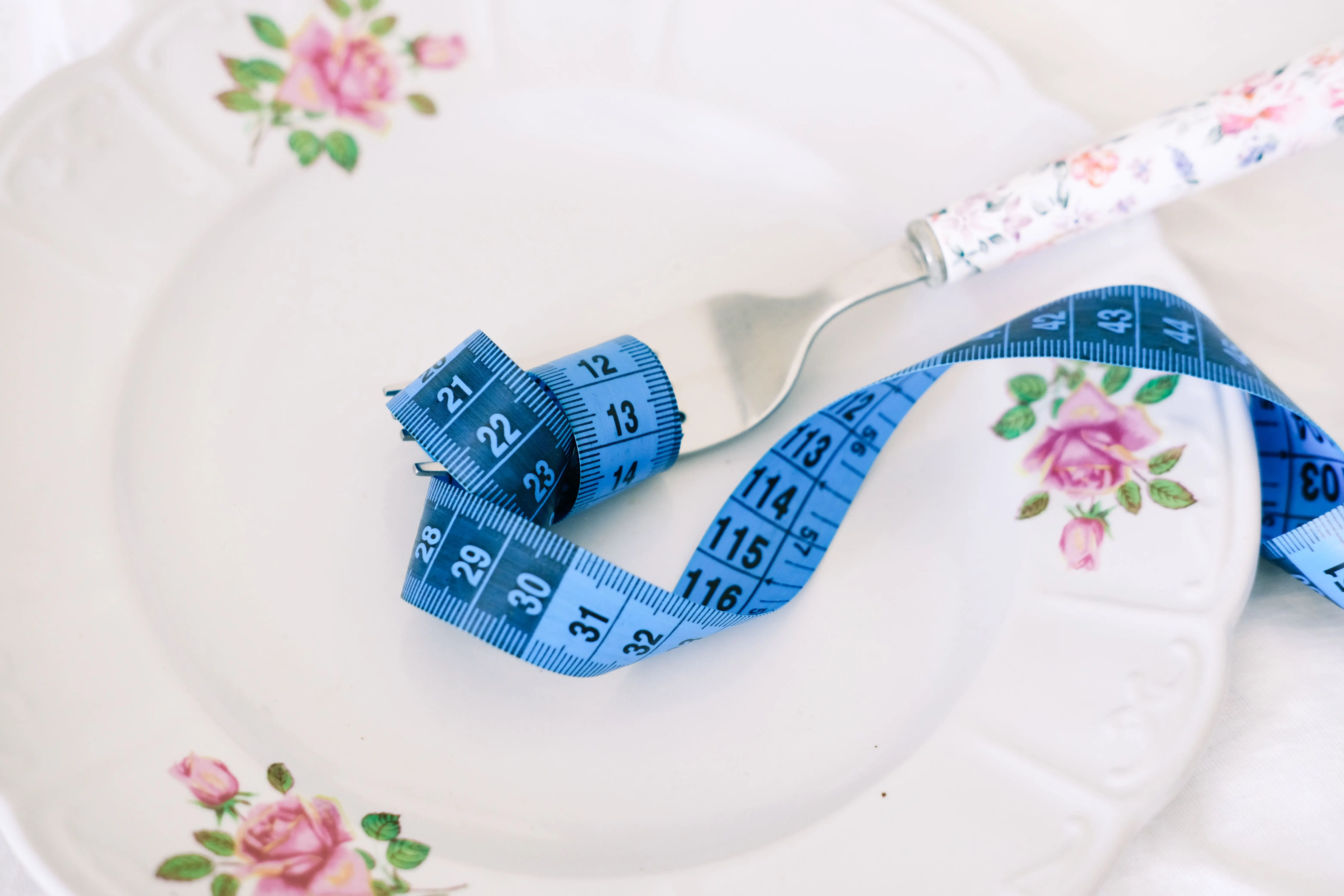
Can fasting relieve hot flashes and other menopausal symptoms? Dr. Verena Buchinger-Kähler shares remarkable cases from her clinical practice and explains how women respond to prolonged fasting – and what science has revealed so far.
An interview with
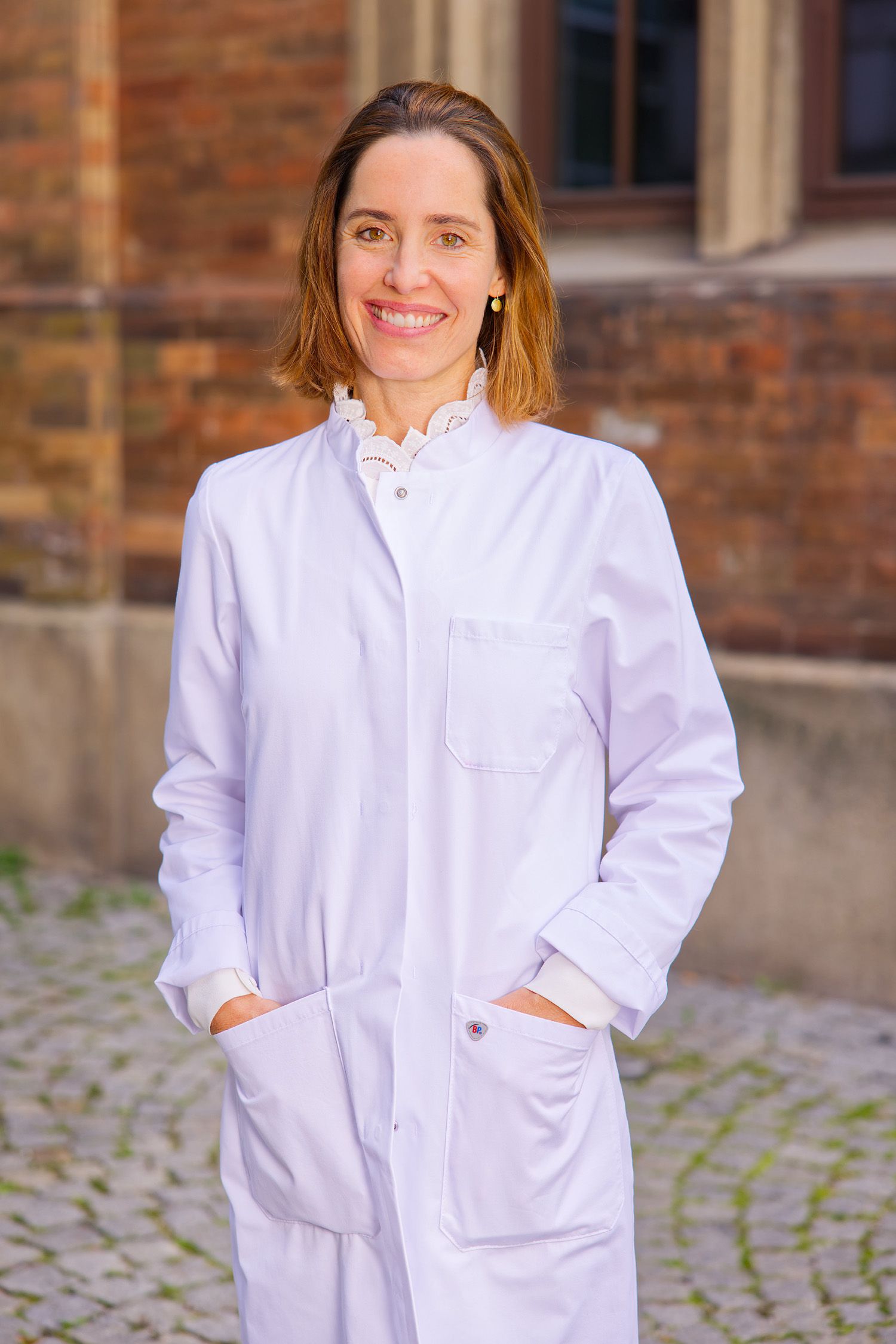
Dr. med. Verena Buchinger
The body changes, and suddenly the old rules no longer apply. Women put on weight even though they're eating no more than before. At night, hot flashes rob them of sleep, while exhaustion or joint pain makes itself felt during the day. Menopause can thoroughly upend a woman's familiar sense of her own body.
Can fasting help during this phase of life? Dr. Verena Buchinger-Kähler, medical director of the Buchinger Wilhelmi Clinic on Lake Constance, has some remarkable observations about menopausal symptoms. In this interview, she explains how women respond to longer fasting periods, what can be said about the effects on hormonal balance, and who should avoid a fasting cure.
Dr. Buchinger-Kähler, can fasting alleviate menopausal symptoms such as hot flashes?
We've had some remarkable experiences at our clinic. I remember a patient in her mid-50s who suffered severely from hot flashes. She was the managing director of a company, her makeup was constantly running, and the symptoms had become almost unbearable for her.
During fasting, she initially experienced the worst hot flashes she had ever had. After that, according to her, they never occurred again. Joint complaints, which are common in women, can also improve significantly during fasting. We see similar outcomes time and again.
How do you explain these effects? What impact does fasting have on female hormones?
We don't have a definitive answer yet — we can only speculate at this point. Studies examining these connections, particularly regarding longer-term therapeutic fasting, are still lacking.
Should women generally fast differently than men?
No — at our clinic, women and men follow the same basic fasting principles. We focus more on individual needs and tailor the approach accordingly.
That said, women do sometimes respond a little differently. They tend to lose weight more slowly than men, but may find it easier to sustain longer fasting periods.
What might account for that?
One difference shows up in the transition to ketosis — the fasting metabolism, in which the body increasingly draws on its fat reserves rather than sugar and produces ketone bodies as an alternative energy source.

For many women, it takes longer to reach a stable state of ketosis. I believe this is tied to our biology. The female body needs to manage energy differently, including in relation to a possible pregnancy or breastfeeding. Perhaps that explains this slight delay.
In general, fasting is well tolerated by both sexes. Women may need a little more time for the metabolic shift, but may in turn be able to fast for longer. There are also differences in mood: in my experience, women tend to approach the fasting period with more equanimity than men.
What experiences do you have with women who have hormonal disorders such as polycystic ovary syndrome, or PCOS?
Patients with an unfulfilled desire to have children or hormonal problems such as PCOS also report improvements.
There are already some initial studies on intermittent fasting in this area. A study published in 2025 suggests that time-restricted eating, also known as time-restricted feeding, may positively influence certain hormonal irregularities in PCOS — including elevated testosterone levels or very high levels of anti-Müllerian hormone.
This hormone normally gives an indication of egg cell reserve, but in PCOS it carries a different significance. So there are early indications that this form of fasting could be relevant for women with PCOS. Whether such findings apply to longer fasting periods has not yet been investigated.
What exactly happens in the body with PCOS?
Polycystic ovary syndrome is a hormonal dysregulation that is often associated with an unfulfilled desire to conceive. Testosterone levels are frequently elevated. At the same time, many small follicles develop and inhibit each other's growth, which means regular ovulation often fails to occur.
Women affected by this may notice it through irregular cycles, increased body hair, or skin problems such as acne. PCOS is also frequently associated with insulin resistance.
That is why fasting could be of interest here. It influences glucose metabolism and, in our experience, also has anti-inflammatory effects. We have the sense that it creates a kind of breathing space in which hormonal balance may be able to reestablish itself.
You have personally been affected by PCOS. What was your experience?
I brought my PCOS under control through fasting and a consistent change in lifestyle. Today it is no longer detectable.
When you've experienced something like that in your own body, you naturally develop a very different passion for the subject.
Is there a particularly favorable time within the menstrual cycle to start fasting?
In my view, there is no single perfect time. However, if a woman suffers from severe premenstrual symptoms, I would not recommend starting a fast at that point — it would place an additional burden on the body.
At the start of therapeutic fasting, our approach also includes bowel cleansing. If strong pain is already present, this can intensify lower abdominal discomfort — something I would want to avoid.
When do you personally prefer to start?
On the second or third day of my period. To be honest, that isn't exactly my favorite time of the month anyway — but afterward I experience an incredible surge of energy. That's my personal experience.
What physical complaints tend to be most prominent during menopause?
During this phase of life, elevated cholesterol levels, insulin resistance, or a fatty liver can all occur. Weight gain is also a major issue. In my estimation, women burn around 250 kilocalories less per day once they stop having periods, which can contribute to weight gain during menopause.
With fasting, we can address various aspects of these metabolic processes. But it's not just about weight. What matters is that women find their way back to a good relationship with their bodies and feel comfortable in them.
One topic is particularly close to my heart: the pelvic floor. It is still far too often overlooked. Not so long ago, women were told that after a certain age, incontinence was simply something they had to accept. But that really doesn't have to be the case.
I remember a patient who had suffered from urinary incontinence for ten years. With us, she began pelvic floor exercises. A year later she came back and reported that the symptoms had practically disappeared — she had kept up the training consistently.
In our experience, there is less pressure in the abdominal cavity during fasting, which can make it easier to consciously engage weakened muscles. That is why physiotherapy is also part of our treatment concept.
What advice do you give specifically to women going through menopause?
We women are incredible, unique beings. In a sense, we survive the decline of an entire organ — something you rarely see in the animal kingdom.
That is why we also want to give women space to grieve, in a way. What does it mean for me to no longer be fertile? Does that make me less of a woman? How do I find my footing in this new phase of life?
At the same time, it's about recognizing the beauty of this change. Once the emotional turbulence has settled a little, I can ask myself: what do I actually need? Perhaps now is the time to finally put my own needs first.
Menopause can be the beginning of a new chapter in life. I believe it is very important to navigate this transition consciously. I raise these questions during medical consultations. We also have life coaches and psychologists who accompany our patients through this process.
What role does fasting play in this reorientation?
During fasting, the brain's metabolism also shifts. BDNF, among other things, plays a role here — a growth factor involved in the plasticity of our synapses. In my view, this can open the door to new ways of thinking and new thought patterns.
Many people find during fasting that they can look at their lives from a certain distance. I like to compare this to an eagle's perspective: you are no longer so deeply caught up in your own emotions or pain, but instead observe things from above.
Suddenly you can ask yourself: where do I actually want to go? What patterns shape my life? And which of them do I want to break?
How long should a woman plan for her first therapeutic fasting cure?
For first-time fasters, I recommend at least 14 days. It takes roughly three days for the body to properly enter the fasting metabolism — only then does the real work begin: letting go, listening inward. After that, at least three to four days are needed for the refeeding phase, which is also crucial for ensuring that the positive effects can be lasting.
Those who already have fasting experience can certainly manage well with a shorter stay of ten days. In the case of existing medical conditions, three weeks or longer may be advisable.
And how often should such a fasting cure be repeated?
An interval of six to twelve months would be optimal in my view. Think of it this way: when a woman fasts for the first time at 55, it's like a major spring clean. If you've lived in a house for 55 years and never thoroughly tidied up, it's damn hard work to go through everything from the basement to the attic.
The first fast can feel something like that. Perhaps you don't manage everything the first time — but if you stick with it and fast regularly, it gets easier.

Can fasting relieve hot flashes and other menopausal symptoms? Dr. Verena Buchinger-Kähler shares remarkable cases from her clinical practice and explains how women respond to prolonged fasting – and what science has revealed so far.
Christine Bürg & Marianne Waldenfels
An interview with
Dr. med. Verena Buchinger

"Feel good, live better" – in this episode, Dr. Alexandra Schoeneich sheds light on the wide-ranging changes that menopause brings to the body
Christine Bürg

An interview with
Dr. med. Alexandra Schoeneich

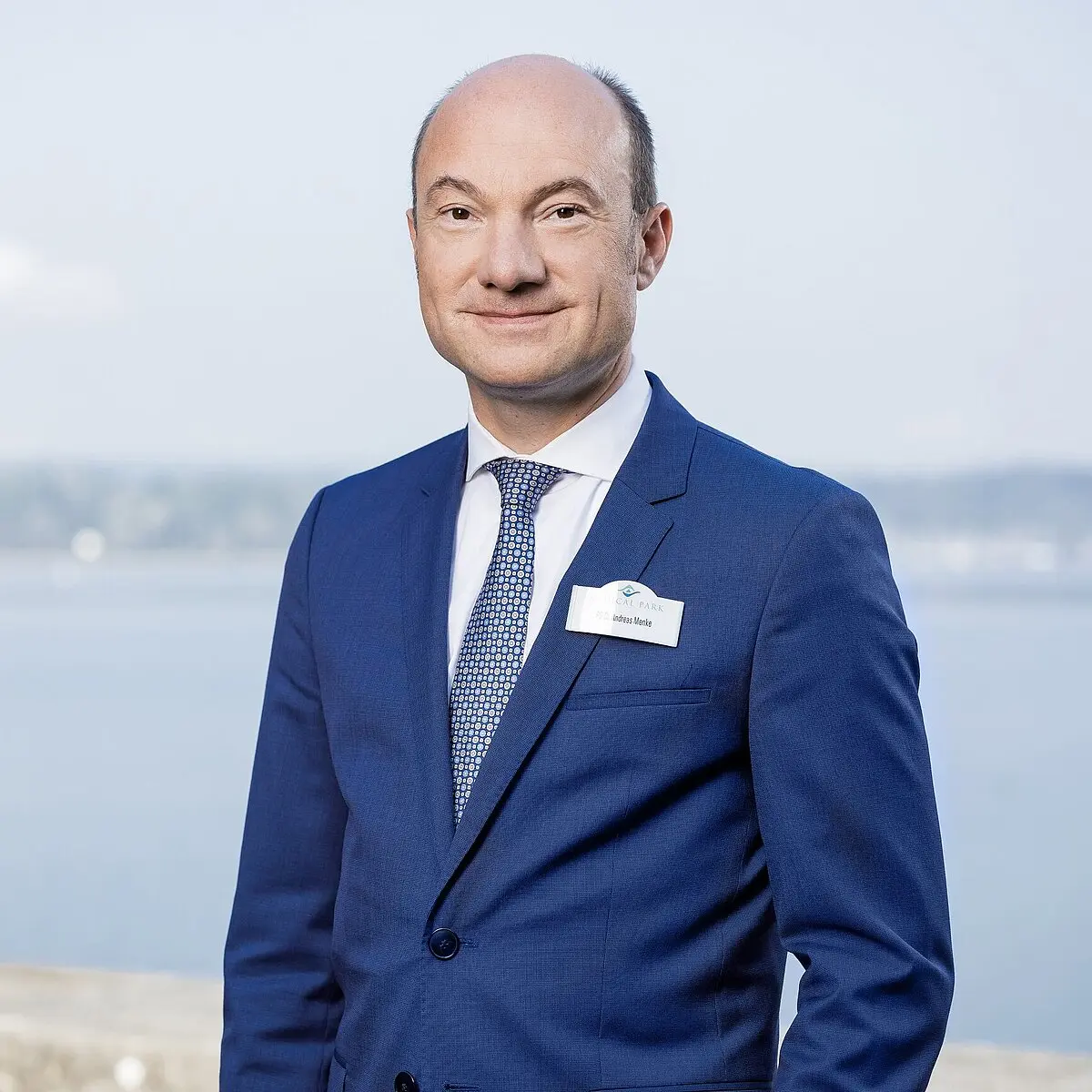
Stopping antidepressants can trigger symptoms that resemble a return of depression. Psychiatrist Prof. Dr. Andreas Menke explains how to tell the difference, why the final milligrams can be particularly difficult, and which two mistakes patients should avoid.
Christine Bürg & Marianne Waldenfels

An interview with
Prof. Dr. med. Andreas Menke

Less stress, better focus, greater peace of mind: EXOMIND aims to improve mental resilience through magnetic stimulation. Dr. Neda Nabavi explains how the treatment works, what changes she has observed in her patients, and why she considers brain health essential to longevity medicine.
Christine Bürg & Marianne Waldenfels

An interview with
Dr. med. Neda Nabavi