Juice cures, alkaline fasting, intermittent fasting – detox methods are booming. But many radical fasting cures burden the body more than they help. The solution? Ayurvedic fasting – an ancient, gentle method that detoxifies your body without stressing it. Dr. Annette Müller-Leisgang from the Ayurveda Institute Munich explains how just one fasting day per month can sustainably improve your health.
Why fasting? The science behind autophagy
Fasting is more than a wellness trend – it is scientifically proven. In 2016 the Japanese researcher Yoshinori Ohsumi received the Nobel Prize in Medicine for his groundbreaking discoveries on autophagy, our body's cellular self-cleaning program.
What is autophagy? In autophagy - Greek for "self-digestion" - the body recycles damaged cell components and converts them into new energy. This process is particularly activated when the supply of nutrients stalls, such as during fasting.
The benefits of autophagy: Through autophagy, damaged cell components are broken down and recycled, leading to a veritable cell rejuvenation. This process has been shown to slow down the aging process and strengthen the immune system. At the same time, regular activation of autophagy protects against chronic diseases and promotes brain health - a true anti-aging effect at the cellular level.
Important: Unlike radical zero diets, Ayurvedic fasting gently and sustainably activates autophagy.
What is Ayurveda? Basics of the 5,000-year-old healing art
Ayurveda literally means "science of life" and is a holistic healing method from India with a tradition of over 5,000 years. The focus is on the harmony of body, mind, and soul.
The three Doshas: Your individual constitution
In Ayurveda, every person is categorized according to three Doshas (life forces):
1. Vata (air & space)
Characteristics: Agility, Lightness, Cold
If unbalanced: Nervousness, Restlessness, Sleep disorders
If unbalanced: Irritability, Inflammations, Digestive problems
3. Kapha (Earth & Water)
Characteristics: Stability, Heaviness, Structure
If unbalanced: Lethargy, Weight gain, Mucous build-up
“In Ayurveda, we consider each person individually and holistically,” explains Dr. Annette Müller-Leisgang, founder of the Ayurveda Institute Munich. “Depending on metabolic condition and individual constitution, different fasting intervals from one day to several days are recommended.”
Ayurvedic fasting: The gentle alternative to radical cures
In Ayurvedic fasting, it's not about abstinence, but about conscious cleansing. Instead of stressing the body with zero-diets, it is relieved with easily digestible food.
Basic principles of Ayurvedic fasting
Unlike radical fasting cures, Ayurveda treats each person individually according to their dosha constitution. Detoxification is gentle and without hunger – instead of relying on zero calories, the body is supplied with easily digestible food. This holistic approach considers not only the body but also the mind and soul, leading to sustainable results rather than short-term effects.
Ayurvedic recommendation for all constitutions:
14:10 or 16:8 intermittent fasting daily
One fasting day per month (regardless of the dosha type)
The Ayurvedic fasting day: How it works
An Ayurvedic fasting day does not mean complete abstinence from food, but relief of the digestive organsthrough reduced, easily digestible food.
Goal of the monthly fasting day
During fasting, metabolic waste products that accumulate in the body can be eliminated. These deposits are not only caused by processed foods, sugar, and alcohol, but also by environmental toxins. Chronic stress and lack of exercise also add to the burden on the body and promote the accumulation of toxins.
Important: Chew well! At least 20-30 times per bite – this greatly aids digestion.
Evening (6:00 PM - 7:00 PM)
Light vegetable broth
Clear broth from root vegetables
Seasoned with digestive spices
Prepares the body for restful sleep
💡 Why no solid food in the evening? The body can fully focus on regeneration and detoxification at night, instead of spending energy on digestion.
All day long: Don't forget to drink!
Hydration:
2 liters of warm, boiled water or herbal tea
Sipped in small amounts throughout the day
Supports hydration and elimination of toxins
Fasting day: What is allowed, what is not?
Allowed on fasting day:
Herbal teas (ginger, fennel, turmeric)
Warm, boiled water
Vegetable soup (at noon)
Mung dal with vegetables (lunch)
Clear vegetable broth (dinner)
Ayurvedic spices
No-gos on fasting day:
Caffeine (coffee, black tea, energy drinks)
Sugar and sweets
Alcohol
Nicotine
Heavy, greasy foods
Animal products (except ghee in moderation)
Raw foods (difficult to digest)
Cold drinks
Positive effects: What are the benefits of Ayurvedic fasting?
Immediate effects (after 1 fasting day)
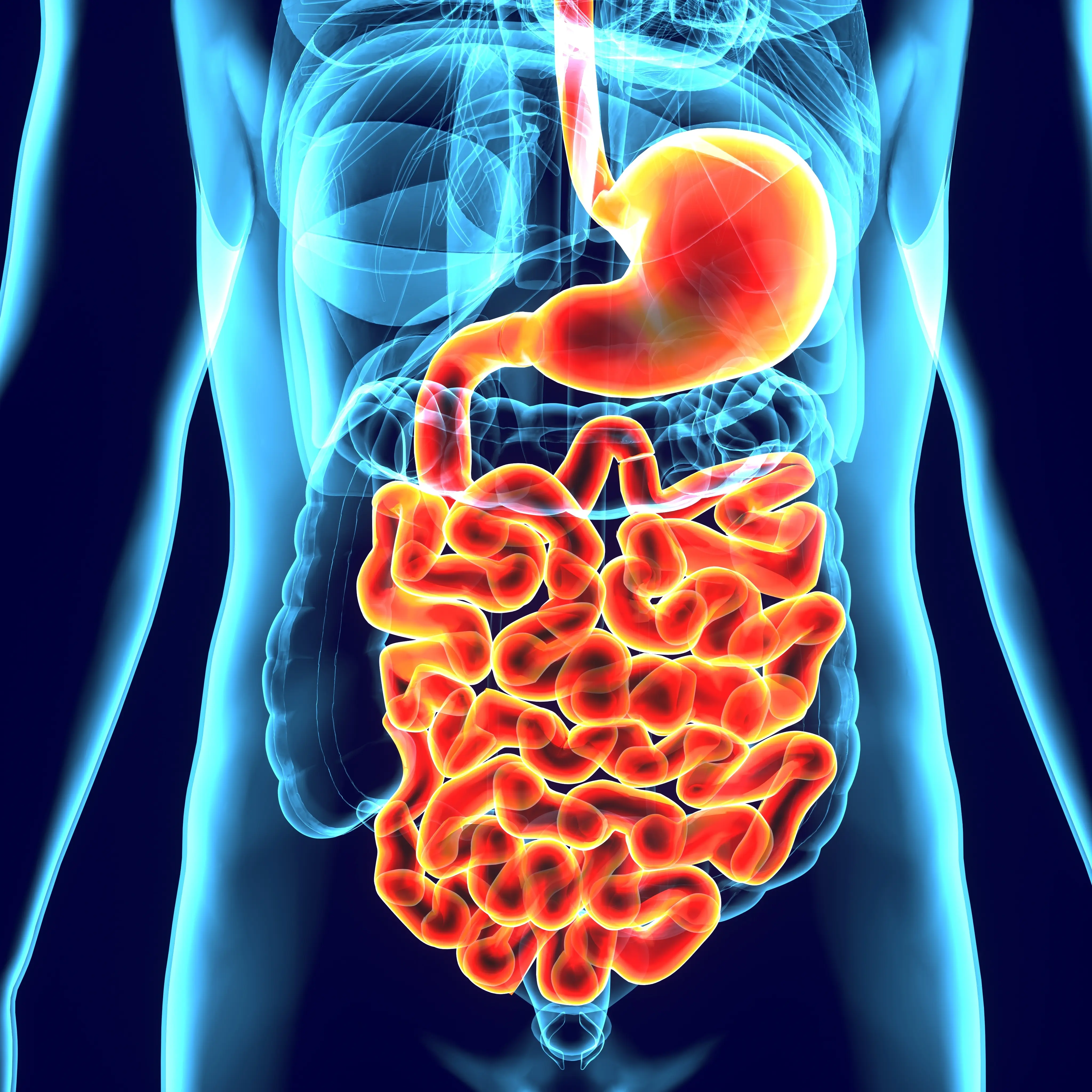
Even after a single day of Ayurvedic fasting, many people report an immediate feeling of lightness. The digestive organs – stomach, liver, pancreas, and intestines – are noticeably relieved, which manifests in the following days through better digestion. Feelings of fullness and bloating decrease, and the body feels truly cleansed.
Mental benefits also quickly become apparent: Fresh energy and clarity of mind set in, concentration noticeably improves. Many also report better sleep and an inner calm and balance that lasts beyond the fasting day.
Long-term health benefits (with monthly fasting)
“If the lifestyle beyond the fasting day is also balanced and healthy, the regular fasting day brings lasting lightness to the body," explains Dr. Annette Müller-Leisgang.
Long-term benefits:
“If the lifestyle beyond the fasting day is also balanced and healthy, the regular fasting day brings lasting lightness to the body," explains Dr. Annette Müller-Leisgang. The positive effects go far beyond immediate well-being: The risk of blood pressure disorders is reduced, joint problems and arthritis can be prevented. The risk of diabetes also demonstrably decreases, while the body is supported in healthy weight regulation.
At the cellular level, regular fasting activates autophagy, the cell-cleaning process that strengthens the immune system and slows aging processes. Thus, Ayurvedic fasting becomes a holistic anti-aging program for body and mind.
Ayurvedic fasting for women: Hormone-safe & cycle-friendly
A major advantage of Ayurvedic fasting: It does NOT negatively affect the female cycle.
Why other fasting regimens can be problematic
Radical detox regimens like zero-calorie fasting can significantly disrupt the delicate hormonal balance of women. They cause cortisol levels – the stress hormone – to spike and can even lead to missed menstruation. What is intended as a healthy detox often means additional stress for the female body, causing more harm than good.
Ayurvedic fasting: The gentle alternative
The monthly fasting day according to Ayurveda is for the body pure regeneration instead of stress. The light, warm meals provide the body with nutrients while giving the digestive organs a break.
💡 Tip for women: Plan your fasting day after menstruation – then the body is particularly receptive to cleansing.
The days between fasting: Just as important!
"How and what we eat can sustainably affect our health," emphasizes Dr. Annette Müller-Leisgang. A single fasting day is effective – but only unfolds its full potential in combination with a healthy daily routine.
Ayurvedic nutrition in everyday life: The basic principles
What is part of Ayurvedic nutrition?
Traditional Ayurvedic nutrition is predominantly vegetarian and based on:
Basic foods:
Traditional Ayurvedic cuisine is based on wholesome, natural ingredients. The focus is on whole grains such as basmati rice, quinoa, and spelt, supplemented by fresh, seasonal vegetables and ripe fruits. Fresh herbs and Ayurvedic spices not only add flavor to the dishes but also healing properties. High-quality dairy products such as milk and ghee (clarified butter) as well as plant oils from sesame or coconut complete the nutrient supply and provide all the essential vitamins and minerals.
The 6 tastes (Rasas): Ideally, each meal should contain all 6 tastes:
Sweet (grains, milk)
Sour (lemon, fermented foods)
Salty (natural salt)
Spicy (ginger, chili)
Bitter (leafy salads, turmeric)
Astringent (legumes)
Ayurveda lifestyle: The 5 pillars of health
In addition to nutrition, the holistic Ayurveda approach includes:
Balanced diet
Freshly cooked, served warm
Adapted to individual dosha constitution
With all 6 tastes
Good sleep
Regular sleep-wake rhythm
Early bedtime (before 10 PM)
7-8 hours of sleep per night
Regular exercise
Gentle, flowing movements
Adapted to one's own constitution
No excessive exercise (causes Vata imbalance)
Yoga
Asanas (body exercises) for physical health
Pranayama (breathing exercises) for mental clarity
Daily 20-30 minutes
Meditation
Inner peace and stress reduction
Connection to oneself
At least 10-15 minutes daily
Expert tip: Moderation instead of renunciation
"The abundance of food in our modern world generally leads us to tend to overeat," explains Dr. Müller-Leisgang.
Her recommendation: "I recommend moderating everything a bit" – not radical renunciation, but conscious, moderate enjoyment is the key to sustainable health.
Practical tips for moderation:
The key is to eat only when there is genuine hunger – not out of boredom or habit. Fill your stomach only about three-quarters full, never to the point of fullness. Take at least 20 minutes for each meal and chew each bite thoroughly 20 to 30 times.
Avoid distractions like mobile phones or TV while eating – mindfulness is a central part of Ayurvedic nutrition. Most importantly, listen to your body's signals: It intuitively knows what it needs when we give it the attention it deserves.
Ayurveda Fasting: Step-by-Step Guide for Beginners
Preparation (1-2 days before)
Reduce heavy, fatty foods
Avoid alcohol and caffeine
Eat lighter meals
Drink plenty of water
Your fasting day
Morning:
1 cup of ginger tea or herbal tea (warm)
Optional: 1 tsp of ghee in hot water (detoxifying)
Lunch (12:00-2:00 PM):
Vegetable soup or mung dal with sautéed vegetables
Chew well (20-30 times per bite)
Eat calmly, without distraction
In the evening (6:00-7:00 PM):
Clear vegetable broth
Drink warm
The whole day:
2 liters of warm water or herbal tea
Rest and relaxation
Light exercise (walking, gentle yoga)
Go to bed early
After the fasting day
Start with light meals (porridge, steamed vegetables)
Slowly increase the amount of food
Stick to warm, cooked dishes
Avoid heavy, greasy meals
Frequently Asked Questions (FAQ)
Can I exercise on fasting days? Light activities like walking or gentle yoga are ideal. Avoid intense workouts – the body needs energy for detoxification.
Is Ayurvedic fasting suitable for everyone? Basically yes, but consult a doctor or Ayurvedic therapist beforehand if you have chronic illnesses, are pregnant, or have eating disorders.
How often should I fast ayurvedically? It is recommended to have one fasting day per month plus daily 14:10 or 16:8 interval fasting.
Do I lose weight through Ayurvedic fasting? Weight loss can be a positive side effect, but it's not the focus. The goal is detoxification and regeneration, not primarily weight loss.
What do I do if I'm hungry on fasting days? Drink warm water or ginger tea. If you're very hungry, a small portion of vegetable broth is allowed.
Can I fast during menstruation? Yes, but many women prefer the week after menstruation – the body is particularly receptive to cleansing then.
Which spices are recommended in Ayurveda? Turmeric, cumin, coriander, ginger, fennel, cardamom, cinnamon – they promote digestion and have anti-inflammatory effects.
Do I need to know my Dosha to fast? No, the monthly fasting day is suitable for all constitutions. For longer fasting cures, individual Dosha determination is recommended.
Conclusion: Ayurvedic fasting as a sustainable health booster
Ayurvedic fasting is far more than a short-term detox trend. It is a millennia-old, scientifically proven methodthat gently cleanses your body, activates autophagy, and strengthens your health in the long term.
The most important insights:
The good news: Just one fasting day per month is enough to achieve sustainable health effects. This gentle method does not burden the body with radical restrictions but supports it gently in its natural regeneration. Especially for women, Ayurvedic fasting is ideal because it is hormone-safe and does not affect the female cycle.
The holistic approach equally considers body, mind, and soul and is based on Nobel Prize-winning research on autophagy. The method can be individually adapted to any constitution and, with regular use, unfolds impressive long-term health benefits – from improved digestion to strengthened immune system to a slowed aging process.
Ready for your first Ayurveda fasting day? Start this month – your body will thank you!
About the expert
Dr. med. Annette Müller-Leisgang is the founder of the Ayurveda Institute Munich and a trained Ayurveda doctor with decades of experience in holistic medicine. She combines traditional Ayurvedic knowledge with modern scientific research.